
How Hybrid BESS Becomes the Backbone of Efficient Off-Grid Power
What is Microgrid Energy Storage?
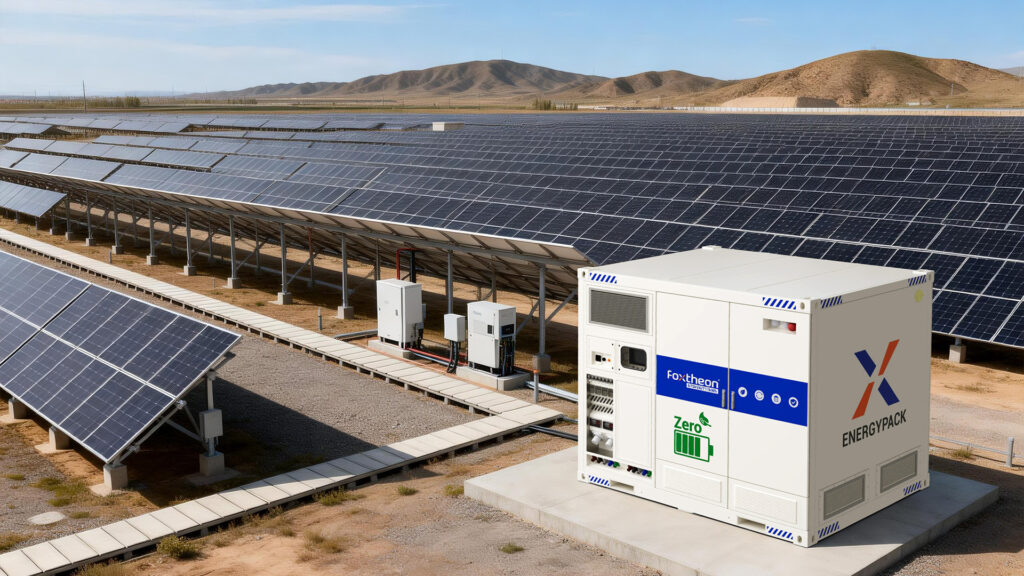
As industries move toward cleaner and more reliable energy solutions, microgrids are becoming a standard choice for off-grid and remote operations. However, the real shift is not just the adoption of microgrids themselves, but the integration of energy storage within them.
Without storage, a microgrid is simply a combination of power sources. With it, the system becomes intelligent, efficient, and far more adaptable to real-world demands. This is why microgrid energy storage is increasingly seen as the backbone of modern off-grid power systems.
The Role of Hybrid BESS in Modern Off-Grid Power
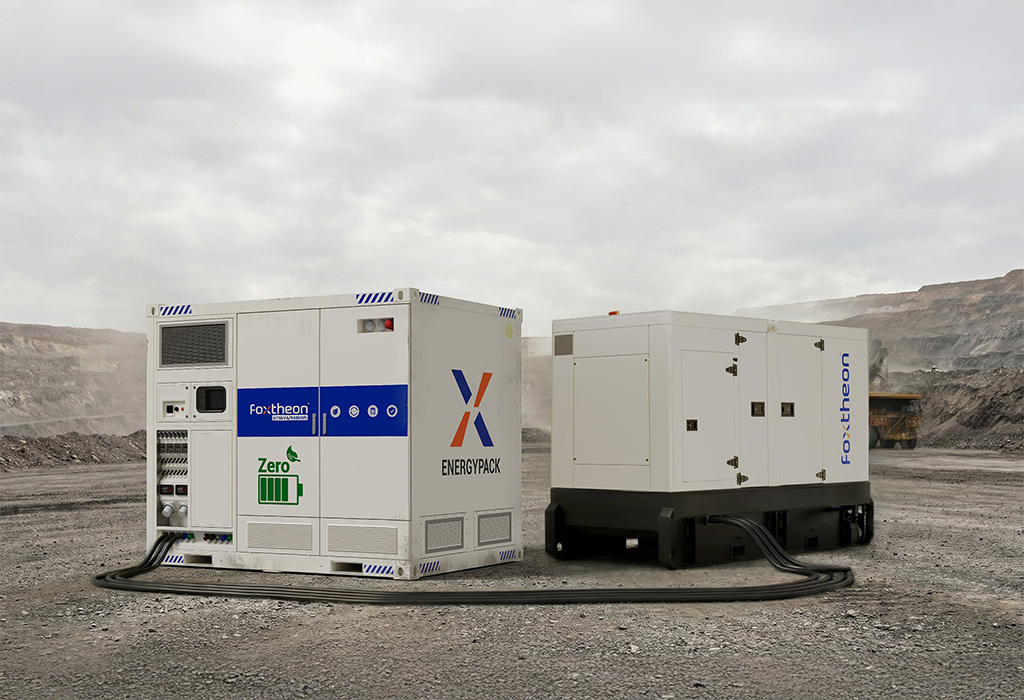
In traditional off-grid setups, diesel generators are often required to run continuously, even when demand is low. This leads to inefficient fuel consumption, increased wear and tear, and unnecessary operational costs.
Energy storage changes this dynamic. By storing excess energy when supply exceeds demand and releasing it when needed, a battery system allows power generation to be managed more strategically.
Generators can operate at optimal load conditions, while batteries handle fluctuations and low-demand periods.The result is a system that not only consumes less fuel, but also operates more smoothly and predictably.
Traditional vs Hybrid Power Systems
| Category | Traditional Diesel System | Hybrid System (Diesel + Battery) |
|---|---|---|
| Generator Operation | Runs continuously, often at low load | Runs mainly at optimal load |
| Fuel Consumption | High | Reduced by 30–80% |
| Noise Level | Constant noise | Silent operation possible |
| Emissions | Continuous emissions | Significantly reduced |
| Maintenance | Frequent servicing | Lower maintenance needs |
From Hybrid Concept to Practical Advantage
The idea of combining diesel generation with battery storage is not new. What has changed is the level of control and integration now possible. In a well-designed hybrid system, energy sources are no longer running independently. Instead, they are coordinated through an Energy Management System (EMS) that determines when to generate, when to store, and when to discharge.
EnergyPack M600: Designed for Real-World Microgrids
For long-duration energy needs, such as industrial park microgrids or remote office power, systems like the EnergyPack M600 are built around these practical needs. Rather than focusing solely on power output, the design emphasizes long-duration energy storage and stable operation across varying load conditions.
Why Choose the M Series for Your Microgrid?
- High Energy Density: Optimized for maximum kWh yield per kilogram.
- Premium Battery Technology: Utilizes CATL high-performance storage batteries supporting continuous 1P charge/discharge.
- 100% Usable Capacity: Engineered so that nearly 100% of battery energy can be safely released.
- Superior Cycle Life: Designed specifically for microgrid applications with high daily energy throughput.
Technical Insight: Unlike common C&I storage that only supports 0.5C or 0.25C, the EnergyPack M series supports a full 1P rate, positioning it as a high-end solution in the global market.
Industrial Applications: From Construction to Mining
The choice of a Hybrid BESS depends on the load profile of the site:
- Production & Heavy Duty (P Series): For engineering, oil fields, and mining where high transient peak power is required. Features high-power PCS and BYD power batteries.
- Long-Duration & Microgrid (M Series): Ideal for off-grid offices, industrial microgrids, and UPS backup power.
Frequently Asked Questions
Q1: What is the primary benefit of a Hybrid BESS?
A: It significantly reduces fuel consumption (up to 80%) and emissions while providing silent power through an intelligent EMS.
Q2: How does the M Series differ from the P Series?
A: The P Series focuses on high burst power for starting heavy machinery, while the M Series focuses on long-duration energy storage.
Optimize Your Off-Grid Power Strategy
Transitioning to a Hybrid BESS like the EnergyPack M600 is a strategic move toward operational efficiency.
Contact Foxtheon Today!