
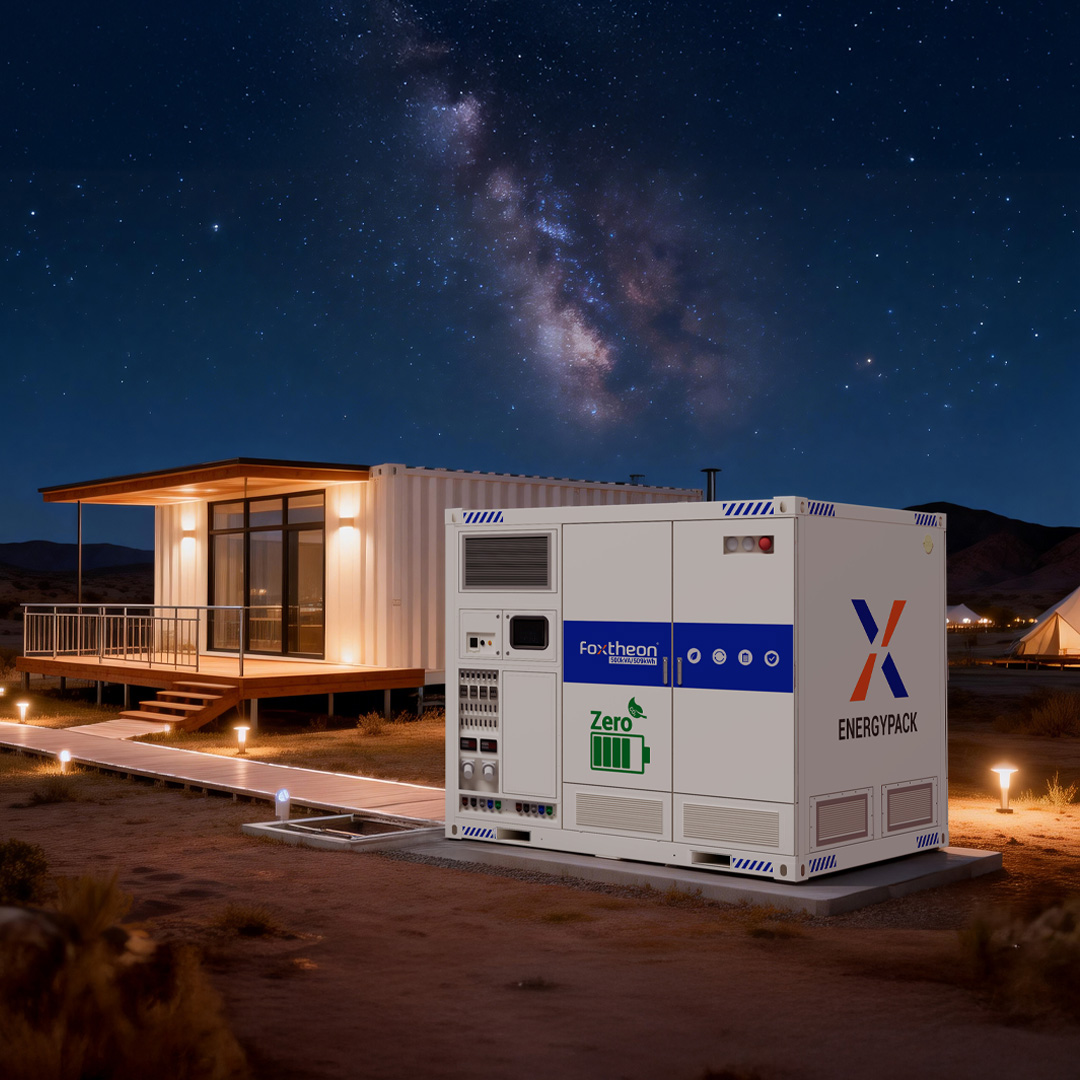
A telecom base station in a remote location is a lifeline. It connects isolated communities, supports emergency services, and enables digital economies. When this station loses power, the impact is immediate and severe. Ensuring a constant, reliable energy supply is the single most important engineering challenge. This article explores practical approaches for achieving resilient mission critical power for remote telecom base station operations. Industry leaders like Foxtheon are at the forefront of developing these intelligent, off-grid energy solutions.
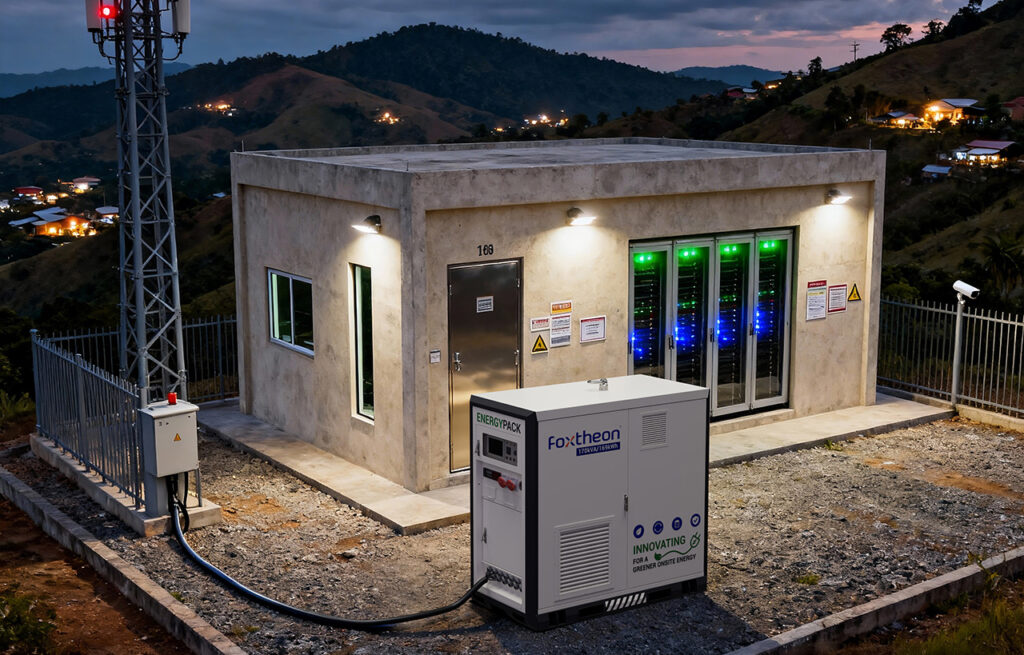
The Critical Importance of Uninterrupted Power
Network uptime is measured in “five nines” – 99.999% availability. This standard leaves no room for power failure. A single outage can break this commitment. It can lead to significant financial penalties for the operator and a loss of public trust. For remote sites, the challenge multiplies. Harsh weather, difficult access, and the absence of a grid connection make every decision critical. The design and management of mission critical power for remote telecom base station infrastructure directly determine network reliability.
Understanding the Unique Challenges
Remote sites are not simply urban installations placed in a field. They operate under a different set of rules. The environment itself is often the primary adversary.
- No Grid Connection: These sites are entirely off-grid, requiring self-sufficient power generation and storage.
- Extreme Conditions: Equipment faces desert heat, freezing mountain temperatures, coastal salt spray, and dust.
- Complex Logistics: Transporting fuel, spare parts, and maintenance teams is expensive and time-consuming.
- High Operational Costs: Every liter of diesel delivered by truck or helicopter dramatically increases the total cost of ownership.
- Minimal Supervision: Sites are often visited only a few times a year, so systems must be exceptionally reliable and self-diagnosing.
7 Strategies for Reliable Off-Grid Power
Building a resilient power system requires a holistic strategy. It goes beyond selecting hardware to encompass design philosophy, management, and partnership. Here are seven key strategies for ensuring dependable mission critical power for remote telecom base station needs.
1. Adopt a Hybrid Renewable Energy Architecture
Relying solely on diesel generators is no longer viable. A hybrid system combines multiple energy sources. Solar panels are the most common primary source. Wind turbines can be effective in consistently windy locations.
This mix maximizes energy harvest from the environment. It drastically reduces generator runtime. The result is lower fuel costs, fewer site visits, and a more sustainable operation. The system intelligently prioritizes free renewable energy.
2. Implement Tiered Redundancy and Fault Tolerance
Redundancy is the core principle of mission-critical design. It means having backup components ready to take over if the primary one fails. This applies to every part of the power chain.
- Power Sources: Solar/Wind + Generator + sometimes fuel cells.
- Storage: Battery banks can be split into independent strings.
- Power Conversion: Rectifiers and controllers in a N+1 configuration.
A fault-tolerant design ensures that a single point of failure cannot bring the site down.
3. Select Advanced, Site-Appropriate Energy Storage
Batteries are the heart of the system. They store energy for when the sun isn’t shining or the wind isn’t blowing. Lithium-ion (Li-ion) technology has become the standard for new deployments.
Li-ion batteries offer a longer cycle life, higher energy density, and better performance across a wide temperature range compared to traditional lead-acid. They require less maintenance and provide more usable energy. Choosing the right chemistry and capacity is critical for long-term reliability.
4. Integrate Intelligent Monitoring and Control
Hardware alone is not enough. A smart controller acts as the system’s brain. It manages the flow of energy between solar panels, batteries, and the generator. More advanced systems use predictive algorithms.
These algorithms forecast weather and energy production. They can pre-emptively start the generator at the optimal time to conserve fuel and battery health. This intelligence transforms a passive system into an active, optimizing asset.
5. Utilize Comprehensive Remote Management Platforms
You need visibility. A cloud-based or centralized Network Operations Center (NOC) platform allows engineers to monitor hundreds of sites from a single dashboard. They can see real-time data on:
- Fuel tank levels
- Battery state of charge and health
- Solar generation output
- Generator run hours and status
- Environmental conditions at the site
This enables proactive maintenance. Teams can dispatch service only when needed, preventing small issues from becoming catastrophic failures.
6. Design for Efficiency and Low Maintenance
Every watt saved at the load reduces the size and cost of the power system. Using high-efficiency telecom equipment, LED lighting, and optimized cooling directly lowers energy demand.
Design choices also impact maintenance. Sealed, corrosion-resistant enclosures protect electronics. Using components with long service intervals and easy swap-out designs minimizes the time technicians spend on-site. Reliability is designed in from the start.
7. Partner with a Specialized System Integrator
This is perhaps the most important strategy. Deploying mission critical power for remote telecom base station sites is complex. It requires expertise in power engineering, telecommunications, and project management.
A partner like Foxtheon provides end-to-end responsibility. They handle site assessment, system design, component procurement, installation, and ongoing support. This single point of accountability reduces risk for the telecom operator and ensures a solution built on proven experience.
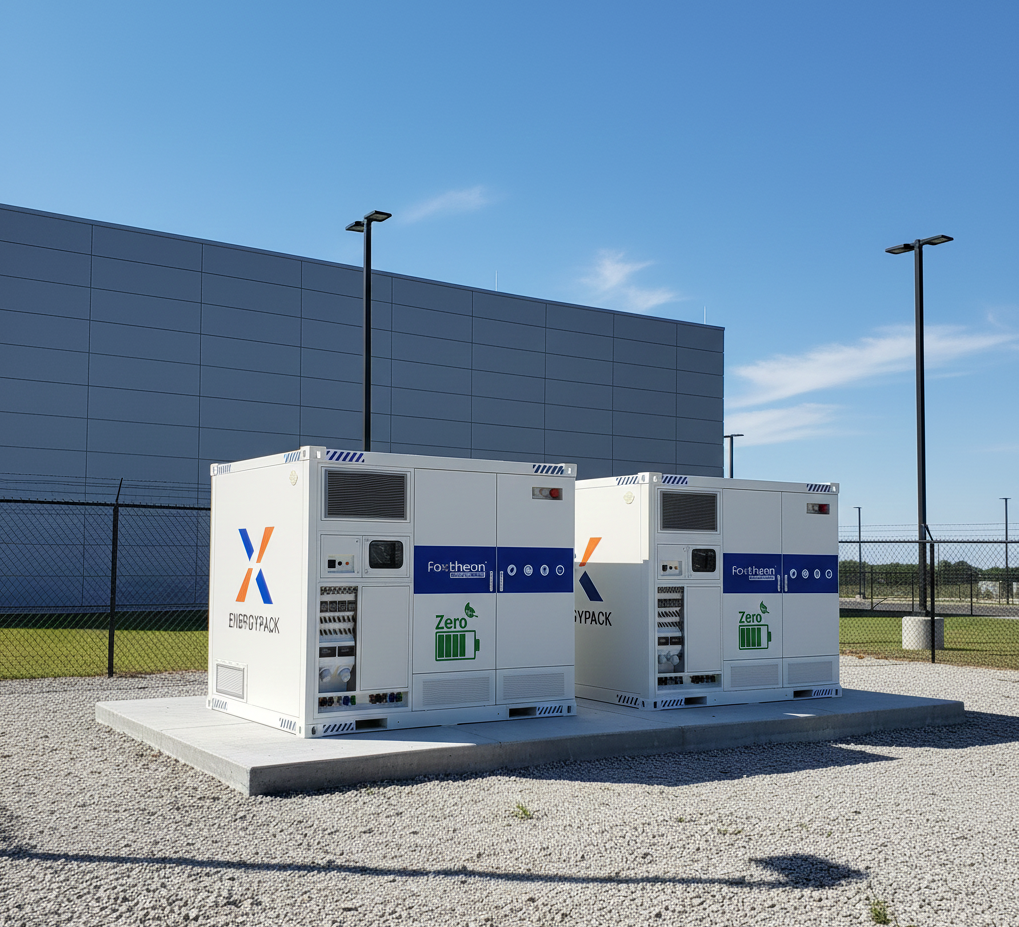
Foxtheon’s Approach to Remote Telecom Power
Foxtheon builds solutions with a focus on total lifecycle value. Their process begins with a detailed analysis of the site’s energy profile and environmental data. They engineer systems that are not just reliable, but also cost-effective to operate over a decade or more.
Their integrated packages often include their proprietary monitoring software, providing clients with deep insights and control. By acting as a technology-agnostic integrator, Foxtheon selects the best components for each specific challenge, whether in a tropical rainforest or an arid desert.
Looking Ahead: The Future of Off-Grid Power
The evolution continues. We are seeing the emergence of new technologies like hydrogen fuel cells for clean, long-duration backup. Artificial intelligence is making energy management systems even smarter, predicting failures before they happen.
The drive for greater efficiency and lower emissions will shape the next generation of solutions. The goal remains constant: to provide absolute power reliability for the world’s most critical communication links, no matter where they are located.
Powering a remote telecom base station is a demanding task that requires careful planning and robust execution. By implementing strategies focused on hybrid architecture, redundancy, smart technology, and strong partnerships, operators can achieve the required level of reliability.
The commitment to providing flawless mission critical power for remote telecom base station sites is what keeps networks online and communities connected. Working with experienced solution providers like Foxtheon helps translate these strategies into reality, ensuring connectivity thrives even in the most challenging corners of the globe.
Frequently Asked Questions (FAQs)
Q1: What does “mission critical” mean for a remote base station’s power?
A1: For a remote base station, “mission critical” means the power system is designed and built to guarantee near-100% uptime. Any failure would cause a complete communications blackout for the served area, making the power system as vital as the telecom equipment itself.
Q2: How does a hybrid system save money compared to just using generators?
A2: While the upfront cost is higher, a hybrid system saves significant operational expenditure (OpEx). It reduces diesel fuel consumption by 50-90%, slashing costly fuel delivery trips. It also reduces generator maintenance costs and extends the generator’s life by minimizing its runtime.
Q3: Why are lithium-ion batteries better than lead-acid for these applications?
A3: Lithium-ion batteries offer several advantages: longer lifespan (often 10+ years), higher efficiency, faster charging, a wider operating temperature range, and the ability to discharge more deeply without damage. They also require no regular maintenance, which is crucial for hard-to-reach sites.
Q4: Can I retrofit an existing generator-only site with solar hybrid power?
A4: Yes, retrofitting is a common and effective strategy. Existing generators are often kept as the backup source. Solar panels, new batteries, and an intelligent hybrid controller are added. This modernizes the site, cuts fuel costs, and improves reliability without requiring a complete overhaul.
Q5: What is the most common cause of power system failure in remote sites?
A5: Beyond component failure, the most common cause is often a lack of visibility and proactive maintenance. A failure might start with a degrading battery cell or a clogged generator air filter. Without remote monitoring, these issues go unnoticed until they cause a total system shutdown. Proactive data-driven management is key to prevention.