
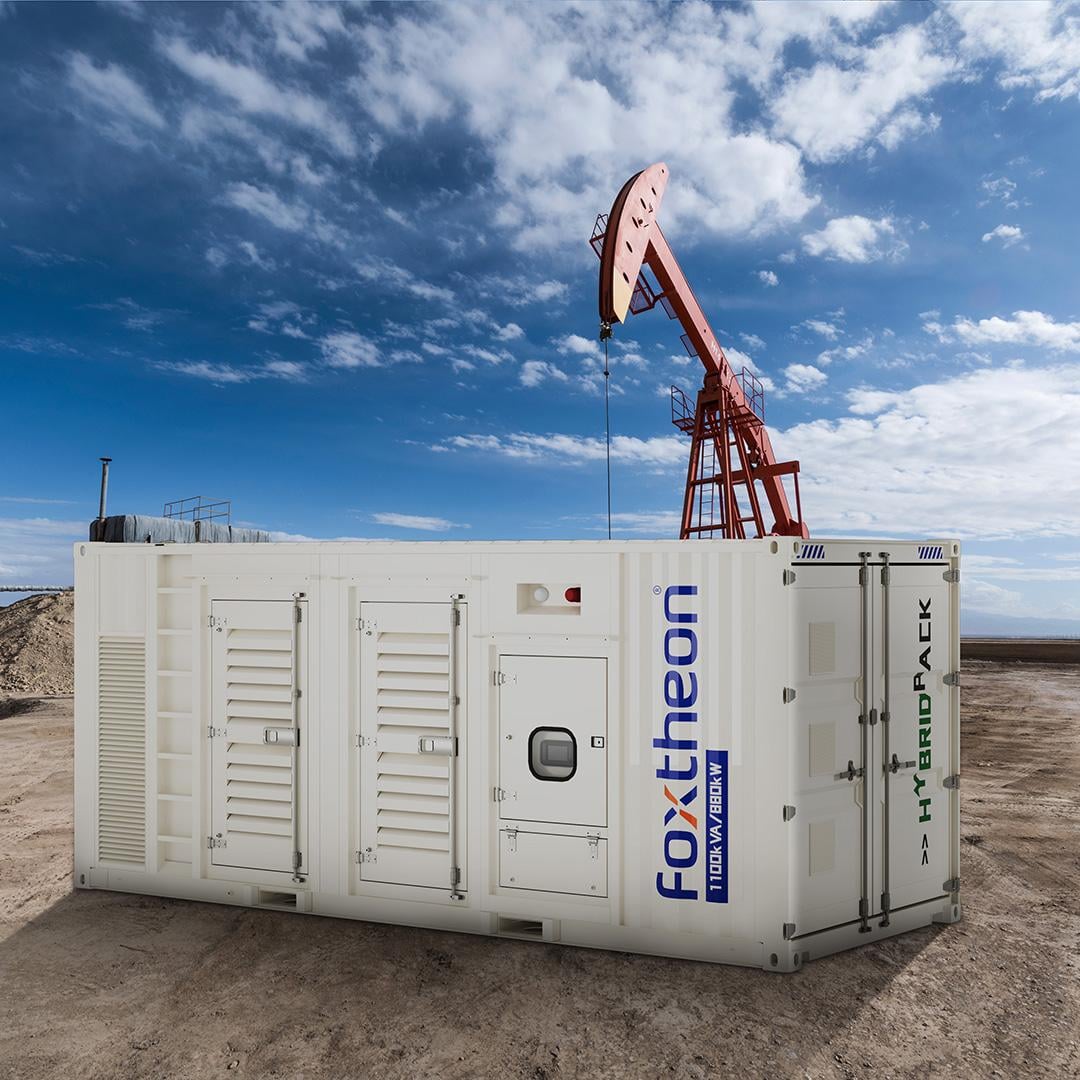
Project managers and facility operators know that temporary cooling is expensive. Whether it is keeping a massive tent cool for a summer music festival or managing heat loads during an industrial plant turnaround, the traditional method has always been the same: rent a large diesel generator and let it run.
However, the economics of energy are changing. Fuel prices fluctuate, and carbon regulations are tightening. This has opened the door for Battery Energy Storage Systems (BESS) to enter the rental market. But this isn’t just about being green; it is about the bottom line.
When we calculate the ROI of BESS for temporary cooling, the math often surprises industry veterans. By pairing batteries with generators, operators can drastically reduce fuel consumption, maintenance costs, and logistical headaches. Companies like Foxtheon are currently at the forefront of this shift, providing the hardware that makes these hybrid setups practical for the rental industry.
This analysis explores where the savings come from and how to determine if a battery hybrid solution yields a positive return for your specific cooling application.
The High Cost of Inefficiency in Traditional Cooling
To understand the savings, we first have to look at where the money is currently being wasted. Temporary cooling applications—specifically chillers and HVAC units—have highly variable load profiles.
A chiller might need a massive surge of power to start up (inrush current), but once it is running, it might only draw 40% or 50% of that power. Later in the evening, as ambient temperatures drop, that load might fall to 10% or 20%.
The Problem with Oversizing
In a standard setup, you have to rent a generator large enough to handle that initial startup spike. That means for the vast majority of the day, you are running a 500kVA generator to supply a 100kVA load.
Diesel engines hate low loads. Running a generator at less than 30% capacity leads to “wet stacking,” where unburned fuel accumulates in the exhaust system. This damages the engine, reduces lifespan, and increases fuel consumption relative to the power produced. You are effectively paying for capacity you aren’t using.
Calculating the ROI of BESS for Temporary Cooling
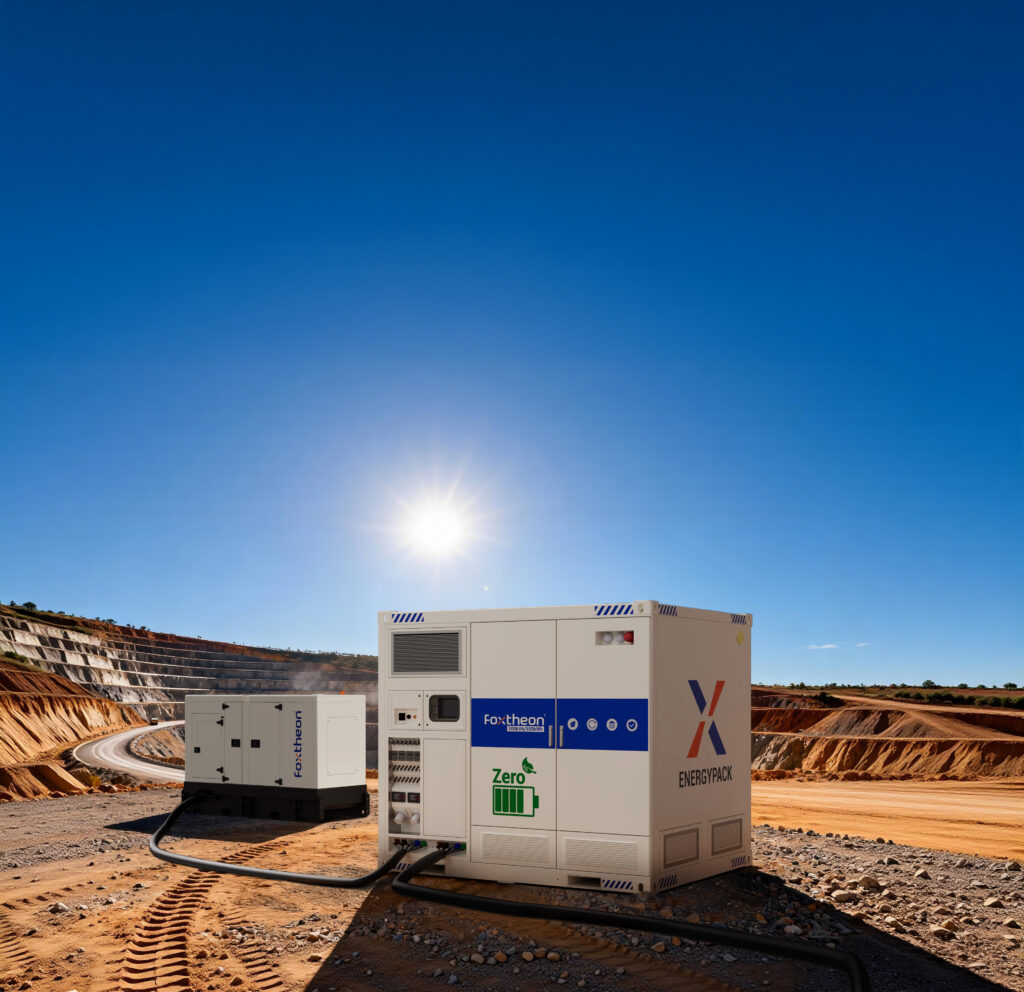
The return on investment comes from solving the oversizing problem. When you introduce a BESS unit into the loop, the battery handles the low loads and provides the extra kick needed for the chiller’s inrush current.
The generator is only called upon to recharge the battery or assist during peak sustained loads. When the generator does run, it runs at its optimal efficiency point (usually 80-90% load), charges the battery quickly, and then shuts off.
1. Direct Fuel Savings
This is the most immediate factor improving the ROI of BESS for temporary cooling. In many pilot projects and real-world applications, switching to a hybrid generator-battery model reduces diesel consumption by 40% to 60%.
If a standard temporary cooling project runs for three months during the summer, cutting the fuel bill in half often covers the rental cost of the BESS unit, with the remainder going straight to profit margins.
2. Reduced Engine Runtime and Maintenance
Maintenance costs for generators are calculated by runtime hours. A generator running 24/7 hits service intervals (oil changes, filter replacements) every few weeks.
With a BESS handling the load during the night or cooler parts of the day, the generator might only run for 4 to 6 hours a day. This extends the service interval significantly. Fewer mechanic visits mean lower labor costs and less downtime.
Operational Advantages Affecting the Bottom Line
ROI isn’t just about what you save on diesel; it is also about what you save on logistics and risk mitigation.
Handling Inrush Currents
One of the distinct technical advantages of Foxtheon energy storage systems is their ability to discharge power rapidly.
When an industrial chiller kicks on, the BESS provides the immediate surge of power required to get the compressor moving. This allows the site manager to downsize the generator. Instead of renting a 500kVA genset, you might get by with a 200kVA genset paired with a battery. Smaller generators are cheaper to rent and cheaper to transport.
Noise Reduction as a Value Proposition
In the events industry, silence is a commodity. Generators are loud. Placing them near a wedding tent or a movie set requires long cable runs to hide the noise, which increases copper cable rental costs and introduces voltage drop issues.
A BESS is silent. It can be placed right next to the cooling unit. This reduces cabling costs and allows event planners to charge a premium for “silent power” services, further improving the overall project ROI.
The Hidden Financial Impact of Emissions Regulations
We are moving past the point where sustainability is just a PR move. In many regions, particularly across Europe and parts of North America, strict emissions standards (like Tier 4 Final or Stage V) are mandatory.
Avoiding Carbon Penalties
Some municipalities now impose taxes on carbon emissions for construction and temporary projects, or they set strict caps on how much CO2 a project can emit. Exceeding these caps can result in heavy fines.
Using a hybrid system naturally lowers the carbon footprint. By integrating the ROI of BESS for temporary cooling into the bid strategy, rental companies can win contracts that specify low-emission requirements—contracts that traditional diesel-only competitors cannot fulfill.
Carbon Credits and Green Bidding
Beyond avoiding fines, there is the potential for gaining credits. Projects that can demonstrate a verified reduction in fuel usage are often eligible for green energy incentives. Furthermore, corporate clients with their own Net Zero goals are increasingly mandating green supply chains. Being able to offer a hybrid cooling solution positions a rental company as a premium provider.
Analyzing the Lifecycle Cost
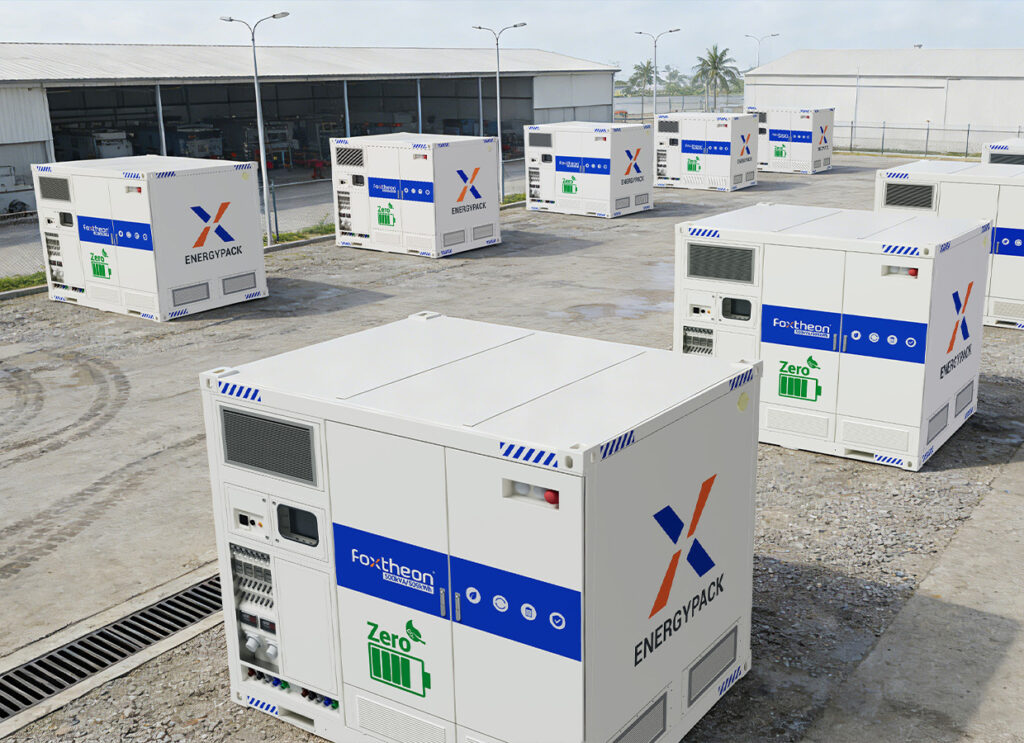
When considering purchasing BESS units for a rental fleet, rather than sub-renting them, the ROI calculation shifts to the total cost of ownership (TCO).
Lithium-iron-phosphate (LFP) batteries, which are standard in modern units from manufacturers like Foxtheon, have long cycle lives (often 6000+ cycles). A well-maintained BESS can outlast a diesel generator in terms of operational years before major overhaul is needed.
Residual Value
Diesel generators depreciate based on hours run. Because a hybrid system reduces the generator’s runtime, the resale value of the generator remains higher for longer. The BESS itself maintains value well, as the battery modules can often be repurposed or recycled at the end of their heavy-duty life.
Case Scenarios: When Does the Math Work?
Not every temporary cooling job needs a battery. If the load is constant and high (near 100%) 24 hours a day, a properly sized generator is efficient enough. The ROI of BESS for temporary cooling shines in specific scenarios:
Scenario A: The Music Festival
The Load: High during the day (sound, lights, cooling hot tents), very low at night (security lights, refrigeration).
The Old Way: A massive generator runs 24/7, mostly idling at night, burning fuel and glazing the engine cylinder walls.
The Hybrid Way: The generator runs during the main show. The BESS takes over silently at night.
Result: 50% fuel saving, zero noise complaints at night.
Scenario B: Office Building AC Retrofit
The Load: Cooling needed from 8 AM to 6 PM. Minimal load at night.
The Old Way: Generator idles all night or requires manual startup/shutdown every day.
The Hybrid Way: BESS handles early morning starts and late evening loads. The generator operates on an auto-start signal only when the battery is low.
Result: Significant reduction in labor (no manual switching) and fuel.
Implementation Challenges and Considerations
To truly realize the ROI, the system must be sized correctly. A battery that is too small will drain too quickly, causing the generator to cycle on and off constantly (short-cycling), which is bad for the engine.
Data is your friend here. Modern smart energy solutions allow for remote monitoring. You can see exactly what the load profile looks like and adjust the generator start/stop thresholds remotely. This data-driven approach prevents fuel theft and ensures the system operates at peak efficiency.
The transition to hybrid power for temporary climate control is not a trend; it is a financial correction. The inefficiencies of running diesel engines at low loads have been accepted for too long simply because there was no viable alternative.
Today, the ROI of BESS for temporary cooling is proven through reduced fuel spend, lower maintenance costs, and the ability to meet strict environmental tenders. While the upfront rental or purchase cost of a BESS adds a line item to the quote, the operational savings usually eclipse this cost within weeks of operation.
Companies that adopt these technologies now, utilizing robust platforms like those offered by Foxtheon, will find themselves with a competitive advantage. They will offer quieter, cleaner, and cheaper power—a combination that the market is aggressively demanding.
Frequently Asked Questions
Q1: How does a BESS help with the high inrush current of air conditioners?
A1: Air conditioners and chillers require a large spike of power to start their compressors (often 3-5 times their running wattage). A BESS can instantly discharge a high amount of current to meet this demand, allowing you to use a smaller generator that is sized for the running load rather than the starting spike.
Q2: What is the typical fuel saving when using BESS for temporary cooling?
A2: While it varies based on the load profile, most variable-load projects (like events or comfort cooling) see fuel savings between 40% and 60%. The more variable the load, the higher the savings.
Q3: Does adding a BESS make the setup more complicated to operate?
A3: Modern systems are designed to be “plug and play.” They usually manage the generator automatically via a remote start connection. Once the parameters are set, the system manages the switching between battery and generator without manual intervention.
Q4: Can the ROI of BESS for temporary cooling be positive for short-term rentals?
A4: Yes, but it depends on fuel prices and logistics. For very short events (1-2 days), the logistics cost of transporting the battery might outweigh fuel savings. However, for rentals lasting one week or longer, the fuel savings typically justify the additional equipment cost.
Q5: How does temperature affect the performance of the BESS itself?
A5: Extreme heat or cold can affect battery performance. However, high-quality industrial BESS units come with their own internal thermal management systems (liquid cooling or HVAC) to keep the battery cells at an optimal temperature, ensuring consistent performance even in harsh environments.