
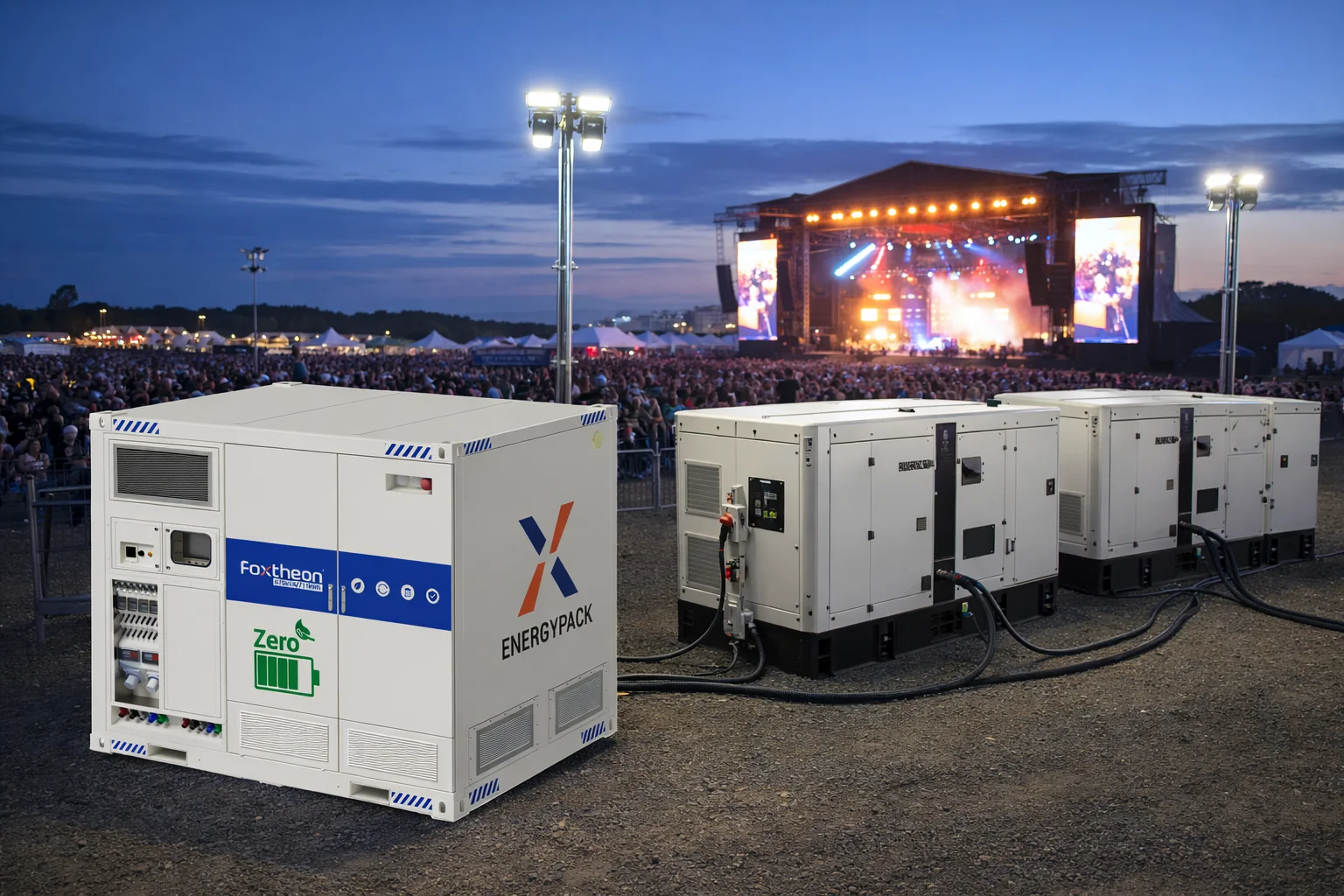
The industrial sector is undergoing a massive shift in how it approaches off-grid energy generation. Driven by strict environmental compliance mandates, internal corporate sustainability targets, and the rising cost of fuel logistics, site operators are actively seeking advanced energy architectures. Modern infrastructure projects, remote mining operations, and large-scale telecommunication networks require reliable, high-capacity electricity. Historically, this demand was met entirely by continuously running internal combustion engines. However, to meet modern environmental standards, engineers are now focusing on deploying eco-friendly site power solutions that integrate seamlessly with existing mechanical infrastructure.
This integration focuses on constructing localized hybrid microgrids. By combining high-density energy storage, sophisticated power electronics, and traditional kinetic generation, operators can dramatically reduce their carbon footprint, lower operational expenditures (OpEx), and protect their existing asset investments. This technical analysis examines the engineering principles, operational advantages, and strategic deployment of hybrid energy solutions in demanding industrial environments.
The Operational Realities of Off-Grid Energy Generation
Understanding the necessity for advanced energy integration requires an analysis of typical industrial load profiles. Very few off-grid applications present a steady, predictable load. Instead, site demand is highly dynamic. For example, a commercial construction site may experience massive transient load spikes when tower cranes operate or heavy dewatering pumps activate. To prevent voltage sags and frequency drops, the primary alternator must be sized to handle these maximum peak loads.
Consequently, during off-peak hours—such as overnight shifts where the load drops to minor security lighting and IT infrastructure—the prime power asset operates at a tiny fraction of its rated capacity. Running high-capacity mechanical engines at low loads (typically below 30%) creates severe mechanical and thermal inefficiencies. Exhaust gas temperatures fail to reach the threshold required for passive regeneration in the Diesel Particulate Filter (DPF). This leads to wet stacking, carbon buildup, increased fuel consumption per kilowatt-hour generated, and excessive particulate emissions.
Implementing eco-friendly site power directly addresses this mismatch by introducing a strategic buffer between the power generation source and the site load.
Defining Hybrid Integration in Industrial Contexts
The transition toward cleaner energy does not mean discarding highly reliable mechanical prime movers. On the contrary, it involves optimizing their runtimes. A true hybrid microgrid utilizes multiple components working in automated synchronization.
Battery Energy Storage Systems (BESS)
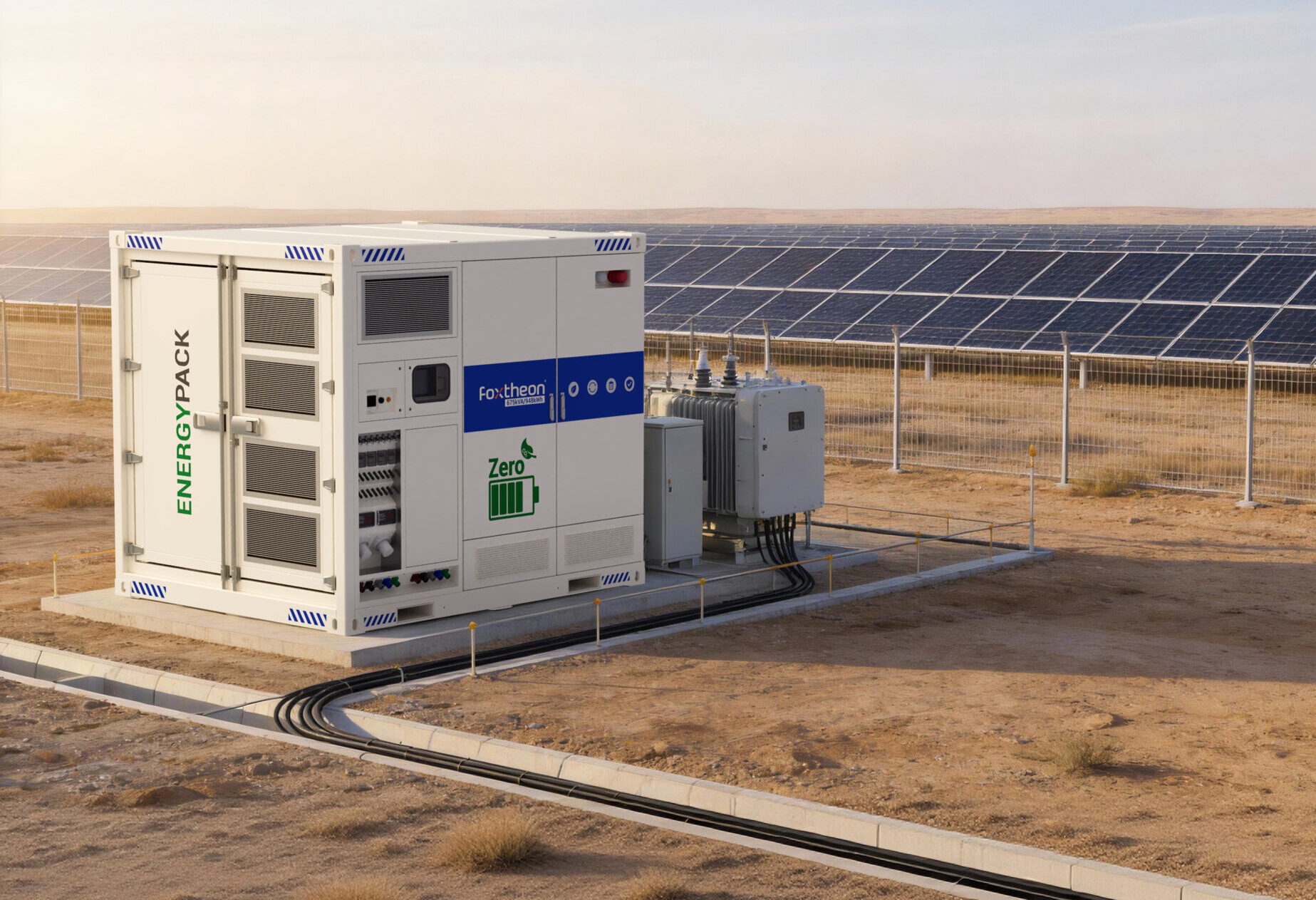
Industrial-grade energy storage forms the foundation of modern power architecture. Utilizing advanced cell chemistries, such as Lithium Iron Phosphate (LiFePO4), these systems offer high thermal stability, deep depth of discharge (DoD) capabilities, and extensive cycle life. A high-performance BESS absorbs excess energy when the primary engine is running efficiently and discharges that energy autonomously when site demand is low. Industry leaders in smart energy management, such as Foxtheon, engineer these storage units with ruggedized enclosures to withstand harsh ambient conditions, ensuring reliable operation across diverse geographical zones.
Advanced Power Management Systems (PMS)
The intelligence of any hybrid system resides in its central controller and power electronics. Modern bi-directional inverters and grid-forming controllers actively monitor the site’s load profile in milliseconds. They perform predictive dispatch, phase synchronization, and active load sharing. When an induction motor starts and demands high inrush current, the inverter instantly discharges battery power to handle the transient spike. This instantaneous response eliminates the need to oversize the mechanical alternator, allowing for a leaner, more efficient overall system design.
Overcoming Industry Pain Points with Hybridization
Deploying eco-friendly site power yields measurable technical and financial advantages. By restructuring how power is dispatched, facility managers and engineers can resolve several persistent operational challenges.
- Thermal Management and DPF Protection: By assigning the low-load overnight duties entirely to the battery storage system, the mechanical engine is completely shut down during off-peak hours. When the engine is called to run, it does so at optimal thermal capacity (e.g., 70% to 85% load), ensuring exhaust temperatures remain high enough to keep aftertreatment systems clean and functional.
- Fuel Logistics and Consumption: Reducing engine runtime directly curtails fuel consumption. In remote deployments, the cost of transporting diesel can frequently exceed the cost of the fuel itself. Hybrid configurations can reduce daily fuel burn by 30% to 50%, proportionally reducing the logistical burden and associated transport emissions.
- Noise and Emission Compliance: Urban infrastructure projects face stringent municipal noise ordinances. Hybrid systems enable silent, zero-emission operation during nighttime hours, ensuring strict compliance with local regulations without interrupting site productivity.
- Voltage and Frequency Stabilization: Sensitive electronic equipment, telemetry systems, and modern variable frequency drives (VFDs) require high power quality. Advanced BESS inverters filter harmonic distortion and actively manage reactive power (kVAR), delivering a stable, pure sine wave to the site load.
Data-Driven Architecture: The Role of Load Profiling
Deploying successful energy infrastructure begins with rigorous data collection. Load profiling involves installing data loggers to measure active power (kW), apparent power (kVA), phase balance, and harmonic distortion over a representative operational period.
Analyzing this data allows engineers to appropriately size the energy storage capacity and the required inverter throughput. For instance, if data reveals a site requires a continuous 15 kW base load for 10 hours overnight, engineers can deploy a BESS with at least 150 kWh of usable capacity. This mathematical approach to system design guarantees that the implementation of eco-friendly site power meets specific operational targets, preventing both under-sizing (which leads to premature engine starts) and over-sizing (which inflates initial capital expenditure).
Maximizing Return on Existing Mechanical Assets
For power equipment rental companies and large fleet operators, asset longevity dictates profitability. Integrating energy storage into rental fleets is a strategic maneuver to protect residual value.
When clients rent prime power equipment and run it improperly at low loads, the rental provider often bears the cost of DPF cleaning, oil degradation, and accelerated engine wear. By packaging standard assets with intelligent storage solutions, fleet operators mathematically protect their engines from low-load abuse. The controller simply will not allow the engine to idle inefficiently. This integration extends the calendar time between required service intervals—such as oil changes and top-end overhauls—thereby keeping the equipment deployed in the field generating revenue rather than sitting in the maintenance bay. Solutions engineered by Foxtheon provide channel partners with a premium, reliable package that enhances their market offering.
Sector-Specific Applications
The versatility of hybrid microgrids allows them to be adapted for highly specialized industrial sectors, each benefiting from distinct operational synergies.
Remote Mining and Resource Extraction
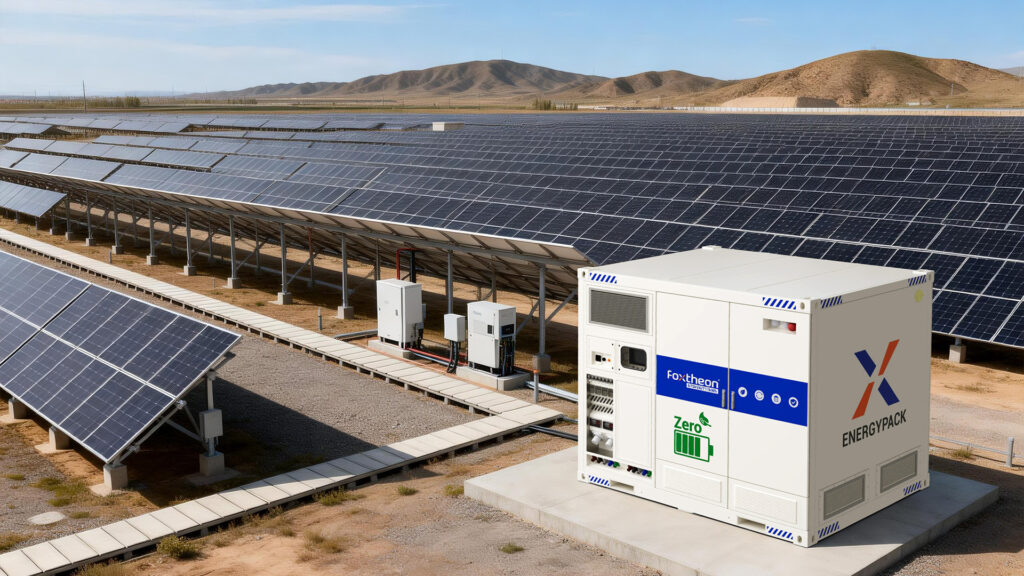
Mining operations are frequently situated in extreme environments with limited access to bulk infrastructure. Altitude derating can significantly impact the performance of mechanical engines. By deploying robust eco-friendly site power systems, operators establish a reliable energy buffer. The battery systems absorb regenerated power from heavy lifting equipment (like hoists or downhill conveyors) and redistribute it, maximizing the energetic yield of every liter of fuel delivered to the site.
Telecommunications and Data Nodes
Cellular base stations require absolute reliability; power interruptions result in dropped networks and lost revenue. Integrating hybrid battery systems provides instantaneous failover. During maintenance cycles or minor mechanical faults, the battery assumes the entire site load seamlessly, providing a zero-millisecond transfer time that keeps sensitive network switches online.
Civil Construction and Municipal Projects
As cities enforce stricter low-emission zones, construction firms must adapt their operational methodologies. Hybrid power allows contractors to run high-load machinery during the day while relying strictly on battery reserves for overnight curing blankets, dewatering pumps, and security surveillance. This strategy not only satisfies municipal regulators but also significantly improves the working environment for on-site personnel by eliminating localized diesel exhaust fumes and mechanical noise.
Environmental Reporting and Telemetry
Corporate governance increasingly requires strict auditing of greenhouse gas (GHG) emissions. To meet Scope 1 emission reduction targets, operators need empirical data. Modern hybrid systems are equipped with integrated telemetry and cloud-based monitoring dashboards.
These sophisticated platforms log every kilowatt-hour generated, stored, and consumed. Facility managers can extract automated reports detailing the exact volume of fuel saved and the corresponding metric tons of CO2 offset. Advanced systems from Foxtheon empower organizations to accurately verify their environmental compliance to stakeholders, proving that their operations align with global sustainability benchmarks.
The demand for reliable, high-capacity off-grid electricity will continue to grow, but the methodology of power delivery must evolve. By engineering systems that prioritize load optimization, phase synchronization, and thermal efficiency, industries can construct highly resilient microgrids. The strategic deployment of eco-friendly site power leverages the rapid response of advanced battery storage to perfectly complement the raw endurance of mechanical generation. This synergy maximizes asset lifecycles, drastically reduces fuel logistics, and ensures stringent environmental compliance. For industrial operators, embracing intelligent hybrid integration is a required engineering progression to maintain operational efficiency and financial viability in a heavily regulated future.
Frequently Asked Questions (FAQ)
Q1: What is the main advantage of deploying eco-friendly site power over running a standard generator 24/7?
A1: The primary advantage is the optimization of load management. Running a mechanical engine 24/7, especially during low-demand night shifts, leads to poor fuel efficiency and severe engine wear due to wet stacking. A hybrid system handles the low loads using battery power, allowing the engine to shut down completely and only run when it can operate at its peak thermal efficiency.
Q2: How does a Battery Energy Storage System (BESS) handle massive transient loads, like starting a large motor?
A2: A BESS utilizes bi-directional inverters that can discharge stored energy within milliseconds. When a large motor starts, causing a massive inrush current demand, the inverter instantly supplies the required reactive power and amperage. This prevents voltage sags and eliminates the need to heavily oversize the primary mechanical alternator.
Q3: Will integrating hybrid power systems complicate my equipment rental fleet maintenance?
A3: No, it actively reduces maintenance complications. By preventing low-load idling, hybrid systems protect the Diesel Particulate Filter (DPF) from clogging and extend the calendar time between routine oil and filter changes. The automated controllers handle the switching and synchronization, so site operators do not need to manually intervene.
Q4: Can eco-friendly site power systems operate in extreme weather conditions typically found on mining or construction sites?
A4: Yes. Industrial-grade hybrid systems are constructed with robust, weather-resistant enclosures (often IP54 or IP65 rated) to protect against dust and moisture. They also feature active thermal management systems, such as liquid cooling or integrated HVAC, which maintain the battery cells and internal electronics at optimal operating temperatures regardless of extreme external heat or cold.
Q5: How do I know what size of battery storage system my site requires?
A5: Proper sizing requires load profiling. Energy engineers install data loggers to record your site’s power demand over several days or weeks, measuring the peak load (kW), the off-peak base load, and the total energy consumption (kWh). The battery capacity and inverter size are then mathematically calculated to handle your specific off-peak duration and transient load spikes effectively.