

Industrial facilities and commercial buildings face constantly rising utility bills. Demand charges often make up the largest portion of these monthly expenses. Facility managers need intelligent solutions to control these sudden spikes in power consumption.
A highly responsive BESS for peak shaving algorithm addresses this exact financial problem. It monitors facility energy usage in real time and deploys battery power precisely when demand threatens to exceed pre-set utility thresholds. By doing so, it keeps the grid draw strictly below expensive penalty levels.
International smart energy solutions depend on both robust hardware and highly intelligent software to function correctly. Brands like Foxtheon build advanced systems that perfectly marry battery technology with responsive software controls. This combination ensures that operations continue running smoothly while maximizing overall energy savings.

The Core Mechanics of the BESS for Peak Shaving Algorithm
Understanding how a BESS for peak shaving algorithm operates requires looking at data flow. The software acts as the central brain of the entire battery energy storage system. It continuously communicates with power meters connected to the main grid feed.
When the algorithm detects a sudden surge in factory equipment usage, it calculates the required offset. It then commands the battery inverters to push stored power into the facility’s internal network. This instant reaction effectively masks the power spike from the local utility company.
Implementing a BESS for peak shaving algorithm involves several critical steps:
Real-time load sensing at the facility’s main electrical panel.
Millisecond-level calculations to determine necessary power output.
Direct commands sent to the battery management system (BMS).
Continuous adjustment of discharge rates as the load fluctuates.
Dynamic Load Monitoring
Facilities never consume power at a steady, unchanging rate. Heavy machinery starts up, HVAC systems kick on, and production lines accelerate. Dynamic load monitoring captures all these sudden changes without delay.
The system uses high-speed sensors to feed data back to the central controller. A reliable algorithm processes this information instantly to prevent utility demand meters from registering the spike.
Predictive Data Analysis
Modern software does more than just react to current conditions. It uses historical data to predict when peak loads will likely occur. This forward-looking approach gives the system time to prepare the batteries for optimal discharge.
Engineers program these systems to recognize daily, weekly, and seasonal patterns. The software also pulls in external factors like weather forecasts to anticipate heating or cooling demands before they actually happen.
Why Facilities Need a BESS for Peak Shaving Algorithm
Utility companies structure commercial energy bills differently than residential ones. They charge businesses a premium for the highest 15-minute interval of power used during a billing cycle. This means a single, brief surge can inflate the entire month’s bill dramatically.
A properly configured BESS for peak shaving algorithm targets these specific 15-minute windows. It shaves off the top of the consumption peak, saving companies thousands of dollars monthly. Facilities maintain their aggressive production schedules without incurring massive financial penalties.
Immediate Financial Reductions
The primary motivation for installing smart battery systems revolves around direct cost savings. By capping the maximum grid draw, businesses see an immediate drop in their utility invoices. The savings compound significantly over the operational life of the equipment.
Administrators can redirect these saved funds into other critical business areas. This rapid reduction in operational expenditure drastically shortens the payback period for the initial battery hardware investment.
Enhanced Grid Stability Support
Power grids struggle under the weight of simultaneous industrial demand. When multiple factories draw heavy loads concurrently, grid operators face voltage drops and potential blackouts.
By utilizing a BESS for peak shaving algorithm, facilities actively reduce their strain on the public infrastructure. Utility companies value this localized load management, as it prevents grid degradation and reduces the need to activate dirty peaker power plants.
Key Features of an Advanced BESS for Peak Shaving Algorithm
Not all energy software performs at the same level of efficiency. Top-tier software contains distinct features that separate it from basic control logic. Industry leaders like Foxtheon integrate complex functionalities into their controllers to handle unpredictable environments.
A highly capable BESS for peak shaving algorithm must balance aggressive cost savings with equipment preservation. It needs to know exactly when to push the batteries to their limit and when to conserve energy for a later, more expensive demand spike.
Important software features include:
Automated learning capabilities that adapt to new factory equipment.
Customizable threshold settings based on current utility tariffs.
Deep integration with existing solar or wind generation setups.
Remote monitoring dashboards for facility managers.
Machine Learning Integration
Static programming struggles to handle the chaotic nature of modern manufacturing. Machine learning allows the software to improve its predictive models automatically over time. It notices subtle shifts in consumption behavior and adjusts its discharge strategy accordingly.
This continuous optimization ensures the system never becomes obsolete. As the facility grows and adds new machinery, the algorithm maps out the new energy footprint without requiring manual reprogramming.
Battery Degradation Prevention
Aggressive discharging generates heat and degrades lithium-ion cells prematurely. A sophisticated BESS for peak shaving algorithm protects the physical hardware while performing its primary duties. It carefully manages the state of charge (SOC) and state of health (SOH).
The system regulates discharge speeds to keep internal cell temperatures within a safe operating window. By preventing extreme stress on the battery packs, the software guarantees a longer lifespan for the entire physical installation.
Seamless Inverter Communication
The central controller must speak the exact language of the power inverters. Low-latency communication ensures that the physical hardware reacts to the software’s commands instantly. Any delay between detection and discharge results in a missed peak and a higher utility bill.
Developers spend extensive time refining these communication protocols. They build redundancies into the system so that a minor sensor glitch does not disable the entire peak shaving operation.
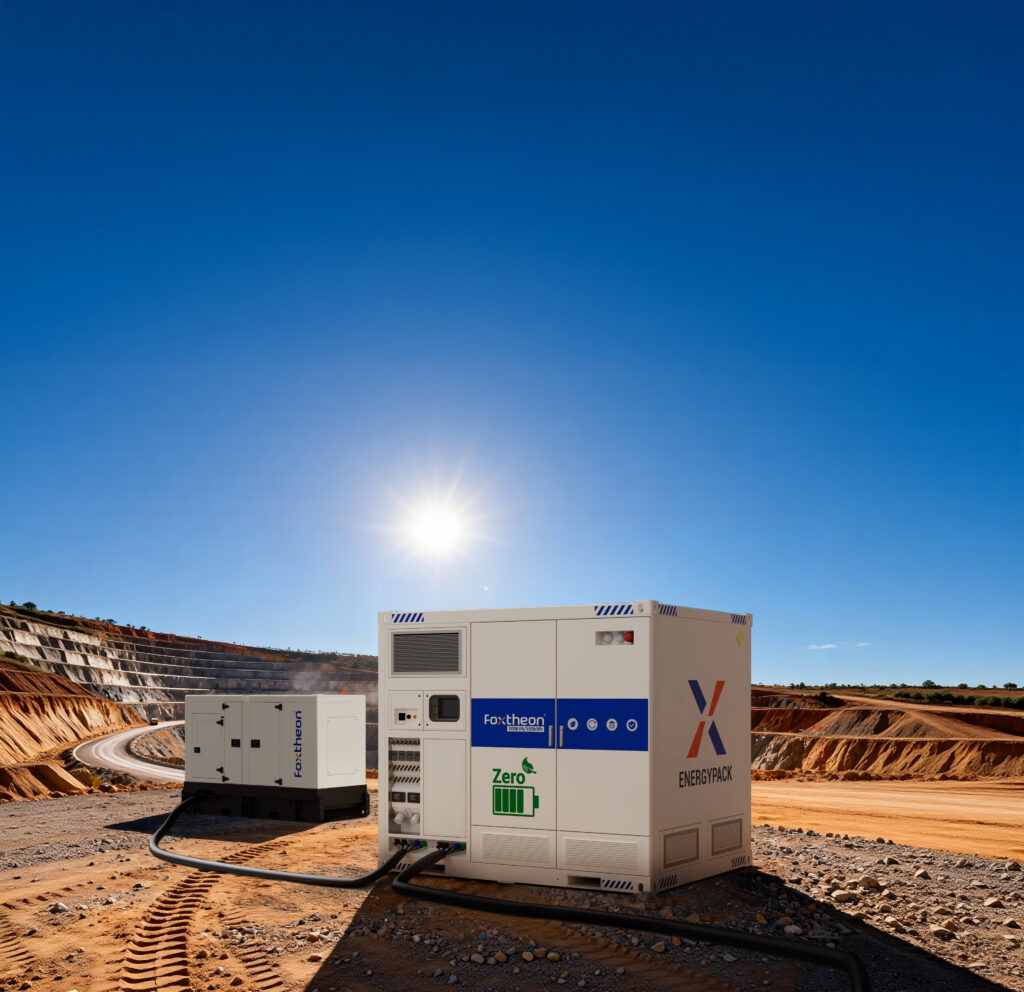
Implementing a BESS for Peak Shaving Algorithm
Deploying this technology requires careful planning and precise execution. Facility managers must conduct thorough energy audits before selecting the appropriate hardware and software combination. The audit reveals the true size and frequency of the operational power spikes.
Engineers match the audit data with a properly sized battery system. They then configure the BESS for peak shaving algorithm to match the specific rate structures of the local utility provider.
Assessing Facility Power Needs
Data loggers track the facility’s power consumption for several weeks to establish a baseline. Analysts review this information to identify the absolute highest peaks. This step dictates the required power rating (kW) and energy capacity (kWh) of the storage system.
Choosing too small a battery leaves the facility exposed to penalties during extended peak periods. Choosing an oversized system inflates the initial capital cost unnecessarily.
Integration with Existing Systems
Most modern facilities already utilize building management systems (BMS) or supervisory control and data acquisition (SCADA) networks. The peak shaving software must integrate cleanly into these existing frameworks.
This synchronization prevents conflicting commands between different operational technologies. It allows managers to view all energy metrics through a single, unified interface rather than juggling multiple disconnected dashboards.
Overcoming Challenges with a BESS for Peak Shaving Algorithm
Integrating large-scale energy storage into active industrial sites presents distinct technical hurdles. An adaptable BESS for peak shaving algorithm navigates these complexities by maintaining flexible operational parameters. It handles variable variables that would confuse simpler logic controllers.
The software seamlessly manages the chaotic interaction between local renewable energy generation and massive industrial loads. It ensures the facility remains compliant with strict utility contracts.
Managing Renewable Intermittency
Many commercial buildings now feature rooftop solar arrays. Solar power production drops instantly when clouds pass overhead. If heavy machinery runs during a sudden drop in solar output, the grid draw spikes aggressively.
The software algorithm instantly bridges this gap. It detects the falling solar production and ramps up battery discharge simultaneously. This action smooths out the power supply curve perfectly.
Avoiding Demand Response Penalties
Some utilities mandate participation in demand response events during local grid emergencies. Facilities must curtail their usage or face heavy fines. The peak shaving software manages these specific events automatically.
It switches the facility to battery power the moment the utility sends the curtailment signal. Operations continue normally, and the company completely avoids the punitive fees associated with non-compliance.
Measuring the ROI of a BESS for Peak Shaving Algorithm
Financial executives require hard data to justify large infrastructure investments. The financial performance of a BESS for peak shaving algorithm is highly measurable and predictable. Accurate software reporting makes it easy to calculate the exact return on investment.
System dashboards track every kilowatt-hour saved and multiply it by the specific utility demand rate. Managers generate detailed monthly reports demonstrating the exact dollar amount preserved by the system.
Capital Expenditure vs Operational Savings
Businesses weigh the initial purchase price of the battery hardware against the projected monthly savings. A highly tuned algorithm maximizes the monthly savings, thereby shrinking the time it takes to break even.
Once the system pays for itself, the monthly demand charge reductions turn into pure profit for the business. This long-term financial benefit makes smart battery storage one of the most attractive facility upgrades available.
Available Subsidies and Incentives
Many governments offer tax credits and rebates for installing intelligent energy storage. These programs specifically reward systems that reduce stress on the public grid. The BESS for peak shaving algorithm directly fulfills the requirements for these lucrative financial incentives.
Grants lower the barrier to entry for smaller industrial operations. They allow mid-sized factories to afford the exact same advanced software that massive corporations utilize.
The Future of the BESS for Peak Shaving Algorithm
The energy storage industry moves quickly, and software capabilities expand every year. Future iterations of the BESS for peak shaving algorithm will rely heavily on edge computing. Processing data locally at the battery site reduces latency to near zero.
We will also see deeper integration with artificial intelligence. These upcoming systems will trade energy autonomously on wholesale markets when they are not actively shaving facility peaks. This dual-purpose functionality will generate new revenue streams for facility owners.
As battery technology becomes denser and more affordable, intelligent software will remain the true differentiator in the market. Companies that adopt these advanced control strategies early will gain a massive competitive edge over slower-moving rivals.
Controlling industrial electricity costs requires more than just buying bulk batteries; it requires a highly responsive brain to manage them. A well-engineered BESS for peak shaving algorithm provides the exact intelligence needed to outsmart complex utility rate structures. It protects facilities from crippling demand charges while simultaneously prolonging the lifespan of the storage hardware.
By trusting reputable manufacturers like Foxtheon, businesses secure robust solutions tailored to their specific operational needs. Implementing a powerful BESS for peak shaving algorithm today guarantees a leaner, more resilient, and highly profitable energy strategy for tomorrow.
Frequently Asked Questions
Q1: What is a BESS for peak shaving algorithm?
A1: A BESS for peak shaving algorithm is specialized software that controls a battery energy storage system. It monitors a facility’s real-time electricity usage and automatically discharges battery power during periods of high demand. This action prevents the facility from drawing excess power from the utility grid, thereby avoiding expensive demand charge penalties.
Q2: How does a BESS for peak shaving algorithm save a facility money?
A1: Utility companies charge commercial and industrial businesses based on their highest usage spike, known as a demand charge. The algorithm limits how much power the facility pulls from the grid during heavy operational loads. By artificially lowering this peak grid draw with battery power, the software drastically reduces the monthly utility bill.
Q3: Can a BESS for peak shaving algorithm work alongside solar panels?
A1: Yes, the algorithm works exceptionally well with solar installations. When solar production suddenly drops due to weather, the algorithm instantly commands the batteries to discharge. This seamless transition covers the power gap and prevents an unexpected spike in grid consumption.
Q4: Do I need a massive industrial facility to benefit from a BESS for peak shaving algorithm?
A1: Not necessarily. Any commercial building that experiences sudden spikes in energy usage and pays demand charges can benefit. This includes mid-sized manufacturing plants, large retail centers, data centers, and facilities with extensive EV charging stations.
Q5: How does the algorithm protect the lifespan of the battery system?
A1: A smart algorithm does not just discharge power blindly; it constantly monitors the battery’s health. It limits the depth of discharge, throttles the rate of energy release to control temperatures, and prevents overcharging. These protective measures prevent cell degradation and ensure the hardware lasts for many years.