
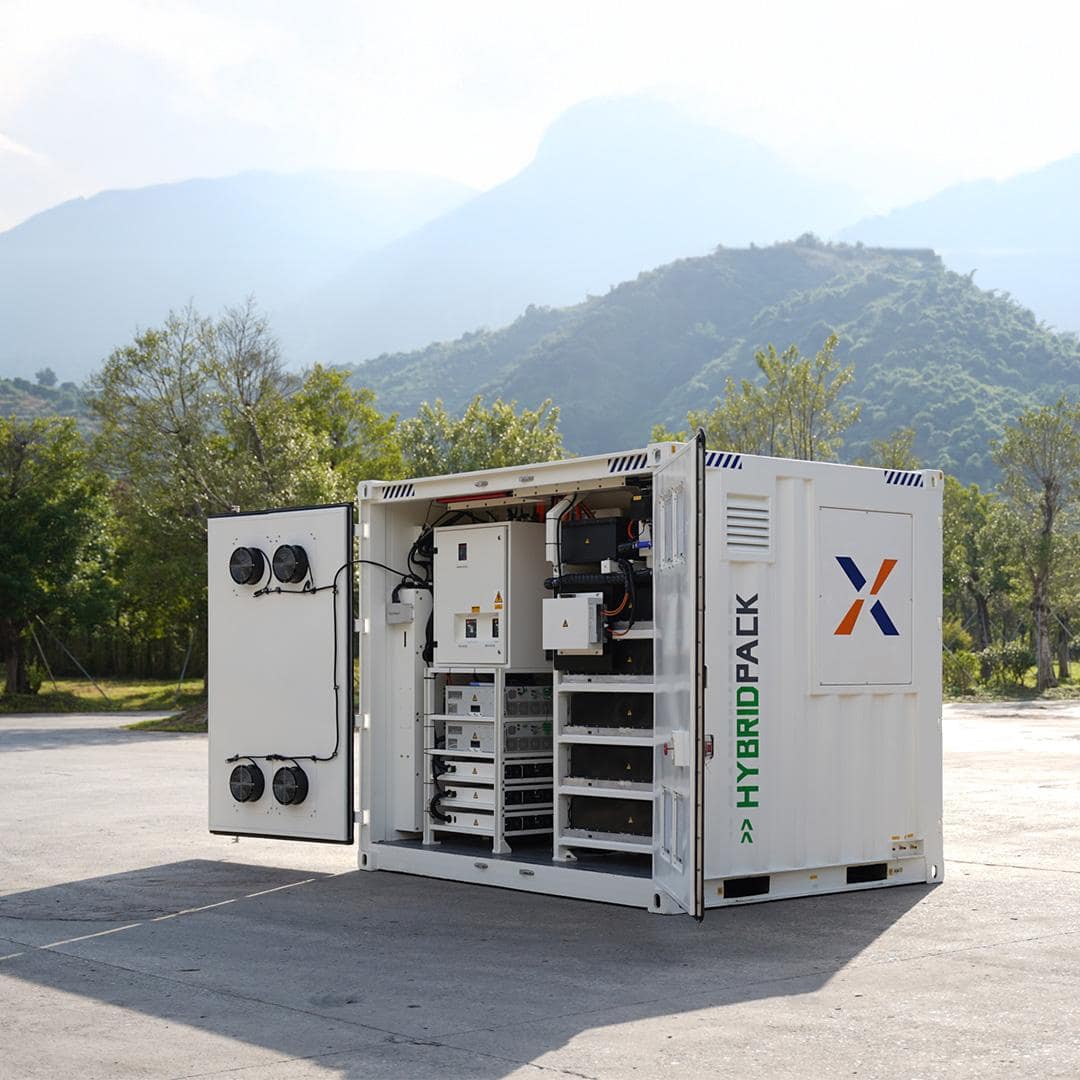
Living or operating in a location without traditional utility power is no longer a limitation. Off-grid Battery Energy Storage Systems (BESS) are transforming how we access electricity in remote areas, for industrial sites, and for those seeking complete energy independence. An off-grid BESS solution is the cornerstone of a self-sufficient power network.
Unlike grid-tied systems, an off-grid BESS operates in isolation. It seamlessly integrates with renewable sources like solar or wind, stores the generated energy, and delivers reliable power on demand, 24/7. For industries, communities, and projects beyond the reach of power lines, this technology is a game-changer. Companies like Foxtheon are at the forefront, engineering robust off-grid energy storage systems for the most demanding environments.
This article explores the critical applications, benefits, and considerations for implementing a standalone power system.
Understanding the Core: What is an Off-Grid BESS?
An off-grid BESS is a complete, self-contained power plant. Its primary function is to store electrical energy for use when renewable generation is low or demand is high. The system must be meticulously sized and designed to meet all connected loads without any fallback to a public grid.
The core components include:
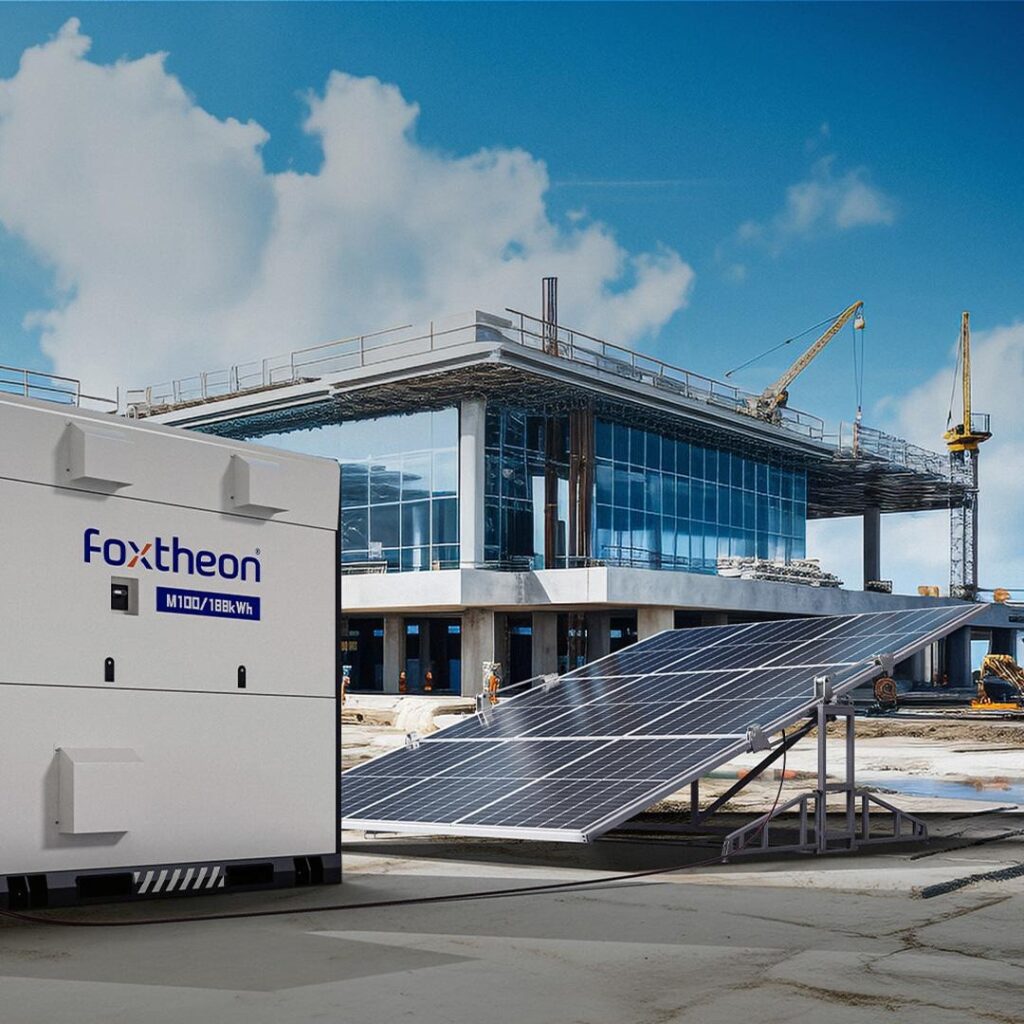
Generation Source: Typically solar PV arrays or wind turbines.
Charge Controller: Regulates power flow from generators to batteries.
Battery Bank: The heart of the solution, where energy is stored (often using LiFePO4 chemistry for longevity).
Inverter: Converts stored DC battery power to usable AC power for appliances and equipment.
System Controller: The brain that manages energy flow, prioritizes loads, and protects components.
This integrated setup ensures a continuous and stable power supply, making it a vital standalone power system.
Key Applications of Off-Grid BESS Solutions
The versatility of off-grid battery storage drives its adoption across diverse sectors.
Remote Industrial and Mining Operations
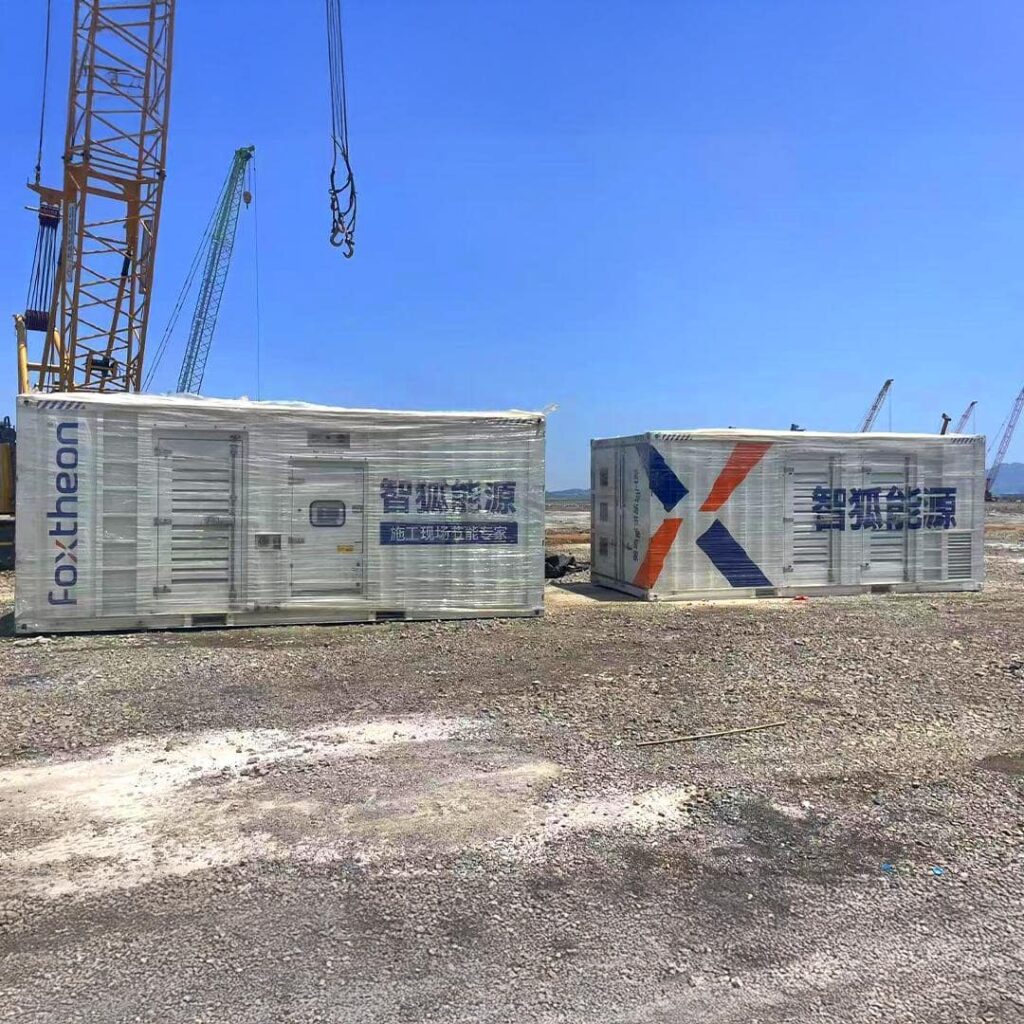
Mining sites, agricultural processing plants, and oil & gas installations are often in isolated locations. An industrial off-grid BESS provides dependable power for heavy machinery, camp facilities, and communication systems, drastically reducing diesel fuel costs and emissions.
Rural Electrification and Community Microgrids
Remote villages, island communities, and telehealth clinics can achieve modern energy access. A community-scale off-grid BESS solution powered by solar can run schools, water pumps, and medical refrigerators, dramatically improving quality of life and economic opportunities.
Telecommunications Infrastructure
Cell towers and relay stations require absolute power reliability. Off-grid energy storage systems ensure uninterrupted service, eliminating the need for expensive and environmentally damaging diesel generators as the primary source.
Recreational and Residential Use
From remote cabins to luxury eco-lodges, an off-grid residential BESS allows for comfortable living with all modern amenities. It provides silent, fume-free, and low-maintenance power compared to traditional generators.
Companies like Foxtheon specialize in tailoring these systems to meet the specific load profiles and environmental challenges of each unique application.
The Compelling Advantages of Going Off-Grid
Choosing an off-grid BESS solution offers tangible, long-term benefits beyond simple power access.
Energy Independence and Security: Complete freedom from utility outages, price volatility, and grid infrastructure constraints. You generate and control your own power.
Significant Operational Cost Savings: While the initial investment is notable, it eliminates lifelong fuel costs for generators and ongoing grid connection fees. The levelized cost of energy becomes predictable and stable.
Reduced Environmental Impact: By maximizing renewable penetration, these systems cut greenhouse gas emissions, noise pollution, and the local air quality issues associated with constant generator use.
High Reliability and Low Maintenance: Modern lithium-ion BESS units, especially those from established providers, require minimal upkeep compared to frequent generator servicing. Automated control systems ensure optimal performance.
Scalability and Flexibility: A well-designed modular off-grid system can be expanded as energy needs grow, by adding more solar panels or battery capacity.
Selecting the Right Off-Grid BESS Solution
Implementing a successful system requires careful planning. It’s not a one-size-fits-all product.
Accurate Load and Consumption Analysis: This is the most critical step. Every watt of power consumption must be accounted for to correctly size the battery bank and generation array.
Professional System Sizing and Design: Oversizing is costly, undersizing leads to failure. Professional design ensures the off-grid BESS can handle daily cycles and seasonal weather variations.
Climate and Environmental Considerations: Systems must be engineered for local temperature extremes, humidity, and weather patterns. Foxtheon, for instance, designs enclosures and selects components for specific operational climates.
Technology and Component Quality: Invest in high-efficiency inverters and durable, cycle-stable batteries. Compromising on quality leads to premature system failure and higher lifetime costs.
Ongoing Monitoring and Support: Choose a provider that offers remote monitoring and strong technical support. Access to performance data and expert help is crucial for long-term peace of mind.
The Future of Off-Grid Power
The future of off-grid BESS solutions is bright. Continued declines in battery costs, improvements in energy density, and smarter, more adaptive system controllers are making these solutions more capable and affordable.
Integration with advanced forecasting software and hybrid systems that intelligently use a backup generator as a last resort are enhancing reliability. The goal is a fully autonomous, resilient power asset for any location on the planet.
Innovation by industry players, including Foxtheon, is focused on creating more integrated, plug-and-play systems that simplify deployment and reduce total cost of ownership for off-grid energy storage.
An off-grid BESS solution represents the pinnacle of energy self-reliance. It is a powerful, sustainable, and economically sound answer to the challenge of delivering electricity where the grid cannot reach.
For industrial operations, remote communities, and critical infrastructure, it is no longer just an alternative but the preferred primary power source. By carefully assessing needs and partnering with experienced solution providers, anyone can unlock the potential of independent, clean power.
As technology advances, these systems will become even more integral to our global energy landscape, empowering growth and sustainability in every corner of the world. Brands committed to robust engineering, like Foxtheon, continue to play a key role in this empowering transition.
Frequently Asked Questions (FAQs)
Q1: What is the typical lifespan of an off-grid BESS?
A1: The lifespan primarily depends on the battery technology. Modern Lithium Iron Phosphate (LiFePO4) batteries, commonly used in quality off-grid BESS solutions, can last 10-15 years or more, assuming they are properly sized and maintained. The balance of system components like inverters often have lifespans of 10-20 years.
Q2: Can an off-grid system power heavy machinery like air conditioners or pumps?
A2: Yes, absolutely. The key is proper sizing. A professionally designed industrial off-grid BESS will include an inverter with sufficient surge capacity to start large inductive motors (like those in AC units or pumps) and a battery bank large enough to support their run-time. The system must be engineered for the specific startup and running loads.
Q3: How is an off-grid BESS different from a backup generator?
A3: A generator creates power by burning fuel only when needed. An off-grid BESS stores energy from renewables for use on demand. While generators can provide long runtime with refueling, they are noisy, produce emissions, and have higher ongoing costs. A BESS is silent, zero-emission at point of use, and has lower operating costs. Often, they are combined in a hybrid system for optimal reliability.
Q4: What happens during prolonged periods of bad weather with low solar generation?
A4: Robust off-grid system design accounts for “autonomy days” – the number of consecutive cloudy days the system must handle. The battery bank is sized to cover consumption during this period. For critical loads that cannot tolerate downtime, a backup generator (in a hybrid setup) or a larger renewable array with oversized storage is integrated to ensure continuous power.
Q5: Is remote monitoring and management possible for an off-grid BESS in a very remote location?
A5: Yes. Most modern off-grid BESS solutions come with integrated monitoring that uses satellite or cellular (GSM) data links to transmit performance data to a cloud platform. This allows owners and service providers like Foxtheon to monitor system health, state of charge, and power flows in near real-time from anywhere, enabling proactive maintenance and troubleshooting.