
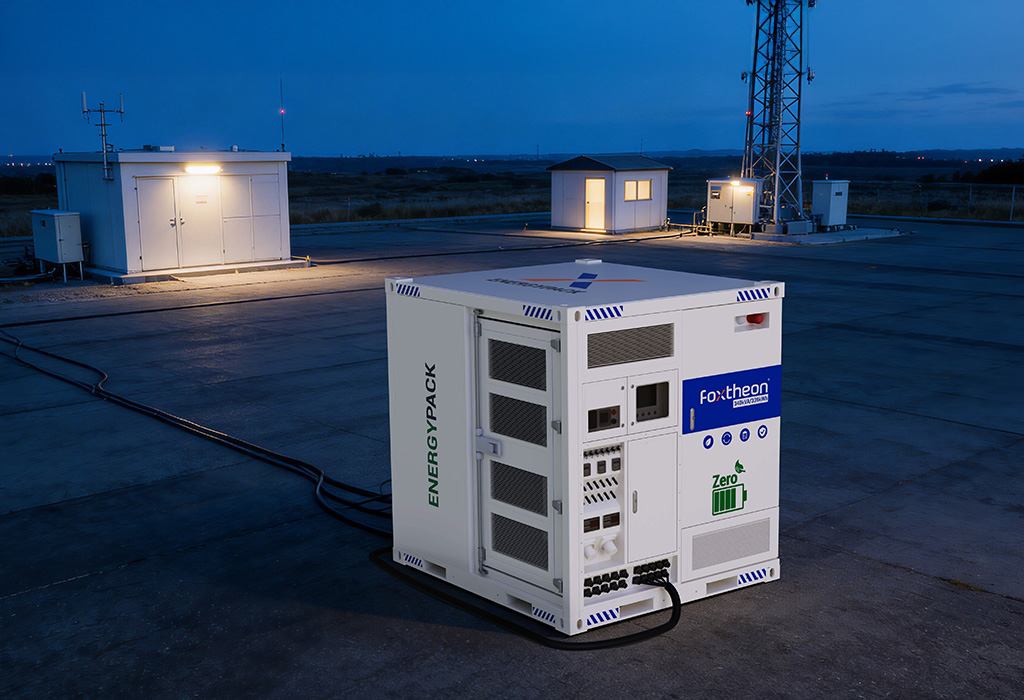
The implementation of strict environmental regulations has fundamentally shifted how industries approach off-grid and prime power generation. The transition to EPA Tier 4 Final emission standards was a significant engineering milestone, designed to drastically reduce particulate matter (PM) and nitrogen oxides (NOx) emitted by internal combustion engines. While these modern diesel engines represent a massive leap forward in environmental compliance, they introduce complex operational parameters that require careful management. For site operators, equipment rental companies, and facility engineers, the focus has expanded from simply providing raw power to delivering intelligent, highly efficient power architecture.
To optimize performance and protect mechanical assets, industry leaders are increasingly integrating Tier 4 generator alternatives into their infrastructure. The objective is not to render existing mechanical generation obsolete, but rather to construct hybrid microgrids that leverage the strengths of multiple energy sources. By operating traditional prime movers in tandem with advanced energy storage and smart control systems, businesses can achieve optimal thermal efficiency, extend equipment lifecycles, and significantly reduce total operating expenditures.
The Engineering Realities of EPA Tier 4 Final Standards
Modern diesel power plants utilize sophisticated exhaust aftertreatment systems to meet regulatory limits. These systems typically include a Diesel Oxidation Catalyst (DOC), a Diesel Particulate Filter (DPF), and Selective Catalytic Reduction (SCR) technology which relies on the continuous injection of Diesel Exhaust Fluid (DEF). While highly effective at scrubbing pollutants, these chemical and mechanical processes require specific thermal conditions to function correctly.
One of the most persistent challenges in off-grid power generation is load fluctuation. When a high-capacity diesel engine operates at a low load (typically below 30% to 40% of its rated capacity), exhaust gas temperatures fail to reach the threshold necessary for passive DPF regeneration. This condition leads to a phenomenon known as “wet stacking,” where unburned fuel and soot accumulate within the exhaust system. Over time, this buildup restricts exhaust flow, triggers forced regeneration cycles (which consume additional fuel), and necessitates costly manual intervention.
Integrating hybrid technologies and battery storage allows operators to manage these low-load periods intelligently, ensuring that whenever the diesel engine is called to run, it does so within its peak efficiency window—usually between 70% and 85% of its rated load.
Analyzing Viable Tier 4 generator alternatives for Modern Fleets
Building a resilient power infrastructure requires a diversified approach. Engineers are now utilizing sophisticated components to build hybrid power stations that complement existing assets.
Battery Energy Storage Systems (BESS)
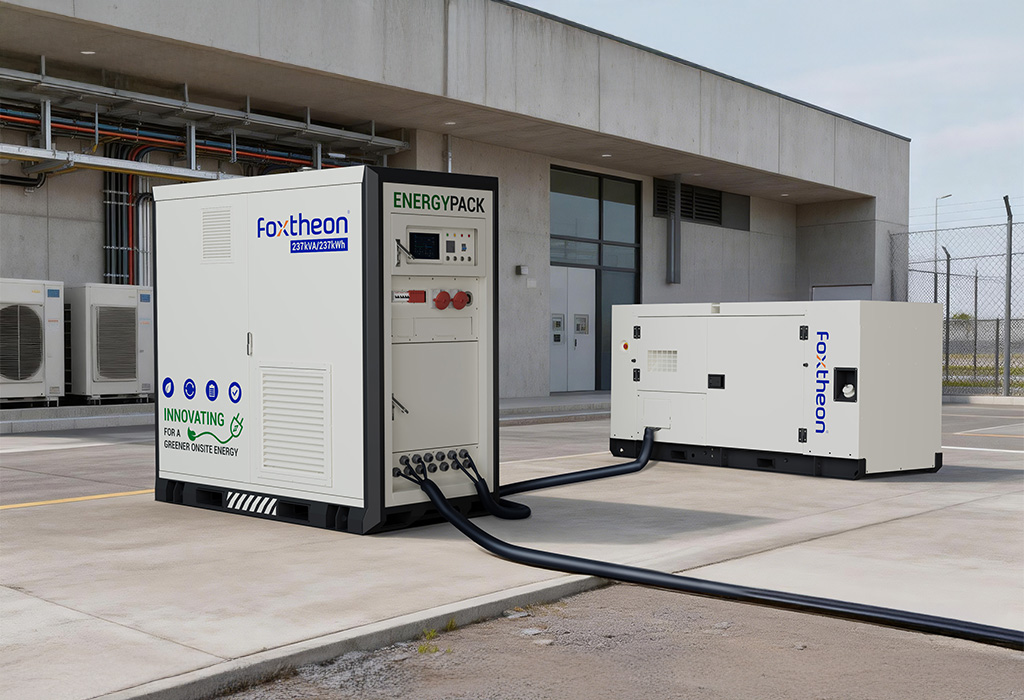
Industrial-grade Battery Energy Storage Systems represent a fundamental component of modern power hybridization. These systems utilize advanced lithium-ion or lithium iron phosphate (LiFePO4) cell chemistries managed by intelligent Battery Management Systems (BMS). A BESS can absorb excess energy when the diesel engine is running at high efficiency and discharge that power during periods of low site demand. High-performance systems from manufacturers like Foxtheon provide seamless integration capabilities, acting as a buffer that protects the primary engine from erratic load spikes and damaging low-load conditions.
Intelligent Microgrid Controllers and Power Electronics
The success of any hybrid energy system relies heavily on the central power management system (PMS). Modern controllers use predictive algorithms and real-time load monitoring to make split-second decisions about energy dispatch. By actively synchronizing the AC output of the battery inverter with the generator’s alternator, these controllers ensure a smooth, uninterrupted transition of power, maintaining strict voltage and frequency tolerances required by sensitive industrial equipment.
Technical Advantages of Hybrid Power Integration
When engineering a localized power grid, incorporating energy storage and smart controls offers measurable improvements in electrical performance and mechanical longevity.
- Spinning Reserve and Transient Response: Industrial applications, such as tower cranes or heavy motor startups, demand massive instantaneous inrush current. A BESS can discharge power within milliseconds to handle these transient spikes, acting as a zero-emission spinning reserve. This allows engineers to size the primary generator for the steady-state load rather than the peak load.
- Thermal Management: By taking over the base load during off-peak hours, energy storage systems allow the combustion engine to shut down entirely. This prevents the thermal degradation associated with prolonged idling and wet stacking.
- Voltage and Frequency Stabilization: Power electronics inherently provide cleaner power than pure mechanical alternators. Advanced inverters actively correct power factor issues and filter harmonic distortion, providing a stable true sine wave to the site load.
Load Profiling: The Foundation of Power Architecture
Accurate load profiling is a mandatory step before deploying any new power infrastructure. It involves the rigorous collection of data over time to understand the precise kilowatt (kW) demand, peak-to-average load ratios, and phase balance of a specific site.
In many commercial applications, site demand is highly variable. A construction site may require 200 kW during daytime operations but drop to a mere 15 kW overnight for security lighting and IT infrastructure. Running a 250 kVA prime diesel asset overnight to supply a 15 kW load is highly inefficient and damaging to the aftertreatment system. By analyzing this data, energy professionals can deploy Tier 4 generator alternatives to handle the overnight base load entirely from battery reserves, orchestrating a completely silent, zero-emission night shift.
Total Cost of Ownership (TCO) and Financial Viability
While the initial capital expenditure (CapEx) for hybrid energy storage systems is higher than a standalone mechanical engine, the operational expenditure (OpEx) savings yield a rapid return on investment (ROI). Financial analysis of hybrid deployments typically reveals savings across three primary vectors:
- Fuel Consumption: By shutting down the engine during low-demand periods and ensuring it only runs at its most fuel-efficient load percentage, overall diesel consumption can be reduced by 30% to 60%, depending on the load profile.
- Maintenance Intervals: Generator service intervals are dictated by engine runtime hours. By utilizing a hybrid system to handle 50% of the daily load profile, operators can effectively double the calendar time between required oil changes, filter replacements, and top-end engine overhauls.
- DEF Consumption and DPF Servicing: Running engines efficiently drastically reduces DEF consumption. Furthermore, by eliminating the low-load scenarios that clog particulate filters, operators avoid the high costs associated with DPF removal, baking, and professional cleaning.
Industry-Specific Deployments and Synergies
The application of hybrid power architectures spans across multiple sectors, each benefiting from specific operational improvements.
Remote Mining Operations
In off-grid mining sectors, fuel logistics represent a significant portion of the operating budget. Transporting diesel to remote locations adds substantial cost per gallon. Utilizing intelligent systems from Foxtheon to maximize the energetic yield of every drop of fuel significantly lowers the logistical burden. Additionally, the high altitude and extreme temperatures often found in mining environments can derate mechanical engines; battery systems provide a vital buffer to maintain power reliability under these conditions.
Construction and Infrastructure Development
Urban construction sites face stringent noise ordinances and emission limits. Deploying hybrid nodes allows contractors to operate heavy machinery during the day while seamlessly shifting to silent battery power for overnight dewatering pumps and security systems, strictly adhering to municipal noise regulations.
Telecommunications
Cellular base stations and remote telecom towers require 24/7 uninterrupted power. The integration of Tier 4 generator alternatives provides a highly reliable backup system that seamlessly bridges the gap during grid failures or primary engine maintenance, ensuring zero dropped signals.
Enhancing Rental Fleet Margins and Asset Protection
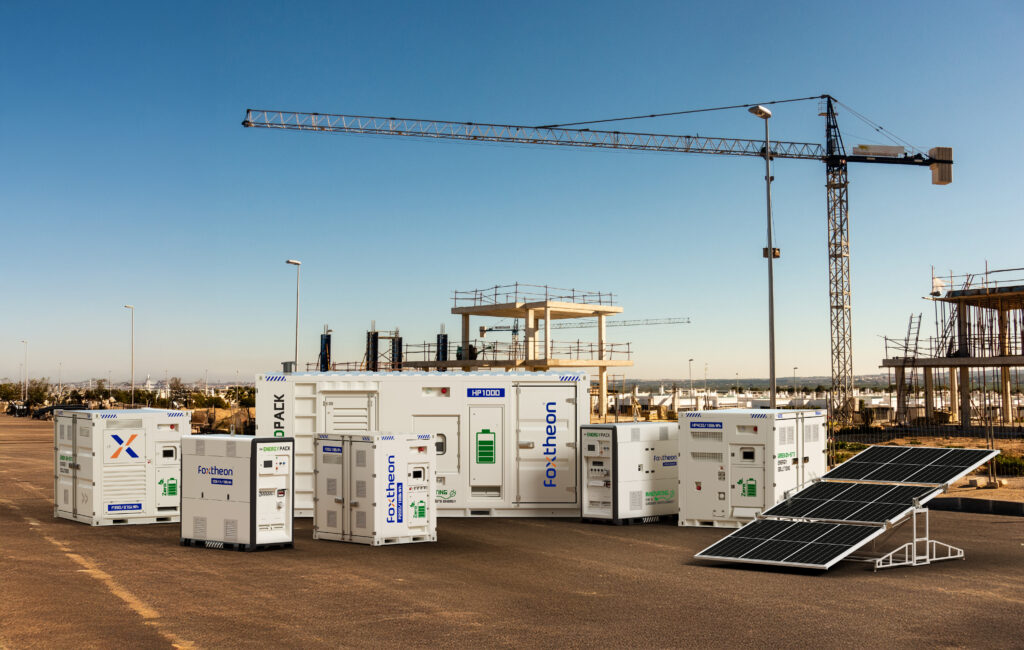
For power equipment rental companies, the integration of energy storage provides a dual benefit. First, it allows channel partners to offer a premium, highly efficient “smart grid” solution to their clients, which commands a higher rental rate and improves blended margins. Second, and perhaps more importantly, it protects the rental company’s core mechanical assets.
When a client rents a large generator and runs it improperly at low loads, the rental company is often left dealing with the resulting wet stacking and DPF failure upon the asset’s return. By packaging a generator with a hybrid BESS unit, the rental provider ensures the engine is mathematically protected from low-load abuse, thereby preserving the residual value of the fleet.
Future-Proofing Corporate Sustainability Goals
As corporate governance increasingly focuses on Environmental, Social, and Governance (ESG) criteria, industrial operators are under pressure to accurately report and reduce their Scope 1 emissions (direct greenhouse gas emissions). Advanced hybrid energy systems inherently support these initiatives.
Modern Tier 4 generator alternatives are equipped with sophisticated telemetry and data logging capabilities. Systems integrated by Foxtheon provide operators with granular data regarding fuel saved, CO2 offset, and overall system efficiency. This empirical data is highly valuable for corporate sustainability reporting and regulatory compliance audits.
The transition toward more intelligent, hybrid power architectures is a necessary engineering progression in the face of modern operational demands. By objectively analyzing load profiles and integrating Tier 4 generator alternatives—such as industrial-grade battery storage and advanced microgrid controllers—industries can achieve remarkable operational efficiencies. This approach respects and protects existing mechanical investments while drastically lowering fuel consumption, minimizing maintenance downtime, and ensuring strict compliance with evolving environmental standards. The future of off-grid power lies in the seamless, automated collaboration of multiple energy technologies.
Frequently Asked Questions (FAQ)
Q1: What exactly qualifies as effective Tier 4 generator alternatives?
A1: In the context of industrial power, these alternatives do not necessarily mean completely removing mechanical engines. Instead, they refer to hybrid solutions like Battery Energy Storage Systems (BESS), solar integrations, and smart microgrid controllers. These components work alongside existing assets to handle low-load periods, manage transient spikes, and reduce the overall runtime of the combustion engine.
Q2: How does integrating a Battery Energy Storage System (BESS) prevent wet stacking?
A2: Wet stacking occurs when a diesel engine runs at a load too low to generate sufficient exhaust heat, causing unburned fuel to accumulate in the exhaust system. A BESS prevents this by taking over the electrical load during low-demand periods, allowing the engine to shut off completely. When the batteries deplete or demand spikes, the system automatically starts the engine and loads it heavily to recharge the batteries, ensuring the engine always runs hot and efficiently.
Q3: Will adding hybrid power storage complicate my site’s daily operational and maintenance routines?
A3: No, it typically simplifies operations. Modern hybrid power systems utilize automated intelligent controllers. The power management system handles the starting, stopping, and synchronization of the assets without manual intervention. Furthermore, because the mechanical engine’s runtime is significantly reduced, the frequency of necessary maintenance tasks (like oil changes and filter replacements) is proportionally decreased.
Q4: What is the typical ROI period when adding Tier 4 generator alternatives to a commercial site?
A4: The Return on Investment varies based on the specific load profile and local fuel costs. However, in scenarios with high peak-to-average load ratios (where an engine would otherwise idle inefficiently for hours), the reduction in fuel consumption, DEF usage, and deferred maintenance can yield an ROI within 18 to 36 months.
Q5: Are these hybrid energy storage systems capable of operating reliably in harsh environmental conditions?
A5: Yes. Industrial-grade energy storage units are engineered with robust ingress protection (such as IP54 or IP65 ratings) to prevent dust and moisture intrusion. They also feature active liquid cooling or advanced HVAC thermal management systems within the enclosure, allowing the battery cells and power electronics to function optimally in extreme ambient temperatures, from freezing remote mining sites to high-heat desert environments.