
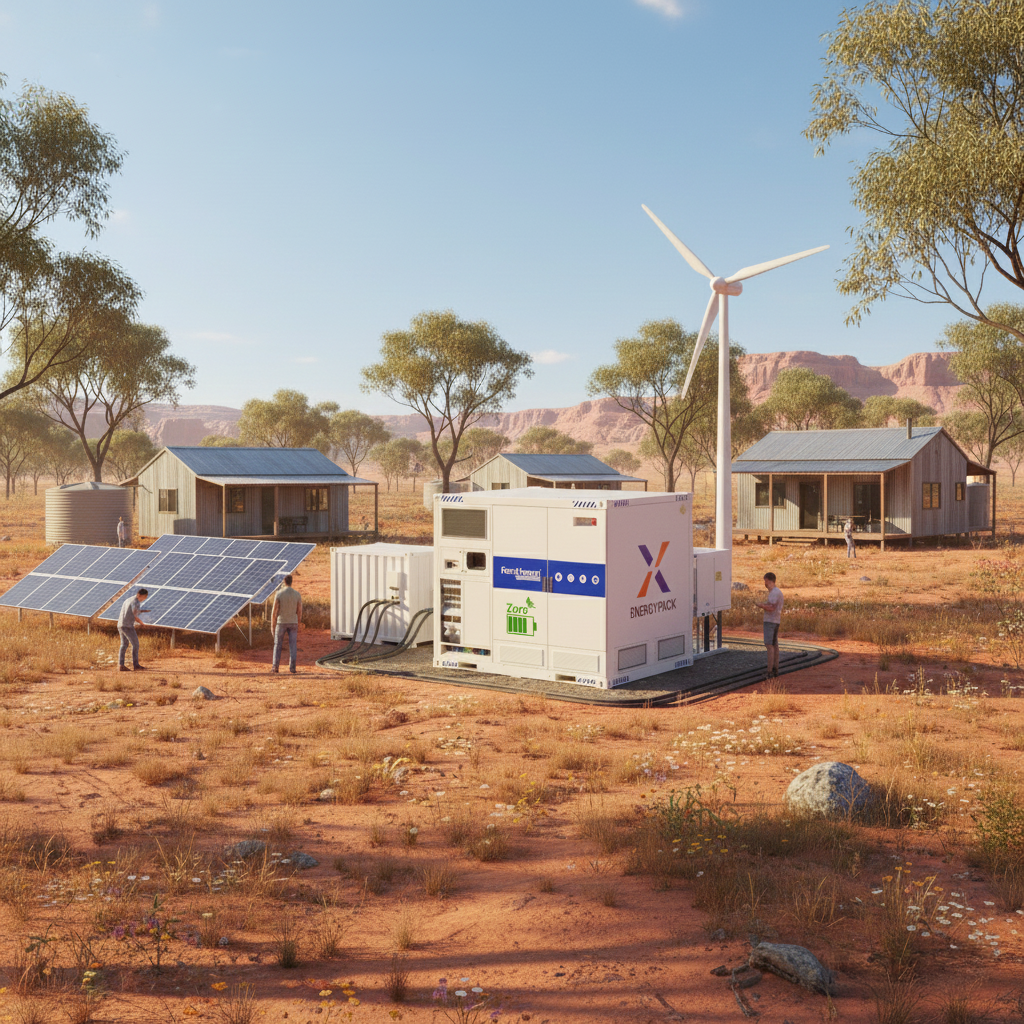
Modern construction projects are placing unprecedented demands on temporary power systems.
Stricter noise limits, rising fuel costs, unstable grid access, and increasingly fragmented loads are reshaping how project managers think about power.
Below, we examine common statements about hybrid power and battery energy storage for construction, and separate fact from fiction.
T / F #1
“Diesel generators alone are still the most reliable option for construction sites.”
❌ False
Diesel generators are still widely used, but on sites with frequent load fluctuations, they often run for long hours at low load.
This results in higher fuel consumption, faster wear, and increased noise and emission pressure.
This is why hybrid power systems and battery storage for construction sites are increasingly deployed — especially in temporary power for construction scenarios.
T / F #2
“Battery energy storage is only useful when grid power is available.”
❌ False
Modern off-grid BESS solutions are designed specifically for projects with unstable or nonexistent grid access.
They support early-stage construction, remote sites, and infrastructure projects with phased power demand.
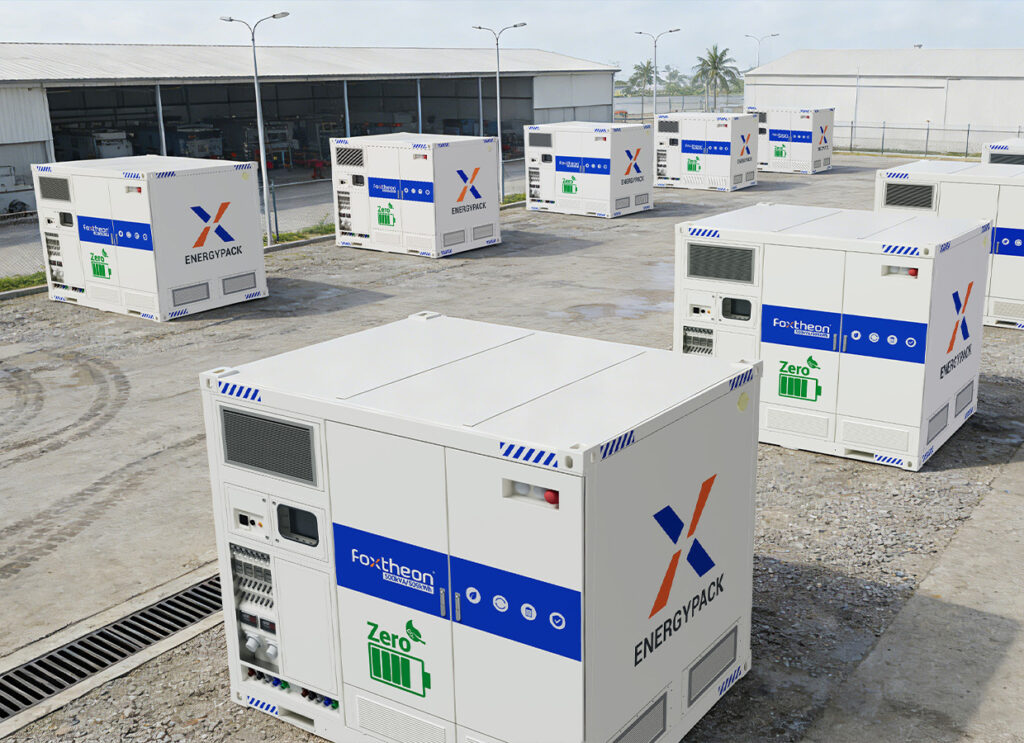
A containerized energy storage system can operate independently or alongside generators, forming a reliable hybrid power source even in weak-grid environments.
T / F #3
“Hybrid systems are too complex for site teams to manage.”
❌ False
This used to be true. It no longer is.
Today’s hybrid BESS solutions integrate automated control logic, optimized charge–discharge strategies, and system-level intelligence.
For construction project managers, hybrid power now means less manual intervention, not more.
T / F #4
“Battery systems can’t handle peak loads from heavy equipment.”
❌ False
On most construction sites, the real challenge is not average load — it’s momentary power spikes.
A properly configured mobile energy storage system can absorb startup surges, prevent generator oversizing, and reduce nuisance tripping.
This makes hybrid BESS for construction and microgrid applications a practical solution, not a theoretical one.
T / F #5
“All containerized BESS solutions are basically the same.”
❌ False
In reality, major differences exist in safety design, certification, thermal management, and system integration.
For international projects, especially in Europe and Australia, CSC-certified containerized BESS solutions are increasingly required.
Solutions like the EnergyPack P500 are designed as industrial-grade BESS platforms, suitable for demanding construction and infrastructure projects.
T / F #6
“Smaller construction sites don’t benefit from hybrid power.”
❌ False
Even mid-scale sites often face night–day load gaps, intermittent equipment usage, and noise-restricted operating windows.
Compact solutions such as the EnergyPack P150 enable hybrid power deployment without excessive footprint or system complexity, while still delivering measurable fuel and noise reductions:(P150link)
What This Means for Construction Project Managers
If your project involves temporary power, weak grid access, peak-heavy equipment, or increasing regulatory pressure, hybrid power and containerized BESS are no longer optional considerations.
They are practical tools already reshaping how construction power is planned and deployed.
Talk to a Hybrid Power Specialist
Every construction site has a unique load profile.
The right hybrid configuration depends on operating hours, equipment behavior, and site constraints — not just rated power.
Contact Foxtheon to discuss a hybrid power solution tailored to your project.
👉 Start the conversation today