
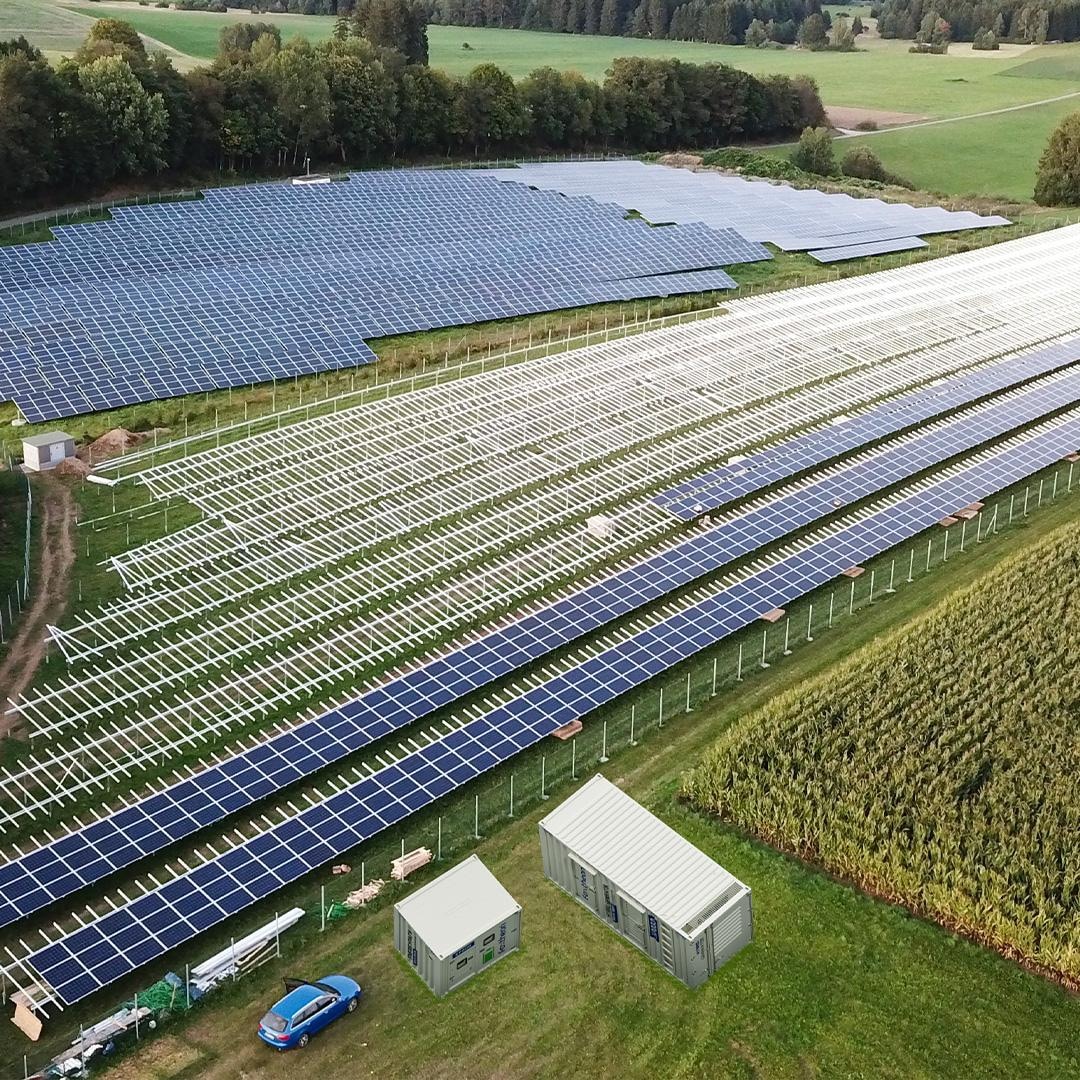
Modern agriculture and large-scale aquaculture operations are becoming increasingly energy-dependent. From high-capacity irrigation pumps and climate-controlled greenhouses to continuous aeration and temperature regulation in aquaculture ponds, power stability now directly determines yield, survival rates, and operating margins.
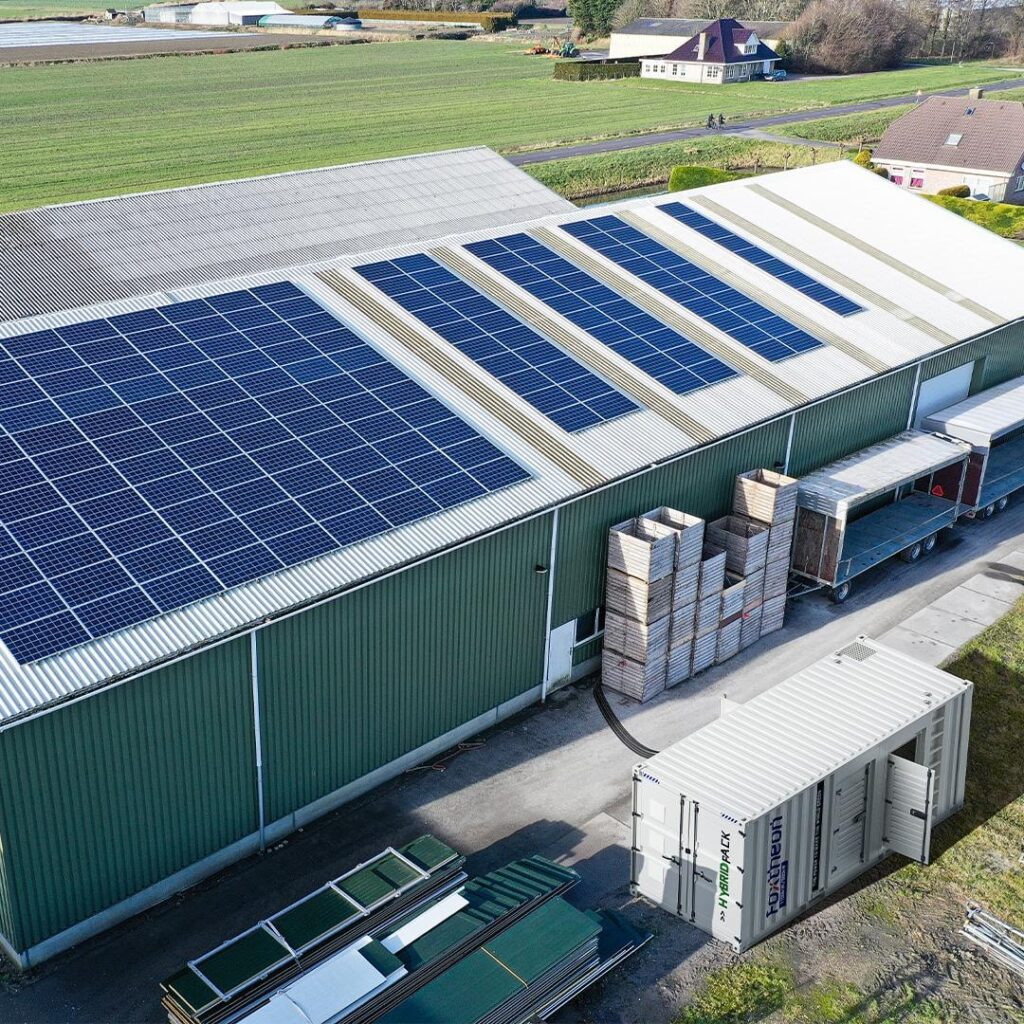
Yet many farms and aquaculture sites operate in areas with unstable grid access—or no grid at all. Seasonal peaks in irrigation or oxygen demand often force operators to rely on diesel generators, exposing them to volatile fuel costs, inefficient low-load operation, and rising maintenance pressure.
Across multiple agricultural and aquaculture applications, Foxtheon hybrid power systems were adopted to stabilize energy supply and control operating costs, delivering:
- 30%–80% reduction in diesel fuel consumption
- Significantly improved power stability for pumps, aerators, and control systems
- Reduced generator runtime and maintenance frequency
- Greater cost predictability during seasonal peak demand
These outcomes explain why hybrid power is increasingly trusted by large-scale farms and aquaculture operators seeking both reliability and long-term profitability.
The Reality of Agricultural & Aquaculture Energy Demand
Unlike many industrial sites, farms and aquaculture operations experience intense seasonal energy peaks. Irrigation demand can surge for weeks, while aeration and temperature control in aquaculture often run 24/7 with little tolerance for interruption.
Any power instability can result in:
- Crop stress or reduced yields
- Oxygen depletion and stock losses
- Irreversible economic damage within hours
Why Diesel-Only Power Limits Profitability
Fuel Cost Volatility
For many operators, fuel has become one of the fastest-growing operating expenses. During peak irrigation or extreme weather events, diesel consumption spikes precisely when margins are most vulnerable.
Inefficiency at Partial Load
Generators sized for peak demand often operate far below optimal load for most of the season, leading to poor fuel efficiency, wet stacking, and higher maintenance frequency.
Hybrid Power: Designed for Variable Agricultural Loads
Foxtheon hybrid power systems combine battery energy storage with diesel generation, allowing energy to be stored when demand is low and released instantly during peak periods.This architecture aligns naturally with irrigation cycles, greenhouse climate control, and aquaculture aeration patterns.
Field-Proven Results in Agricultural & Aquaculture Applications
| Metric | Diesel-Only Power | Foxtheon Hybrid Power |
| Power Stability | Fluctuating | Stable |
| Generator Runtime | Long & continuous | Reduced |
| Maintenance Frequency | High | Lower |
| Cost Predictability | Low | Improved |
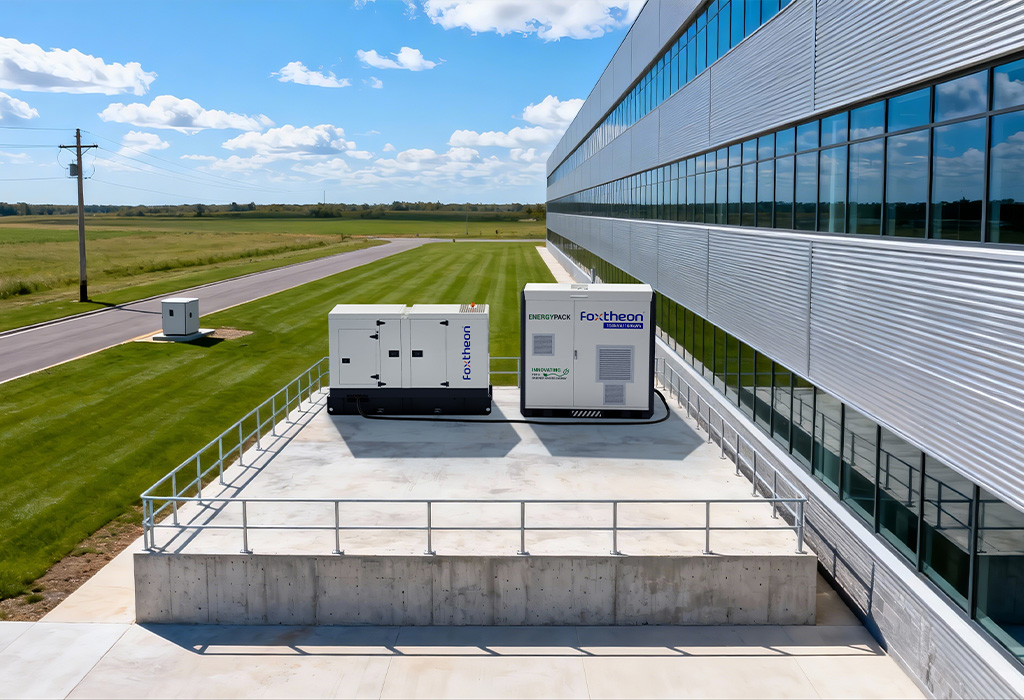
Decision-Focused FAQ for Farm & Aquaculture Operators
When does hybrid power make economic sense for farms or aquaculture sites?
When sites face seasonal demand peaks, unstable grids, or high diesel exposure, hybrid power reduces fuel dependency and stabilizes operating costs over time.
Can hybrid power support continuous aeration and temperature control?
Yes. Battery-backed systems provide instant response and smooth power delivery, reducing the risk of outages that could impact stock survival.
Does this increase system complexity for on-site staff?
No. Systems are designed for unattended or lightly managed operation, with automated energy management suited to rural and remote environments.
How does hybrid power improve long-term profitability?
By lowering fuel consumption, reducing maintenance, and preventing production losses caused by power instability.
In modern agriculture and aquaculture, energy is no longer just a utility—it is a production input. Foxtheon’s hybrid power approach aligns energy reliability with cost control, making it a trusted choice for operators who depend on stable power to protect yields and margins.