
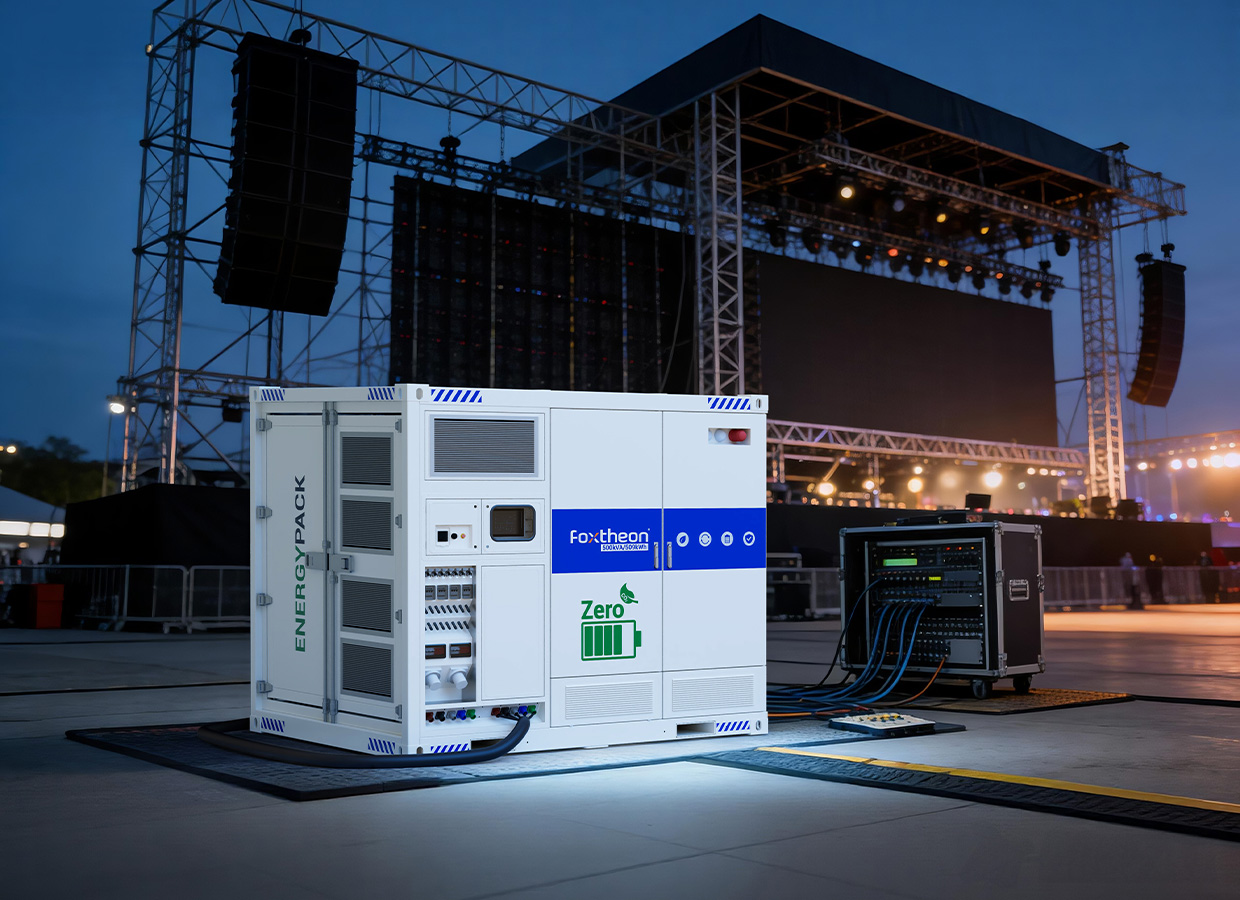
Reliable power is the backbone of modern industries. From data centers to healthcare, any disruption can lead to significant losses. Mission critical power redundancy ensures systems stay online during outages. It involves backup solutions that prevent downtime. Companies like Foxtheon specialize in providing robust energy systems for global applications.
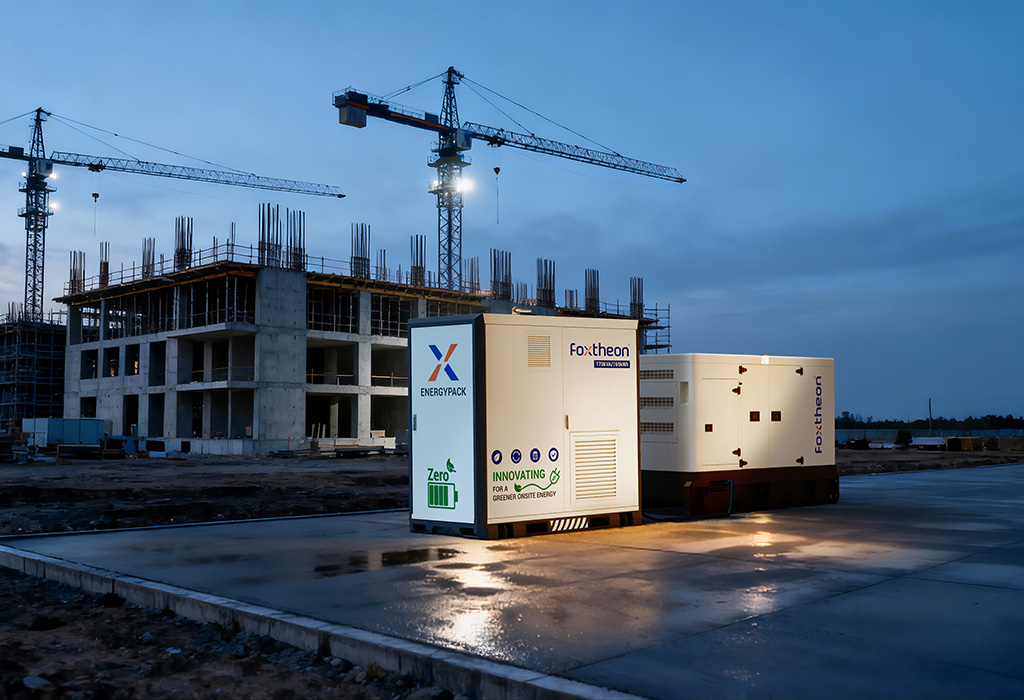
What Is Mission Critical Power Redundancy?
Mission critical power redundancy refers to backup systems that maintain operations during power failures. These systems are vital for sectors where downtime is unacceptable. They include multiple layers of protection. Redundancy can involve duplicate components or entire backup grids. This approach minimizes risks and enhances reliability. Foxtheon integrates smart technologies to optimize these setups.
Why Mission Critical Power Redundancy Matters Globally
Global operations demand consistent power. Natural disasters, grid failures, or human errors can cause outages. Mission critical power redundancy acts as a safety net. It supports economic stability and public safety. Industries such as finance and telecommunications rely on it. International standards often require redundancy for compliance. Foxtheon’s solutions align with these global needs.
Key Benefits of Implementing Redundancy
Adopting redundant systems offers clear advantages. It reduces downtime and protects data integrity. Businesses can avoid financial penalties and maintain customer trust. Redundancy also extends equipment life by balancing loads. Here are some core benefits:
- Continuous operations during power disturbances.
- Improved system resilience against unexpected events.
- Compliance with international safety regulations.
- Cost savings from prevented outages and damages.
- Scalability for growing energy demands.
Core Components of a Redundant Power System
A robust mission critical power redundancy setup includes several elements. Each component plays a specific role in ensuring continuity. Designers must select parts based on load requirements and environment. Foxtheon‘s expertise helps in configuring these systems effectively.
Uninterruptible Power Supplies (UPS)
UPS units provide immediate backup during short outages. They bridge the gap until generators start. Modern UPS systems offer high efficiency and monitoring features. Key types include online and line-interactive UPS. They protect sensitive equipment from surges and sags.
Backup Generators
Generators supply long-term power during extended outages. They run on diesel, natural gas, or renewable sources. Proper sizing and maintenance are crucial for performance. Generators must activate quickly to avoid service interruptions. Foxtheon recommends regular testing for reliability.
Automatic Transfer Switches (ATS)
ATS devices switch between main and backup power sources seamlessly. They detect outages and initiate transitions automatically. This ensures no manual intervention is needed. ATS units are critical for minimizing downtime in mission critical power redundancy setups.
Design Considerations for Smart Energy Solutions
Designing redundant systems requires careful planning. Factors like load capacity, geography, and cost influence decisions. Mission critical power redundancy must adapt to local grid conditions. International projects often involve diverse energy sources. Foxtheon addresses these challenges with customized designs.
- Assess power needs based on operational criticality.
- Incorporate renewable energy for sustainability.
- Use monitoring tools for real-time system health checks.
- Plan for future expansions to avoid overhauls.
- Ensure compatibility with existing infrastructure.
Implementing Redundancy with Foxtheon Solutions
Foxtheon offers integrated approaches to mission critical power redundancy. Their solutions combine advanced technology with practical insights. Clients benefit from end-to-end support, from design to maintenance. Foxtheon‘s global presence ensures localized service and compliance.
The company focuses on scalable systems. They help businesses transition to smarter energy grids. Foxtheon’s team conducts risk assessments to identify vulnerabilities. This proactive stance enhances system durability. Case studies show improved uptime for clients using their setups.
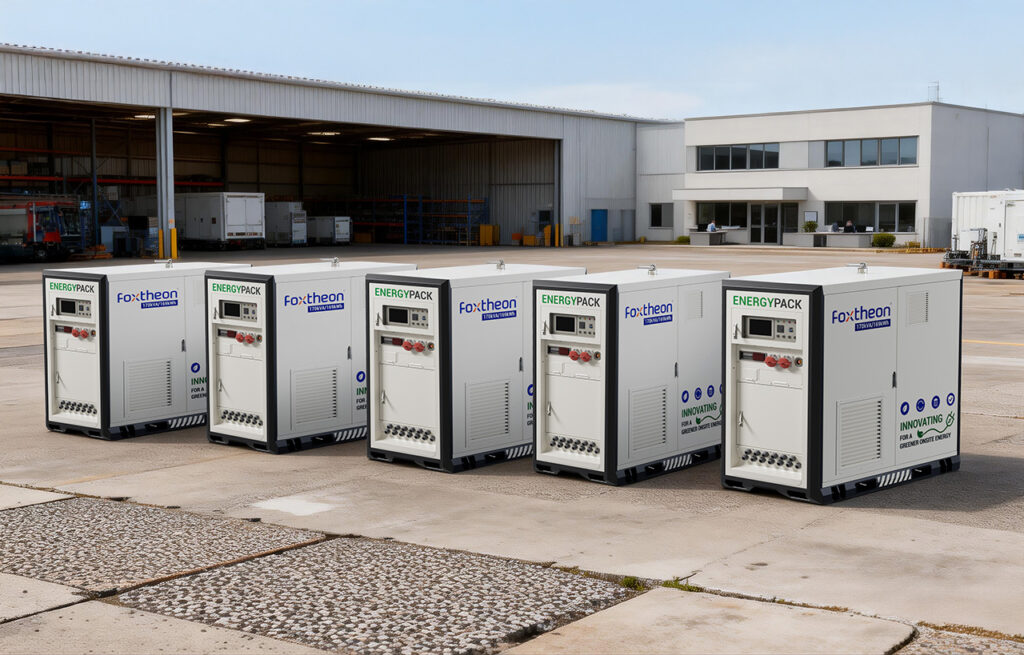
Future Trends in Power Redundancy
Technology evolves rapidly in the energy sector. Mission critical power redundancy is shifting towards more intelligent systems. Automation and AI enable predictive maintenance and better load management. Renewable integration reduces environmental impact. Global standards are becoming stricter, pushing innovation.
Foxtheon invests in research for next-gen solutions. They explore battery storage advancements and microgrid applications. These trends will shape how redundancy is implemented worldwide. Staying ahead requires adapting to new tools and methods.
Mission critical power redundancy is essential for reliable operations. It safeguards against disruptions and supports global business continuity. Effective strategies involve careful component selection and smart design. Companies like Foxtheon lead in delivering tailored energy solutions. Investing in redundancy today prepares industries for tomorrow’s challenges.
Frequently Asked Questions
Q1: What is mission critical power redundancy?
A1: Mission critical power redundancy involves backup systems that ensure continuous power during outages. It uses components like UPS and generators to prevent downtime in vital operations.
Q2: Why is power redundancy important for data centers?
A2: Data centers require constant power to avoid data loss and service interruptions. Redundancy protects against grid failures, maintaining server uptime and data integrity.
Q3: How does Foxtheon enhance power redundancy solutions?
A3: Foxtheon provides customized, scalable systems with advanced monitoring and global compliance. They integrate smart technologies for efficient and reliable energy backup.
Q4: What are common components in a redundant power system?
A4: Key components include uninterruptible power supplies (UPS), backup generators, automatic transfer switches (ATS), and monitoring tools. Each plays a role in ensuring seamless power transitions.
Q5: How can businesses plan for future redundancy needs?
A5: Businesses should assess growth projections, adopt scalable designs, and incorporate renewable sources. Regular reviews with experts like Foxtheon help adapt to changing demands.