
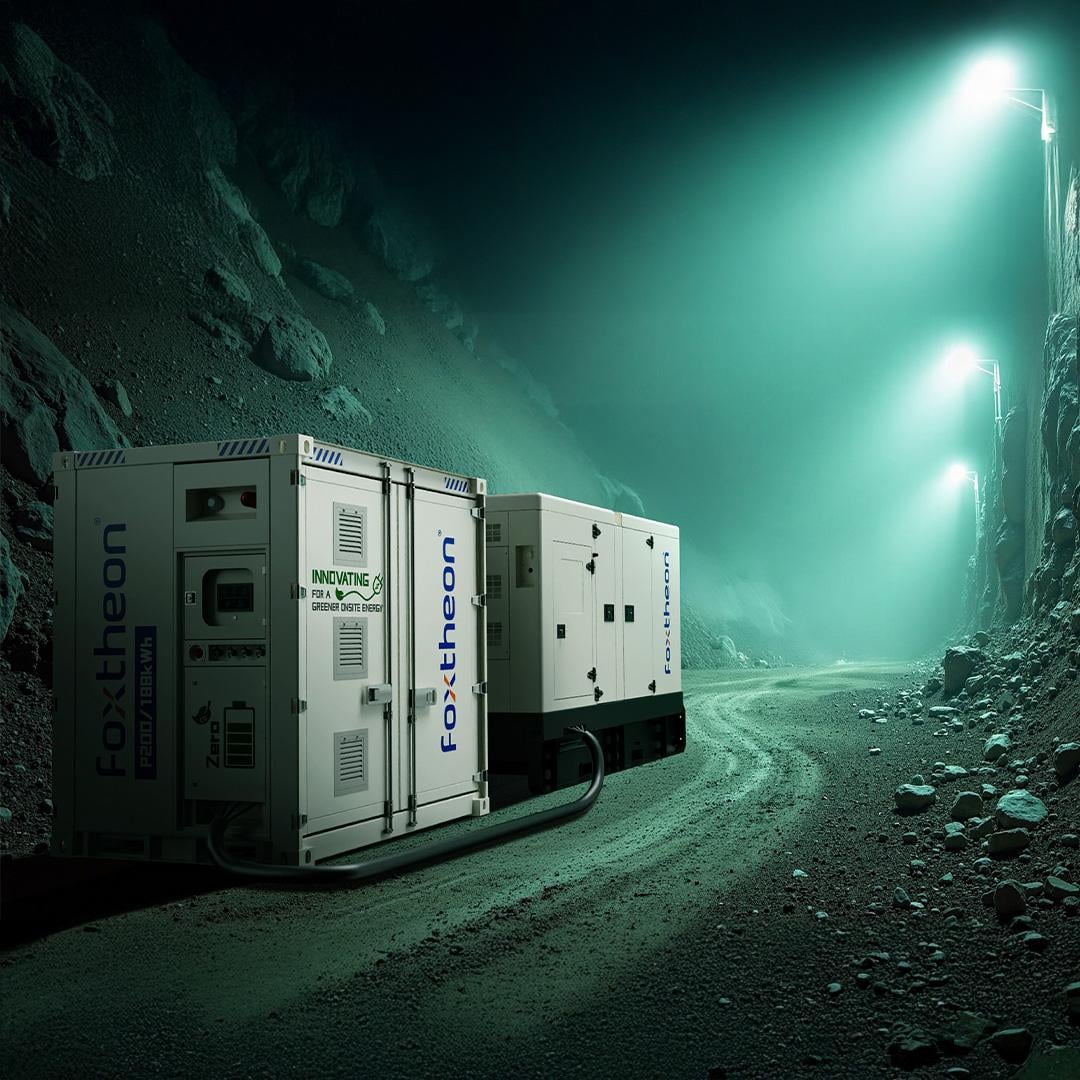
The energy landscape for businesses is shifting rapidly. Rising electricity costs, grid instability, and ambitious sustainability goals are pushing companies to rethink their power strategy. At the heart of this shift are commercial battery storage solutions. These systems are no longer a futuristic concept; they are a practical, financially savvy tool for modern business operations.
These solutions allow businesses to store electricity from the grid or on-site generation for use when it’s most needed and most valuable. From small retailers to large industrial plants, implementing a commercial battery energy storage system (BESS) is becoming a critical move for resilience and competitiveness. Leading providers like Foxtheon are at the forefront, designing intelligent systems tailored to diverse commercial needs.
Let’s explore the five key benefits driving the adoption of these powerful systems.
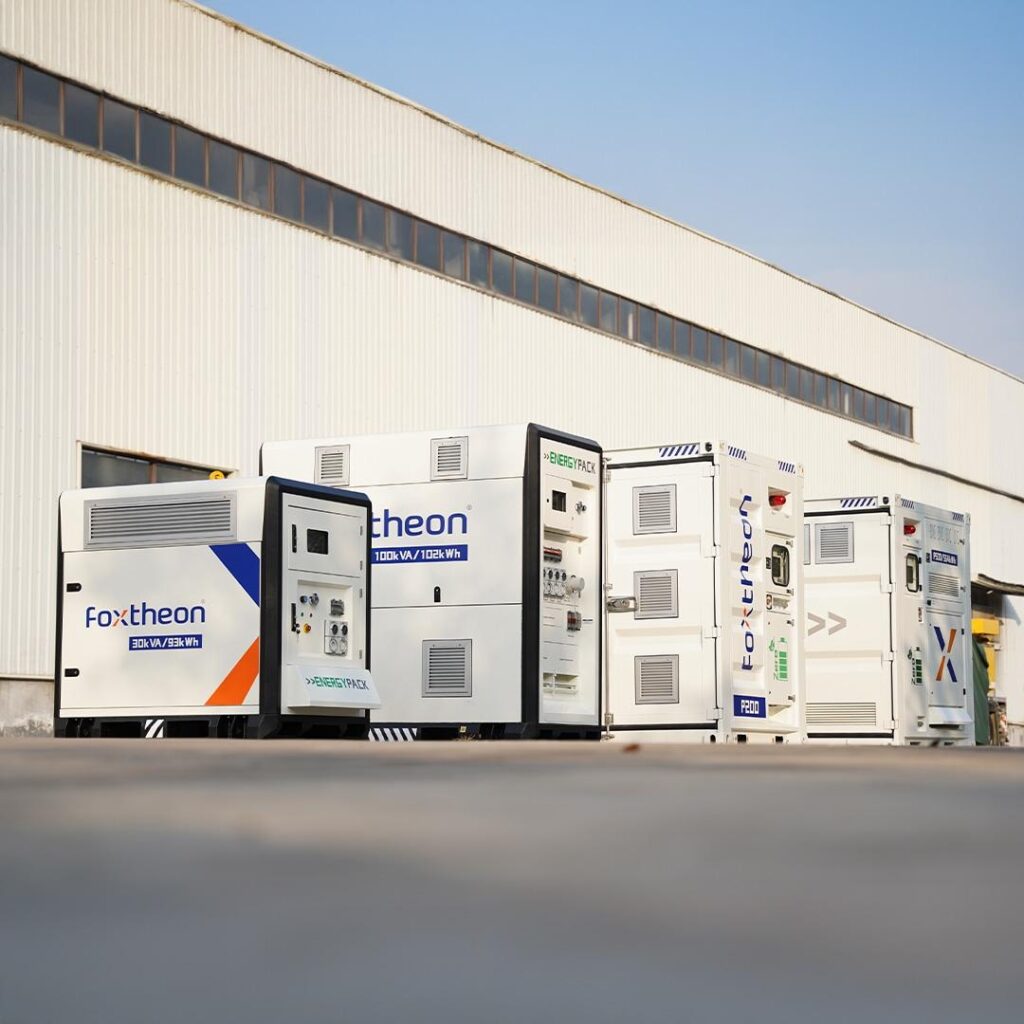
The Rising Demand for Commercial Battery Storage
Global market trends highlight a surge in demand. Companies are moving beyond simple backup generators to smarter, more versatile energy assets. Commercial battery storage solutions offer control in an unpredictable energy environment.
Volatile energy prices and increasing frequency of grid disruptions are primary catalysts. A commercial BESS provides a buffer against both. Furthermore, corporate sustainability mandates and the falling cost of battery technology have made these systems more accessible than ever.
5 Compelling Benefits of Commercial Battery Storage Solutions
Investing in a commercial battery storage system delivers a multi-faceted return on investment. Here are the five core advantages transforming business energy management.
1. Significant Reduction in Energy Costs
This is often the most immediate driver. Commercial battery storage solutions enable two powerful cost-saving strategies:
Peak Shaving: Utilities charge “demand charges” based on your highest power draw (peak) in a billing period. A BESS discharges during these short peak times, lowering the draw from the grid and slashing these charges, which can constitute up to 50% of a commercial bill.
Arbitrage: Store electricity when rates are low (e.g., at night) and use it during expensive peak daytime hours. This simple buy-low, use-high strategy directly cuts energy supply costs.
2. Enhanced Energy Resilience and Backup Power
Grid outages can halt operations, leading to lost revenue and productivity. While traditional UPS systems protect critical loads for minutes, commercial battery storage solutions can provide backup power for hours.
They ensure continuity for essential operations, refrigeration, security systems, and IT infrastructure. For facilities like data centers, manufacturing lines, or cold storage, this uninterrupted power supply is invaluable. Companies like Foxtheon integrate these systems seamlessly with existing infrastructure for reliable failover.
3. Support for Renewable Integration and Sustainability Goals
Many businesses are installing solar PV. A commercial BESS is its perfect partner. It stores excess solar energy generated midday for use in the evening, maximizing self-consumption of clean energy.
This reduces reliance on fossil-fuel-based grid power and dramatically lowers a company’s carbon footprint. It’s a tangible step towards achieving ESG (Environmental, Social, and Governance) targets and enhancing brand reputation as a green business.
4. Participation in Grid Services and Revenue Generation
Advanced commercial battery storage solutions can do more than just save money; they can earn it. Through programs like Frequency Regulation or Demand Response, businesses can allow grid operators to use their battery’s capacity to help stabilize the wider electricity network.
This creates a new revenue stream, turning an energy asset into a profit center. Sophisticated software from providers manages this automatic participation without disrupting onsite operations.
5. Future-Proofing and Increased Property Value
Investing in a commercial battery energy storage system is an investment in future readiness. It prepares a business for evolving time-of-use rates, potential carbon taxes, and increasing electrification (e.g., EV fleets).
It also increases the resilience and attractiveness of a commercial property, potentially boosting its market value. It signals a modern, efficient, and low-risk operation to future buyers or tenants.
Key Applications Across Industries
Commercial battery storage solutions are not one-size-fits-all; they adapt to sector-specific needs.
Retail and Hospitality
Supermarkets, restaurants, and hotels use BESS for peak shaving to cut high demand charges and for backup to protect refrigerated goods and ensure guest safety and comfort during outages.
Manufacturing and Industrial Facilities
For factories, power quality and uptime are critical. BESS provides voltage support, backup for critical processes, and manages the high energy demands of heavy machinery to avoid peak tariffs.
Office Buildings and Corporate Campuses
These sites use storage to reduce overall energy costs, integrate with rooftop solar, power essential services during blackouts, and demonstrate leadership in corporate sustainability.
Healthcare and Public Institutions
Hospitals and clinics require absolute power reliability. Commercial battery storage solutions provide seamless transition to backup, protecting life-saving equipment and patient data. Providers like Foxtheon specialize in the high-reliability designs these sectors demand.
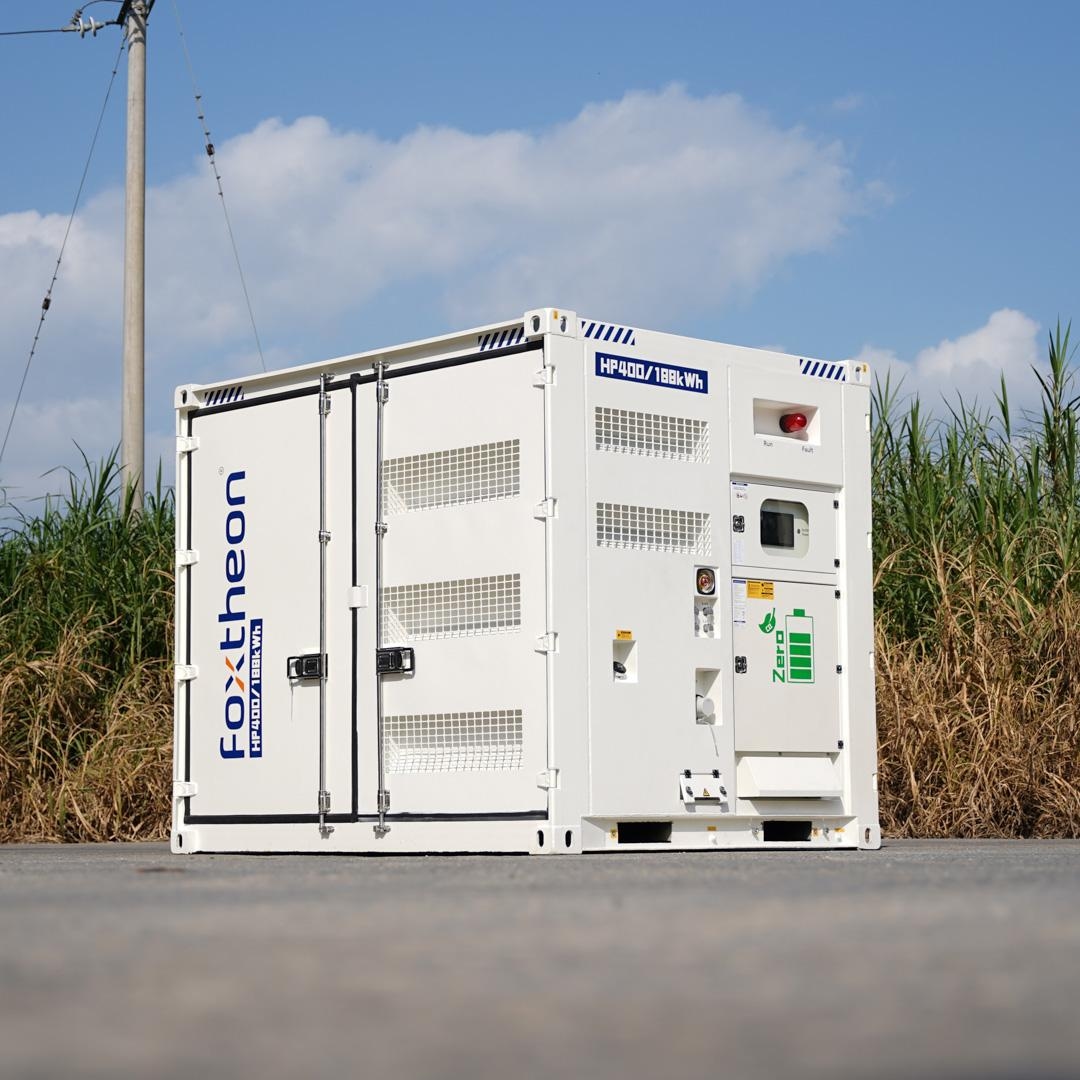
Implementing Your Commercial Battery Storage Project
A successful deployment requires careful planning and the right partner.
Critical Steps for Success
Energy Analysis: A detailed audit of your electricity bills and load profile is essential to size the system correctly for maximum ROI.
Financial Modeling: Calculate projected savings from demand charge reduction, energy arbitrage, and potential revenue. Explore available incentives, tax credits, or grants.
Technology Selection: Choose the right battery chemistry (Lithium Iron Phosphate is popular for safety and longevity), inverter technology, and intelligent energy management software.
Partner Selection: Work with an experienced integrator. They handle design, permitting, installation, and ensure the system meets all safety codes (like NFPA 855). A partner like Foxtheon offers end-to-end support.
Navigating Regulations and Safety
Understanding local utility interconnection rules, fire codes, and permitting requirements is crucial. Reputable providers manage this complex process, ensuring your commercial battery storage system is compliant and safe.
The Future is Intelligent and Integrated
The next generation of commercial battery storage solutions is about deep integration and intelligence. Systems will not only store energy but also predict consumption patterns, automate decisions for maximum economic value, and seamlessly integrate with EV charging networks and smart building systems.
This intelligent layer turns a battery into the central nervous system of a site’s energy ecosystem. Investing now positions a business to leverage these future advancements.
The case for commercial battery storage solutions is clear and compelling. They deliver direct cost savings, operational resilience, and progress toward sustainability, all while opening potential revenue streams. As energy challenges grow, these systems transition from a luxury to a core component of strategic business infrastructure.
For companies looking to take control of their energy future, exploring tailored commercial battery storage solutions is a critical next step. Leaders in the space, such as Foxtheon, provide the technology and expertise to turn this vision into a tangible, profitable reality.
Frequently Asked Questions (FAQs)
Q1: What is the typical lifespan of a commercial battery storage system, and what is the warranty?
A1: Most modern commercial battery storage solutions using lithium-ion technology have an expected operational lifespan of 10 to 15 years. Manufacturers typically offer performance warranties guaranteeing the battery will retain 60-70% of its original capacity after 10 years. Proper maintenance and operating within specified parameters are key to achieving this.
Q2: How long does it take to see a return on investment (ROI) on a commercial BESS?
A2: The payback period varies based on local electricity rates, demand charge structures, system usage, and available incentives. Typically, businesses see an ROI within 5 to 8 years. In regions with very high demand charges or strong incentives, it can be even shorter. The system continues to deliver savings long after the payback period.
Q3: Can a battery storage system be integrated with our existing solar panels?
A3: Absolutely. In fact, integration is highly recommended. A commercial battery energy storage system maximizes the value of your solar investment by storing excess generation for use later, instead of exporting it to the grid at potentially lower rates. Most quality systems are designed for seamless solar integration.
Q4: How much space is required for a commercial-scale battery installation?
A4: Space needs depend on the required energy capacity (kWh). Modern systems are becoming increasingly energy-dense. A 100 kWh commercial battery storage system might occupy a footprint similar to a large refrigerator or several server racks. They can be installed indoors (in rated electrical rooms) or outdoors in secure, weatherproof enclosures.
Q5: Are commercial battery storage systems safe? What about fire risk?
A5: Reputable commercial battery storage solutions are designed and installed with stringent safety as a priority. Key standards like UL 9540 and NFPA 855 govern their safety. Systems use advanced battery management systems (BMS) for monitoring and control, are housed in secure enclosures, and include integrated thermal management and fire suppression systems. Choosing a certified provider like Foxtheon, who follows all codes, is essential for a safe installation.