
The global energy landscape is shifting. Reliance on unstable grids and expensive, dirty fuel is no longer a viable strategy for businesses or communities. The focus has turned to resilience, efficiency, and intelligence in how we manage power.
At the heart of this transition is advanced energy storage. It’s the critical component that unlocks the full potential of renewable energy and provides unwavering backup power. Not all storage solutions are created equal, however. The real value lies in intelligent, durable, and seamlessly integrated systems.
This is where specialized providers make their mark. Foxtheon energy storage systems, for instance, are engineered to meet these modern challenges head-on. They represent more than just batteries in a container; they are the operational backbone of a smarter energy ecosystem.
Let’s explore the key innovations and aspects that define a leading energy storage solution in today’s market.
Beyond the Battery: The Core of a Modern Storage System
When professionals evaluate energy storage solutions, they look beyond basic specifications. They assess the complete system’s intelligence, safety, and longevity.
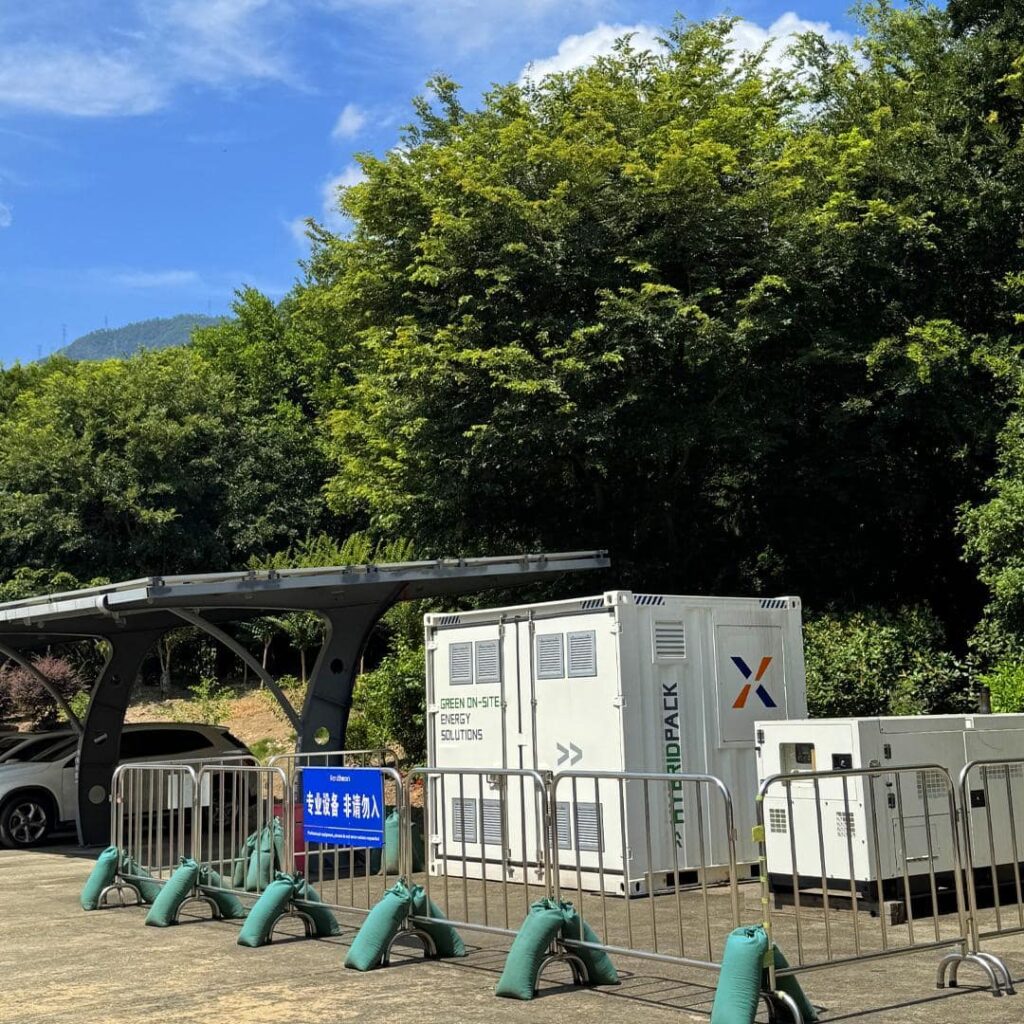
A superior system integrates several key components. The battery rack is just the beginning. It must be paired with a high-efficiency Power Conversion System (PCS), a sophisticated Battery Management System (BMS), and thermal management controls. All these elements are housed within a robust enclosure designed for its environment.
The true differentiator is software. The energy management system (EMS) acts as the brain, making real-time decisions on charging, discharging, and grid interaction to optimize for cost or performance.
Why Intelligence in Storage is Non-Negotiable
A simple battery bank stores power. An intelligent energy storage system actively manages it. This distinction is crucial for return on investment and reliable operation.
Smart storage platforms can be programmed for multiple value streams. They can perform peak shaving, drawing from stored energy during expensive utility rate periods. They can provide frequency regulation services to the grid where markets exist. For microgrids, they ensure instantaneous stabilization when switching between power sources.
This operational intelligence is what transforms a capital expense into a strategic, revenue-enhancing asset. Companies like Foxtheon embed this intelligence at the core of their platform, allowing operators to set goals and let the system optimize automatically.
Key Applications Driving Adoption
The versatility of containerized battery energy storage systems (BESS) is driving their adoption across sectors. They solve very specific, costly problems.
Commercial & Industrial (C&I) Facilities
Factories, data centers, and large buildings use storage to cut demand charges from their utility bills. The system discharges during short periods of peak consumption, flattening the load curve and leading to significant savings. It also provides critical backup for sensitive processes.
Renewable Energy Integration
Solar and wind farms are intermittent. Large-scale energy storage captures excess generation when production is high and releases it when it’s low or demand is high. This turns variable renewable energy into a firm, dispatchable power source, maximizing the utility of every solar panel or wind turbine.
Microgrids & Off-Grid Power
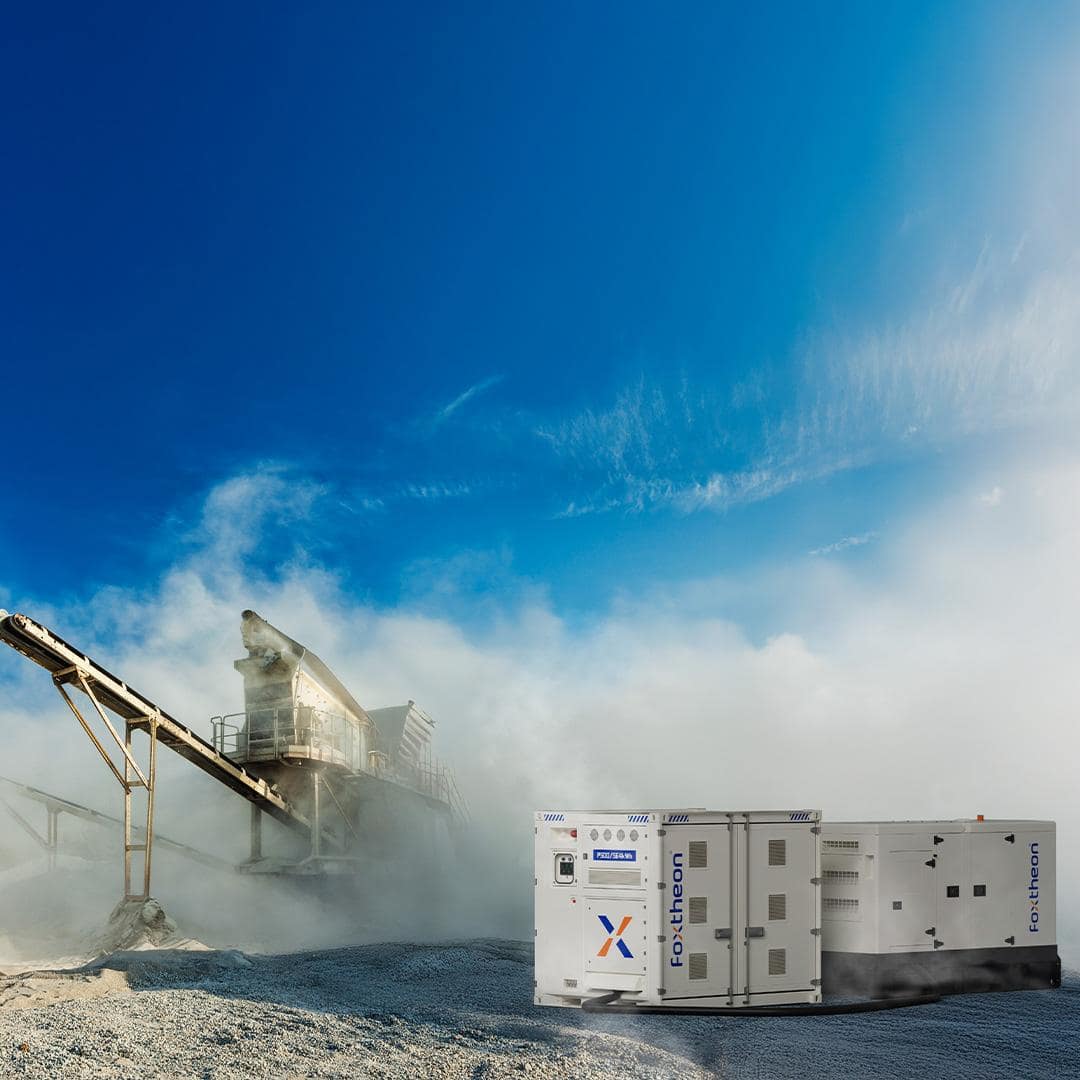
In remote mining sites, island communities, or utility microgrids, storage is the anchor. It pairs with diesel generators, solar arrays, or wind to form a hybrid power system. It drastically reduces fuel consumption by allowing generators to switch off, while ensuring power quality and continuity 24/7.
Utility Grid Services
Utilities deploy massive storage assets for grid support. They help defer costly infrastructure upgrades, manage congestion on power lines, and provide fast-reacting reserves to maintain grid stability and prevent outages.
The Foxtheon Difference: Engineering for Real-World Demands
In a crowded market, engineering philosophy and execution matter. Foxtheon has positioned its energy storage solutions through a focus on robustness and seamless integration.
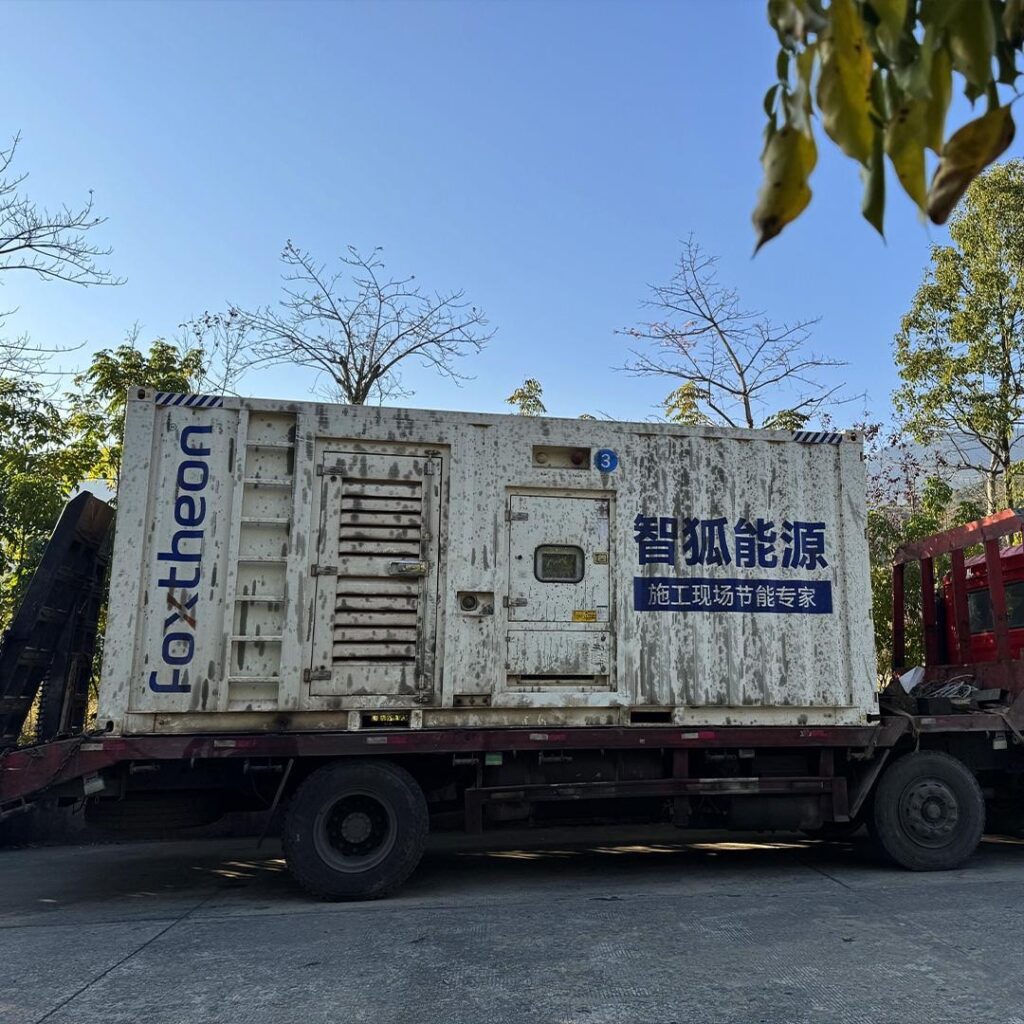
Their systems are known for a modular design philosophy. This allows for easier configuration, scalability, and maintenance. A strong emphasis is placed on thermal management—a critical factor for battery lifespan and safety—ensuring stable operation in extreme ambient temperatures from desert heat to arctic cold.
Furthermore, Foxtheon understands that storage rarely operates in isolation. Their platforms are designed for straightforward integration with existing solar farms, generator sets, and grid connections. This reduces engineering complexity and project risk for developers and end-users.
Safety, Lifespan, and Total Cost of Ownership
Any discussion about battery storage technology must address safety and economics. Leading systems employ multiple layers of protection, from cell-level fusing and active BMS monitoring to advanced fire suppression and gas ventilation systems within the container.
Lifespan is measured in cycles and calendar years. Quality systems are engineered to deliver thousands of deep-discharge cycles while maintaining a high percentage of their original capacity. When evaluating options, the focus should be on the total cost of ownership over 10-20 years, not just the upfront price. A more reliable, longer-lasting system like those developed by Foxtheon often provides superior long-term value.
The Future is Integrated and Software-Defined
The trajectory for energy storage solutions points toward deeper integration and smarter software. We are moving toward fully digitalized power plants where storage, generation, and loads communicate seamlessly.
Future systems will participate more actively in electricity markets and virtual power plants (VPPs), autonomously buying and selling power to maximize revenue. The hardware will continue to evolve, but the software intelligence that controls it will become the primary source of competitive advantage.
Choosing an energy storage system is a strategic decision. It’s about investing in energy resilience, operational cost reduction, and sustainability goals. The right system acts as a flexible tool, adapting to changing energy prices, regulations, and on-site power needs.
It requires a partner that offers not just hardware, but proven integration expertise and reliable support. With its focus on durable, intelligent, and integrable design, Foxtheon energy storage exemplifies the kind of solution that businesses trust to power their operations today and adapt for the demands of tomorrow.
The age of passive power consumption is over. The future belongs to active, intelligent energy management, with advanced storage at its core.
Frequently Asked Questions (FAQ)
Q1: What is the typical lifespan of a Foxtheon energy storage container?
A1: The lifespan depends on battery chemistry, usage patterns (cycle depth), and operating environment. Modern lithium-ion-based systems, like those from Foxtheon, are typically designed for a lifespan of 10 to 15 years or several thousand full charge-discharge cycles while retaining significant capacity.
Q2: Can these storage systems be used in extreme climates?
A2: Yes, well-engineered systems are built for harsh conditions. Key is the integrated thermal management system. Foxtheon energy storage units, for example, use climate control to maintain optimal battery temperature ranges, ensuring performance and safety in both very hot and very cold ambient temperatures.
Q3: How does energy storage integrate with my existing solar PV system?
A3: Integration is achieved through the system’s power conversion and control software. The storage system’s controller communicates with the solar inverters. It directs excess solar energy to charge the batteries instead of sending it to the grid, and then dispatches that stored energy when needed, creating a truly self-consumption solution.
Q4: What safety features are in place for large-scale battery storage?
A4: Comprehensive safety is multi-layered. It includes cell-level fusing, continuous voltage and temperature monitoring by the BMS, smoke and heat detection, inert gas fire suppression systems, and proper ventilation. Reputable providers design these features into the system from the ground up.
Q5: Is financing or proving the ROI for a large storage project complicated?
A5: The business case has become much clearer. ROI is calculated based on specific value streams: demand charge reduction, energy arbitrage, backup power value, and possibly grid service revenue. Providers often offer simulation tools and support to model project economics based on your utility bills and energy usage data, making the financial justification straightforward.