
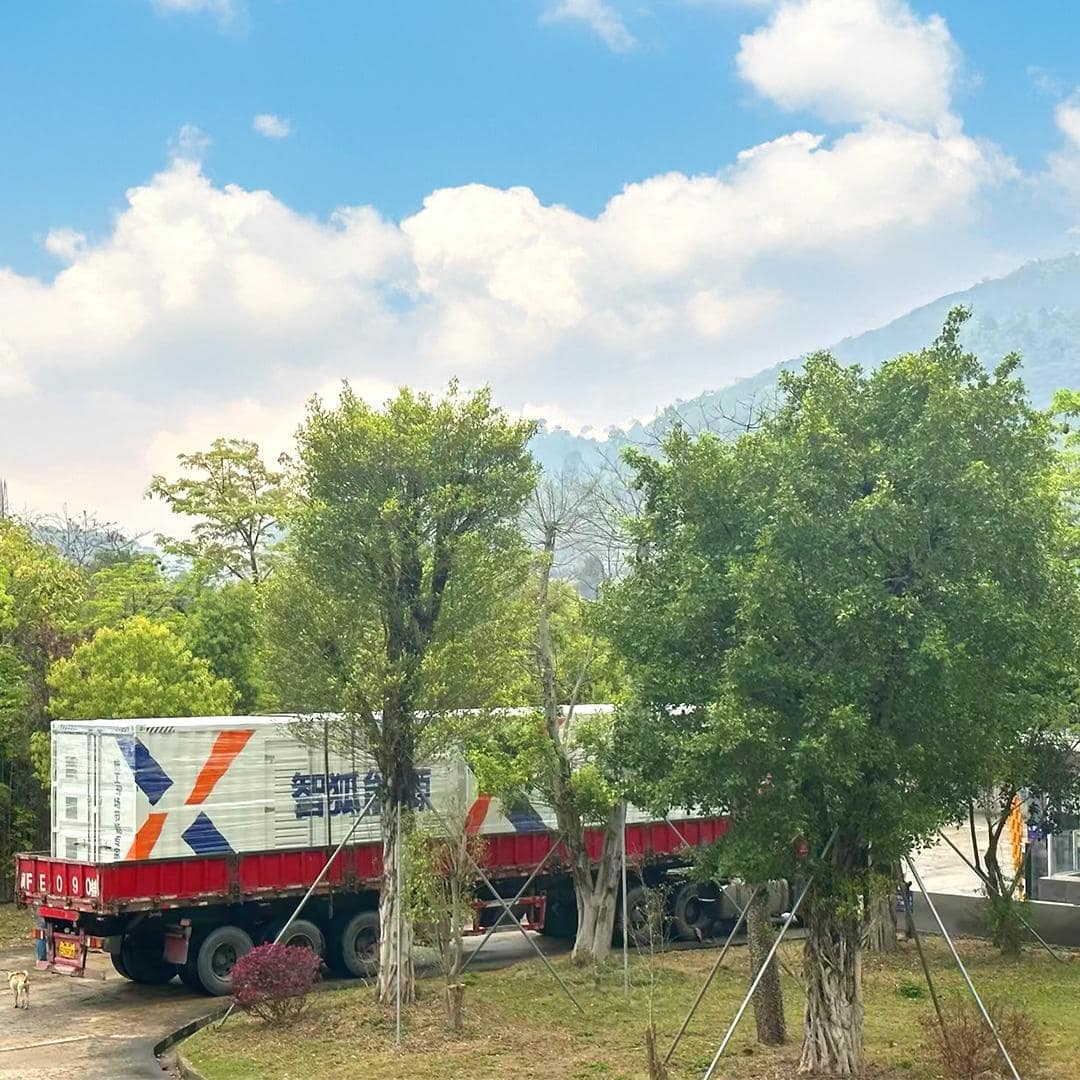
If you’re managing industrial power needs, deploying renewable energy, or securing grid stability, you’ve likely heard the term. Containerized energy storage is no longer a niche concept; it’s becoming the default choice for rapid, scalable, and reliable power infrastructure worldwide. But what’s driving its widespread adoption?
Simply put, a containerized BESS (Battery Energy Storage System) is a fully integrated power solution housed within a standard shipping container. It arrives on-site pre-assembled, pre-tested, and virtually ready to plug in. This turnkey approach is solving critical energy challenges faster than ever before.
From mining sites in remote Australia to solar farms in Texas and manufacturing plants in Germany, the energy storage container is proving its worth. Companies like Foxtheon have refined this model, delivering not just hardware, but fully realized power assets. Let’s explore the five key reasons behind this shift.
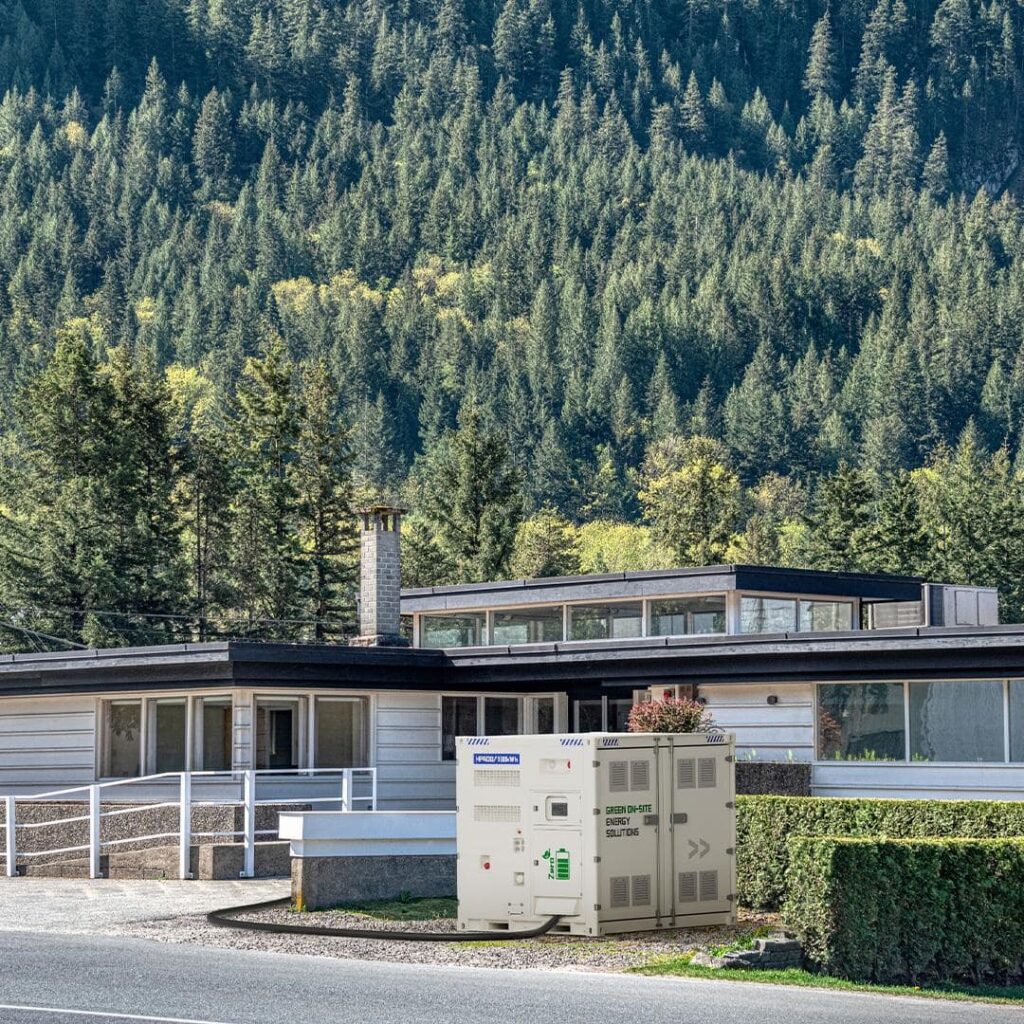
1. What Exactly is a Containerized Energy Storage System?
Think of it as a “power plant in a box.” A containerized energy storage system integrates all critical components within a secure, standardized steel enclosure.
Inside, you’ll typically find:
Battery racks (often using Lithium Iron Phosphate chemistry for safety and longevity).
A power conversion system (PCS) with inverters and transformers.
A thermal management system (HVAC) to regulate temperature.
Fire suppression and safety systems.
A comprehensive energy management system (EMS) for control and monitoring.
The genius lies in its standardization. By using a ISO container format, it leverages global logistics networks for easy, cost-effective transport by ship, rail, or truck. This modularity makes modular containerized storage a building block for projects of almost any size.
2. The Core Advantages Driving Adoption
Unmatched Speed and Simplicity of Deployment
Traditional BESS projects can involve complex, multi-month construction. A containerized BESS changes this. Factory assembly and testing mean the unit arrives as a single, coordinated system. This significantly reduces on-site labor, cuts commissioning time from months to weeks, and slashes project risk. It’s the definition of a plug-and-play power solution.
Inherent Scalability and Flexibility
Need more capacity? The modular containerized storage approach lets you scale megawatts as easily as stacking blocks. You can start with a single unit and add more containers as your energy needs grow or budgets allow. This flexibility is invaluable for growing businesses or phased renewable projects. The system can also be relocated if site needs change, protecting your investment.
Enhanced Safety and Robustness
The container itself is a rugged, weatherproof shield. It protects sensitive components from harsh environments—be it desert heat, tropical humidity, or industrial dust. Inside, integrated safety systems are engineered and tested as a unified package. Leading providers, including Foxtheon, design their energy storage containers to meet stringent international standards, ensuring safe operation in diverse conditions.
Cost-Effectiveness and Predictability
The factory-built model drives down costs through standardized manufacturing and bulk procurement. More importantly, it turns a complex construction project into a predictable procurement exercise. You get a known cost, a known delivery timeline, and a known performance specification, making financing and planning significantly easier.
3. Primary Applications Transforming Industries
Grid Support and Utility-Scale Storage
Utilities deploy containerized energy storage for peak shaving, frequency regulation, and deferring costly grid upgrades. Their modular nature allows for rapid deployment at strategic grid nodes to enhance stability and integrate more renewable sources like wind and solar.
Commercial & Industrial (C&I) Power Management
For factories, data centers, and large facilities, these systems are a financial tool. They reduce peak demand charges, provide backup power, and optimize on-site solar consumption. The C&I energy storage container acts as a controllable energy asset, directly improving the bottom line.
Renewable Energy Integration
Solar and wind farms are inherently intermittent. A containerized BESS placed alongside smooths output, stores excess generation, and delivers power when the sun isn’t shining or the wind isn’t blowing. This turns variable renewable energy into a firm, dispatchable resource.
Microgrids and Off-Grid Power
For remote communities, mining operations, or island grids, containerized energy storage is the cornerstone of modern microgrids. Paired with diesel generators and renewables, it maximizes clean energy use, drastically cuts fuel costs, and ensures a reliable 24/7 power supply.
4. Critical Considerations Before You Deploy
While the benefits are clear, a successful project hinges on proper planning.
Sizing and Configuration: Your energy (kWh) and power (kW) requirements must be accurately defined. A quality provider will conduct a detailed analysis to tailor the containerized BESS to your specific load profile and goals.
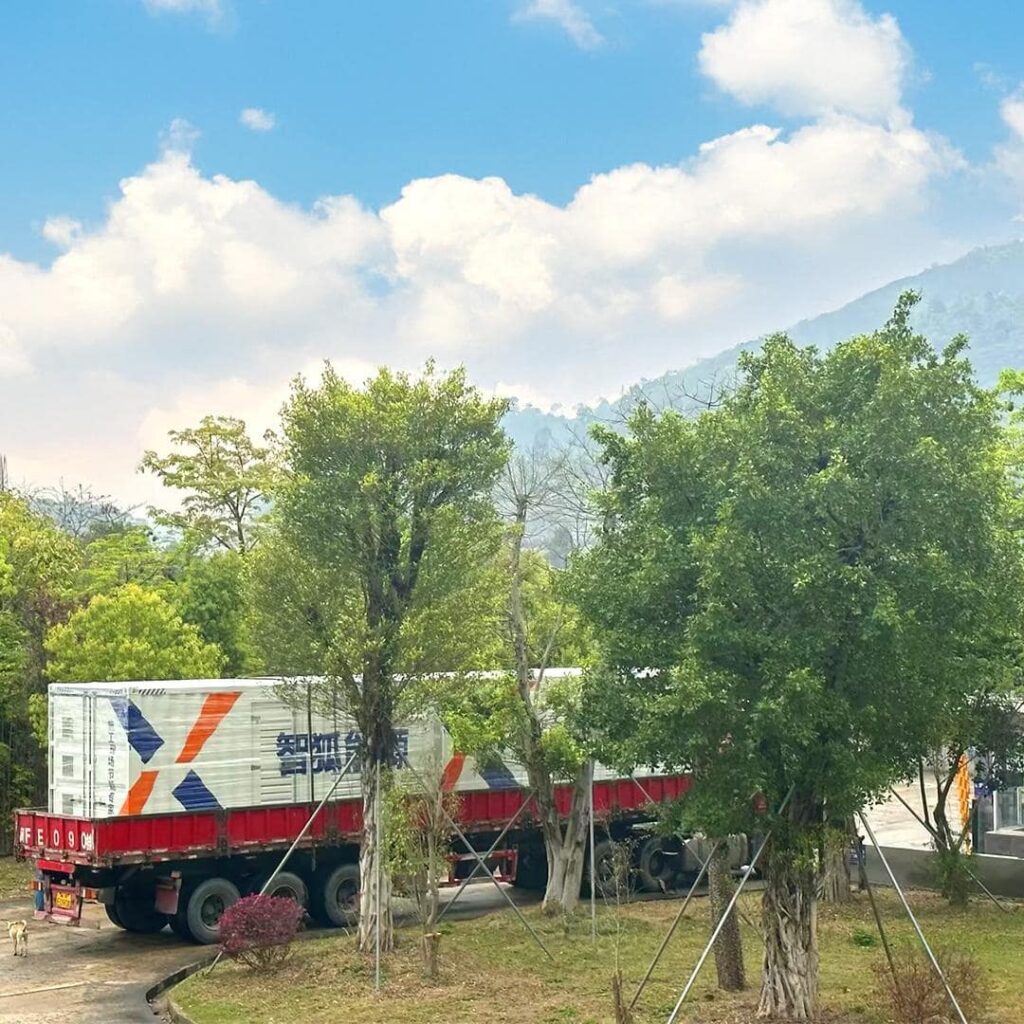
Site Logistics and Foundation: You need a suitable pad—level, reinforced, and with proper drainage. Access for heavy transport and cranes for placement must be planned. It’s not just a container; it’s a heavy piece of power equipment.
Regulatory and Interconnection: Permitting, grid interconnection agreements, and local fire codes vary by region. Navigating these requirements is crucial. Established vendors bring valuable experience here.
Technology and Service Partner: Not all containers are equal. Assess the core battery cell quality, PCS efficiency, and the sophistication of the EMS. Long-term service, remote monitoring, and performance guarantees are as important as the hardware itself. Partners like Foxtheon emphasize this lifecycle support.
5. The Future: Smarter, More Integrated Systems
The evolution of containerized energy storage is toward greater intelligence and integration. We’re seeing advancements in:
Higher Density: More storage capacity within the same footprint.
Plug-and-Play Grid Integration: Standardized interfaces for even faster interconnection.
AI-Driven Optimization: EMS platforms using machine learning to maximize revenue or savings based on real-time market and weather data.
Hybrid Solutions: Containers that seamlessly integrate multiple generation sources, like solar inverters, within a unified platform.
The goal is a fully autonomous, self-optimizing energy asset that requires minimal oversight.
Containerized energy storage is more than a trend; it’s a pragmatic response to the world’s need for flexible, resilient, and clean power infrastructure. By packaging cutting-edge battery technology into a robust, transportable, and scalable format, it removes traditional barriers to energy storage deployment.
For project developers, energy managers, and communities alike, it represents a faster, safer, and more economical path to energy security and sustainability. As the energy transition accelerates, the energy storage container will undoubtedly remain a central tool in our global toolkit. Innovators in the space, such as Foxtheon, continue to push the boundaries of what these standardized units can achieve, making sophisticated energy management accessible to all.
Frequently Asked Questions (FAQs)
Q1: How long does it typically take to deploy a containerized BESS from order to operation?
A1: While traditional systems can take 12-18 months, a standard containerized energy storage system can often be operational in 6-9 months. This includes manufacturing, shipping, site preparation, and commissioning. The on-site work is measured in weeks, not months, due to the pre-fabricated nature.
Q2: Can these containers be used in extreme climates?
A2: Yes, a properly engineered energy storage container is designed for a wide temperature range. Integrated thermal management systems (heating, ventilation, and air conditioning) maintain the battery cells within their optimal operating window, whether in freezing Arctic conditions or scorching desert heat. Specification is key.
Q3: What is the typical lifespan of a containerized system, and what about battery degradation?
A3: The overall system is designed for a 20+ year lifespan. The batteries themselves, typically LiFePO4, have an expected cycle life of 6,000+ cycles and often come with a performance warranty guaranteeing a certain residual capacity (e.g., 70%) after 10 years. The container and power equipment last significantly longer.
Q4: How is safety, particularly fire risk, managed inside a sealed container?
A4: Safety is multi-layered. It starts with cell chemistry (LiFePO4 is inherently more stable). The system includes continuous gas and temperature monitoring, an advanced battery management system (BMS) to prevent operational abuse, and a dedicated fire suppression system (like aerosol or inert gas) that floods the compartment if a threat is detected.
Q5: Can I finance a containerized BESS like other capital equipment?
A5: Absolutely. In fact, the standardized, predictable nature of a containerized BESS makes it easier to finance. Lenders and investors appreciate the defined cost, known technology, and clear deployment timeline. Many providers also offer leasing or Energy-as-a-Service (EaaS) models, where you pay for the output with little to no upfront capital.