
When a hurricane flattens a coast or an earthquake devastates a region, the immediate crisis is often followed by a prolonged struggle: the absence of power. Darkness isn’t just symbolic; it’s a tangible barrier to recovery.
For decades, the drone of diesel generators has been the soundtrack of disaster zones. But these solutions come with heavy baggage—fuel dependency, noise pollution, and carbon emissions.
A technological shift is underway. The mobile BESS for disaster relief is emerging as a smarter, cleaner, and more agile power solution. It’s not just a generator replacement; it’s a complete rethinking of how we energize recovery.
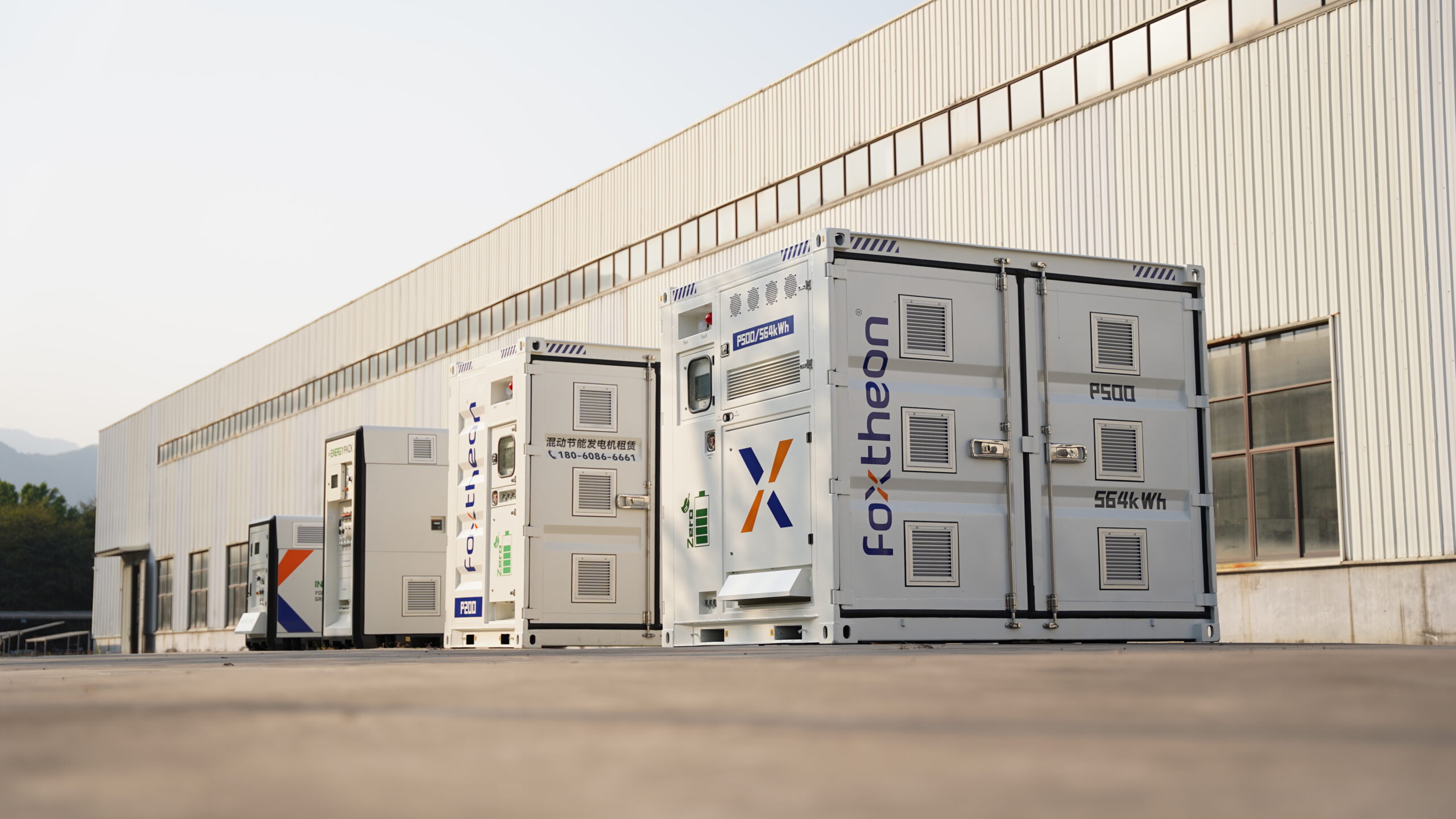
Innovators like Foxtheon are engineering these systems to meet the harsh demands of the field, providing a critical lifeline when traditional infrastructure fails.
What is a Mobile BESS? The Power Bank for a Crisis
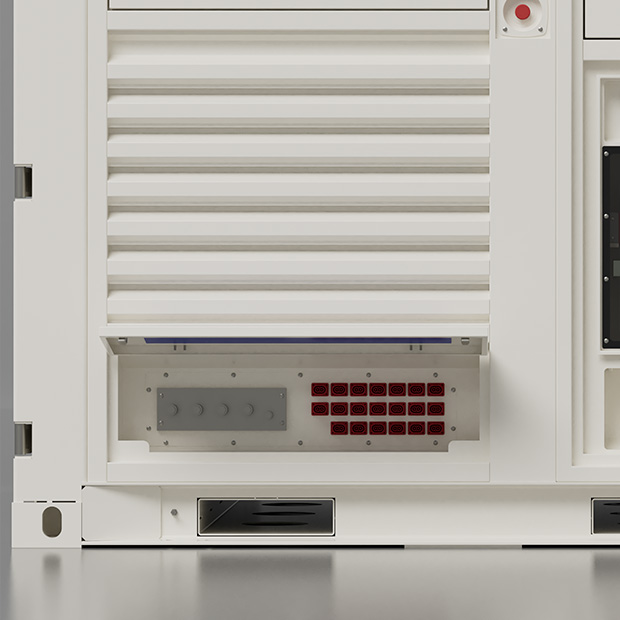
A Mobile BESS (Battery Energy Storage System) is a transportable unit that stores electrical energy. Mounted on a trailer or within a shipping container, it can be rapidly deployed to any location.
Think of it as a massive, grid-independent power reservoir. It can be pre-charged from the grid or paired with renewables on-site to create an instant, localized power grid.
The core value of a mobile BESS for disaster relief lies in its simplicity and intelligence. It delivers silent, immediate power without the logistical nightmare of constant refueling.
5 Key Ways Mobile BESS is Transforming Disaster Relief
1. Enabling Rapid Deployment and Establishing Instant Critical Infrastructure
Speed saves lives. The first 72 hours after a disaster are the most critical.
A mobile BESS can be trucked in and be operational in under an hour. This speed is invaluable for powering:
Emergency communication towers and satellite links.
Water pumping and purification systems.
Lighting for triage areas and emergency shelters.
Charging stations for medical devices and first responder equipment.
This rapid setup helps stabilize a chaotic situation faster than ever before.
2. Creating Fuel-Independent and Sustainable Operations
Fuel supply chains are fragile. Roads become impassable, and fuel deliveries can be delayed for days. A diesel generator is useless without fuel.
A mobile BESS for disaster relief breaks this dependency. Once deployed, it provides power from its stored energy reserve without a single drop of diesel. This eliminates a major point of failure in relief logistics.
When combined with mobile solar arrays, these systems can operate indefinitely, forming a resilient microgrid that powers recovery efforts for the long haul.
3. Providing Silent, Zero-Emission Power for Sensitive Environments
The constant roar of generators in a disaster zone adds to the stress and trauma of survivors. Fumes can compromise air quality in field hospitals and shelters.
A mobile BESS operates with a whisper. This silent operation is crucial for mental well-being and allows for the setup of power sources directly next to patient care areas, medical tents, and schools being used as shelters.
The zero-local-emissions profile makes it safe for indoor and enclosed spaces.
4. Supporting Microgrids for Community Resilience Hubs
Disaster response is evolving from simply providing aid to building local resilience. A mobile BESS is the perfect cornerstone for this approach.
Relief agencies can deploy these units to create “resilience hubs” in strategic locations. These hubs can power:
Community centers where people can access information and charge devices.
Local clinics and pharmacies.
Food storage and distribution points.
Companies like Foxtheon design their systems with this microgrid capability, allowing for seamless integration with various power sources.
5. Offering Versatility and Scalability for Evolving Needs
No two disasters are the same. The flexibility of a mobile BESS for disaster relief is one of its greatest strengths.
A single trailer-mounted unit can power a small command post. Multiple containerized systems can be linked together to power an entire field hospital or a base camp for hundreds of responders.
This modular nature allows relief organizations to scale power up or down based on the specific and changing demands of the operation.
The Operational Advantage: Beyond the Basics
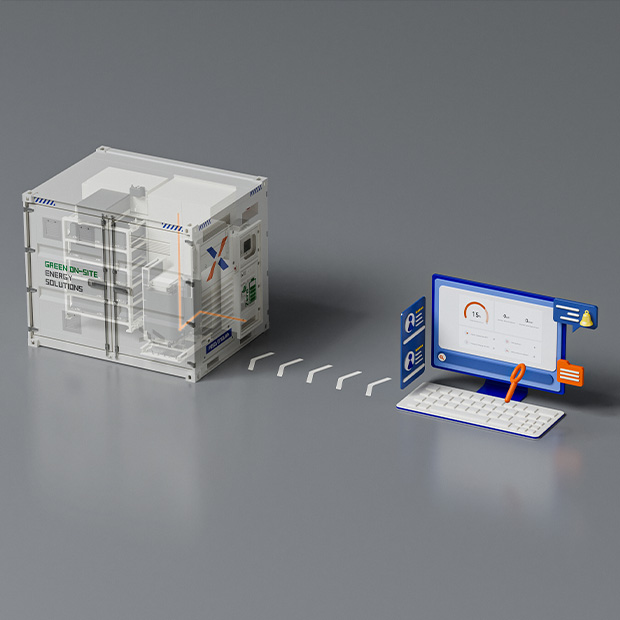
The benefits go beyond the five key areas. A modern mobile BESS comes with sophisticated energy management software.
This allows operators to remotely monitor performance, prioritize critical loads, and schedule power usage to maximize runtime. This level of control is impossible with traditional generators.
A Glimpse into the Future
The future of disaster response is mobile, modular, and smart. As battery densities improve and costs fall, the adoption of mobile BESS for disaster relief will become standard practice.
We will see fleets of these units pre-positioned in high-risk areas, ready to roll at a moment’s notice. Their integration with AI and predictive analytics will further optimize their deployment and use.
Foxtheon and other leaders are committed to advancing this technology, ensuring that when the next disaster strikes, the power will be on.
Frequently Asked Questions (FAQ)
Q1: How is a mobile BESS different from a large power bank or generator?
A1: A mobile BESS is essentially an industrial-scale, smart power bank. Unlike a simple power bank, it can power entire buildings and critical infrastructure. Unlike a generator, it provides silent, fuel-free power and can be instantly controlled and monitored digitally.
Q2: What happens when the battery runs out? How is it recharged in a disaster zone?
A2: This is a key planning consideration. A mobile BESS can be recharged in several ways: by a diesel generator (used only for charging, which is more efficient), by connecting to a restored grid connection, or ideally, by pairing it with a mobile solar array for continuous, renewable charging.
Q3: Are these systems rugged enough for harsh disaster environments?
A3: Yes, reputable manufacturers design mobile BESS for disaster relief with durability in mind. They are typically housed in weatherproof, shock-absorbent, and sometimes temperature-controlled containers to withstand transport and operation in tough conditions.
Q4: Who are the primary users of this technology?
A4: Users include national and international disaster management agencies (like FEMA), humanitarian organizations (like the Red Cross), utility companies for grid restoration, and even military units engaged in humanitarian missions.
Q5: Is the cost of a mobile BESS justified for disaster relief organizations?
A5: While the initial investment is significant, the Total Cost of Ownership (TCO) analysis often favors a mobile BESS. Savings on ongoing fuel, reduced maintenance, and the immense operational benefits of silent, instant, and resilient power make it a highly cost-effective solution over time.