
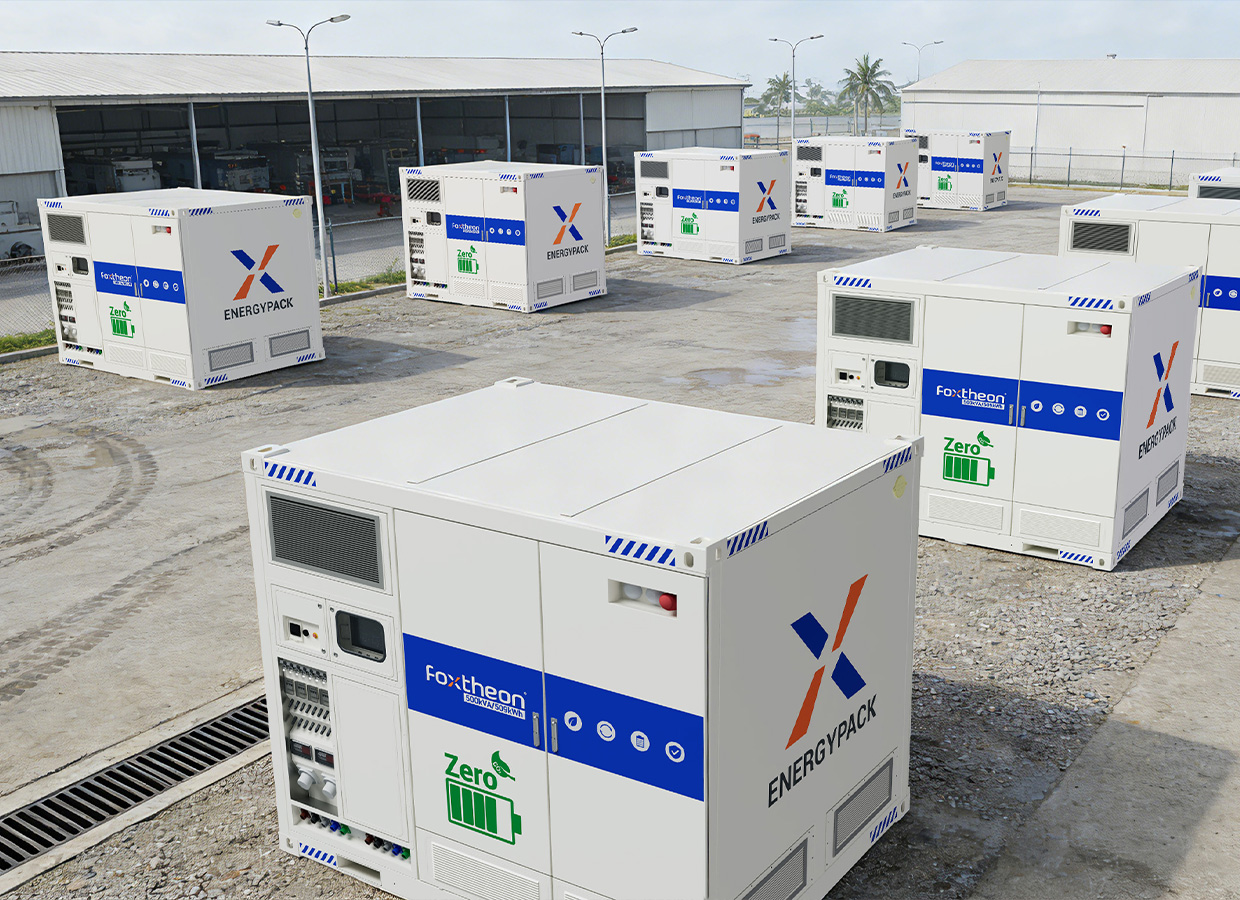
Reliable power delivery remains a significant hurdle for regions with underdeveloped electrical infrastructure. These “weak grids” suffer from high impedance and low short-circuit ratios. When renewable energy sources like wind and solar connect to these points, voltage instability often follows. Implementing robust weak grid stability solutions is now a priority for engineers working in the international smart energy sector.
Companies such as Foxtheon address these challenges by providing specialized hardware that reinforces fragile networks. Without these interventions, the transition to green energy could stall in the very places that need it most. A weak grid lacks the “stiffness” required to maintain a steady frequency and voltage when loads change or weather shifts.
Understanding the Technical Nature of Weak Grids
A weak grid typically exists at the end of long transmission lines or in remote areas with sparse generation. The Short Circuit Ratio (SCR) helps engineers measure this weakness. A low SCR indicates that the grid cannot easily absorb the fluctuations caused by inverter-based resources like solar panels.
When a large solar farm injects power into a weak point, the local voltage may rise uncontrollably. Conversely, a sudden drop in cloud cover can cause a voltage dip that triggers protective equipment. These oscillations threaten the equipment and the reliability of the local power supply.
High grid impedance leads to significant voltage drops over distance.
Low inertia makes the frequency sensitive to minor changes in demand.
Intermittent renewable output creates rapid transients that the grid cannot dampen.
Why We Need Weak Grid Stability Solutions Now
The shift toward decentralized energy means we are connecting more power at the “edges” of the network. Traditional grids were designed for a one-way flow from massive central plants. Today, the flow is bidirectional and unpredictable. This change necessitates advanced weak grid stability solutions to prevent localized blackouts.
By using modern technology, operators can turn a fragile connection into a resilient one. These solutions do more than just fix problems; they allow for more renewable energy to be hosted on existing lines. This avoids the massive capital expenditure required to rebuild hundreds of miles of transmission cables.
The Role of Grid-Forming Inverters
Standard inverters are “grid-following.” They essentially copy the voltage and frequency they detect. If the grid is weak, these inverters often struggle to stay synchronized. Grid-forming inverters, however, act as a reference point. They dictate the voltage and frequency, providing a steady foundation for the rest of the local network.
These inverters provide “synthetic inertia.” While they don’t have a physical spinning mass, their software mimics the behavior of a heavy turbine. This digital response happens in milliseconds, far faster than any mechanical system could react.
Top Technologies for Enhancing Grid Resilience
Several hardware and software strategies exist to manage these issues. Each project requires a tailored mix of weak grid stability solutions based on the local SCR and the type of energy being produced.
1. Advanced Battery Energy Storage Systems (BESS)
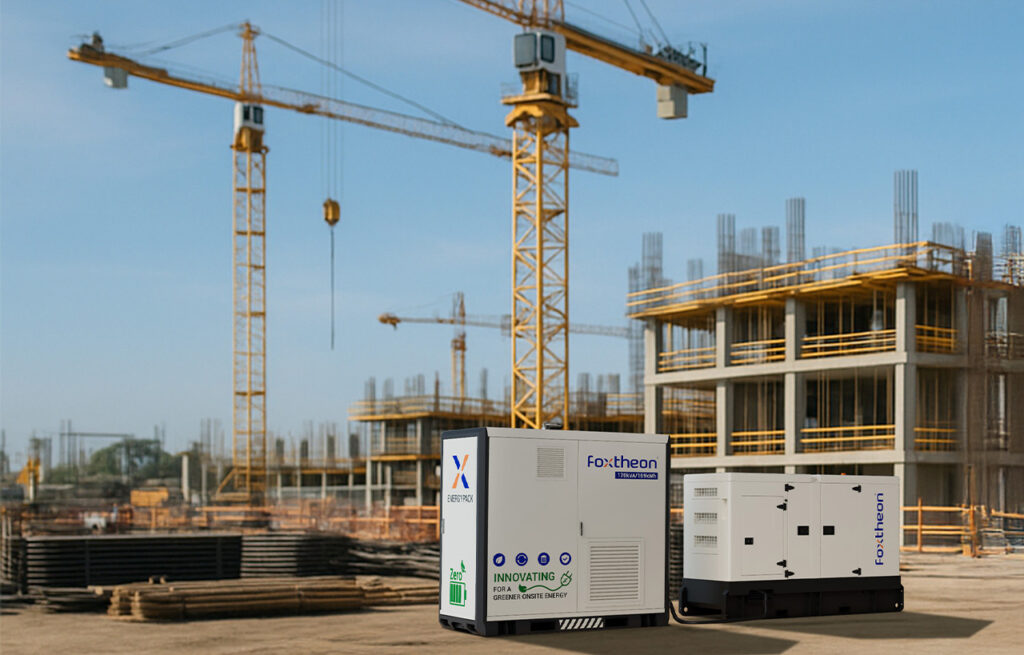
A BESS is the most versatile tool in the cabinet. It can absorb excess power during peak production and discharge it during a slump. Foxtheon develops high-performance energy storage units that specifically target the needs of weak networks. These systems provide the fast-acting reserve necessary to keep the frequency within safe limits.
Fast frequency response (FFR) stabilizes the grid within cycles.
Active power injection balances sudden load increases.
Voltage support prevents equipment from tripping offline during surges.
2. Synchronous Condensers
A synchronous condenser is essentially a large motor that spins without being connected to a load. It provides physical inertia and reactive power. While it is an older technology, it remains one of the most effective weak grid stability solutions for very large solar and wind farms. It strengthens the grid physically, making it easier for electronic inverters to synchronize.
3. STATCOM and SVC Integration
Static Synchronous Compensators (STATCOM) and Static Var Compensators (SVC) provide reactive power support. They do not store energy for long periods like a battery. Instead, they “clean up” the power quality. They act like a shock absorber for voltage, ensuring that the electrical “pressure” remains constant even when the current fluctuates.
4. Harmonic Filtering and Active Power Filters
Weak grids are prone to harmonic distortion. This is like “noise” in the electrical signal that can overheat transformers and damage sensitive electronics. Active power filters detect this noise and inject an equal and opposite signal to cancel it out. This ensures that the power remains a clean sine wave.
How Foxtheon Improves Local Energy Quality
Foxtheon integrates several of these strategies into their modular energy products. Their focus on the international smart energy market means their designs account for the harsh conditions found in remote mining sites or rural townships. By combining high-density storage with intelligent control logic, they offer some of the most reliable weak grid stability solutions available today.
Their systems use advanced algorithms to predict when the grid might become unstable. This proactive approach prevents issues before they affect the end-user. Whether it is a microgrid in a desert or a wind farm on a coastal cliff, their technology provides the necessary backbone for stable operation.
Implementing Smart Control Algorithms
Software is just as important as hardware. Modern control logic allows different devices to “talk” to each other. When a solar inverter detects a voltage rise, it communicates with the BESS to begin charging. This coordinated effort dampens the swing before it propagates through the network.
Virtual Synchronous Machine (VSM) algorithms simulate mechanical stability.
Droop control allows multiple units to share the stabilization load.
Low-voltage ride-through (LVRT) ensures systems don’t shut down during minor faults.
The Economic Impact of a Stable Grid
An unstable grid is expensive. It leads to frequent downtime, which hurts industrial productivity. It also shortens the lifespan of machinery. Motors running on poor-quality power run hotter and fail sooner. By investing in weak grid stability solutions, companies save money over the long term through reduced maintenance and consistent uptime.
Furthermore, many grid operators now impose strict “grid codes.” If a renewable energy site causes too much instability, the operator will disconnect it. This results in lost revenue for the power producer. Installing stabilization hardware is often the only way to meet these regulatory requirements and stay in business.
Reduced Equipment Failure: Clean power protects sensitive industrial tools.
Higher Revenue: Avoid “curtailment” where you are forced to stop producing power.
Local Job Growth: Stable power attracts businesses to remote areas.
Incentives: Many governments provide subsidies for grid-strengthening projects.
Overcoming Obstacles in Rural Electrification
In many developing regions, the grid is “weak” by definition. It consists of thin wires and old transformers. Introducing a weak grid stability solutions package is the most cost-effective way to modernize these areas. Instead of replacing every pole and wire, an operator can install a centralized stabilization hub.
These hubs act as a buffer between the national grid and the local community. They protect the local town from national-level fluctuations while ensuring that local solar panels don’t disrupt the national system. This “buffer” concept is essential for the rapid expansion of global electricity access.
Hybrid Systems: The Gold Standard
The most resilient sites often use a hybrid approach. They might combine a small synchronous condenser for physical inertia with a large Foxtheon BESS for energy management. This layered defense ensures that no single failure can bring down the entire system.
Future Outlook for Energy Network Stabilization
As we move toward 2030 and beyond, the definition of a “strong grid” will change. We will move away from huge spinning masses toward a software-defined power network. The intelligence found in modern weak grid stability solutions will become the standard for every substation.
We expect to see more “edge-of-grid” devices that handle stability at the household level. Smart houses with their own batteries will coordinate to keep the neighborhood frequency stable. This hive-mind approach to energy management represents the next frontier in global power engineering.
Foxtheon is positioned at the center of this evolution. Their commitment to research and development ensures that their weak grid stability solutions stay ahead of the curve. By providing the tools needed to manage low-SCR environments, they are helping build a cleaner and more reliable future for everyone.
Frequently Asked Questions
Q1: What is the main cause of a weak grid?
A1: A weak grid is usually caused by a high impedance path to the main generation sources. This often happens in remote locations where the transmission lines are very long or the local infrastructure is outdated.
Q2: How do weak grid stability solutions prevent blackouts?
A2: These solutions provide rapid reactive power and synthetic inertia. This prevents the frequency and voltage from swinging outside of safe limits when a fault occurs or when a large load is turned on.
Q3: Can solar power work without these stability solutions?
A3: In a strong urban grid, solar usually works fine without extra hardware. However, in a weak grid, adding too much solar without weak grid stability solutions will cause voltage spikes and frequent system trips.
Q4: Is a BESS enough to fix a weak grid?
A4: For many applications, a high-quality BESS from a company like Foxtheon is sufficient. However, in extremely weak networks, engineers might combine the BESS with a synchronous condenser or a STATCOM for total protection.
Q5: What is the “Short Circuit Ratio” (SCR) exactly?
A5: The SCR is the ratio of the short-circuit capacity of the grid at a specific point to the rated capacity of the renewable energy system being connected. A ratio below 3 is typically considered a weak grid.
Q6: Do these solutions require constant maintenance?
A6: Most modern solid-state solutions like grid-forming inverters and BESS require very little maintenance compared to traditional rotating machinery. They are monitored remotely via software, which alerts operators to any issues.