
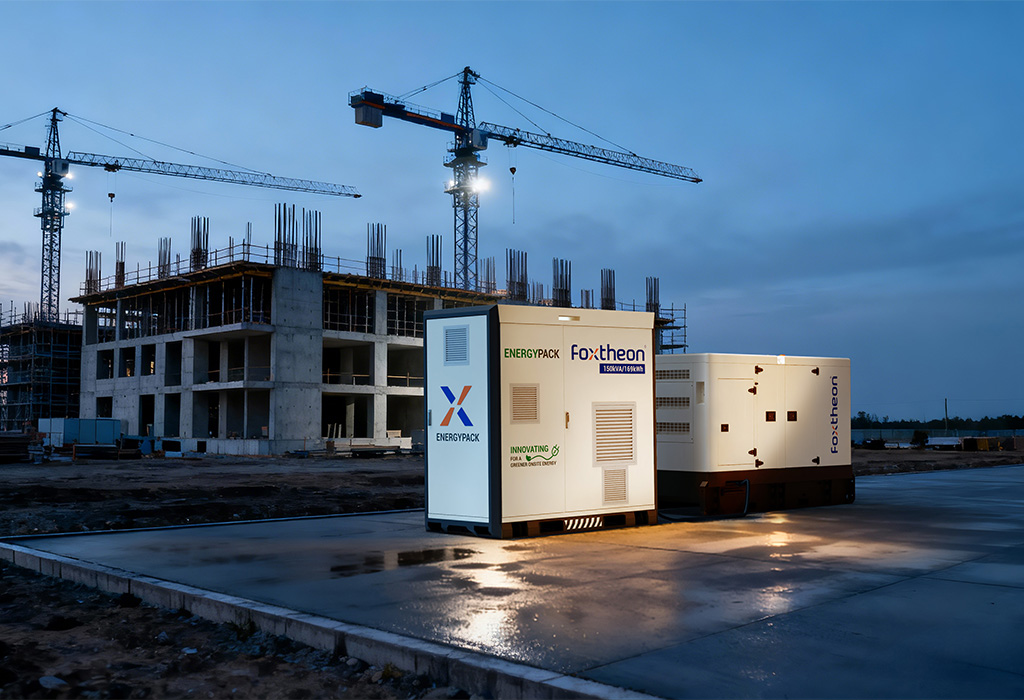
Mining operations demand constant, reliable electricity to function safely and profitably. A sudden grid blackout deep underground creates immediate hazards for personnel. It also abruptly halts valuable mineral production lines. Implementing effective power failure risk mitigation for mines requires modern, international smart energy solutions.
Companies need robust systems that react instantly to voltage drops. Industry leaders like Foxtheon design hybrid storage systems specifically to tackle these extreme industrial challenges. When operators rely strictly on fragile local grids, they leave their heavy assets entirely vulnerable. You must secure your power supply to ensure uninterrupted, safe excavation.
Deploying intelligent electrical infrastructure changes how industrial sites handle energy crises. You transition from a reactive approach to a proactive, highly secure power management strategy. Let us examine the crucial technical components required to protect your extraction facility.
Understanding Power Failure Risk Mitigation for Mines
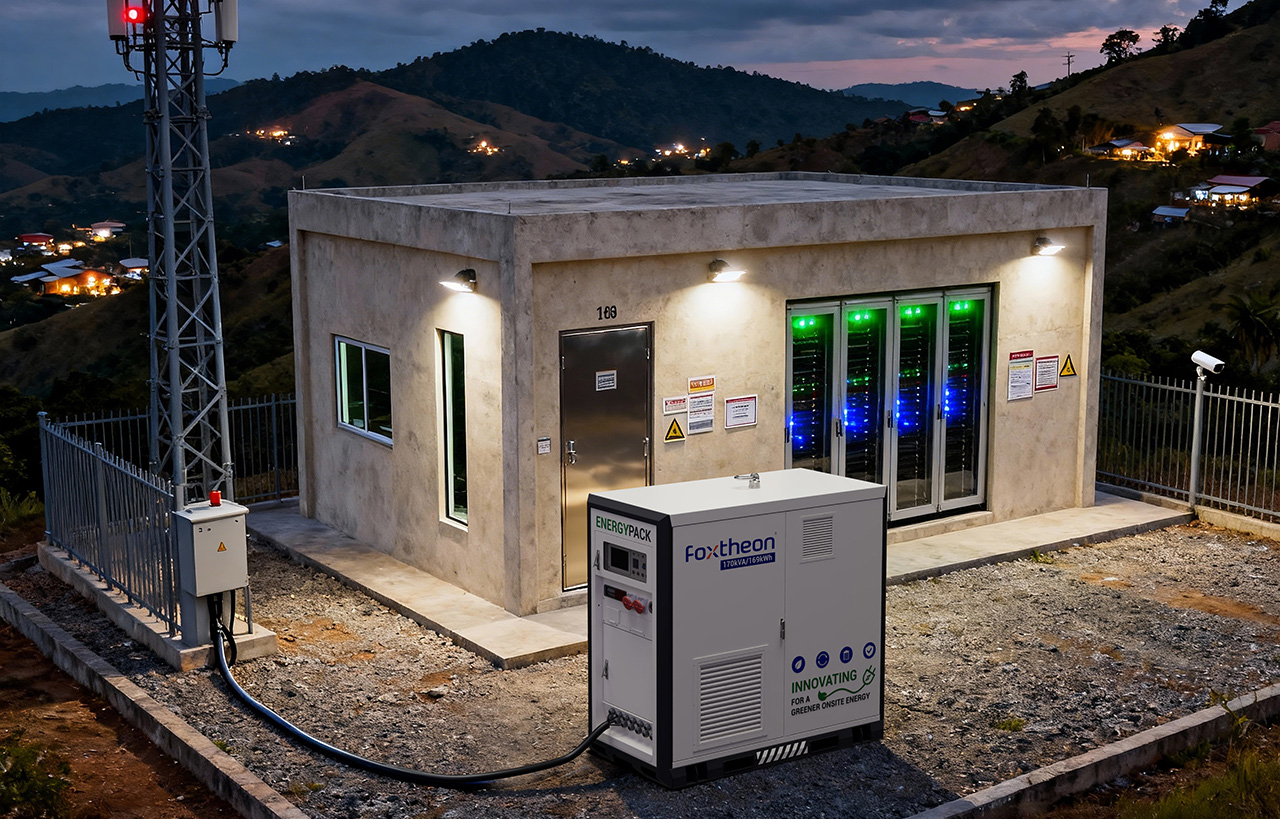
Grid instability poses a massive threat to industrial operations globally. Remote extraction sites often sit at the very edge of aging utility networks. You must fully understand the risks before designing an effective backup solution.
The True Cost of Grid Outages
Grid interruptions cost mining facilities millions of dollars annually in lost revenue. Equipment damage often occurs when heavy machinery suddenly loses power during an active load cycle. Restarting a complex processing plant takes hours of careful recalibration and manual safety checks.
This unexpected downtime destroys daily extraction quotas and ruins overall operational efficiency. You also face strict environmental penalties if power losses cause untreated wastewater spills.
Loss of hourly production revenue
Permanent damage to specialized drilling motors
Wasted man-hours during massive facility restarts
Missed shipping deadlines and logistical bottlenecks
Critical Safety Concerns Underground
Human safety remains the absolute most pressing reason to upgrade your electrical infrastructure. Subterranean ventilation systems must run continuously to clear toxic gases from deep shafts. If the primary grid fails, miners face immediate, life-threatening atmospheric conditions.
Water pumps also require constant power to prevent lower tunnels from flooding rapidly. Effective power failure risk mitigation for mines guarantees that these vital life support systems never shut down. Smart energy controllers detect grid anomalies and switch to backup reserves in milliseconds.
Core Technologies Driving System Reliability
Modernizing your facility requires specific hardware designed for heavy industrial applications. You need technologies capable of handling massive electrical surges and harsh environments.
Battery Energy Storage Systems (BESS)
Industrial battery arrays provide the fastest possible response to unexpected electrical blackouts. Unlike mechanical generators, chemical energy storage delivers full power capacity instantly. This instantaneous transfer prevents sensitive computer systems and automated haul vehicles from crashing.
Modern BESS installations utilize advanced lithium-ion cells with extensive thermal management. These systems store massive amounts of energy during off-peak hours for emergency deployment. They act as the absolute primary defense line against sudden utility disconnections.
Microgrid Integration
A microgrid allows a mining site to detach from the main utility grid entirely. This “islanding” capability proves vital during widespread regional blackouts or severe weather events. You create a self-sustaining energy network that manages its own local generation and distribution.
Microgrids balance loads intelligently, routing electricity only to critical safety and extraction equipment.
Seamless transition to island mode during grid instability
Automated load shedding of non-essential machinery
Integration of multiple independent power sources
Real-time voltage and frequency regulation
Optimizing Diesel Generators
Legacy sites still rely heavily on massive diesel generators for their backup power. However, relying solely on mechanical generation creates a dangerous gap in power continuity. Generators take several minutes to physically spool up, leaving the facility temporarily dark.
Forward-thinking brands like Foxtheon integrate battery storage heavily with traditional diesel units. This hybrid approach allows the batteries to bridge the gap while the large engines start. Consequently, you reduce mechanical wear and significantly lower heavy fuel consumption.
Overcoming Environmental Hardware Challenges
Extraction sites present some of the harshest physical environments on the planet. Your electrical backup equipment must withstand extreme conditions without failing.
Extreme Temperatures and Thermal Management
Many facilities operate in scorching deserts or freezing high-altitude mountain ranges. Batteries and inverters lose efficiency and degrade quickly if exposed to extreme ambient temperatures. You must install robust HVAC cooling systems within your modular battery containers.
Liquid cooling systems pump thermal fluid directly across the battery cells to maintain perfect operating temperatures. This temperature control drastically improves the lifespan of your energy storage hardware.
Dust, Moisture, and Enclosure Ratings
Airborne rock dust coats electrical panels and causes severe short circuits if left unchecked. Your mitigation hardware requires strict IP67-rated enclosures to block microscopic particles and heavy moisture.
Engineers must seal all switchgear and inverter cabinets completely against the outside environment. Routine physical inspections ensure that protective seals remain intact after heavy localized blasting.
Implementing Smart Energy Infrastructure
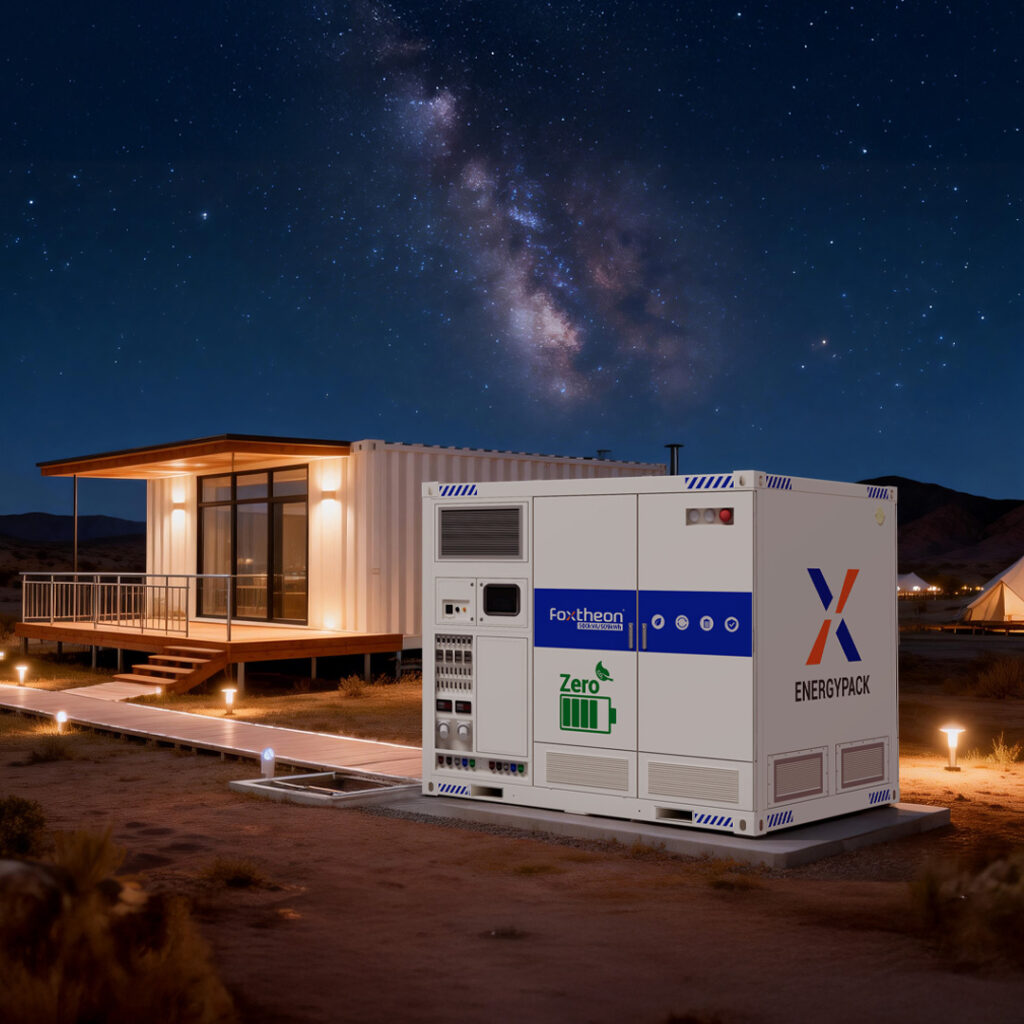
Modern risk mitigation relies heavily on proactive data analysis and continuous equipment monitoring. You must digitize your power management to achieve maximum reliability.
Predictive Maintenance and AI Monitoring
Artificial intelligence algorithms scan your entire electrical network for microscopic voltage fluctuations continuously. These advanced systems identify failing transformers or degraded cables long before they cause a total blackout. Maintenance teams receive automated alerts directing them to the exact point of weakness immediately.
Replacing a worn component during scheduled downtime prevents chaotic emergency repairs later. Active digital monitoring maximizes the lifespan of your expensive energy storage hardware.
Renewable Energy Hybrids
Remote locations frequently struggle with inconsistent fuel deliveries for their massive diesel generators. Integrating huge solar arrays and wind turbines reduces this dangerous dependency on external supply chains. Renewable sources actively charge your battery systems during the day to prepare for night operations.
This continuous charging cycle forms a robust strategy for power failure risk mitigation for mines. You gain absolute energy independence while drastically cutting your site’s carbon emissions. Sustainable microgrids provide highly reliable power even in the most isolated global locations.
Decreased reliance on expensive fuel transport trucks
Lower daily operational expenses and improved margins
Compliance with strict international emission regulations
Stable electricity pricing regardless of global fossil fuel markets
Financial Benefits of Consistent Power
Investing in backup infrastructure requires significant upfront capital. However, the long-term economic advantages completely justify the initial equipment expenditure.
Reducing Peak Demand Charges
Utility companies penalize massive industrial consumers heavily during peak grid usage hours. Smart energy storage systems allow you to discharge batteries strategically during these expensive periods. This strategy, known as peak shaving, slashes your monthly electricity bills drastically.
You redirect these substantial financial savings directly into further infrastructure upgrades and site safety. A properly sized BESS pays for itself purely through these daily demand charge reductions. Therefore, blackout protection actually functions as a highly lucrative financial asset.
Securing Insurance and Compliance
Insurance premiums for heavy industrial operations depend directly on your demonstrated safety protocols. Sites lacking redundant power supplies face exorbitant rates due to massive operational risks. Installing robust power failure risk mitigation for mines proves to underwriters that you take safety seriously.
You secure much better coverage rates and lower your total operating overhead. Regulatory bodies also mandate strict backup power requirements for subterranean ventilation and water management. Compliance prevents costly government fines and forced, unannounced site closures.
Best Practices for System Design
Purchasing hardware represents only one small part of the power security equation. You must engineer the system specifically for your unique facility.
Conducting Thorough Site Audits
You must understand your exact electrical load requirements before purchasing backup hardware. Engineers conduct detailed site audits to measure the absolute peak draw of all heavy machinery. They identify which conveyor belts, rock crushers, and ventilation fans require prioritized emergency power.
This precise data dictates the exact capacity of your battery modules and microgrid controllers.
Install digital power meters on all critical extraction machinery
Record daily and seasonal fluctuations in total electricity usage
Simulate various blackout scenarios to test automatic system response
Plan physical concrete space for future battery container expansion
Training Local Technical Staff
Advanced smart grid hardware requires highly knowledgeable personnel to maintain optimal daily performance. You must train your onsite electrical engineers to interact seamlessly with the new management software. They need to understand exactly how to bypass specific battery racks safely during routine maintenance.
Proper technical training ensures minor digital glitches never escalate into full facility blackouts. A well-trained staff maximizes the reliability of your expensive power continuity infrastructure.
Future-Proofing Heavy Industrial Operations
The global transition toward total electrification means operations will consume even more electricity. Electric haul trucks and automated subterranean drills demand massive, highly stable power reserves to function. Your facility must expand its energy infrastructure proactively to support this incoming technology.
Scaling your localized microgrid and battery storage capacity guarantees long-term operational stability. Robust power failure risk mitigation for mines gives you the ultimate confidence to adopt next-generation extraction tools. You stay far ahead of international competitors who still suffer from unpredictable grid connections.
Securing a continuous, highly stable electricity supply defines the success of modern extraction facilities. Unpredictable grid outages threaten personnel safety and utterly devastate daily production quotas. You must prioritize power failure risk mitigation for mines to protect your valuable industrial investments.
International smart energy developers like Foxtheon provide the exact hybrid storage technologies required for this critical task. By deploying intelligent microgrids and instant battery reserves, you guarantee absolute operational continuity. Protect your heavy machinery, safeguard your crew, and maximize your site’s long-term profitability starting today.
Frequently Asked Questions (FAQ)
Q1: What exactly does power failure risk mitigation for mines involve?
A1: It involves designing and installing redundant electrical systems like battery storage and advanced microgrids. These technologies instantly provide backup electricity if the main regional utility grid suddenly fails.
Q2: Why are traditional diesel generators no longer sufficient on their own?
A1: Diesel generators require several minutes to physically start up and reach the required voltage levels. This mechanical delay leaves critical machinery and ventilation systems without power, creating significant safety hazards.
Q3: How do battery energy storage systems (BESS) improve site safety?
A1: BESS units discharge stored electricity in mere milliseconds upon detecting a grid outage. This instantaneous response ensures subterranean air quality systems and massive water pumps never shut down.
Q4: Can these mitigation systems actually save the facility money?
A1: Yes. Smart microgrids allow sites to perform peak shaving, which lowers expensive utility demand charges. They also prevent physical equipment damage and stop millions of dollars in lost revenue caused by forced downtime.
Q5: Do renewable energy sources play a role in backup power strategies?
A1: Absolutely. Solar and wind integrations charge your battery reserves completely independently of fossil fuel supply chains. This localized generation creates true energy independence for remote, off-grid extraction operations.