
The global push for resilient and sustainable energy infrastructure has made Battery Energy Storage Systems (BESS) a cornerstone of modern power management. Among the various deployment options, the CSC certified containerized BESS stands out as a robust, versatile, and globally compliant solution. This article explores why this specific configuration is becoming the preferred choice for international projects.
We’ll delve into its core advantages, from unmatched mobility to rigorous safety compliance, focusing on the tangible value it delivers to developers, utilities, and EPC firms worldwide. Industry leaders like Foxtheon leverage this very approach to deliver reliable, turnkey energy storage solutions.
What is a CSC Certified Containerized BESS?
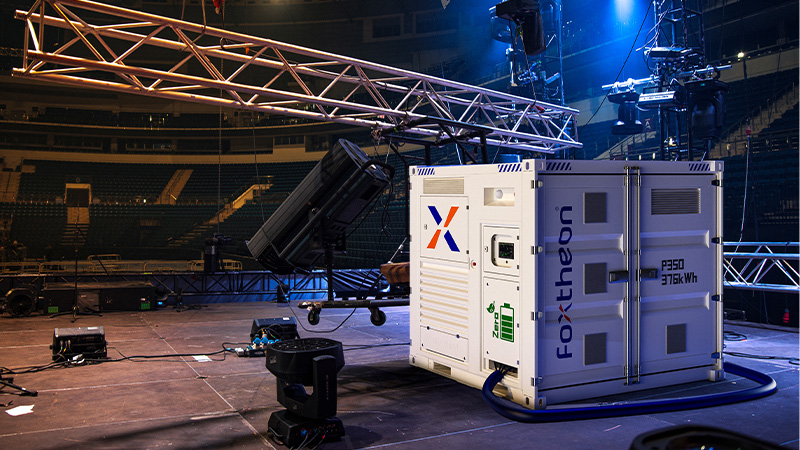
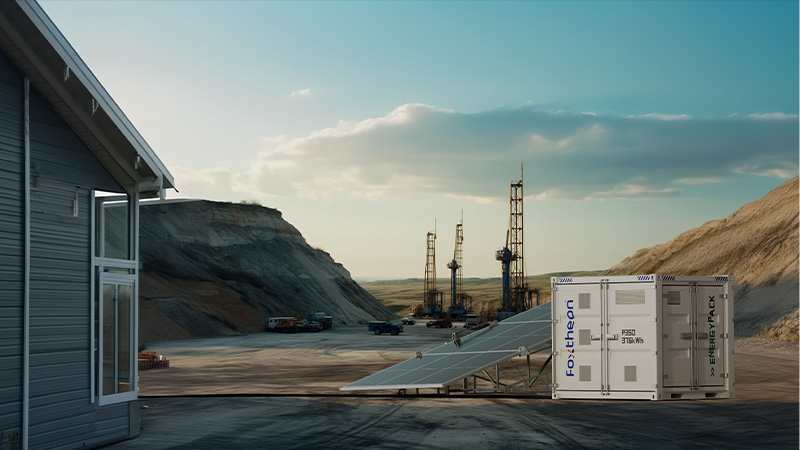
A containerized BESS is a pre-assembled energy storage system housed within a standard shipping container. This “plug-and-play” design integrates batteries, thermal management, power conversion systems (PCS), and fire suppression into a single, transportable unit.
The CSC certification (International Convention for Safe Containers) is the critical differentiator. It is a mandatory global safety standard for the international transport and handling of shipping containers. A CSC certified containerized BESS is not just a product in a box; it is a certified cargo-worthy unit designed for safe, repeated ocean and land freight.
Why the CSC Plate Matters: More Than Just a Stamp
The CSC plate signifies that the container structure itself has passed rigorous tests for strength, durability, and safety. For a BESS, this certification is not an afterthought—it’s fundamental.
It guarantees that the enclosure can withstand the stresses of global logistics: stacking, dynamic forces during transit, and harsh environmental exposure. This directly translates to lower insurance costs, smoother customs clearance, and long-term asset integrity. Investing in a CSC certified containerized BESS means investing in a globally recognized standard of safety and reliability.
Core Advantage 1: Unmatched Mobility and Rapid Deployment
The primary benefit is mobility. These systems are essentially pre-fabricated power plants on skids, ready for rapid dispatch.
Site preparation can occur in parallel with system manufacturing and transport. Upon arrival, the CSC certified containerized BESS is simply positioned, connected to the site’s electrical infrastructure, and commissioned. This slashes project timelines from months to weeks, enabling faster revenue generation for commercial projects or quicker grid stabilization for utilities.
Core Advantage 2: Rigorous, Built-in Safety and Protection
Safety is paramount in energy storage. A high-quality containerized BESS is engineered with multiple protection layers.
The CSC-certified steel structure provides a robust first barrier against physical impact and environmental ingress. Inside, advanced Battery Management Systems (BMS), active climate control, and dedicated fire detection and suppression systems (often using aerosol or chemical agents) operate continuously. This multi-tiered approach, housed within a certified shell, creates a secure environment for the battery modules.
Core Advantage 3: Simplified Logistics and Global Compliance
Navigating international shipping regulations is complex. The CSC certification acts as a universal passport for the container shell.
Freight forwarders and port authorities immediately recognize it, streamlining the entire logistics process. This eliminates potential delays and additional costs associated with non-compliant structures. For projects across Europe, Asia, Africa, or the Americas, specifying a CSC certified containerized BESS ensures seamless port-to-site mobility.
Core Advantage 4: Scalability and Flexible Configuration
Energy needs evolve. The modular nature of containerized systems allows for straightforward scaling.
Projects can start with a single CSC certified containerized BESS unit and add more as demand increases. This phased investment reduces upfront capital risk. Furthermore, containers can be configured for different purposes—some may house batteries, while others can contain PCS or transformer equipment—creating a optimized, multi-container storage farm.
Core Advantage 5: Enhanced Grid Services and Reliability
These systems are not just for backup power. They are dynamic grid assets.
A CSC certified containerized BESS can provide critical services like frequency regulation, peak shaving, and renewable energy smoothing (solar/wind firming). Their rapid response capabilities help stabilize grids, defer costly infrastructure upgrades, and integrate higher shares of variable renewables. Their deployment can be temporary or permanent, offering utilities unmatched flexibility.
Ideal Applications Across the Energy Spectrum
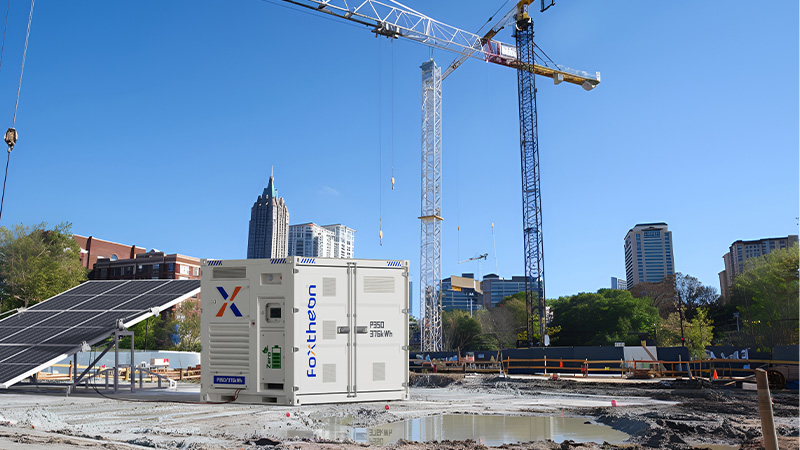
The application range for these mobile units is vast:
Utility-Scale Storage: Deployed at substations or alongside renewable farms.
Commercial & Industrial (C&I): Providing peak shaving and backup power for factories, data centers, and campuses.
Microgrids & Off-Grid Power: Serving as the core storage component for remote communities or islands.
Emergency Power & Grid Support: Quickly transported to areas affected by outages or natural disasters.
Mining & Construction: Providing clean, silent power for temporary sites.
Choosing the Right Provider: Key Considerations
When sourcing a CSC certified containerized BESS, look beyond the container itself. Key evaluation points include:
Battery Chemistry & Quality: (e.g., LFP lithium-ion for enhanced safety and cycle life).
System Integration: Seamless operation of BMS, PCS, and controls from a single provider.
Warranty and Performance Guarantees: Clear terms on throughput and degradation.
Software & Control Capabilities: Advanced energy management system (EMS) for optimal revenue stacking.
Manufacturer’s Expertise: Proven track record in system design, integration, and global delivery.
Leading providers, such as Foxtheon, combine deep system integration expertise with a firm commitment to international standards. Their approach to the CSC certified containerized BESS focuses on delivering not just a product, but a reliable, performance-guaranteed asset that meets the complex demands of global energy markets.
The CSC certified containerized BESS represents a maturation of energy storage technology into a standardized, bankable, and globally deployable asset class. It successfully addresses the critical challenges of time-to-market, logistical complexity, safety compliance, and scalability.
For any organization looking to deploy storage—whether for grid support, commercial savings, or renewable integration—prioritizing a CSC-certified containerized solution is a strategic decision that mitigates risk and ensures long-term value. As the industry evolves, this model will continue to be a fundamental building block for a more flexible and resilient energy future worldwide.
Frequently Asked Questions (FAQs)
Q1: What exactly does the CSC certification cover for a BESS?
A1: The CSC certification specifically covers the structural integrity and safety of the shipping container itself. It certifies that the container’s frame, walls, and corner castings can withstand the forces of international stacking and transport. It does not certify the internal electrical or battery systems, which must comply with separate standards like UL, IEC, or UN38.3.
Q2: How does a containerized BESS simplify transportation compared to a non-containerized system?
A2: A CSC certified containerized BESS is designed for standard intermodal transport. It can be easily handled by existing global infrastructure—container ships, rail cars, and trucks—without special permits or handling equipment. Non-containerized systems often require complex disassembly, custom crating, and more complicated on-site reassembly, increasing cost, time, and risk.
Q3: Are CSC certified containers safe for housing high-energy battery systems?
A3: Yes, when properly engineered. The CSC shell is the first layer of protection. Reputable manufacturers integrate comprehensive internal safety systems: active cooling, inert gas or aerosol fire suppression, continuous gas detection, and isolation systems. The robust container provides excellent segregation from external fires and physical damage, contributing to a defense-in-depth safety strategy.
Q4: Can the units be easily expanded or upgraded after deployment?
A4: Scalability is a key strength. Additional CSC certified containerized BESS units can be delivered and connected in parallel to increase total storage capacity. Upgrading internal components (like batteries) is more complex but is facilitated by the modular, accessible design of the container. The best approach is to plan for future capacity in the initial electrical interconnection design.
Q5: What are the main site requirements for installing one of these systems?
A5: Site requirements are significantly reduced. Key needs include a level, reinforced concrete pad (or equivalent stable foundation), proper clearances for safety and maintenance access, and connection points for the medium-voltage/low-voltage electrical grid and communication lines. Due to their all-weather design, extensive sheltering is not required, simplifying site selection.