
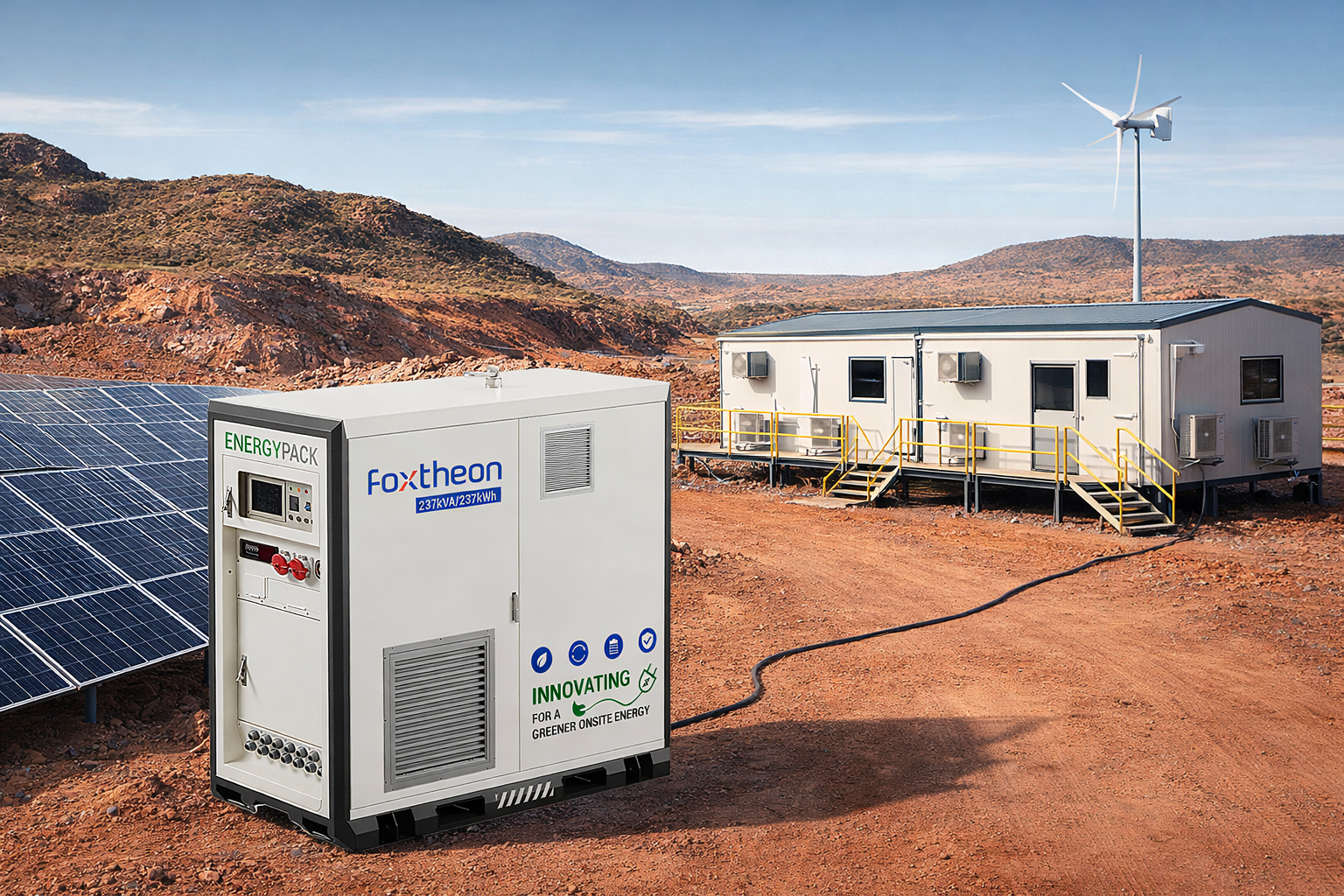
Grid instability severely complicates modern industrial operations. Facilities constantly draw power at uneven rates throughout the day, causing massive stress on public electrical networks. To combat this uneven distribution, international smart energy solutions rely heavily on advanced storage technology.
Implementing a highly efficient BESS for load leveling smooths out these erratic consumption patterns perfectly. The system absorbs excess electricity from the grid during quiet, low-demand hours. It securely holds this energy in high-capacity lithium cells until the facility requires a massive power draw.
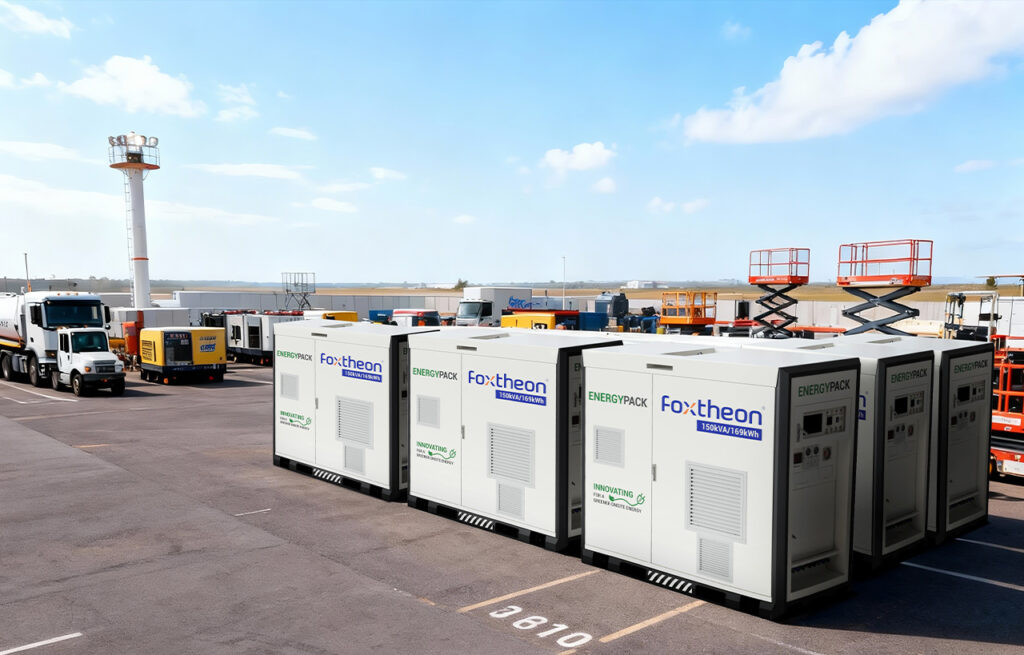
Leading manufacturers like Foxtheon engineer these robust systems to automate the entire energy balancing process. By storing cheap nighttime power and deploying it during active daytime shifts, businesses protect the local grid from sudden collapses. Facility managers gain complete control over their energy profiles while keeping utility costs remarkably low.
Understanding the Core Mechanics of BESS for Load Leveling
Energy demands naturally fluctuate between day and night. The primary function of a BESS for load leveling involves flattening this volatile demand curve. The central software monitors the facility’s power meter to track exact consumption levels second by second.
When overall grid demand drops late at night, electricity prices fall significantly. The battery system detects this drop and initiates a full charging cycle.
A successful leveling operation requires several automated steps:
Continuous monitoring of real-time utility rates and grid stress signals.
Charging battery modules to maximum capacity during off-peak hours.
Halting grid consumption automatically when peak hours begin.
Discharging stored battery power smoothly to run facility equipment.
Bridging the Supply and Demand Gap
Power grids lack the inherent ability to store electricity efficiently. Utility companies must generate electricity exactly when consumers demand it. This forces power plants to ramp production up and down aggressively, which causes massive wear on expensive turbines.
A localized battery system creates a necessary buffer between the power plant and the factory floor. It buys power steadily when the plant has a surplus. It then feeds the factory internally when grid resources become scarce.
Differentiating Leveling from Peak Shaving
Facility managers often confuse load leveling with peak shaving. While both utilize battery storage, they serve distinct operational goals. Peak shaving targets short, violent spikes in power usage that typically last only 15 minutes.
Conversely, leveling addresses long-term energy shifts over many hours. The battery discharges slowly over an entire afternoon shift to keep the grid draw perfectly flat. This sustained discharge strategy requires a battery with massive energy capacity (kWh) rather than just high immediate power output (kW).
Why Modern Facilities Require BESS for Load Leveling Today
Aging electrical infrastructure struggles to support the rapid electrification of industrial processes. Factories add heavy machinery, EV charging fleets, and automated assembly lines yearly. The local utility grid simply cannot handle these massive concentrated loads during the middle of the day.
Integrating a BESS for load leveling allows facilities to expand their operations without waiting for utility grid upgrades. The battery acts as a private energy reservoir. It provides the necessary power overhead to run heavy industrial equipment safely.
Flattening the Daily Demand Curve
Without battery intervention, a commercial building’s power profile looks like a steep mountain. Consumption starts low in the morning, shoots up aggressively at noon, and drops off entirely by midnight. Utilities hate this mountain curve because it forces them to activate expensive standby generators.
The load leveling process effectively bulldozes this mountain. It fills in the nighttime valleys by charging the batteries and cuts off the daytime peaks by discharging them. The utility company sees a flat, predictable line of consumption.
Extending Grid Equipment Lifespan
Fluctuating power demands destroy local transformers and neighborhood substations. Constant heating and cooling of electrical components lead to premature hardware failure.
By flattening the power draw, factories actively protect the public infrastructure surrounding their buildings. Utility companies highly value businesses that manage their loads responsibly. In many regions, grid operators offer significant financial incentives to facilities that actively stabilize their localized power draw.
Integrating BESS for Load Leveling with Renewable Generation
Renewable energy sources create distinct headaches for grid operators. Solar panels only generate power when the sun shines, and wind turbines only spin when the weather cooperates. This intermittency makes it impossible to align clean energy production with actual factory production schedules.
Advanced systems from brands like Foxtheon solve this timing issue brilliantly. The intelligent controllers capture volatile renewable energy and stabilize it for later use. This seamless integration ensures that no clean electricity goes to waste.
Managing Solar Power Intermittency
Solar generation peaks around noon, often producing more power than a facility can immediately consume. If the facility exports this excess power to the grid, it can overload local circuits. A smart battery system intercepts this surplus solar electricity instantly.
The system stores the excess solar energy safely inside the battery racks. Later in the evening, when the sun sets but the factory is still operating, the system releases the stored solar power.
Key benefits of pairing solar with storage include:
Zero reliance on the grid during late afternoon peak pricing.
Complete elimination of solar power export penalties.
Maximum utilization of localized clean energy generation.
Smooth, uninterrupted power delivery despite passing clouds.
Capturing Excess Wind Energy
Unlike solar power, wind generation often peaks late at night when factory floors sit empty. Without storage, wind farms must curtail their production or risk overloading the night grid.
Load leveling technology absorbs this abundant, cheap wind energy perfectly. The facility fills its battery reserves overnight using 100% clean power. When the morning shift arrives, the factory runs almost entirely on wind energy captured hours earlier.
Financial Advantages of BESS for Load Leveling
Corporate boards demand clear financial returns before approving major infrastructure projects. Fortunately, energy storage provides highly predictable financial models. Facility managers use the battery system to execute aggressive energy arbitrage strategies.
They buy electricity when it costs pennies and use their stored reserves when grid power costs a premium. This daily buy-low, use-high strategy shrinks operating expenses dramatically over a single fiscal year.
Defeating Time-of-Use Utility Rates
Most commercial power contracts feature strict Time-of-Use (TOU) pricing. Utility companies charge massive premiums for electricity consumed between 4 PM and 9 PM. They do this to discourage usage during grid stress periods.
A perfectly timed BESS for load leveling completely nullifies these TOU schedules. The software controller severs the facility’s reliance on the grid right before the expensive pricing window opens.
Maximizing Long-Term ROI
The initial capital expenditure for a commercial battery system remains substantial. However, the consistent daily savings generated by load shifting accelerate the payback period significantly.
Facility owners can further improve their ROI by participating in local grid support programs. Grid operators will often pay private facilities directly for using their battery systems to absorb excess neighborhood power. This turns a static piece of hardware into a revenue-generating asset.
Essential Hardware Components in BESS for Load Leveling
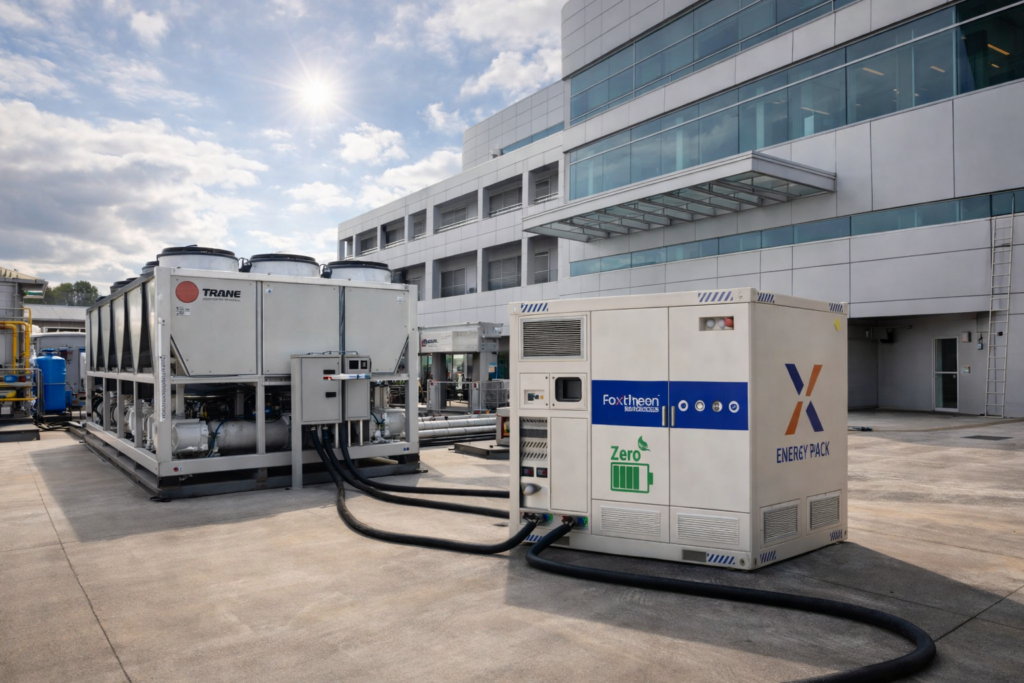
Running sustained discharges for hours requires specialized, heavy-duty hardware. Standard backup batteries cannot handle daily, deep-cycling operations. Engineers must carefully select components designed specifically for rigorous industrial environments.
The physical hardware must perfectly execute the commands sent by the software algorithm. Any communication delay or thermal issue compromises the entire energy balancing operation.
Selecting the Right Battery Chemistry
Lithium Iron Phosphate (LFP) cells dominate the commercial load leveling sector. These cells boast exceptional thermal stability and easily endure thousands of deep charge cycles. Unlike other chemistries, LFP batteries resist degradation even when discharged completely.
Manufacturers stack these cells into massive modular racks. This modular design allows facilities to scale their storage capacity easily as their business expands.
The Role of Intelligent Inverters
Batteries store power as Direct Current (DC), but factories run on Alternating Current (AC). Powerful bi-directional inverters bridge this gap. They must process massive amounts of electricity efficiently without generating excessive heat.
Critical features of industrial inverters include:
High-speed switching to prevent voltage drops.
Active cooling systems to maintain operational efficiency.
Deep integration with building management software.
Advanced grid-forming capabilities during utility blackouts.
Future Innovations in BESS for Load Leveling Software
The physical battery hardware continues to improve, but the software controlling it evolves much faster. The next generation of energy storage relies on massive data processing and predictive modeling.
Engineers constantly refine the algorithms that dictate when the batteries should charge or discharge. By removing human guesswork from the equation, these systems achieve near-perfect efficiency levels.
AI-Driven Dispatch Algorithms
Artificial intelligence changes how facilities interact with power grids. Modern systems analyze weather patterns, historical production data, and real-time market prices simultaneously. The AI predicts the facility’s exact energy requirements 24 hours in advance.
It then formulates an automated dispatch schedule. The system executes this plan flawlessly, adjusting charging rates on the fly to maximize financial savings.
Virtual Power Plant Networks
Individual battery systems provide excellent local benefits, but connected systems reshape the entire energy market. Software platforms now aggregate hundreds of dispersed commercial batteries into a single Virtual Power Plant (VPP).
When the central utility requires massive support, the VPP commands all connected batteries to discharge simultaneously. Facility owners receive direct compensation for contributing their stored power to this decentralized network.
Managing industrial energy consumption effectively is no longer optional; it is a critical business imperative. Fluctuating utility rates and fragile grid infrastructure threaten operational stability daily. Implementing a robust BESS for load leveling protects facilities from these external vulnerabilities permanently.
By partnering with trusted technology providers like Foxtheon, businesses secure highly intelligent hardware capable of executing complex energy arbitrage. A well-designed BESS for load leveling flattens demand curves, maximizes renewable energy usage, and significantly lowers monthly operational costs.
Frequently Asked Questions
Q1: What exactly is a BESS for load leveling?
A1: A BESS for load leveling is an industrial battery system programmed to balance out a facility’s power consumption over a long period. It charges during the night when electricity is cheap and abundant. It then discharges slowly during the day to run facility equipment, keeping the draw from the main grid entirely flat and consistent.
Q2: How does load leveling differ from peak shaving?
A1: Peak shaving tackles very short, intense spikes in power usage (like heavy machinery starting up) to avoid utility demand penalties. Load leveling addresses long-term energy usage. It shifts massive blocks of energy consumption from expensive daytime hours to cheaper nighttime hours, typically discharging over an entire 4-to-8-hour shift.
Q3: Can a load leveling system operate efficiently without solar panels?
A1: Yes, absolutely. While combining the system with solar panels improves overall efficiency, a standalone battery system still saves massive amounts of money. It simply uses the public utility grid to charge at night during off-peak pricing windows and discharges during expensive daytime hours.
Q4: Will running a daily load leveling cycle damage the battery cells?
A1: Modern commercial systems utilize advanced Lithium Iron Phosphate (LFP) chemistry specifically designed for daily deep cycling. Furthermore, the intelligent Battery Management System (BMS) regulates temperatures and prevents the cells from discharging past safe limits. This ensures the hardware lasts for thousands of cycles.
Q5: Does a load leveling system protect my facility during a grid blackout?
A1: Yes, most advanced battery systems feature backup power capabilities. If the main utility grid fails, the system automatically isolates the facility and powers critical loads using the stored energy. This prevents expensive production downtime and protects sensitive manufacturing equipment from sudden power loss.