
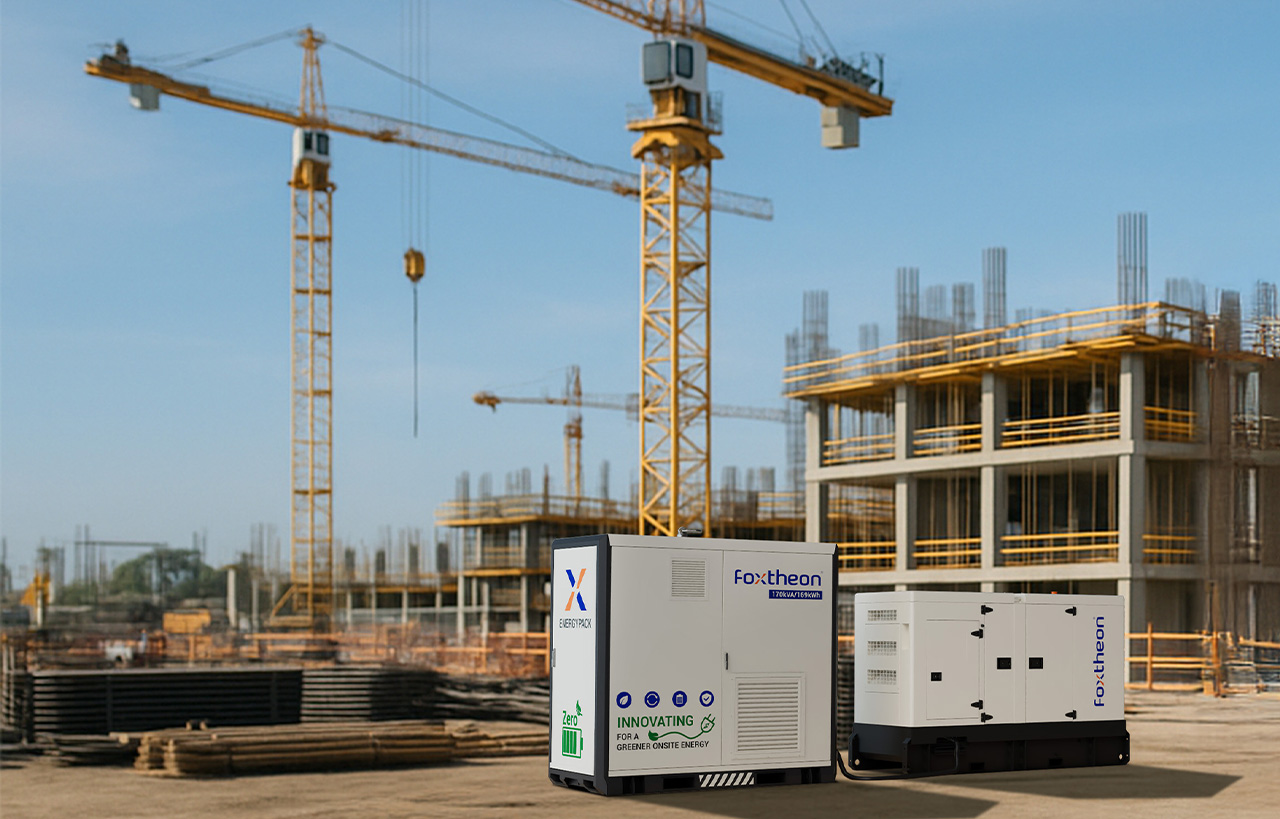
In the industrial power sector, particularly within remote mining operations, construction sites, and telecommunications infrastructure, the reliance on diesel reciprocating engines remains a logistical necessity. However, the traditional model of continuous generator operation is increasingly scrutinized due to rising fuel costs, carbon taxation, and the inherent mechanical inefficiencies of internal combustion engines operating at partial loads. To achieve true fiscal efficiency and mechanical longevity, fleet operators must look for sophisticated methodologies to optimize generator runtime.
This technical analysis examines the intersection of power electronics, battery chemistry, and smart control logic. By shifting from a “generator-only” mindset to a hybrid energy architecture, organizations can drastically lower their Levelized Cost of Energy (LCOE) while extending the mean time between overhauls (MTBO) for their primary power assets.
The Technical Burden of Under-Loaded Generators
The primary driver for the need to optimize generator runtime is the phenomenon known as “wet stacking.” Diesel engines are designed to operate most efficiently at 70% to 80% of their rated capacity. When a generator runs at low loads—common during night-time cycles or periods of low demand—the cylinder temperature remains too low to burn fuel completely.
This incomplete combustion leads to several technical failures:
- Carbon Deposition: Unburnt fuel and soot accumulate on injector nozzles, piston rings, and turbocharger vanes.
- Lube Oil Dilution: Fuel seeps past the piston rings into the crankcase, degrading the lubricant’s viscosity and leading to premature bearing failure.
- High Specific Fuel Consumption: At 20% load, the fuel consumed per kilowatt-hour produced is significantly higher than at the engine’s “sweet spot” on the BSFC (Brake Specific Fuel Consumption) curve.
By implementing solutions that optimize generator runtime, engineers ensure that the engine only fires when it can operate within its peak efficiency window, using energy storage to bridge the gap during low-load intervals.
Strategy 1: Hybridization with Battery Energy Storage Systems (BESS)
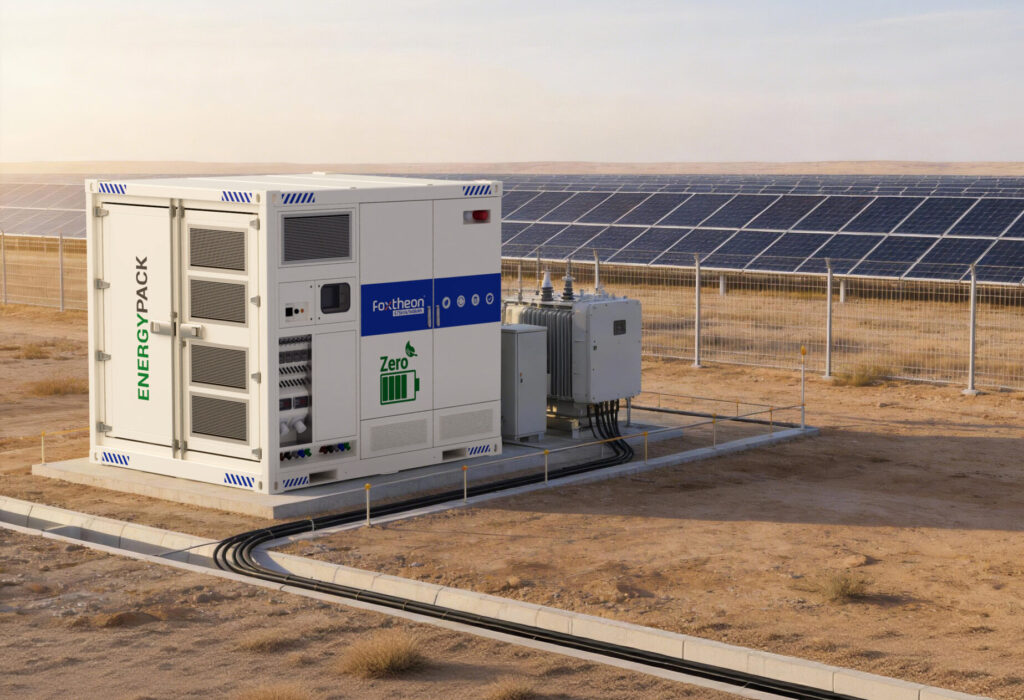
The most effective method to reduce engine hours is the integration of a high-density BESS. In a hybrid microgrid, the generator no longer follows the load. Instead, the battery acts as a high-speed buffer. When the site load is low, the generator is shut down completely, and the BESS discharges to meet demand. When the battery reaches a predetermined State of Charge (SoC), the generator restarts, running at its most efficient load point to both power the site and rapidly recharge the battery.
Companies like Foxtheon specialize in these integrated power solutions, providing the hardware necessary to decouple load requirements from engine performance. This decoupling is fundamental for any operation aiming to optimize generator runtime and minimize unnecessary idling.
Strategy 2: Peak Shaving and Load Leveling
Fluctuating loads are the enemy of generator efficiency. Rapid spikes in demand require the generator to maintain a high “spinning reserve,” often leading to over-provisioning. By utilizing a BESS to handle “peak shaving,” the generator can be sized for the average load rather than the peak.
This approach allows the generator to maintain a steady-state output. The battery absorbs the transient spikes, preventing the engine’s governor from constantly adjusting fuel injection, which further stabilizes the thermal profile of the block and reduces mechanical stress. Utilizing such systems to optimize generator runtime ensures that every drop of fuel is converted into useful work rather than wasted heat during transient response.
Strategy 3: Implementing Advanced Energy Management Systems (EMS)
An intelligent EMS is the brain of a modern power system. It uses predictive algorithms to determine the most cost-effective time to run the generator. Factors such as historical load profiles, fuel delivery schedules, and even weather patterns (if solar PV is integrated) are used to schedule engine starts.
- Proactive Dispatch: The EMS can start the generator in anticipation of a high-load event, ensuring the engine is pre-warmed and running at a stable temperature before the load hits.
- Automated Start/Stop: Eliminating human error in manual operation ensures that engines are never left idling due to oversight.
- Multi-Gen Synchronization: In multi-generator setups, the EMS can perform “load-dependent starting,” where only the minimum number of engines required to meet the 80% efficiency threshold are active.
Strategy 4: Thermal Management and Heat Recovery
While the primary goal is to optimize generator runtime by reducing hours, the efficiency of the hours *actually* run can be improved through Combined Heat and Power (CHP) configurations. If a generator must run to charge a battery or meet a base load, capturing the waste heat from the exhaust and jacket water for space heating or industrial processes increases the total system efficiency from ~35% to over 80%.
This does not reduce the minutes the engine runs, but it maximizes the value derived from those minutes, effectively justifying the runtime within the broader operational budget.
Strategy 5: High-Performance Lithium-Ion Integration
The chemistry of the storage medium dictates how effectively one can optimize generator runtime. Traditional lead-acid batteries suffer from a limited Depth of Discharge (DoD) and slow charge rates. In contrast, Lithium Iron Phosphate (LiFePO4) solutions, such as those manufactured by Foxtheon, allow for 90% DoD and high C-rates.
A high C-rate means the generator can charge the battery much faster. If a generator can replenish the energy storage in 1 hour instead of 4 hours, the engine’s daily runtime is slashed by 75%, leading to massive savings in fuel and air filter/oil changes.
Strategy 6: IoT-Driven Predictive Maintenance
Data-driven insights are vital for fleet management. By monitoring vibration, exhaust gas temperature (EGT), and oil pressure via IoT sensors, operators can move from reactive to predictive maintenance. A generator that is perfectly tuned and has clean injectors will run more efficiently than a neglected unit.
Predictive analytics also identify “phantom loads”—unnecessary equipment left running that forces the generator to stay online. By identifying and shed these loads, the system can optimize generator runtime by allowing the BESS to take over earlier in the evening cycle.
Strategy 7: Right-Sizing the Power Train
Often, the reason for poor runtime optimization is an oversized generator. If a site requires 50kW peak but only 5kW average, a 60kW generator will spend most of its life in a low-efficiency state.
The solution is a “micro-hybrid” approach: 1. Use a smaller, 15kW generator. 2. Pair it with a 50kW inverter/battery system. 3. The generator runs at 90% load to charge the battery and cover the average demand. 4. The battery provides the extra 35kW needed for peak events. This right-sizing is the most direct hardware path to optimize generator runtime.
The Economic Impact: LCOE and ROI
From a B2B perspective, the decision to invest in technology to optimize generator runtime is driven by the bottom line. Consider a standard 100kVA diesel generator. Reducing daily runtime from 24 hours to 6 hours can save upwards of 15,000 liters of fuel annually, depending on the load profile. Furthermore, it pushes out the 20,000-hour major overhaul by several years.
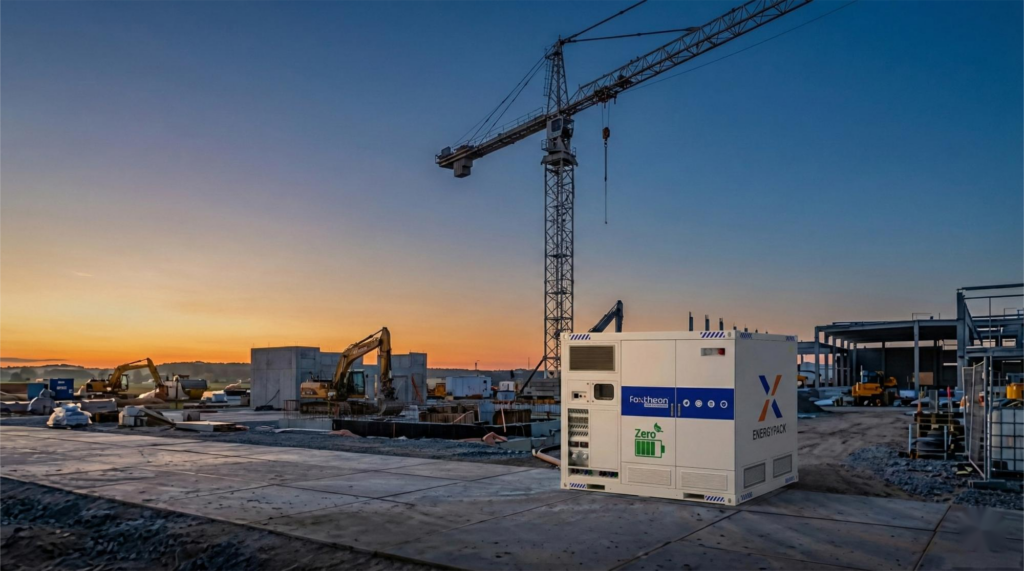
By integrating advanced storage solutions from Foxtheon, the initial capital expenditure (CAPEX) is often offset by the reduction in operational expenditure (OPEX) within 18 to 24 months. This makes the transition to optimized runtime not just an environmental choice, but a fundamental business imperative.
The transition toward smarter, decentralized power systems is non-negotiable for industries operating in demanding environments. To effectively optimize generator runtime, engineers must move away from the “static” operation of diesel assets and embrace the dynamic capabilities of hybrid BESS technology. Through load leveling, predictive EMS logic, and the use of high-cycle-life lithium storage, organizations can achieve a level of fuel autonomy and mechanical reliability that was previously impossible. The future of industrial power is not about running engines longer; it is about running them smarter.
Frequently Asked Questions
Q1: Does reducing generator runtime affect the lifespan of the engine due to frequent starts and stops?
A1: While excessive cycling can cause wear, modern Energy Management Systems include a “minimum run time” setting to ensure the engine reaches operating temperature. When paired with a BESS, the total number of starts is kept within manufacturer specifications, and the reduction in low-load “wet stacking” significantly increases the overall engine life compared to continuous idling.
Q2: What is the ideal battery-to-generator ratio to optimize generator runtime?
A2: This depends on the specific load profile. However, a common technical benchmark is to have enough battery capacity (kWh) to cover the site’s average load for 4 to 8 hours, and an inverter capacity (kW) capable of handling the maximum peak demand. This allows the generator to run only 2-3 times a day at full efficiency.
Q3: Can I optimize generator runtime with solar PV alone?
A3: Solar PV helps reduce the load during the day, but without energy storage (BESS), the generator must still run whenever the sun is clouded or down to maintain grid stability. Adding a BESS is the only way to truly decouple the engine from the load and achieve significant runtime reduction.
Q4: How does “wet stacking” impact the maintenance cost?
A4: Wet stacking increases maintenance costs by fouling injectors and requiring more frequent oil changes and exhaust system cleanouts. By using a BESS to optimize generator runtime, you ensure the engine operates at high temperatures, which naturally burns off deposits and keeps maintenance intervals long.
Q5: Are there specific industries where optimizing runtime is most beneficial?
A5: Yes, industries with high fuel logistics costs or highly variable loads benefit most. This includes off-grid mining, telecommunications towers in remote areas, disaster relief base camps, and mobile construction sites where fuel delivery is expensive and difficult.