
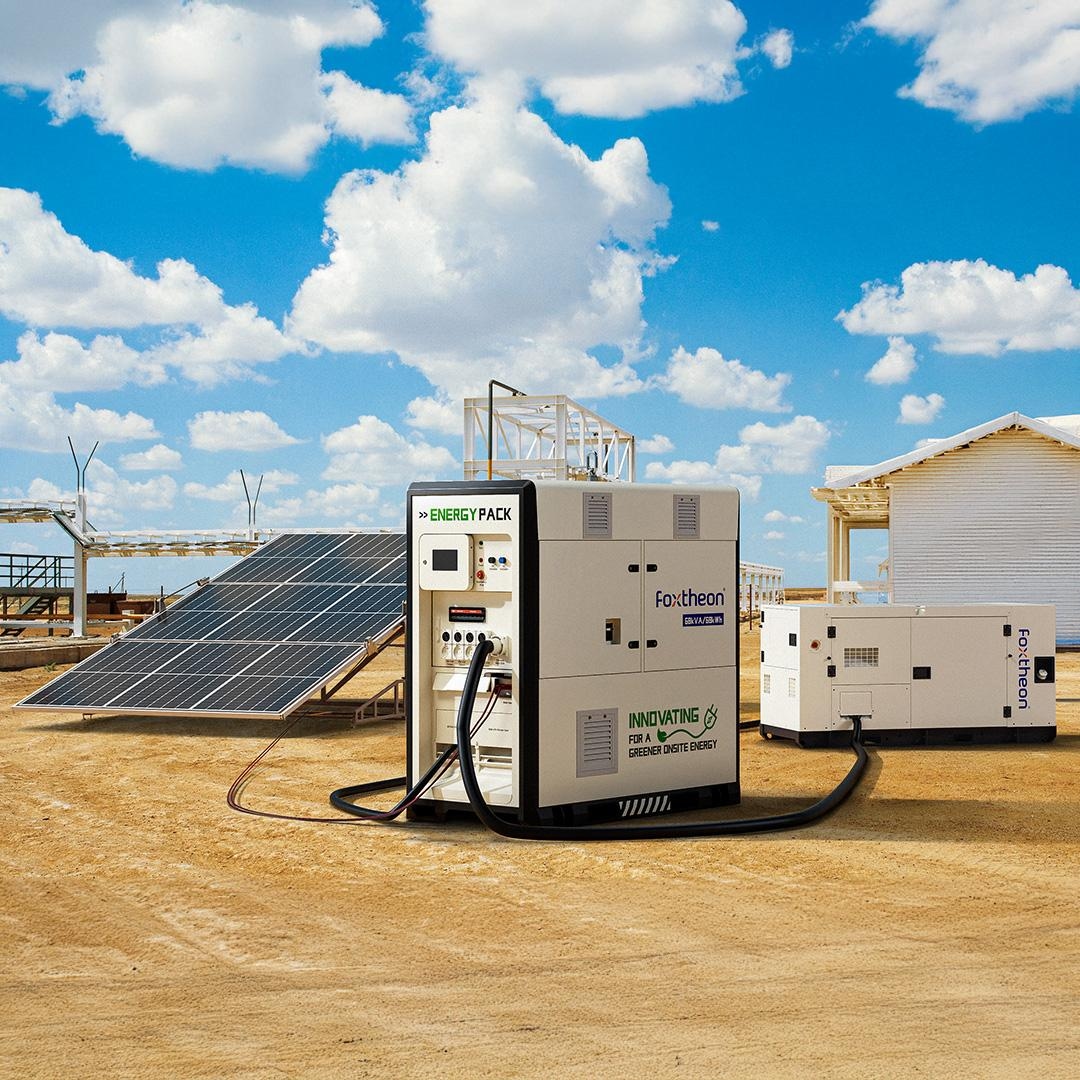
Running a business in a remote location or an area with a weak grid has always come with a heavy price tag. For decades, the diesel generator was the undisputed king of off-grid power. It was reliable, familiar, and the fuel was accessible. But the landscape has changed. Diesel prices are volatile, maintenance costs are climbing, and the pressure to reduce carbon emissions is higher than ever.
This is where the Solar Diesel Hybrid System changes the game. It is no longer just an experimental technology for eco-enthusiasts. It has become a financial necessity for industries ranging from mining to hospitality. By integrating low-cost solar energy with the reliability of diesel generators, businesses are finding a middle ground that secures power while cutting costs.
The transition isn’t just about bolting solar panels onto a roof. It requires intelligent management and smart integration. Innovators in the sector, such as Foxtheon, are leading this shift by creating solutions that seamlessly blend these two power sources. If you are still running purely on fossil fuels, you are likely overpaying for every kilowatt-hour you consume.
Understanding the Solar Diesel Hybrid System
To make the right investment, you first need to understand the mechanics. A Solar Diesel Hybrid System is an energy solution that combines a photovoltaic (PV) system with a diesel generator. The goal is simple: use cheap solar energy as much as possible and use the diesel generator only when absolutely necessary.
The Core Components
The system is composed of the PV array, the diesel generator (genset), and, crucially, the intelligent control unit. In many modern setups, a battery energy storage system (BESS) is added to store excess solar power for use at night. However, even without batteries, “fuel saver” systems can significantly reduce consumption during daylight hours.
How It Works
During the day, the solar panels generate electricity. The system prioritizes this green energy to power your loads (machinery, lights, HVAC). If the solar energy isn’t enough—perhaps a cloud passes over or demand spikes—the diesel generator kicks in to fill the gap. This seamless handoff is managed by a hybrid controller, ensuring your operations never experience a blackout.
The Economic Reality: Drastic Reductions in OPEX
The primary driver for adopting a Solar Diesel Hybrid System is the bottom line. Operational Expenditure (OPEX) for a pure diesel setup is incredibly high. You are paying for fuel delivery, the fuel itself, and the frequent maintenance required by generators running 24/7.
Levelized Cost of Energy (LCOE)
When you calculate the Levelized Cost of Energy (LCOE), solar is now the cheapest form of electricity in history. Diesel is often the most expensive. By offsetting even 50% of your diesel consumption with solar, the blended cost of electricity drops significantly. The payback period for these hybrid systems has shortened dramatically, often ranging between 3 to 5 years depending on local fuel prices.
Extending Generator Lifespan
Generators are mechanical beasts. They wear out. A generator running 24 hours a day will reach its overhaul period much faster than one running 8 hours a day. By letting solar handle the load during peak sun hours, you reduce the running hours of the genset. This extends the asset’s life and reduces the frequency of expensive service intervals.
Solving the “Wet Stacking” Problem
One of the lesser-known benefits of a Solar Diesel Hybrid System is how it protects the generator itself. Diesel engines are designed to run at high loads (usually 70-80% capacity).
The Danger of Low Loads
If you run a large generator to power a small load—for example, a mining camp at midday when most equipment is off—the engine suffers. This leads to “wet stacking,” where unburned fuel accumulates in the exhaust system. It causes damage, reduces efficiency, and increases pollution.
Optimal Loading
A smart hybrid system manages this. If the load is low, the system can shut off the generator entirely and run on battery or solar. Or, it can use the generator to charge the batteries, artificially increasing the load to keep the engine in its healthy operating zone. This intelligent load management is vital for industrial applications.
The Brain of the Operation: Intelligent Control
Hardware is useless without software. The challenge with solar is its variability. Clouds move fast. If a massive solar array suddenly drops its output because of a thunderstorm, the generator needs to react instantly to prevent a system crash.
This is where the “intelligence” in intelligent energy solutions comes into play. Modern controllers monitor the sky, the load, and the fuel levels in real-time.
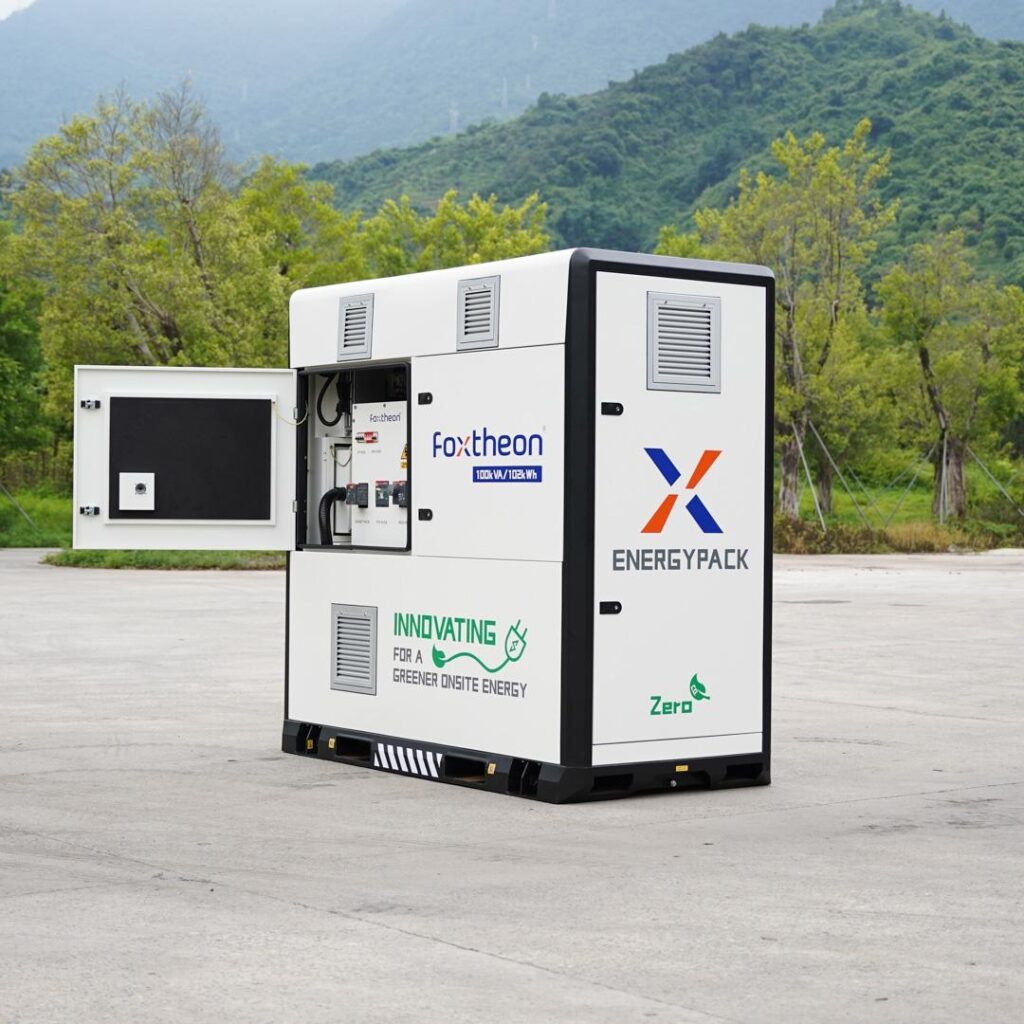
Companies like Foxtheon have focused heavily on this integration logic. Their systems are designed to predictively manage these fluctuations. Instead of reacting after the power drops, advanced algorithms ensure the spinning reserve is ready. This ensures that the power quality—voltage and frequency—remains stable enough for sensitive electronic equipment.
Energy Security in Unstable Regions
In many parts of the world, the grid is either non-existent or unreliable. Relying solely on the grid can mean hours of downtime. Relying solely on diesel creates a supply chain risk; if the fuel truck can’t make it up the mountain due to weather, your operation stops.
Diversification of Supply
A Solar Diesel Hybrid System provides diversification. You are not reliant on a single source of fuel. By generating your own power on-site, you insulate your business from external shocks, be it a fuel shortage or a grid collapse.
Battery Integration for 24/7 Power
Adding battery storage to the mix turns a “fuel saver” system into a true microgrid. The batteries smooth out the intermittency of the sun. They allow the diesel generator to be turned off completely at night for low-load applications, such as powering security systems or refrigeration units, leading to silent, emission-free nights.
Environmental Impact and ESG Compliance
Pressure from investors and governments regarding Environmental, Social, and Governance (ESG) criteria is real. Industries are being forced to declare their carbon footprint.
A standard diesel generator emits roughly 2.6 to 2.7 kg of CO2 for every liter of diesel burned. For a large industrial site burning thousands of liters a day, the carbon tonnage is massive.
Implementing a Solar Diesel Hybrid System immediately reduces this footprint. It is a visible, quantifiable step toward sustainability. For many companies, this “green credential” helps in securing government permits, winning contracts, or satisfying international investors who are moving away from dirty energy.
Use Cases Across Industries
This technology is versatile. It is not limited to one specific sector.
Telecom Towers
Telecom towers are often located in remote areas and have a constant, stable load. They are perfect candidates for hybridization. The logic is simple: run on solar/battery for 20 hours, run the genset for 4 hours to top up. This slashes fuel visits from once a week to once a month.
Island Resorts
Islands typically pay a premium for fuel due to shipping costs. Furthermore, the noise and smell of diesel generators ruin the guest experience. Hybrid systems allow resorts to run quietly during the day and night, using the generator only as a backup during bad weather.
Mining and Construction
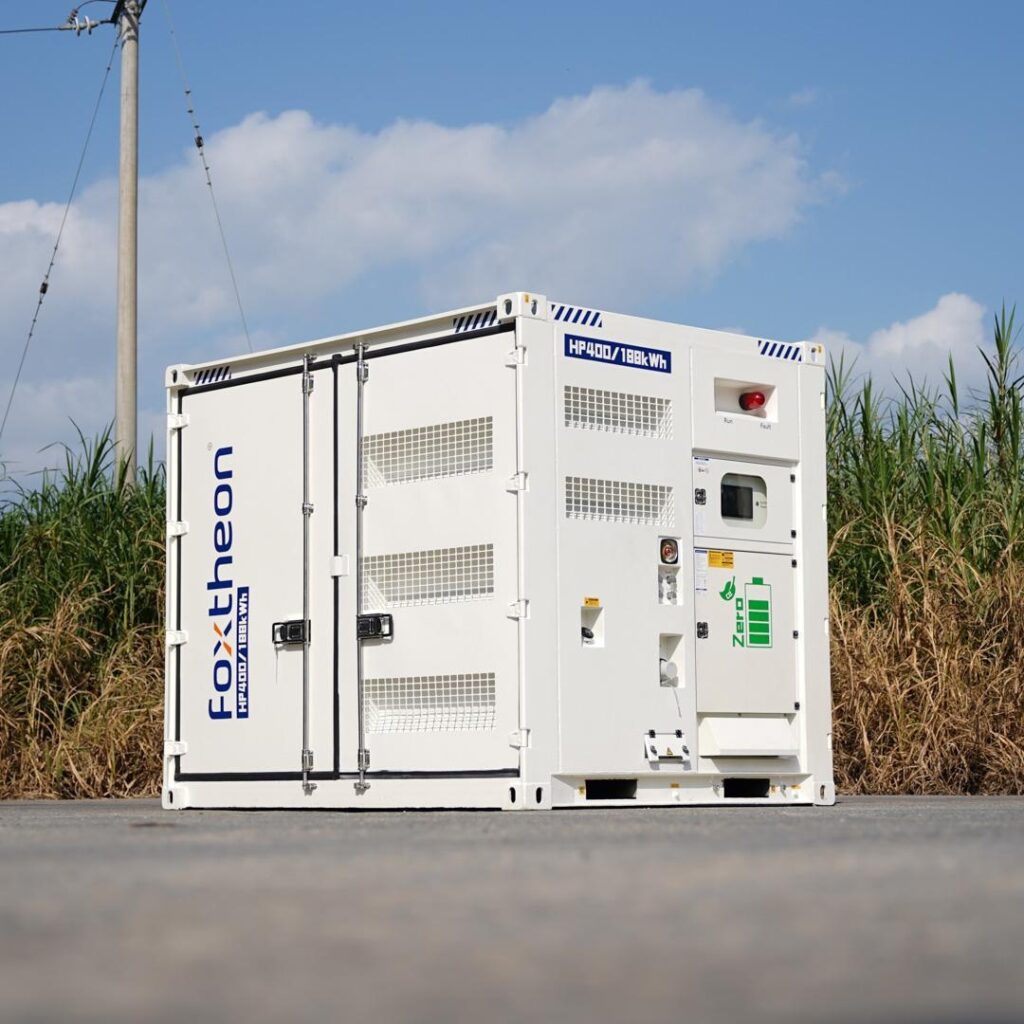
These sectors require mobile power. Containerized hybrid solutions—where solar panels and batteries are pre-packed in shipping containers—are becoming standard. They can be deployed rapidly and moved when the project is finished.
Future-Proofing with Scalability
The beauty of these systems is modularity. You do not need to replace your entire infrastructure to start.
Most businesses begin by retrofitting their existing diesel plant. They add a PV controller and a solar array. Later, as battery prices continue to drop, they add storage modules.
This scalability allows for a phased investment. You can start small to prove the concept and expand as your energy needs grow. A flexible Solar Diesel Hybrid System grows with your business, unlike a fixed grid connection or a standalone generator that might become undersized in a year.
The era of burning money in the form of diesel is ending. The technology to integrate renewables with traditional generators is mature, reliable, and economically compelling.
Adopting a Solar Diesel Hybrid System offers a rare “win-win-win” scenario. You win financially by lowering OPEX. You win operationally by increasing reliability. And you win environmentally by reducing emissions.
As we look toward the future of energy, the ability to manage these hybrid resources intelligently will define the market leaders. Brands that prioritize smart integration, like Foxtheon, are paving the way for a more resilient industrial landscape. Whether you are powering a remote mine or a rural hospital, the hybrid path is the only logical step forward in 2025.
Frequently Asked Questions (FAQ)
Q1: How much fuel can I actually save with a Solar Diesel Hybrid System?
A1: Fuel savings typically range from 30% to 60%, depending on the size of the solar array and whether you include battery storage. A “fuel saver” system (PV + Diesel only) usually hits the 30-40% mark, while adding batteries allows you to shut the generator off completely for longer periods, driving savings higher.
Q2: Can I retrofit solar to my existing diesel generator?
A2: Yes, in most cases. You do not need to buy a new generator. A specialized hybrid controller is installed to manage communication between your existing genset and the new solar inverters. The controller ensures the generator does not run below its minimum loading requirement.
Q3: What happens during the night or on cloudy days?
A3: Reliability is the core strength of this system. If solar production drops due to clouds or nightfall, the system automatically switches to the battery reserves. If the batteries are depleted, the diesel generator automatically starts up to take the load. You effectively have a redundant power supply.
Q4: Is the system difficult to maintain?
A4: The solar component requires very little maintenance—mostly periodic cleaning of the panels. The diesel generator will actually require less maintenance than before because it runs for fewer hours per day. However, the sophisticated control software should be monitored, and reputable providers usually offer remote monitoring apps.
Q5: What is the “spinning reserve” in a hybrid context?
A5: Spinning reserve refers to the diesel generator running at a low idle or ready state to pick up the load immediately if solar power drops suddenly (like a cloud passing). Advanced Solar Diesel Hybrid System controllers manage this to minimize fuel waste while ensuring the power supply never trips or fluctuates.