
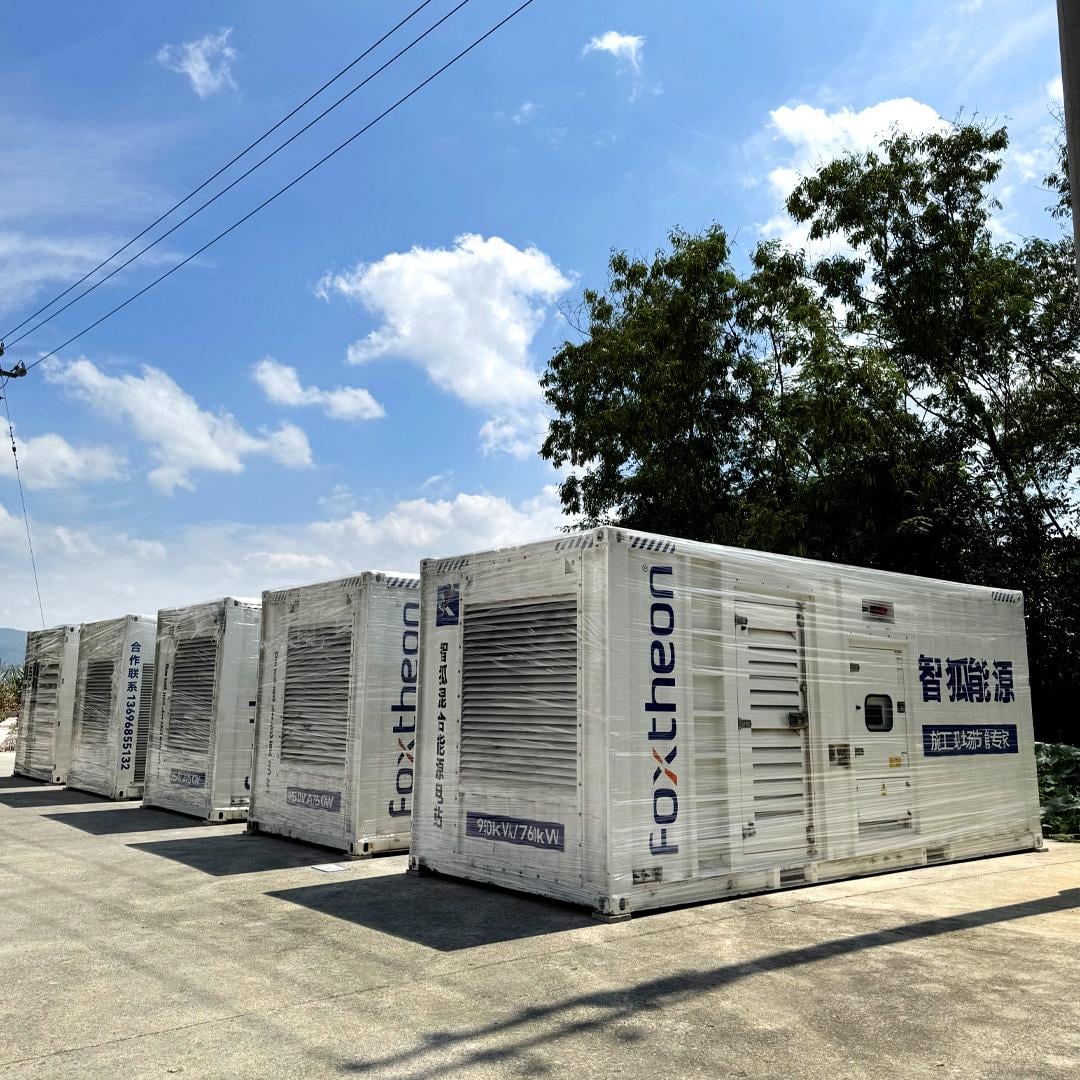
Scaling a rental business is painful. When you have ten generators, you can manage them with a whiteboard and a spreadsheet. When you have five hundred assets distributed across three states, that system breaks down.
The challenge is even greater with Battery Energy Storage Systems (BESS). Unlike diesel engines, which are mechanical and forgiving, batteries are chemical and digital. They require a different set of eyes and a different management approach.
As the demand for green energy on construction sites and events explodes, operators are asking how to manage a large BESS rental fleet without drowning in logistics. It requires a shift from reactive repairs to proactive data management. Manufacturers like Foxtheon have recognized this, building systems that are designed specifically for the rigors of mass fleet deployment.
Here is a look at the operational strategies successful rental companies are using to scale their battery inventory.
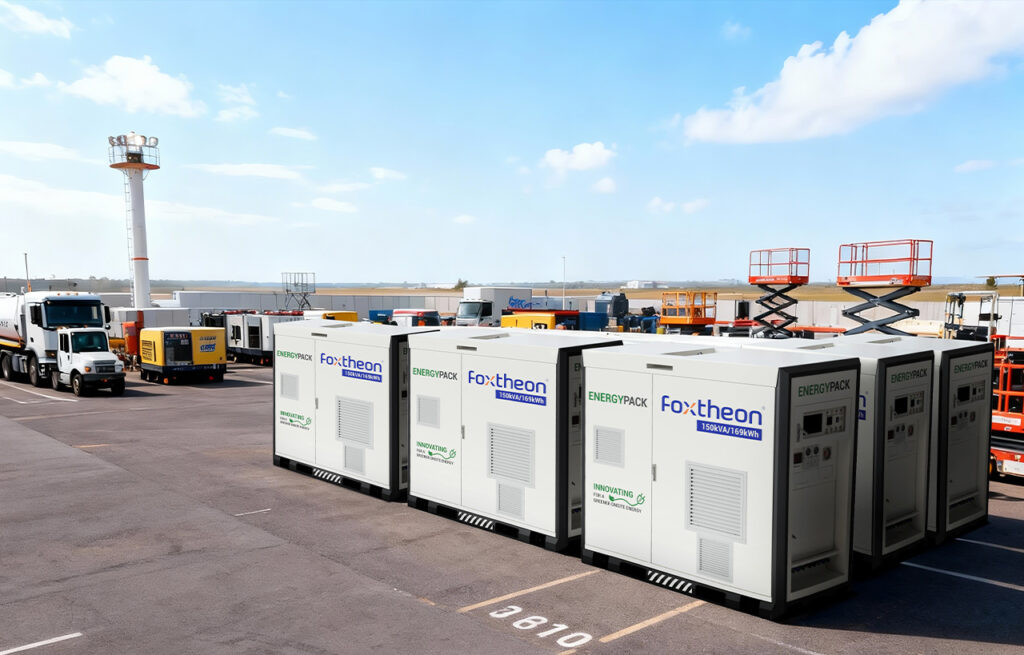
The Foundation: Centralized Telemetry and Data
You cannot manage what you cannot see. With diesel generators, you might get away with checking the hour meter once a month. With batteries, that is a recipe for disaster.
A large fleet requires a centralized dashboard. Every unit in the field must be connected to the cloud. You need to know the State of Charge (SOC), the State of Health (SOH), and the internal temperature of hundreds of units simultaneously.
Moving Beyond GPS
Standard asset tracking tells you where the machine is. Advanced BESS telemetry tells you how the machine is feeling.
When figuring out how to manage a large BESS rental fleet, the first step is ensuring your software can flag anomalies. You need alerts that trigger before a shutdown occurs.
For example, if Unit #402 in the warehouse has a cell voltage deviation, your fleet manager needs to know immediately. If you deploy that unit, it will fail on the customer. Real-time data allows you to “red tag” that unit digitally, preventing it from being rented out until a technician balances the cells.
Standardization Reduces Operational Friction
One of the biggest mistakes rental companies make during the growth phase is buying a “mixed bag” of equipment. Buying five units from Vendor A, ten from Vendor B, and twenty from Vendor C creates a logistical nightmare.
Each brand has its own connector types, its own software interface, and its own spare parts list.
The Power of Homogeneity
To manage a large fleet efficiently, you need standardization. You want your technicians to be experts on one system, not novices on ten.
This is where partnering with a dedicated rental-focused manufacturer pays off. Companies like Foxtheon offer a modular lineup where the interface and internal logic remain consistent, whether you are renting out a small 30kWh unit or a massive 500kWh container.
Standardization means you can stock fewer spare parts. It means your cables are interchangeable. It means when a client calls with a question, your support team knows exactly which screen the client is looking at, regardless of which unit they rented.
Solving the Transport and Logistics Puzzle
Batteries are heavy, and they are classified as hazardous materials (Class 9) in many jurisdictions. Moving them is not as simple as towing a generator.
Managing a large fleet means having a strict transport protocol. You cannot just load them on a flatbed and drive.
Managing State of Charge (SOC) for Transport
A key part of how to manage a large BESS rental fleet involves charge management during transit.
Safety regulations often dictate that lithium batteries should not be transported at 100% charge. It is generally safer to transport them at a lower state of charge (often around 30-50%).
However, the client expects the unit to be ready to work the moment it arrives. This creates a logistical conflict. You need a process where units are discharged for transport, delivered, and then immediately connected to a grid or generator on-site to charge up. Or, you need valid certifications that allow for transport at higher capacities.
Your dispatch team needs to understand these nuance. They aren’t just dispatching a box; they are managing a chemical payload.
Warehouse Storage and Self-Discharge Management
What happens when your equipment is not rented? In the diesel world, a generator can sit in the yard for six months. You charge the battery, check the fuel, and it starts.
Lithium batteries are like living organisms. They self-discharge over time. If a battery sits in your yard for six months at 0% charge, the voltage might drop below the critical threshold. Once that happens, the battery management system (BMS) may lock the battery permanently to prevent fire risk. That asset is now a brick.
The “Charging Rotation”
Managing a large fleet requires a “Charging Rotation” protocol in your warehouse.
You need a schedule. Every unit in the yard needs to be powered on and checked every few weeks. If the charge drops below a certain level, it gets plugged in.
Smart fleet managers use the telemetry discussed earlier to automate this. The warehouse manager gets a report: “These 15 units need charging this week.” This prevents the catastrophic loss of assets due to simple neglect.
Firmware Version Control
In the modern era, your rental asset is a computer. Just like your phone, it needs updates.
When you have 500 units, ensuring they are all running the same software version is critical. If Unit A runs Firmware v1.0 and Unit B runs Firmware v2.5, they might behave differently when connected in parallel.
Over-the-Air (OTA) Capabilities
You cannot send a technician with a laptop to 500 different construction sites. You need Over-the-Air (OTA) capabilities.
This allows you to push updates to the entire fleet at once. Manufacturers like Foxtheon build this architecture into their systems, allowing fleet managers to patch bugs or add new features (like new grid compliance codes) remotely.
Version control ensures that when a customer rents two units to work together, they actually talk to each other.
Training the Human Element
The hardware is only as good as the people handling it. Your yard staff, drivers, and sales team need to understand electricity.
A diesel mechanic knows engines. He knows that if it smokes, it’s bad. But he might not know that a lithium battery making a “hissing” sound is an immediate evacuation emergency.Electrical Safety Standards
Part of learning how to manage a large BESS rental fleet is implementing a high-voltage safety program.
You need “Lock-out, Tag-out” procedures specifically for electrical storage. You need to equip your team with Arc Flash protection gear if they are working on internal busbars.
Sales training is equally important. Your sales team needs to stop sizing rentals based on “Horsepower” and start understanding “Kilowatts” and “Kilowatt-hours.” If they rent a battery that is too small for the load, it will trip constantly. The customer will blame the equipment, but the fault lies in the sizing.
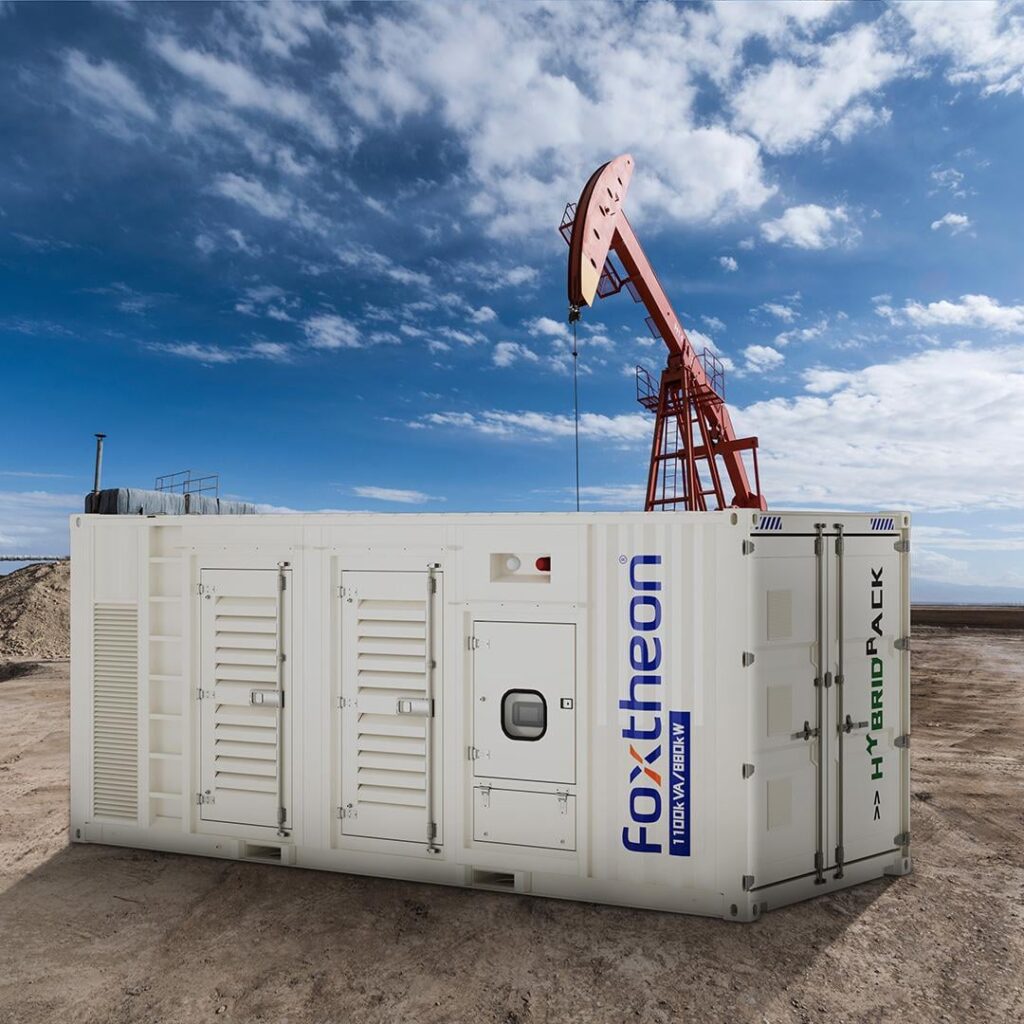
Managing the End of Life (EOL)
Every battery has a finite number of cycles. In a rental environment, batteries get abused. They are deep-discharged, charged rapidly, and exposed to extreme temperatures.
You need a plan for when the battery health (SOH) drops below 70% or 60%. At this point, it might not be suitable for a high-demand crane application, but it still holds energy.
Tiered Rental Deployment
Smart managers use a tiered system. New units with high SOH are reserved for the most demanding, high-dollar jobs.
Older units are downgraded to “Tier 2” status. These are rented at a lower rate for less critical applications, like running overnight security lights or office trailers where peak power isn’t an issue.
Eventually, you need a recycling partner. You cannot throw these in a dumpster. Having a contract with a recycling firm is part of the lifecycle management that needs to be established before you even buy your 100th unit.
Transitioning from a diesel-heavy fleet to a battery-heavy fleet is a paradigm shift. It requires less grease and more data. It requires less mechanical repair and more software management.
Understanding how to manage a large BESS rental fleet comes down to visibility and discipline. You need visibility into the real-time status of every cell in every box. And you need the discipline to maintain charging schedules, transport protocols, and software versions.
The companies that win in this space will be the ones that treat their BESS units not just as boxes of power, but as intelligent assets. By choosing partners like Foxtheon that prioritize connectivity and durability, and by implementing rigorous operational workflows, rental companies can turn the complexity of battery storage into a scalable, profitable competitive advantage.
Frequently Asked Questions (FAQ)
Q1: How often does a BESS fleet require physical maintenance?
A1: Unlike diesel generators which need oil changes every 250-500 hours, BESS units require very little physical maintenance. Typically, a visual inspection and filter cleaning (for the cooling system) every 6 to 12 months is sufficient. The primary “maintenance” is digital monitoring and ensuring the battery does not sit at 0% charge for long periods.
Q2: How do I track the “health” of my rental batteries?
A2: You must track the State of Health (SOH). This is a percentage figure provided by the Battery Management System (BMS). A new battery is 100%. As it cycles, this number drops. Fleet managers should set a rule (e.g., at 70% SOH) to retire the unit from heavy-duty rental applications.
Q3: Can I mix different battery brands in my rental fleet?
A3: You can, but it is operationally difficult. Different brands have different control software, different charging plugs, and different voltage architectures. For a large fleet, it is highly recommended to standardize on one or two compatible manufacturers to streamline spare parts and training.
Q4: What is the biggest risk to a BESS rental fleet?
A4: The biggest operational risk is “deep discharge neglect.” If a client drains the battery to 0% and leaves it unplugged for weeks, or if it sits in your warehouse unplugged for months, the voltage can drop to a point of no return. This destroys the battery modules. Automated alerts are the best defense against this.
Q5: Do I need special insurance for a large BESS fleet?
A5: Yes. Standard heavy equipment policies might not cover the specific fire risks associated with lithium-ion batteries or the environmental liability. You should consult with an insurer who specializes in renewable energy assets to ensure your policy covers thermal runaway events and hazardous material transport.