
The global rental market is undergoing a massive transformation. For years, diesel generators were the backbone of mobile power. However, rising fuel costs, stricter emission regulations, and the shift toward sustainability have changed the math for fleet owners. Today, the primary objective for any rental business is to find innovative ways to increase rental fleet ROI while maintaining operational reliability.
In this competitive landscape, traditional management styles are no longer enough. To remain profitable, companies are turning toward intelligent energy solutions. Whether you are managing a small fleet of portable units or a massive inventory of industrial power systems, the focus must be on maximizing asset utilization and minimizing total cost of ownership (TCO).
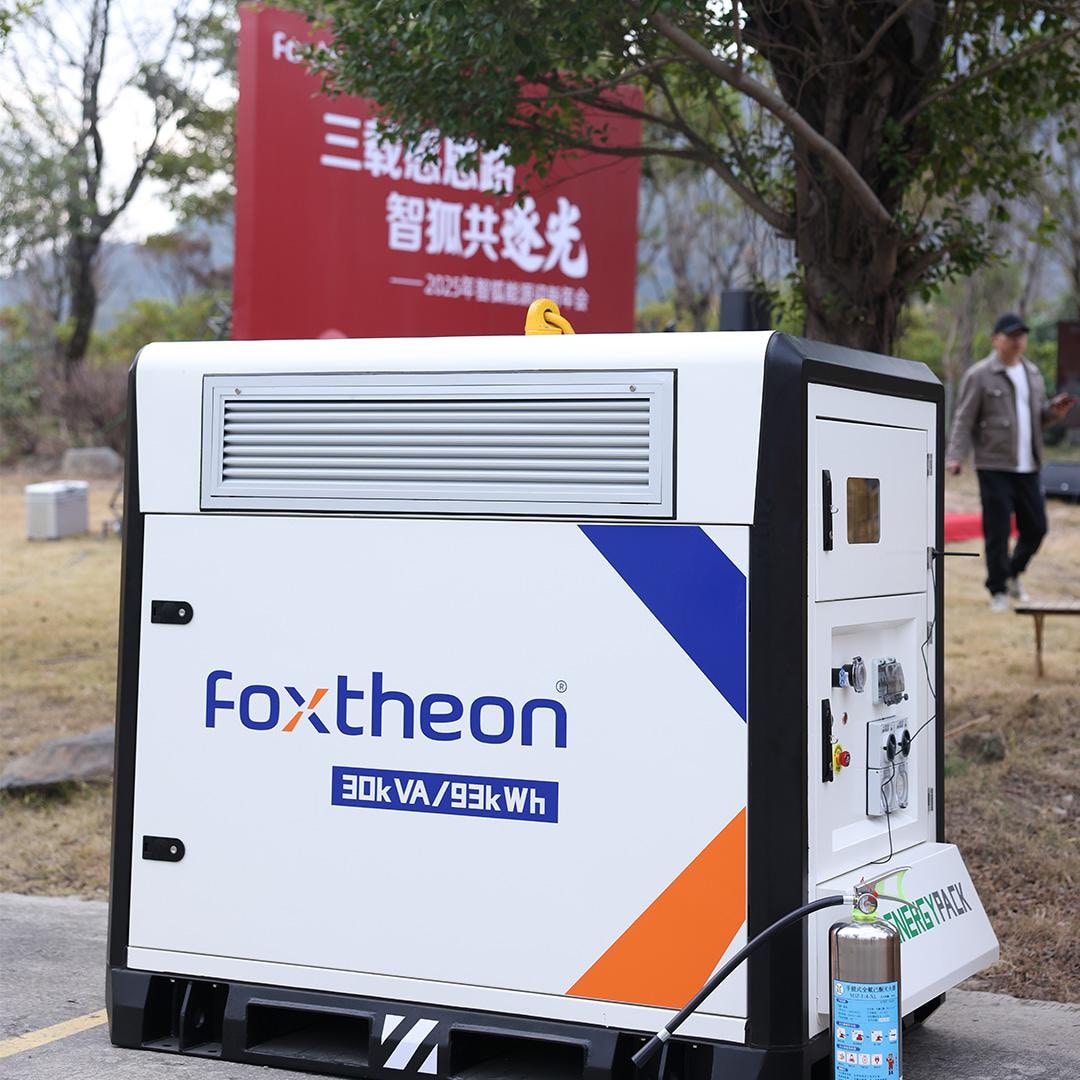
At the forefront of this shift is Foxtheon, providing advanced energy storage and mobile power solutions designed to bridge the gap between traditional power needs and modern efficiency requirements. By integrating smarter technology, fleet managers can significantly improve their bottom line.
1. Transitioning from Diesel to Hybrid Energy Systems
One of the most immediate ways to increase rental fleet ROI is to reduce the dependency on pure diesel combustion. Diesel generators are often oversized for the loads they handle, leading to “wet stacking” and inefficient fuel consumption.
By introducing Battery Energy Storage Systems (BESS) into your fleet, you create a hybrid environment. The battery handles low-load periods, and the generator only kicks in to charge the battery or handle peak demands. This significantly extends the life of the generator and slashes fuel bills—a major selling point for your end-customers.
2. Leveraging Real-Time Telematics for Predictive Maintenance
Maintenance is often the silent killer of profitability. Unexpected breakdowns lead to costly emergency repairs and, more importantly, lost rental days. To increase rental fleet ROI, you must move from a reactive maintenance model to a predictive one.
Modern intelligent energy solutions come equipped with IoT sensors that track everything from battery health (State of Health) to temperature and discharge cycles. When you know exactly how an asset is performing in the field, you can schedule maintenance during off-peak times, ensuring the equipment is always ready for the next high-value contract.
3. Optimizing Asset Utilization Rates
A piece of equipment sitting in the yard is a liability, not an asset. To truly increase rental fleet ROI, managers need to analyze utilization data to understand which assets are in high demand and which are gathering dust.
Intelligent energy platforms allow you to see exactly where your units are and how many hours they are being used. If certain power ranges are consistently booked, it might be time to expand that segment. Conversely, underperforming assets can be liquidated to free up capital for more profitable technology, such as the high-density lithium solutions offered by Foxtheon.
4. Reducing Logistics and Deployment Costs
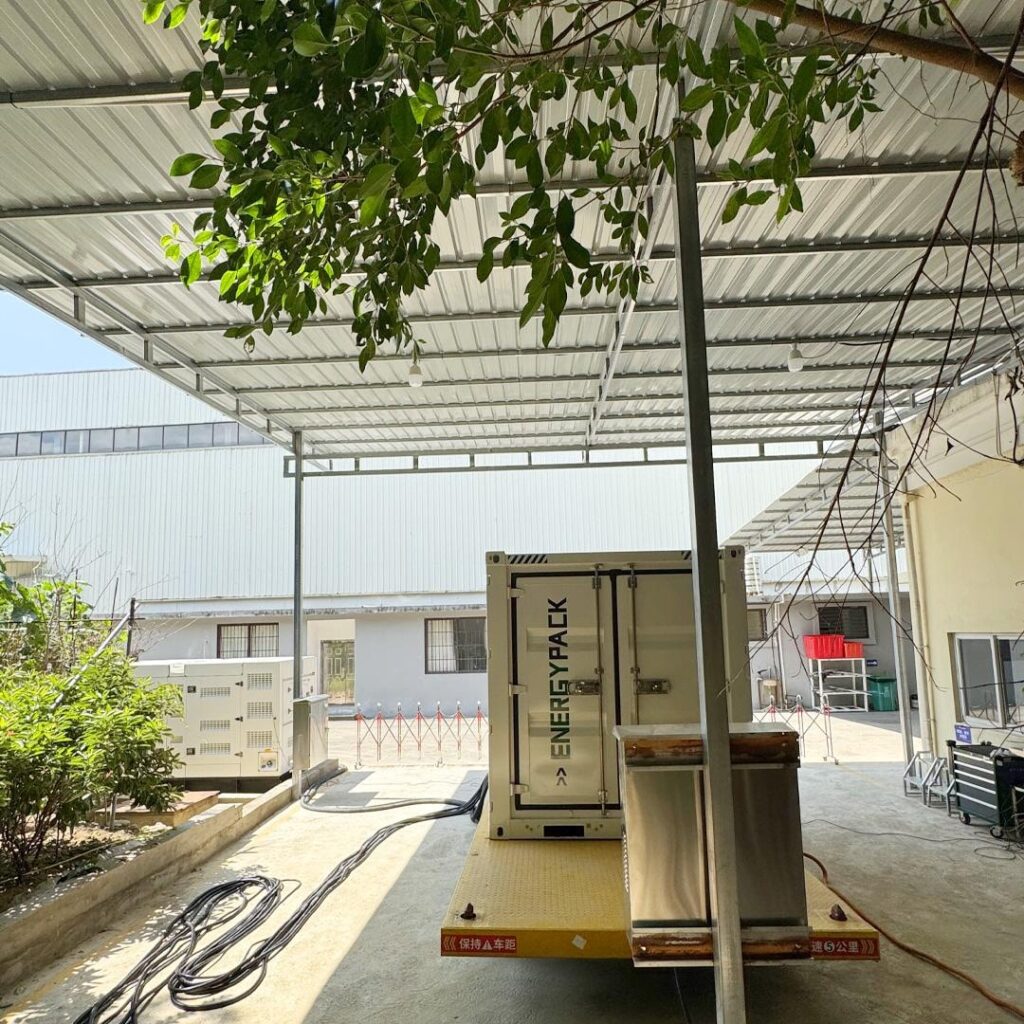
The cost of moving heavy machinery is substantial. Traditional power setups often require multiple support vehicles and specialized labor for installation. Switching to compact, modular energy solutions can drastically lower these overheads.
Portable energy storage units are often lighter and more compact than their diesel counterparts. This allows for easier transport, faster setup times on-site, and lower fuel consumption for your transport trucks. When you lower the “soft costs” of a rental, the profit margin on each contract naturally expands.
5. Tapping Into the “Quiet Zone” and Urban Markets
Many construction sites and events in urban areas now face strict noise ordinances. Standard generators often require expensive acoustic shielding or are banned during nighttime hours.
By investing in silent, emission-free energy storage, you open up new revenue streams that were previously inaccessible. Being able to provide power for a night-time film shoot or a residential construction project without disturbing the peace allows you to charge a premium. Diversifying your market reach is a proven way to increase rental fleet ROI in the long term.
6. Enhancing Customer Billing with Accurate Data
One common friction point in the rental industry is billing for fuel and “over-hours.” Traditional mechanical meters are often imprecise, leading to disputes with clients.
With intelligent energy solutions, every kilowatt-hour (kWh) is tracked digitally. You can provide your customers with detailed reports on their energy usage. This transparency builds trust and allows for “Value-Based Pricing.” Instead of just renting a box, you are selling a specific amount of energy and uptime, which often yields higher margins.
7. Extending Asset Lifespan with Smart Charging
Batteries and electrical components are sensitive to how they are treated. Rapid, uncontrolled charging and deep discharging can shorten the lifespan of an energy storage unit.
Advanced systems use Battery Management Systems (BMS) to ensure optimal performance. By protecting the core components, these systems ensure that the equipment remains in the “active” fleet for several years longer than cheaper, unmanaged alternatives. When the initial investment is spread over a longer period of generating revenue, you effectively increase rental fleet ROI.

8. Meeting ESG and Sustainability Mandates
Large corporate clients and government contracts now frequently include Environmental, Social, and Governance (ESG) requirements. If your fleet consists entirely of old, high-emission diesel engines, you will be disqualified from these lucrative bids.
Integrating green energy solutions like those from Foxtheon makes your fleet more attractive to blue-chip companies. These clients are often willing to pay a premium for “Green Power” to meet their own sustainability targets. Positioning your fleet as an eco-friendly partner is a strategic move to secure high-value, long-term contracts.
9. Improving Residual Value and Resale Potential
The final stage of the ROI cycle is the disposal of the asset. Equipment that has been well-maintained via digital tracking and intelligent management systems retains its value much better on the secondary market.
When you can present a buyer with a full digital history of an energy storage unit’s cycles and health, you can command a higher resale price. This “end-of-life” windfall is the final piece of the puzzle for those looking to increase rental fleet ROI across the entire lifecycle of their equipment.
The Role of Technology Partners
To successfully implement these strategies, choosing the right hardware and software partner is essential. Companies like Foxtheon provide the building blocks for a modern rental fleet. Their focus on high-efficiency energy storage and portable power means that fleet owners aren’t just buying equipment; they are investing in a system designed for maximum financial return.
As we move toward a decentralized energy grid, the role of mobile energy will only grow. Those who adapt now by integrating smart technology will be the ones who dominate the market in the coming decade.
Strategies for Implementation
To start seeing results, fleet managers should begin by auditing their current inventory. Identify the most expensive assets to maintain and the ones with the highest fuel consumption. Replacing even 10% of these “problem assets” with intelligent energy storage can provide a proof-of-concept that justifies a wider fleet transition.
Furthermore, training staff is vital. Technicians need to understand how to read telematics data, and sales teams need to know how to sell the benefits of hybrid power to customers. When the whole organization is aligned with the goal to increase rental fleet ROI, the transition happens much more smoothly.
Maximizing profitability in the rental sector requires a shift from “providing equipment” to “managing energy.” By embracing hybrid systems, utilizing predictive maintenance, and targeting new green-energy markets, you can effectively increase rental fleet ROI and outpace the competition.
The integration of intelligent energy solutions is no longer a luxury—it is a necessity for survival in an era of high energy costs and strict environmental standards. With partners like Foxtheon, the path to a more efficient, profitable, and sustainable fleet is clearer than ever. Focus on data, prioritize efficiency, and your ROI will naturally follow.
Frequently Asked Questions (FAQ)
Q1: How does a Battery Energy Storage System (BESS) actually save money for a rental company?
A1: A BESS saves money in three main areas: fuel, maintenance, and longevity. By allowing a diesel generator to shut down during low-load periods, fuel consumption can drop by up to 50-70%. Additionally, the generator runs for fewer hours, meaning it requires fewer oil changes and engine overhauls. This directly lowers the operating expenses, helping to increase rental fleet ROI.
Q2: Are intelligent energy solutions difficult for customers to use on-site?
A2: Not at all. Most modern systems are designed for “plug-and-play” operation. Digital interfaces provide clear instructions, and remote monitoring allows the rental company to assist the customer without sending a technician to the site. This ease of use reduces “operator error” and keeps the equipment running smoothly.
Q3: What is the average payback period for switching to hybrid energy rental units?
A3: While it depends on usage and local fuel prices, many fleet owners see a return on the additional investment within 18 to 24 months. Given that these units have a functional life of 10 years or more, the long-term impact on your ability to increase rental fleet ROI is substantial.
Q4: Can these systems handle harsh environments like construction sites?
A4: Yes. Intelligent energy solutions from reputable brands like Foxtheon are built with ruggedized enclosures, IP-rated protection against dust and water, and vibration-resistant components. They are specifically engineered to withstand the demanding conditions of the rental industry.
Q5: How does remote monitoring help in preventing theft or unauthorized use?
A5: Most intelligent systems include GPS tracking and geofencing capabilities. If a unit is moved outside of a designated work zone, the system can send an immediate alert or even disable the power output. This protects your capital investment and ensures that you are compensated for every hour of equipment use.
Q6: Does “going green” really attract more customers, or is it just a trend?
A6: It is a fundamental shift in the market. Many government projects now mandate a certain percentage of “zero-emission” power on-site. Furthermore, large corporations use these metrics for their annual sustainability reports. Offering these solutions is no longer just about the environment; it’s about qualifying for the most profitable contracts in the market.