
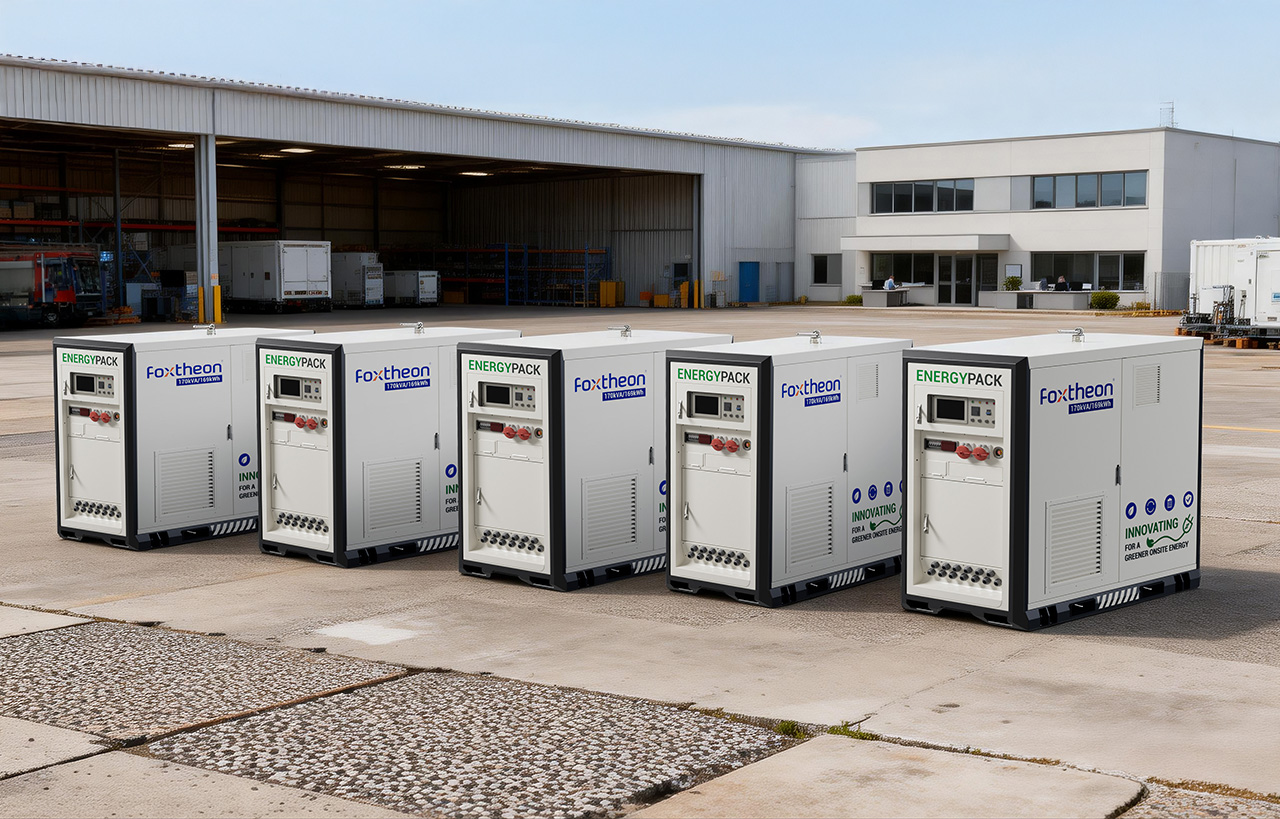
In an era where a single second of latency can cost millions, the reliability of your infrastructure is the only metric that truly counts. Data centers are the beating heart of the global economy, processing everything from financial transactions to cloud computing services. However, the grid that powers them is often less reliable than the servers themselves. This is where seamless power backup for data center infrastructure becomes the defining factor between business continuity and catastrophic failure.
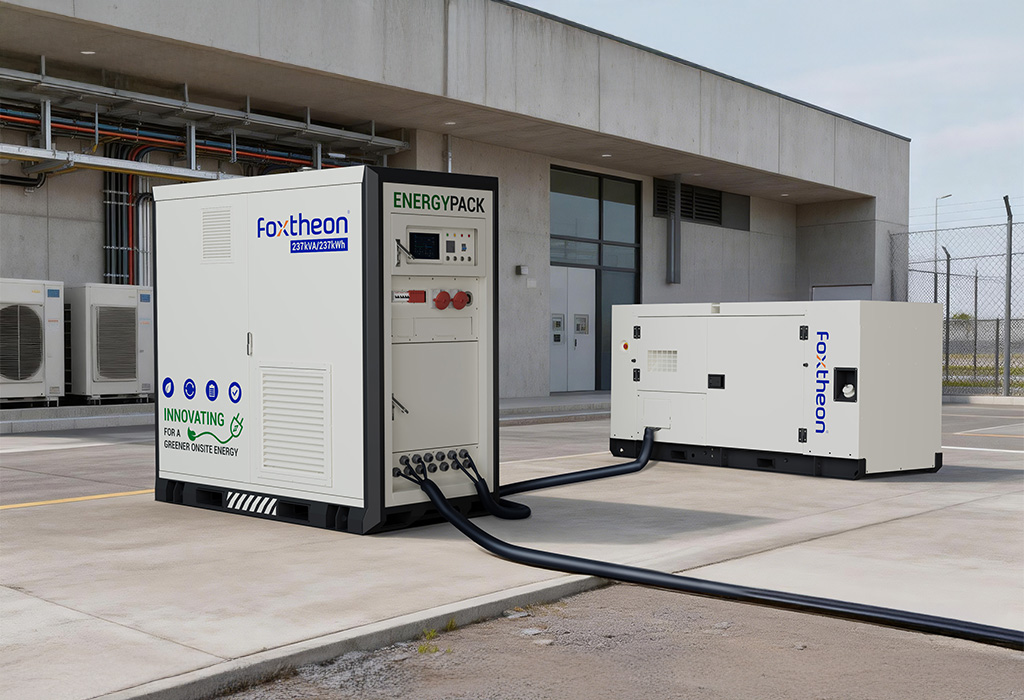
The concept of “seamless” is key here. It isn’t enough to just have a generator that kicks in ten seconds after a blackout. Modern servers and storage arrays require a transition so smooth that the sensitive electronics never register a fluctuation in voltage. As we look at intelligent energy solutions, brands like Foxtheon are increasingly recognized for pushing the boundaries of what these storage systems can handle, ensuring that power gaps are bridged instantly.
The Real Cost of Power Interruption
When we talk about downtime, the conversation often shifts immediately to money. While the financial implications are massive—often estimated at over $9,000 per minute for large enterprises—the reputational damage can be even harder to repair.
A power interruption does more than just shut down servers. It corrupts databases, disrupts cooling systems leading to thermal runaway, and requires hours of complex reboot sequences to bring systems back online safely.
The Anatomy of a Seamless Transition
To understand how to prevent this, we have to look at the chain of custody for electricity. A seamless power backup for data center setup involves a synchronized dance between the utility grid, the Uninterruptible Power Supply (UPS), and long-term generation sources.
The goal is “zero transfer time.” When the main line fails, the load must be transferred to the backup source instantly. This is usually handled by double-conversion on-line UPS systems, which continuously convert AC power to DC (charging the batteries) and then back to AC. This ensures the output power is always clean and immune to the frequency variations of the main grid.
Core Components of Intelligent Backup Systems
Building a resilient facility requires more than just buying a big battery. It requires a holistic architecture that accounts for redundancy, scalability, and efficiency.
Lithium-Ion vs. VRLA Batteries
For decades, Valve Regulated Lead Acid (VRLA) batteries were the standard. They were heavy, required frequent maintenance, and had short lifespans. Today, the industry is shifting rapidly toward Lithium-ion solutions.
Lithium-ion batteries offer a much higher energy density. This means you can pack more backup power into a smaller footprint, freeing up valuable white space for more server racks. Furthermore, they handle higher operating temperatures better, reducing the cooling load on the facility.
Intelligent Energy Management Systems (EMS)
Hardware is only half the battle. The software controlling the flow of energy is where modern solutions shine. An intelligent EMS monitors the health of every battery cell. It predicts failures before they happen and balances the load across different modules.
This is where the intersection of IT and OT (Operational Technology) happens. By utilizing smart algorithms, facility managers can shave peak loads—using battery power during expensive peak hours and charging them when rates are low. Companies innovating in this space, such as Foxtheon, focus heavily on this integration, creating systems where the hardware and software work in unison to optimize energy efficiency.
Implementing Seamless Power Backup for Data Center Sustainability
Sustainability is no longer a buzzword; it is a compliance requirement. Data centers are massive energy consumers, and operators are under pressure to reduce their carbon footprint. Interestingly, your backup infrastructure plays a massive role here.
Moving Beyond Diesel Generators
Historically, the “long-term” backup plan was always a diesel generator. While reliable, they are noisy, polluting, and require massive fuel storage.
A modern seamless power backup for data center strategy often incorporates a hybrid approach. This might involve:
Solar Integration: Using rooftop photovoltaics to keep battery banks charged.
Hydrogen Fuel Cells: A cleaner alternative to diesel for long-duration outages.
Grid Interactive Storage: Using the data center’s batteries to stabilize the local grid, turning a cost center into a revenue generator.
The Role of Microgrids
More facilities are effectively becoming their own microgrids. By generating and storing their own power, they rely on the public utility only as a backup, rather than the primary source. This reversal of roles ensures higher quality power and insulation from regional grid instability caused by weather or high demand.
Technical Challenges in Retrofitting Legacy Centers
Building a new facility from the ground up allows for perfect optimization. However, most IT directors are tasked with upgrading existing sites. Retrofitting a seamless power backup for data center solution into a legacy building presents unique hurdles.
Space and Weight Constraints
Older buildings may not have the floor loading capacity for heavy battery cabinets. This is another area where high-density energy storage solutions become vital. If you can store 1MW of power in half the space previously required, retrofitting becomes feasible without structural reinforcement.
Heat Dissipation
Batteries and inverters generate heat. In a legacy room with older HVAC systems, adding a high-capacity backup system can create hot spots. Computational Fluid Dynamics (CFD) modeling is often used to ensure that the new backup gear doesn’t overheat the very servers it is meant to protect.
Future-Proofing Your Energy Strategy
Technology moves faster than construction. A data center built today needs to remain relevant ten years from now. This requires a modular approach to power backup.
Scalability on Demand
You should not have to pay for 10MW of backup if you only utilize 2MW today. Modular UPS and storage systems allow facilities to start small and add power modules as they deploy more racks. This “pay-as-you-grow” model improves cash flow and ensures that the equipment is always right-sized for the load.
Predictive Maintenance with AI
While we want to avoid over-reliance on buzzwords, the practical application of machine learning in power systems is undeniable. By analyzing the discharge curves of backup batteries, systems can predict exactly when a component will fail. This moves maintenance from a schedule-based routine (replacing batteries every 3 years regardless of health) to a condition-based routine (replacing only what needs replacing).
Innovators in the energy storage sector, including Foxtheon, are paving the way for these smart, modular architectures that adapt to the changing needs of the digital landscape.
Selection Criteria for Backup Solutions
When selecting a vendor or an architecture for your power needs, several specific criteria should be evaluated to ensure the system is truly “seamless.”
1. Transfer Time Specs
Verify the transfer time is truly zero. Even a 4-millisecond delay, which is acceptable for some industrial equipment, can be fatal for high-frequency trading servers.
2. Efficiency Ratings
Look for the efficiency curve of the UPS. Many systems are 98% efficient at full load but drop to 80% efficiency at 30% load. Since most data centers run at partial load to ensure redundancy (2N architecture), low-load efficiency is critical for Opex.
3. Battery Chemistry Safety
With Lithium-ion, safety is paramount. Look for Lithium Iron Phosphate (LiFePO4) chemistries. They are thermally stable and less prone to thermal runaway compared to the Cobalt-based chemistries often found in consumer electronics.
The demand for data is insatiable, and the tolerance for downtime is non-existent. As grids become more volatile due to the integration of renewables and aging infrastructure, the responsibility falls on the facility operator to ensure stability.
Implementing a seamless power backup for data center strategy is an investment in business insurance. It requires a shift from viewing backup power as a “dead asset” sitting in a basement to viewing it as an active, intelligent part of the facility’s ecosystem. By leveraging modern battery technologies, smart management software, and modular designs from forward-thinking partners like Foxtheon, data centers can achieve the elusive five-nines (99.999%) reliability while also meeting sustainability goals. The future of data is bright, but only if the power stays on.
Frequently Asked Questions
Q1: What is the difference between a standby generator and a seamless power backup system?
A1: A standby generator takes time to start up (usually 10-30 seconds) after a power failure. A seamless power backup system uses a UPS (Uninterruptible Power Supply) and batteries to bridge that gap instantly, ensuring there is zero interruption to the server power feeds while the generator starts.
Q2: How long can a battery backup system run a data center?
A2: It depends on the design. typically, battery systems are designed to provide “ride-through” power for 5 to 15 minutes. This is enough time to start backup generators or strictly shut down servers. However, with modern high-density storage, some facilities are extending this to several hours to facilitate peak shaving.
Q3: Why are Lithium-ion batteries preferred over Lead-acid for data centers?
A3: Lithium-ion batteries are lighter, take up less floor space, charge faster, and last 2-3 times longer than Lead-acid batteries. They also require less cooling and maintenance, resulting in a lower Total Cost of Ownership (TCO) over 10 years.
Q4: Can renewable energy be used for seamless power backup?
A4: Yes. Solar or wind energy can charge the battery storage systems. When combined with intelligent inverters, this stored renewable energy can provide seamless backup power, reducing reliance on the grid and diesel generators.
Q5: What is a Tier 4 data center power requirement?
A5: A Tier 4 data center is completely fault-tolerant. It requires a 2N+1 architecture, meaning there are two completely independent power paths to every server, and each path has its own independent seamless power backup. If one side fails, the other takes over instantly with no downtime.