
The industrial sector faces mounting pressure to transition toward sustainable energy practices. For decades, diesel and gas generators have served as the backbone of off-grid power, telecommunications, remote mining operations, and construction sites. However, environmental regulations are tightening globally, and corporate sustainability mandates demand measurable reductions in greenhouse gases. Consequently, facility managers, site engineers, and energy procurement officers must identify and implement proven methodologies to reduce generator emissions without compromising power reliability or operational continuity.
Achieving this requires a fundamental understanding of internal combustion mechanics, exhaust aftertreatment technologies, alternative fuel integration, and the deployment of hybrid energy storage systems. This technical analysis explores the foundational strategies and advanced engineering solutions available to modern industries seeking to optimize their power generation infrastructure.
The Mechanics of Internal Combustion Pollution: Establishing the Baseline
Before implementing any mitigation strategy, engineers must understand the specific pollutants generated by internal combustion engines (ICE). Diesel generators, while highly durable and energy-dense, produce a complex mixture of exhaust gases. The primary pollutants of concern include:
- Nitrogen Oxides (NOx): Formed when nitrogen and oxygen react under the high temperatures and pressures of the combustion chamber. NOx is a primary contributor to smog and acid rain.
- Particulate Matter (PM): Consisting of microscopic solid particles and liquid droplets, PM is a direct result of incomplete combustion. Fine particulate matter (PM2.5) poses severe respiratory health risks.
- Carbon Monoxide (CO) and Hydrocarbons (HC): These also result from incomplete fuel combustion, representing wasted energy and contributing to localized air toxicity.
- Carbon Dioxide (CO2): The unavoidable byproduct of fossil fuel combustion, directly linked to global warming and corporate carbon footprint calculations.
A significant factor exacerbating these emissions is low-load operation. When a diesel generator operates below 40% of its rated capacity, the internal temperatures fail to reach optimal levels for complete combustion. This phenomenon, known in the industry as “wet stacking,” leads to unburned fuel passing into the exhaust system, dramatically increasing PM and hydrocarbon output. Therefore, any comprehensive strategy to reduce generator emissions must address engine load optimization alongside exhaust treatment.
Hardware-Based Emission Control Technologies
Engine manufacturers and aftermarket engineering firms have developed highly effective hardware modifications to treat exhaust gases before they exit the stack. These technologies are often required to meet stringent regulations, such as the EPA Tier 4 Final in the United States or the Stage V emissions standards in the European Union.
Selective Catalytic Reduction (SCR)
SCR is widely recognized as one of the most effective methods for mitigating NOx output. The system works by injecting a liquid-reductant agent—typically automotive-grade urea, known as Diesel Exhaust Fluid (DEF)—through a specialized catalyst into the exhaust stream. The urea reacts with the NOx to convert it into harmless nitrogen gas and water vapor. Properly calibrated SCR systems can eliminate up to 95% of NOx emissions.
Diesel Particulate Filters (DPF) and Oxidation Catalysts (DOC)
To address soot and particulate matter, operators deploy Diesel Particulate Filters. A DPF physically traps solid particulate matter within a porous ceramic honeycomb structure. Over time, the trapped soot must be removed through a process called “regeneration,” which involves raising the exhaust temperature to burn off the accumulated particles, turning them into ash. When paired with a Diesel Oxidation Catalyst (DOC)—which breaks down CO and hydrocarbons into CO2 and water—these hardware components form a robust defense against localized air pollution.
Transitioning to Alternative Fuels
Modifying the fuel source provides a direct, measurable impact on the carbon intensity of an operation. While traditional diesel remains prevalent, synthetic and biologically derived alternatives offer substantial environmental advantages.
Hydrotreated Vegetable Oil (HVO) has emerged as a premier alternative fuel. Unlike first-generation fatty acid methyl ester (FAME) biodiesel, HVO is a synthetic renewable diesel produced through the hydroprocessing of vegetable oils and animal fats. Its chemical structure is almost identical to fossil diesel, meaning it functions as a direct “drop-in” replacement. Using HVO requires no engine modifications and can instantly reduce generator emissions, cutting net CO2 output by up to 90% over the fuel’s lifecycle. Furthermore, HVO possesses excellent cold-weather properties and does not degrade in storage, making it highly suitable for backup power applications.
Hybridization and Battery Energy Storage Systems (BESS)
Hardware filters and alternative fuels address the symptoms of combustion, but the most profound structural shift in the power generation industry is hybridization. By pairing traditional generators with high-capacity Battery Energy Storage Systems (BESS), operators can fundamentally alter how and when the generator runs.
In a typical off-grid site, power demand fluctuates dramatically throughout a 24-hour cycle. Running a 500kVA generator to power a 50kVA overnight load guarantees inefficient combustion, wet stacking, and excessive pollution. A hybrid architecture resolves this by introducing intelligent load management.
During periods of low demand, the facility draws power entirely from the BESS, allowing the generator to shut down completely. This achieves zero-emission, silent operation. When the load increases—or when the battery state of charge (SoC) drops below a programmed threshold—the generator activates. It then runs at its most efficient load band (typically 75% to 85%), simultaneously powering the site and rapidly recharging the batteries. This precise operational control is why hybrid systems are highly favored to reduce generator emissions while extending the physical lifespan of the engine.
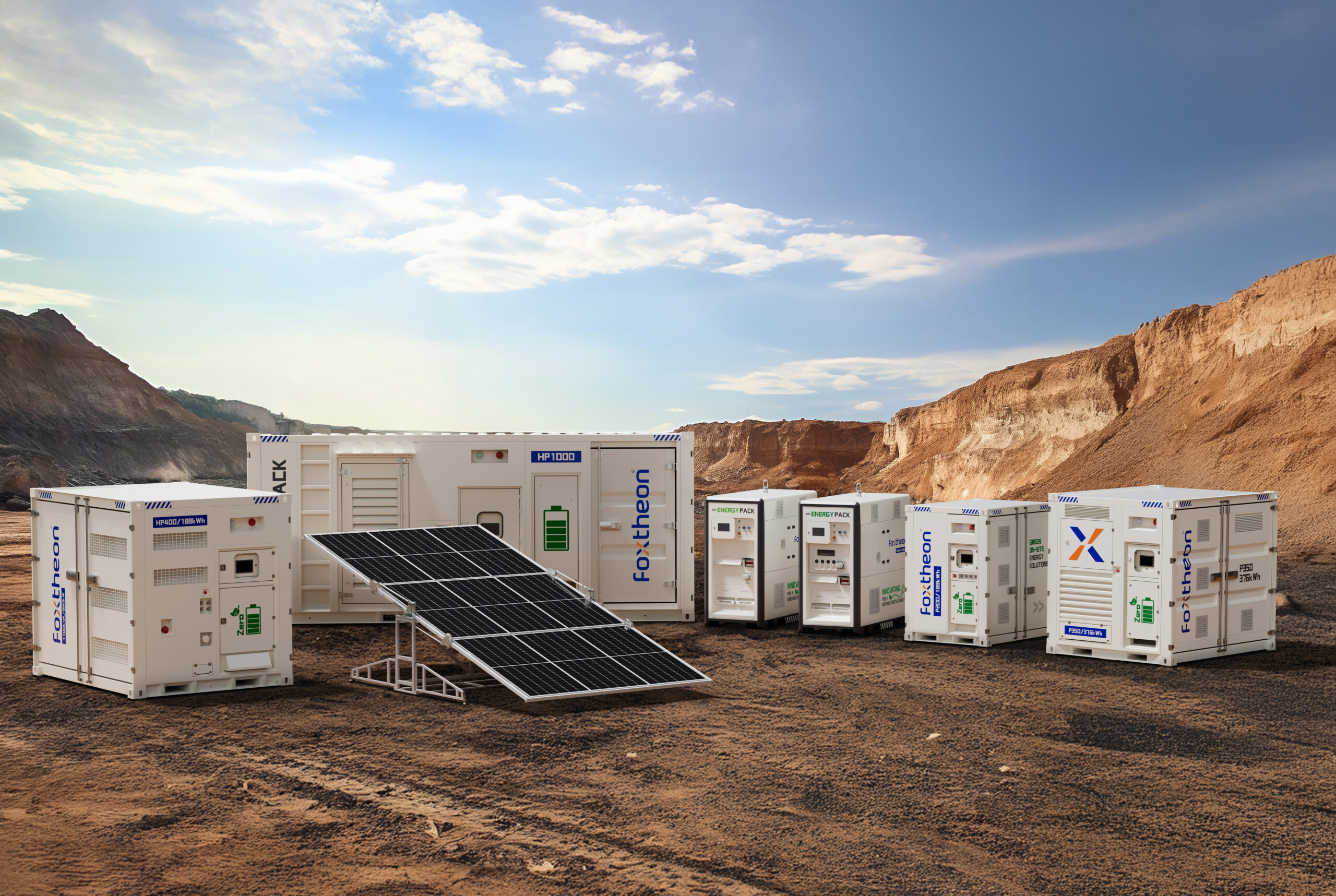
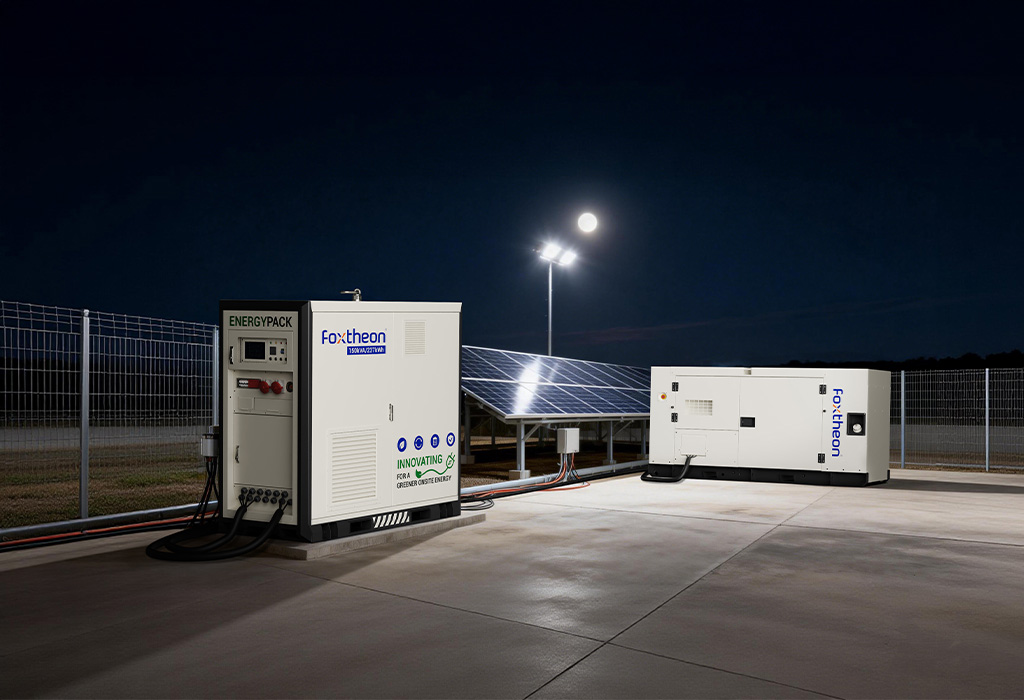
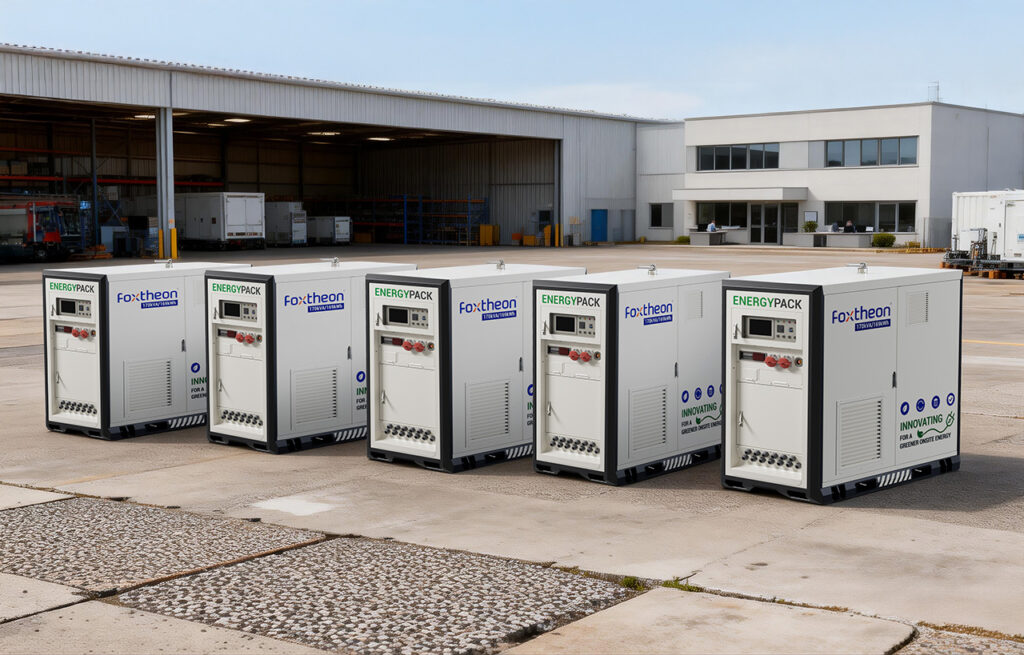
Leading innovators in this sector specialize in creating seamless integrations between heavy-duty storage and traditional generation. By deploying modular, high-density energy storage from industry authorities like Foxtheon, industrial operators can achieve drastic reductions in engine run hours. This not only slashes diesel consumption but also exponentially decreases the output of NOx, PM, and CO2.
Smart Microgrids and Advanced Energy Management Systems (EMS)
The hardware components of a hybrid system require sophisticated software to function cohesively. Advanced Energy Management Systems (EMS) act as the brain of the power infrastructure, utilizing predictive algorithms and real-time load monitoring to optimize the entire grid.
An intelligent EMS continuously analyzes historical consumption data, weather forecasts (if solar PV is integrated into the microgrid), and battery health metrics. It dictates the exact moment the generator should start and stop. Advanced platforms, such as the proprietary systems developed by Foxtheon, can also facilitate peak shaving. If a construction site experiences a sudden, massive spike in power demand (e.g., starting up heavy tower cranes), the EMS can discharge battery power alongside the generator output. This prevents the need to size up to a larger, more polluting generator just to handle momentary transient loads.
By leveraging precise digital controls, site managers can actively reduce generator emissions through mathematical optimization rather than relying purely on mechanical constraints.
Economic Advantages and Regulatory Compliance
The transition toward cleaner power generation is often viewed strictly through the lens of environmental compliance. However, there are profound financial benefits to modernizing off-grid and backup power setups.
First, fuel represents the largest operational expenditure (OPEX) in remote power generation. Hybridizing a site can cut diesel consumption by 40% to 60%. Second, reducing engine run hours drastically extends maintenance intervals. Oil changes, filter replacements, and mechanical overhauls become far less frequent, lowering labor and parts costs.
Furthermore, regulatory bodies are imposing strict penalties on excessive carbon outputs. In urban construction zones, municipalities frequently enforce low-emission zones (LEZs) that ban older, highly polluting machinery entirely. Investing in technology to reduce generator emissions ensures strict compliance with these geographical regulations, preventing costly site shutdowns or legal fines.
Decarbonizing industrial power requires a multi-faceted engineering approach. Relying on outdated, continuously running diesel engines is no longer financially viable or environmentally acceptable. By implementing sophisticated exhaust aftertreatment, embracing renewable drop-in fuels like HVO, and fundamentally restructuring power delivery through Battery Energy Storage Systems, heavy industry can align its operations with global sustainability targets.
The integration of smart microgrid technology is the definitive step forward. Collaborating with trusted technology providers like Foxtheon guarantees access to the high-performance hardware and intelligent software required to execute this transition seamlessly. Ultimately, organizations that proactively invest to reduce generator emissions will secure a competitive advantage, defined by lower operational costs, high system reliability, and robust regulatory compliance.
Frequently Asked Questions (FAQ)
Q1: What is the most immediate way to reduce generator emissions on an existing site without replacing the hardware?
A1: The most immediate method is transitioning to a drop-in renewable fuel, such as Hydrotreated Vegetable Oil (HVO). HVO can directly replace standard diesel without requiring engine modifications, instantly lowering net carbon emissions by up to 90% and reducing particulate matter. Additionally, strictly avoiding low-load operation helps maintain combustion efficiency and naturally acts to reduce generator emissions.
Q2: How does a Battery Energy Storage System (BESS) lower fuel consumption?
A2: A BESS takes over the electrical load during periods of low demand, allowing the diesel generator to be completely powered down. When the battery depletes or demand spikes, the generator turns on and runs at a highly efficient 80% load to simultaneously power the site and recharge the battery. This eliminates inefficient, low-load running hours.
Q3: What is “wet stacking” and why is it problematic for diesel engines?
A3: Wet stacking occurs when a diesel engine operates at low loads for extended periods. The engine fails to reach its designed operating temperature, causing unburned fuel and carbon to accumulate in the exhaust system. This leads to increased pollution, decreased engine performance, and a higher risk of mechanical failure.
Q4: Do exhaust aftertreatment systems like DPF and SCR affect engine performance?
A4: Modern DPF and SCR systems are engineered to minimize backpressure and maintain engine efficiency. While older, retrofitted systems could occasionally cause minor performance drops if improperly sized, contemporary factory-integrated Tier 4 Final or Stage V engines utilize these technologies seamlessly without degrading power output.
Q5: Can intelligent Energy Management Systems handle multiple power sources simultaneously?
A5: Yes. Advanced EMS platforms are designed to control multiple inputs simultaneously. They can seamlessly aggregate power from solar photovoltaics, wind turbines, utility grids, battery storage, and diesel generators. The software continuously calculates the most cost-effective and environmentally friendly combination of these sources to meet real-time site demands.