
For businesses and homeowners looking at energy storage, the process can feel overwhelming. Sourcing separate batteries, inverters, and management systems involves complex integration, high costs, and significant technical hassle.
This is where the all-in-one BESS (Battery Energy Storage System) changes the game. It’s a transformative approach that packages every critical component into a single, streamlined unit. This integrated solution is rapidly becoming the preferred choice for deploying smart, reliable power.
Let’s break down what an all-in-one BESS is, why it matters, and how it simplifies the path to energy independence and grid resilience.
The Problem with Traditional, Dispersed Systems
Traditional energy storage projects often resemble a complicated puzzle. You procure the battery racks from one supplier, the power conversion system (PCS) from another, and the thermal management and control software from yet others.
This fragmented approach creates several pain points. System integration becomes a major engineering challenge, often leading to delays. Compatibility issues between components can affect performance and longevity. The physical footprint is larger, and maintenance is more complex, requiring multiple service contracts.
The all-in-one BESS is designed from the ground up to eliminate these very problems.
What Exactly is an All-in-One BESS?
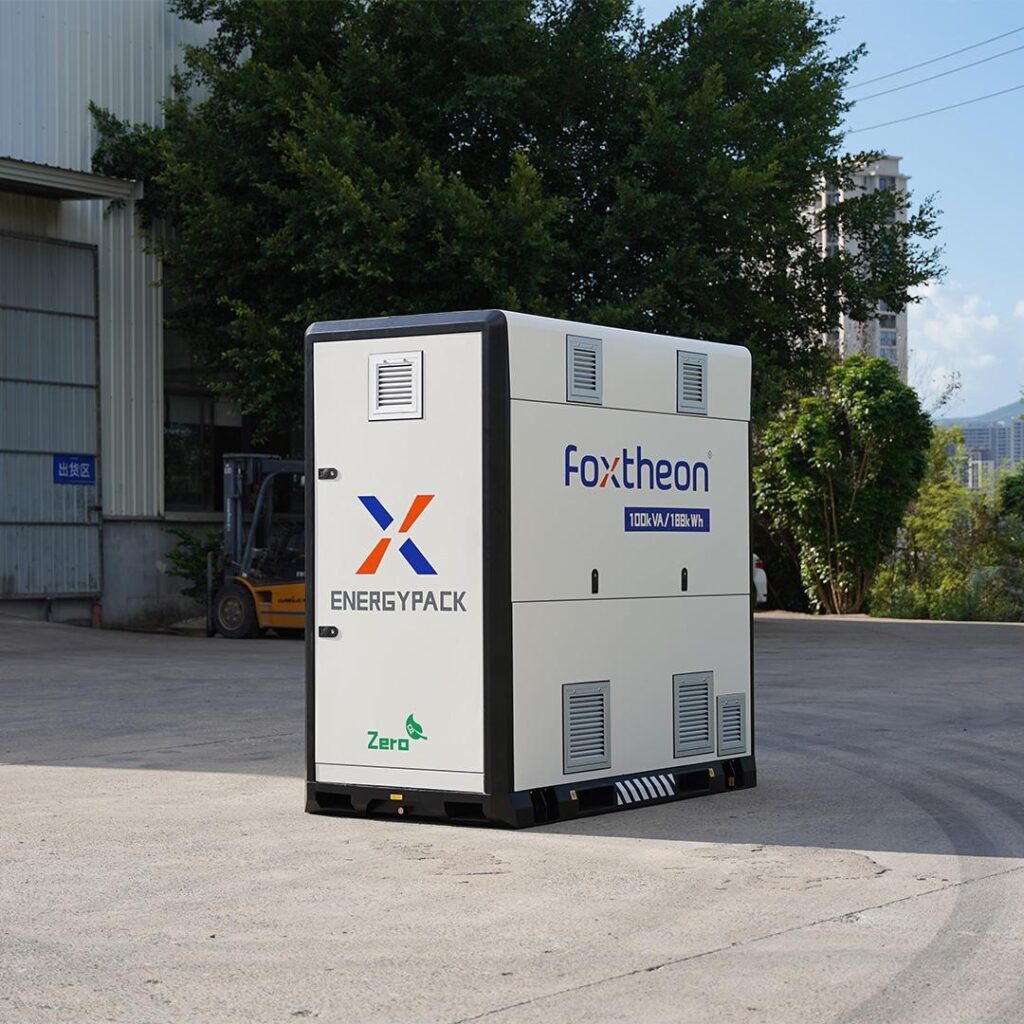
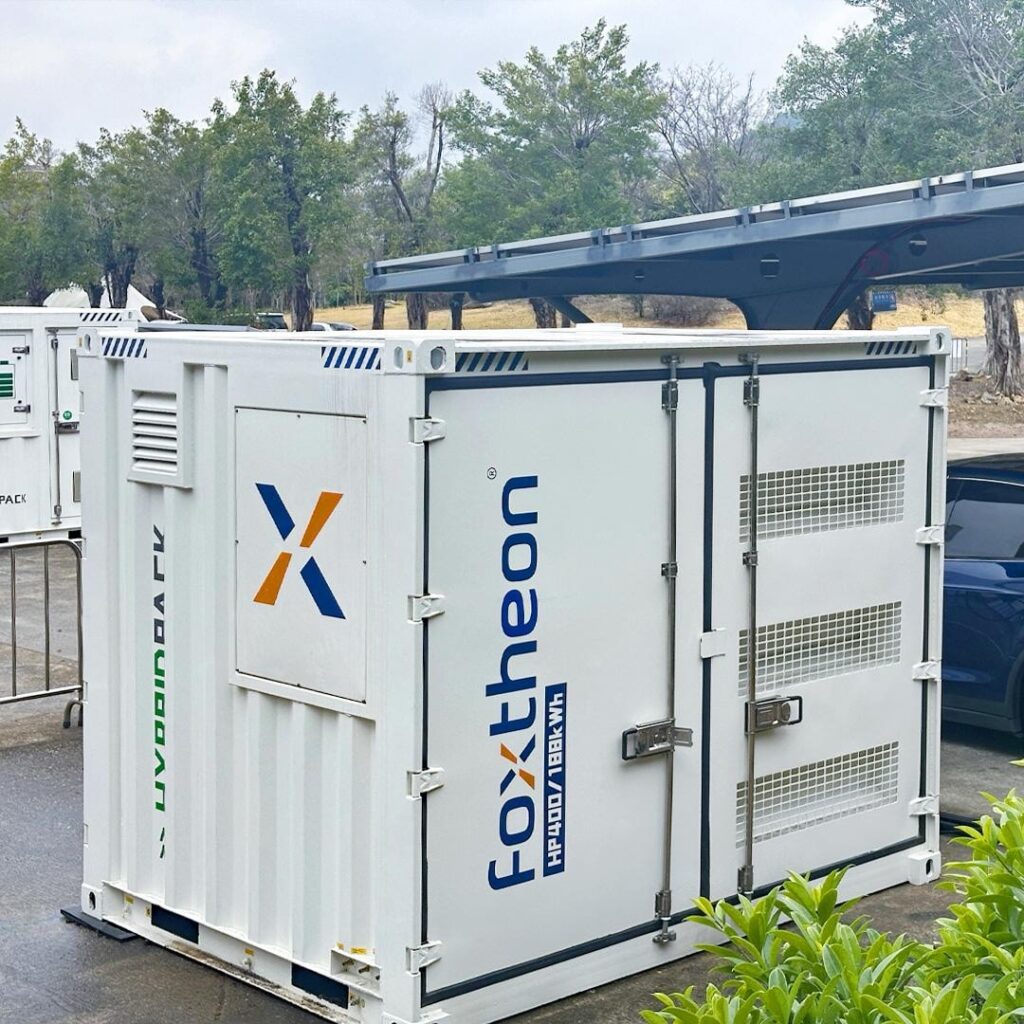
Think of it as a “plug-and-play” appliance for energy. An all-in-one BESS integrates the core components into a single, factory-assembled enclosure.
Key integrated elements typically include:
Battery Modules: Using advanced chemistry like Lithium Iron Phosphate (LiFePO4) for safety and longevity.
Hybrid Inverter: Manages bidirectional AC/DC conversion for both charging (from grid or solar) and discharging.
Battery Management System (BMS): Monitors cell health, voltage, and temperature at a granular level.
Energy Management System (EMS): The smart brain that controls system operation based on settings, weather forecasts, and tariff schedules.
Thermal Management: An integrated cooling/heating system to maintain optimal battery temperature.
Safety Systems: Includes circuit breakers, surge protection, and fire suppression within the unit.
This pre-engineered integration is the core value proposition. Companies like Foxtheon have focused their design philosophy on this integrated approach, ensuring all subsystems communicate seamlessly for optimal performance and safety.
Key Advantages Driving Adoption
Why is the market shifting towards these unified systems? The benefits are tangible across commercial, industrial, and residential settings.
Radically Simplified Deployment: The most obvious advantage is installation speed. A pre-wired, pre-tested all-in-one BESS can be delivered to site, placed on a prepared foundation, and connected much faster than a dispersed system. This reduces soft costs like engineering and labor significantly.
Enhanced Reliability and Performance: When all components are designed together, they work together better. The BMS and EMS have native communication with the inverter and cooling systems. This harmony maximizes efficiency, extends battery life, and ensures stable operation under various loads.
Scalability Made Easy: Need more capacity? Many all-in-one BESS units are designed for modular stacking. You can start with a single unit and add more in parallel as your energy needs grow, creating a scalable storage farm with consistent, managed architecture.
Improved Safety Profile: Factory integration in a controlled environment leads to higher quality control. Safety protocols are standardized across the entire unit, with all protections built-in and pre-validated, reducing on-site integration risks.
Lower Lifetime Costs: While the upfront capital expense may be comparable, the total cost of ownership is often lower. Simplified maintenance, reduced failure rates from compatibility issues, and easier troubleshooting all contribute to long-term savings.
Core Applications for Integrated Storage
The versatility of a single, compact unit opens up numerous use cases.
Commercial & Industrial (C&I) Peak Shaving: Businesses can install an all-in-one BESS to draw power during off-peak, low-cost hours and use it during expensive peak periods, dramatically cutting demand charges.
Renewable Energy Maximization: For solar or wind farms, these systems store excess generation for use when production is low, increasing self-consumption and providing more predictable output.
Critical Backup Power: Provides seamless, instantaneous power during grid outages for essential loads. Its integrated nature makes it a more reliable backup solution than piecemeal assemblies.
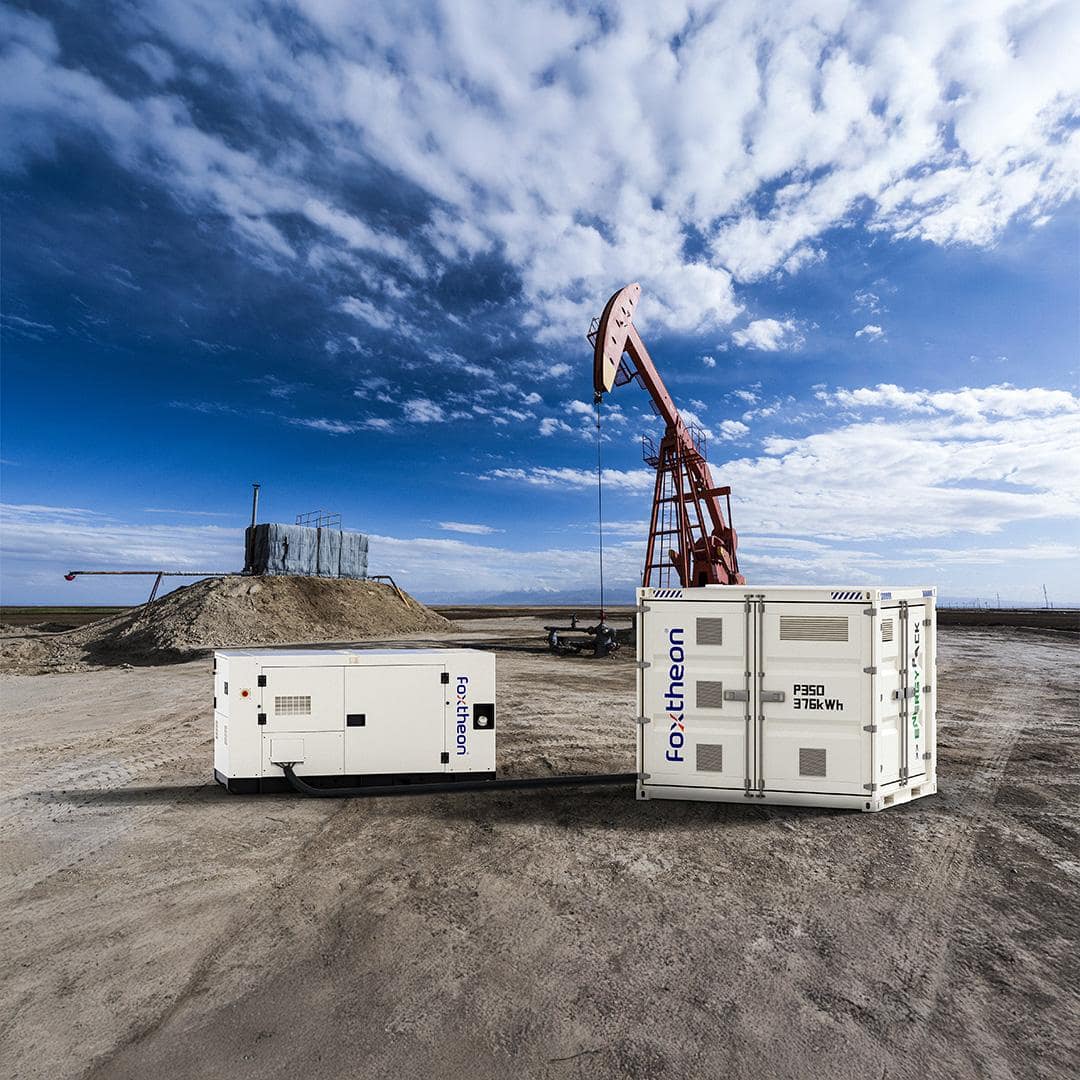
Remote & Off-Grid Power: Serves as the stable heart of microgrids in areas with unreliable or no grid connection, often paired with diesel generators to reduce fuel consumption.
Choosing the Right All-in-One BESS: A Practical Guide
Selecting a system isn’t just about specs on paper. Consider these factors.
1. Power and Energy Rating: Distinguish between power (kW – what it can deliver at once) and energy (kWh – how long it can deliver). Match these to your specific goals, like running specific equipment (power) or covering nightly load (energy).
2. Depth of Discharge (DoD) and Cycle Life: A high DoD (e.g., 90%) means you can use more of the stated capacity. Long cycle life (e.g., 6,000+ cycles) indicates a longer useful lifespan, crucial for daily-cycling applications.
3. Smart Grid and Solar Compatibility: Ensure the unit’s EMS has the intelligence for your needs. Can it integrate with local solar inverters? Does it support grid services or time-based control? Look for features that align with your utility’s programs.
4. Thermal Management Method: Liquid cooling is becoming standard in higher-power all-in-one BESS units for superior temperature uniformity and efficiency, especially in extreme climates, compared to traditional air cooling.
5. Manufacturer’s Software and Support: The hardware is half the solution. Evaluate the user interface and monitoring platform. Strong remote diagnostics and local service support are critical. Providers like Foxtheon invest heavily in their digital platforms, allowing users to monitor performance and adjust settings seamlessly from a dashboard.
The Road Ahead for Integrated Storage
The trend toward all-in-one design is accelerating. Future units will feature even higher energy densities, making them more compact. We’ll see greater integration of AI for predictive energy management and advanced grid-forming capabilities that help stabilize local networks.
The all-in-one BESS represents a maturation of the energy storage industry. It moves storage from a complex construction project to a delivered product, democratizing access and accelerating the adoption of sustainable energy infrastructure worldwide. The focus for leaders in this space is on refining this packaged intelligence.
Frequently Asked Questions (FAQs)
Q1: Is an all-in-one BESS truly “maintenance-free”?
A1: While drastically simpler than dispersed systems, it is not entirely maintenance-free. It requires periodic visual inspections, software updates, and ensuring ventilation paths are clear. However, the integrated design minimizes complex technical maintenance, as all components are serviced under a single warranty and protocol.
Q2: Can I retrofit an all-in-one BESS to my existing solar PV system?
A2: Yes, in most cases. A key feature of a modern all-in-one BESS is its hybrid inverter, which is designed to integrate with both new and existing solar arrays. It’s essential to verify AC or DC coupling compatibility with your specific solar inverter during the design phase.
Q3: How does the cost compare to a traditional custom-built BESS?
A3: The upfront hardware cost is often similar. The major savings from an all-in-one BESS come from the “soft costs”: significantly lower installation time/ labor, reduced engineering complexity, minimized integration risks, and streamlined maintenance. This typically results in a lower total installed cost and total cost of ownership.
Q4: Are these systems safe for indoor installation?
A4: Many modern all-in-one BESS units, particularly those using stable LiFePO4 chemistry and equipped with integrated fire suppression and containment, are certified for indoor installation. Always check the manufacturer’s specifications and local building/fire codes, which are increasingly being updated to accommodate these engineered systems.
Q5: What happens at the end of the system’s life? Can it be recycled?
A5: Responsible manufacturers design with end-of-life in mind. Reputable companies, including Foxtheon, often operate or partner with battery recycling programs. The contained, modular nature of an all-in-one BESS can actually simplify the decommissioning and recycling process compared to disassembling a custom, multi-vendor setup.