
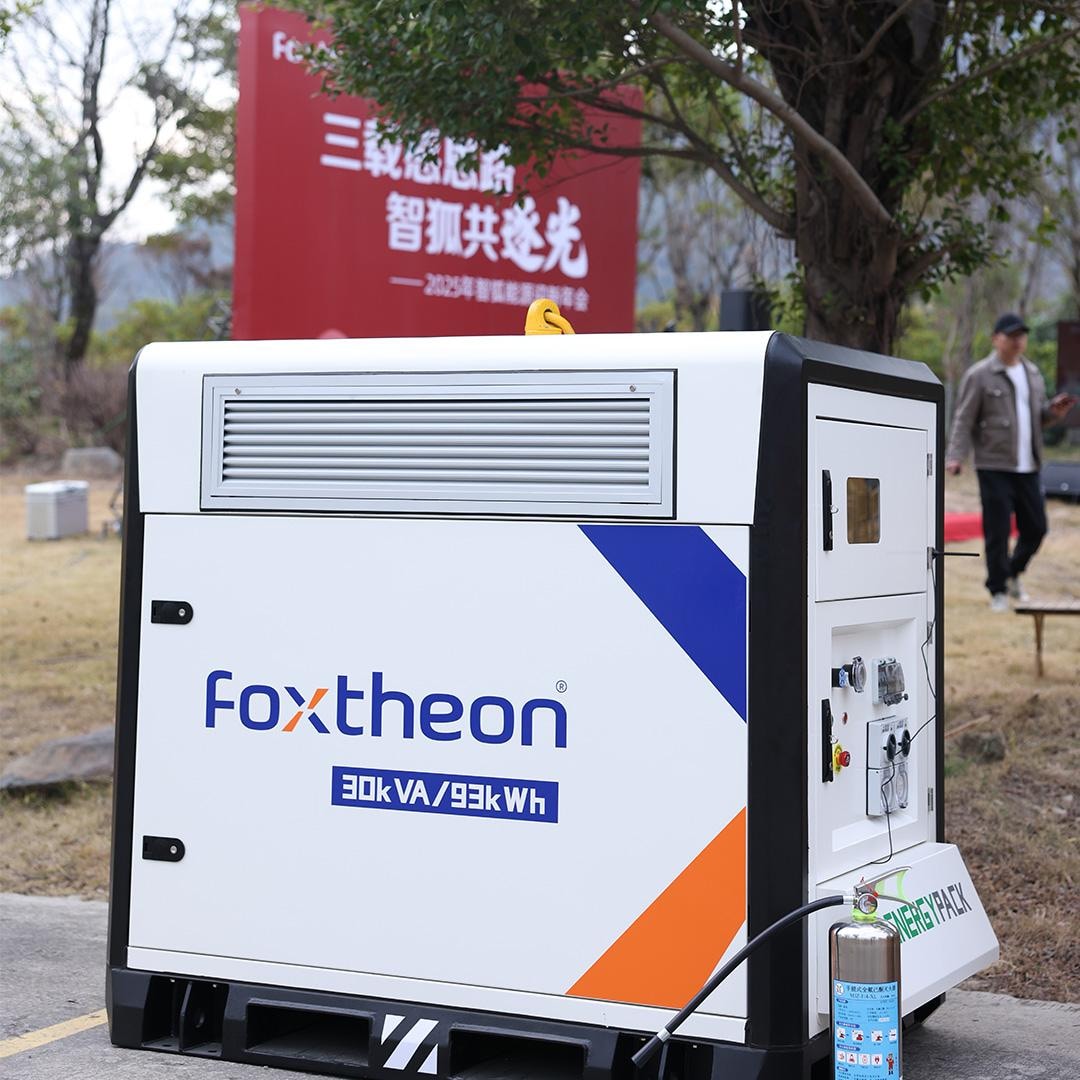
In the quest for more reliable, efficient, and sustainable power, a powerful synergy is emerging. The integration of Battery Energy Storage Systems with traditional diesel generators is redefining backup and prime power solutions across industries. This combination directly addresses the high cost and environmental impact of running diesel gensets alone. BESS for diesel generator systems represents a forward-thinking approach to energy management, blending the proven reliability of diesel with the intelligence and flexibility of modern storage technology. Companies like Foxtheon are pioneering these integrated solutions, helping businesses transition to smarter, more resilient power infrastructure.
This article explores how pairing a BESS with a diesel generator creates a superior power system, its key benefits, practical applications, and what to consider during implementation.
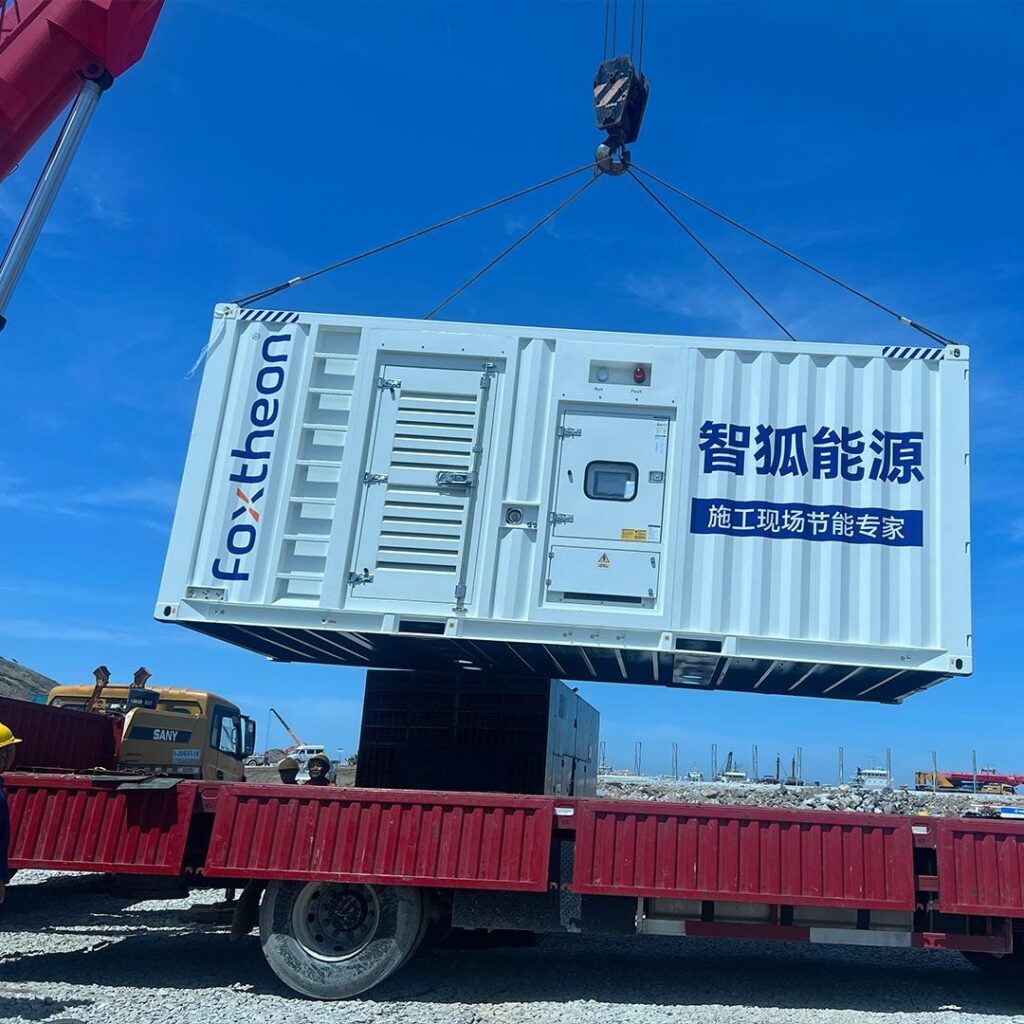
The Core Challenge with Standalone Diesel Generators
For decades, diesel generators have been the global standard for backup power and off-grid electricity. Their ability to provide large amounts of power on demand is unmatched. However, operating them comes with significant drawbacks.
Inefficiency and High Operational Costs
Diesel gensets are most fuel-efficient and experience less mechanical wear when running at 70-80% of their rated load. In reality, they often operate at low or fluctuating loads, especially during backup scenarios or in hybrid microgrids. This “light loading” leads to excessive fuel consumption, increased maintenance cycles, and higher overall cost per kilowatt-hour.
Environmental and Regulatory Pressures
Emissions from diesel generators, including NOx, SOx, and particulate matter, are facing stricter regulations worldwide. There is also growing corporate and social pressure to reduce carbon footprints. Relying solely on diesel power conflicts with sustainability goals and can incur carbon taxes or penalties.
Reliability Gaps and Power Quality Issues
Even a well-maintained generator takes several seconds to start, synchronize, and accept load after a grid failure. This creates a brief power interruption unsuitable for critical facilities like data centers or hospitals. Furthermore, gensets can cause voltage and frequency fluctuations during load changes.
How BESS for Diesel Generator Systems Works
A Battery Energy Storage System (BESS) integrated with a diesel generator creates a complementary hybrid system. The BESS typically consists of lithium-ion batteries, a bi-directional inverter, and a sophisticated controller that manages the energy flow between all components.
Primary Operating Modes
Load Levelling & Peak Shaving: The BESS supplies power during short-duration peak loads, preventing the generator from running inefficiently at low load. The generator operates steadily at its optimal efficiency point, charging the batteries when demand is low.
Instantaneous Backup: Upon grid failure, the BESS provides seamless, instant power (in milliseconds) to the critical load. This bridges the gap until the diesel generator starts and is ready to take over, ensuring zero interruption.
Generator Optimization: The system controller can use the BESS to allow the generator to run only at full, efficient loads. It can turn the generator off completely during low-demand periods, using stored battery energy instead—a concept known as “generator curtailment.”
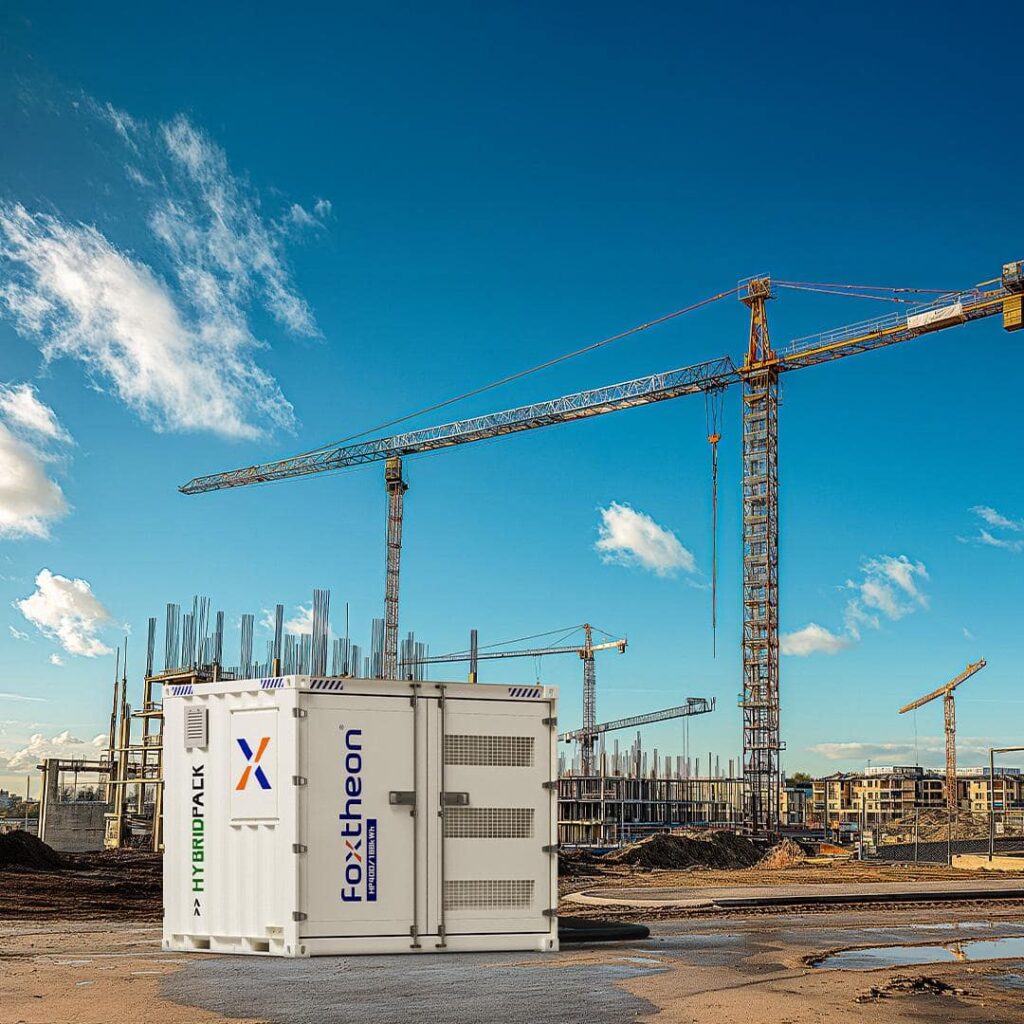
Key Benefits of Integrating BESS with Diesel Generators
Adopting a BESS for diesel generator strategy delivers transformative advantages across financial, operational, and environmental dimensions.
Dramatic Reduction in Fuel Consumption and Costs
By minimizing generator runtime and ensuring it operates only at optimal loads, fuel savings of 30% to 70% are achievable. This directly translates to lower operational expenditure (OPEX) and reduced logistical hassles associated with fuel delivery and storage.
Lower Maintenance Costs and Extended Generator Life
Reduced running hours mean fewer oil changes, filter replacements, and major overhauls. Less cyclic operation and operation at ideal loads also decrease engine wear, significantly extending the generator’s service life.
Enhanced Sustainability and Compliance
Slashing generator hours directly cuts greenhouse gas and particulate emissions. This helps organizations meet environmental regulations, achieve ESG (Environmental, Social, and Governance) targets, and improve their community standing. A BESS for diesel generator system is a concrete step toward decarbonization.
Unmatched Power Reliability and Quality
The BESS ensures no-break power transfer during outages, which is critical for sensitive equipment. It also provides superior power quality, stabilizing voltage and frequency by rapidly injecting or absorbing power to smooth out load fluctuations seen by the generator.
Practical Applications of BESS-Diesel Hybrid Systems
This hybrid solution is versatile and applicable anywhere reliable, high-quality power is needed.
Commercial and Industrial Facilities
Manufacturing plants, data centers, hospitals, and large office buildings use these systems for critical backup, peak shaving to reduce utility demand charges, and power conditioning. Foxtheon’s solutions are often tailored for these complex, high-demand environments.
Mining and Remote Off-Grid Sites
In locations with no grid connection, power has traditionally come from 24/7 diesel gensets. Integrating a BESS for diesel generator setup can drastically cut fuel consumption, lower the cost of energy, reduce the environmental impact in sensitive areas, and minimize noisy generator operation.
Microgrids and Renewable Integration
Hybrid microgrids combine solar PV, wind, diesel gensets, and a BESS. The BESS stores excess renewable energy. When renewables are insufficient, the stored energy is used first, with the diesel generator as the last resort. This maximizes clean energy use and minimizes diesel consumption. Foxtheon’s expertise in system control is vital here.
Ports and Maritime
Ports use large diesel generators for ship shore power and cargo handling. A BESS can provide peak power for cranes, allow generators to be sized smaller, and provide emissions-free silent power for vessels at berth.
Implementing a BESS for Diesel Generator System
Successful integration requires careful planning and expert execution.
Critical Design Considerations
System Sizing: Accurately analyzing the load profile is essential to right-size both the BESS capacity (kWh) and power (kW), as well as the optimal generator size.
Control Strategy: The brain of the system. The control logic must be expertly programmed to determine when to charge, discharge, or start/stop the generator based on load, battery state of charge, and cost algorithms.
Technology Selection: Choosing the right battery chemistry (e.g., LFP for safety and longevity), quality inverters, and robust thermal management systems is crucial.
The Role of Advanced System Integrators
This is not a simple plug-and-play project. It requires deep expertise in power engineering, control software, and system safety. Partnering with an experienced provider like Foxtheon ensures a seamless design, integration, and commissioning process, guaranteeing that the BESS for diesel generator system performs as intended and delivers the expected ROI.
The Future of Hybrid Power Systems
The trend towards hybridization is irreversible. As battery costs continue to decline and software intelligence grows, BESS for diesel generator solutions will become the standard, not the exception. They represent a pragmatic and powerful step on the journey to a more sustainable and resilient energy future, perfectly balancing reliability, economy, and environmental responsibility. Innovations from technology leaders like Foxtheon will continue to push the boundaries of what these smart hybrid systems can achieve.
Frequently Asked Questions (FAQs)
Q1: Can a BESS completely replace my diesel generator?
A1: In some cases, for shorter backup durations or smaller loads, a BESS alone (paired with the grid or solar) might suffice. However, for most critical industrial or commercial applications requiring long-duration backup (multiple hours or days), the diesel generator remains essential. The BESS for diesel generator strategy optimizes the generator, it doesn’t necessarily eliminate it, creating a more resilient and cost-effective overall system.
Q2: What is the typical return on investment (ROI) period for such a system?
A2: The ROI period varies based on local fuel costs, generator usage patterns, and electricity tariffs. Typically, projects with high fuel consumption and frequent generator operation see ROI in 3 to 7 years. The savings from reduced fuel and maintenance, along with potential demand charge reductions, contribute to a compelling financial case.
Q3: Does adding a BESS make the power system more complex and harder to maintain?
A3: While the system becomes more technologically advanced, a well-designed integration from a company like Foxtheon includes centralized monitoring and control. This often provides better visibility into system health than a standalone generator. Maintenance for the BESS is minimal (primarily monitoring and thermal management), and the reduced runtime of the generator simplifies its maintenance schedule.
Q4: How is the system controlled during a blackout?
A4: The advanced system controller is key. Upon detecting a grid outage, it instantly (within milliseconds) disconnects from the grid and commands the BESS to supply power. Simultaneously, it signals the diesel generator to start. Once the generator is up to speed and stable, the controller smoothly transfers the load from the BESS to the generator, which can then also recharge the batteries if needed.
Q5: Can this system integrate with existing solar PV installations?
A5: Absolutely. In fact, it creates a highly efficient tri-hybrid system: Solar PV + BESS + Diesel Generator. The solar energy is used to power loads and charge the BESS first, maximizing clean energy use. The BESS provides evening power or smooths solar variability. The diesel generator acts as the final backup, ensuring 100% reliability regardless of weather or time of day. This is a flagship solution for comprehensive energy management.