
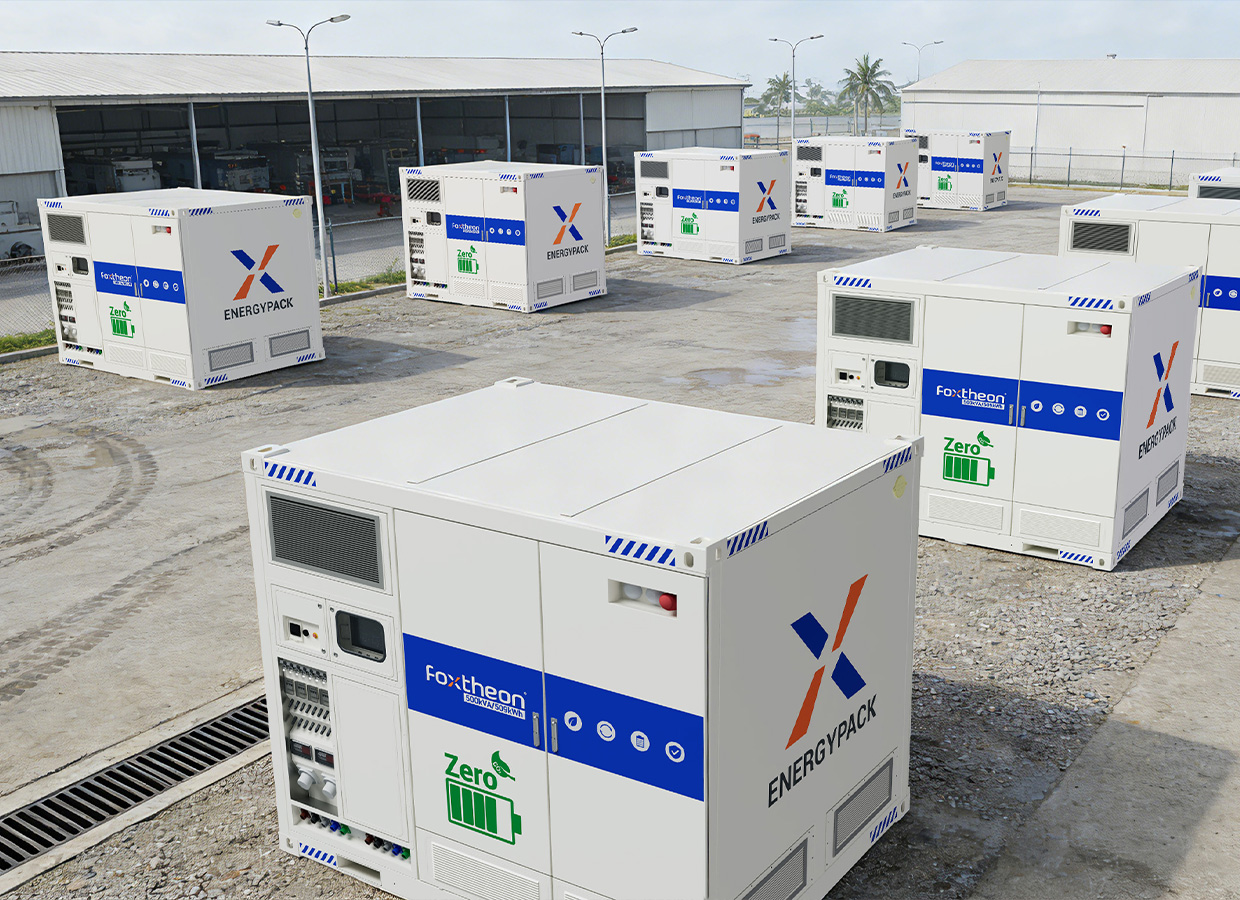
When planning a hybrid power system—integrating solar PV, battery storage, and backup generators—one of the first questions is financial: should you pay everything upfront or spread costs over time? This decision, known as capex vs opex hybrid power, influences your cash flow, risk exposure, and operational flexibility. Both models have merit, but the right fit depends on your company’s financial strategy, project scale, and appetite for ownership. Foxtheon, a provider of intelligent energy solutions, designs hybrid systems that accommodate both approaches, ensuring you maintain control without compromising on efficiency. In this article, we break down the nuances of each model and help you decide which path aligns with your energy goals.
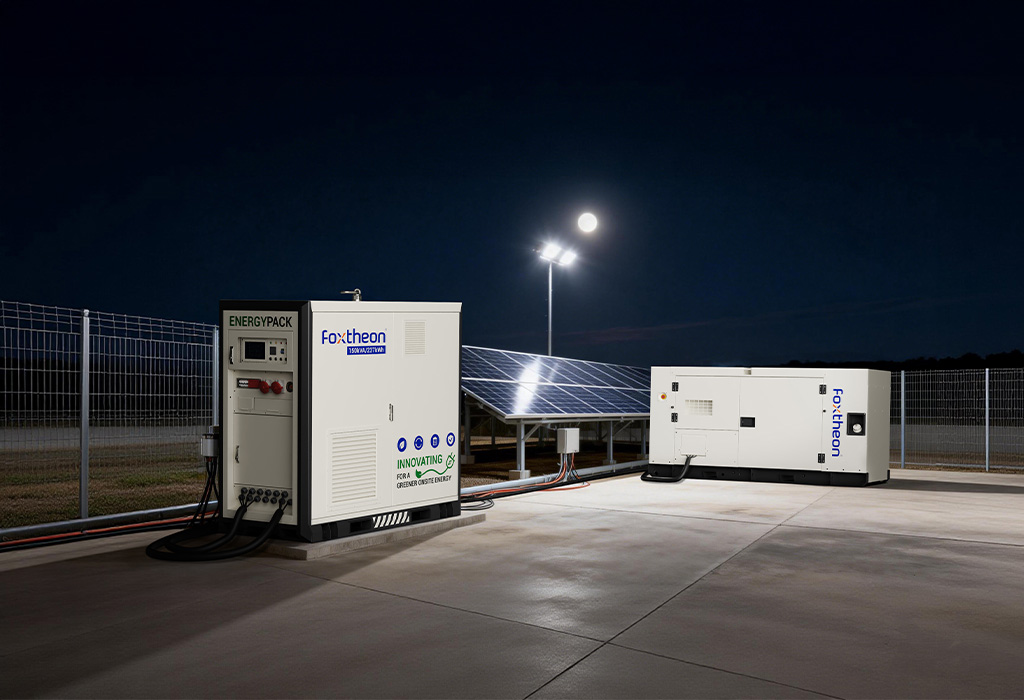
Capex vs Opex Hybrid Power: Defining the Two Financial Approaches
Capital Expenditure (Capex) – Ownership and Control
With a capex model, your company purchases all hybrid power equipment—solar panels, inverters, batteries, and controllers—outright. You own the assets from day one and are responsible for installation, maintenance, and eventual replacement. This approach appeals to organizations with strong balance sheets that want to capture the full lifecycle savings of renewable generation. By owning the system, you also benefit from incentives like tax credits or accelerated depreciation. However, the initial outlay can be substantial, and you assume the technical risk if performance degrades.
Operational Expenditure (Opex) – Pay-as-You-Go Flexibility
In an opex model, a third-party provider—such as an energy service company—finances, installs, and operates the hybrid power system. You pay a periodic fee for the energy produced or for the capacity available, similar to a subscription. This structure preserves your capital for core business activities and shifts maintenance and performance risks to the provider. Opex contracts often include guaranteed uptime and can be scaled up or down as your energy needs change. The trade-off is that you do not own the assets, so you miss out on long-term ownership benefits and some incentives.
Key Factors Influencing Your Choice of Hybrid Power Financing
Deciding between capex and opex for hybrid power is not merely a math exercise; it involves several strategic considerations:
Cash flow position: If your company has ample reserves and prefers to avoid ongoing payments, capex might be suitable. For organizations that prioritize liquidity, opex offers a lower initial hurdle.
Core business focus: Energy infrastructure may not be your expertise. An opex model lets you outsource system management so you can concentrate on your primary operations.
Technology obsolescence: Hybrid power components evolve quickly. With opex, the provider typically upgrades equipment at no extra cost, reducing the risk of being stuck with outdated technology.
Project duration: For temporary sites or pilot projects, opex provides flexibility without long-term asset commitments. Permanent installations may justify capex investment.
Incentive capture: Some regions offer grants or tax benefits for renewable energy ownership. If you can monetize these, capex becomes more attractive.
Each factor interacts with the others, making it essential to evaluate capex vs opex hybrid power holistically. Foxtheon’s team often assists clients in running these scenarios to identify the most cost-effective route.
Comparing Total Cost of Ownership: Capex vs Opex Hybrid Power
At first glance, opex appears more expensive over the long term because the provider includes a margin for financing and services. However, the total cost of ownership (TCO) depends on system lifespan, energy prices, and how well the equipment performs.
Capex TCO: You pay all costs upfront plus ongoing operation and maintenance (O&M). Over ten years, your expenses are predictable, and you avoid financing charges. But you must budget for inverter replacements and battery degradation.
Opex TCO: You pay a fixed rate per kilowatt-hour or a monthly fee, which covers O&M, monitoring, and often performance guarantees. While the cumulative payments may exceed the capex purchase price, you eliminate the risk of unexpected repair bills and benefit from professional management.
To illustrate, a remote mining operation might choose capex because they have the capital and want to secure energy independence. In contrast, a commercial retail chain with multiple sites may prefer opex to standardize energy costs across locations without managing each system individually. When examining capex vs opex hybrid power, it is crucial to model your specific load profile and local utility rates.
How Foxtheon’s Smart Hybrid Solutions Adapt to Your Financial Model
Foxtheon specializes in hybrid power systems that are inherently flexible—both technically and financially. Whether you lean toward capex or opex, Foxtheon configures the system to match your preferences.
For capex customers: Foxtheon provides engineering, procurement, and construction (EPC) services, ensuring a turnkey installation. The systems include advanced controllers that optimize solar, storage, and generator usage, maximizing your return on investment.
For opex customers: Foxtheon offers energy-as-a-service (EaaS) contracts, where they own and operate the equipment. You pay a transparent monthly fee based on energy delivered, with no surprises. This model has gained traction among businesses that want to go green without diverting funds from their core activities.
By bridging the gap between ownership and service, Foxtheon helps clients implement capex vs opex hybrid power strategies seamlessly. Their hybrid controllers also enable remote monitoring and predictive maintenance, which lowers costs regardless of the financial model chosen.
Real-World Scenarios: Which Model Fits Best?
Scenario 1: Large-Scale Industrial Facility
A cement plant with a steady load profile and access to low-interest financing opts for capex. They install a 5 MW solar-plus-storage system from Foxtheon, reducing grid dependence and locking in energy costs for two decades. The plant’s engineering team handles routine upkeep, supported by Foxtheon’s remote diagnostics.
Scenario 2: Multi-Site Retail Chain
A grocery chain wants to cut emissions but lacks in-house energy expertise. They sign an opex agreement with Foxtheon for rooftop solar and battery systems at 50 stores. The chain pays a fixed rate per kilowatt-hour, lower than the local utility, and Foxtheon guarantees system availability. The retailer avoids capital outlay and benefits from a simplified budgeting process.
Scenario 3: Temporary Construction Camp
A contractor building a remote infrastructure project needs power for three years. Buying equipment would leave them with surplus assets afterward. Instead, they choose an opex hybrid power solution from Foxtheon, paying only for the energy used. When the project ends, Foxtheon relocates the system.
These examples show that capex vs opex hybrid power decisions are highly contextual. Foxtheon’s consultative approach ensures that clients in any sector can adopt the model that best suits their operational reality.
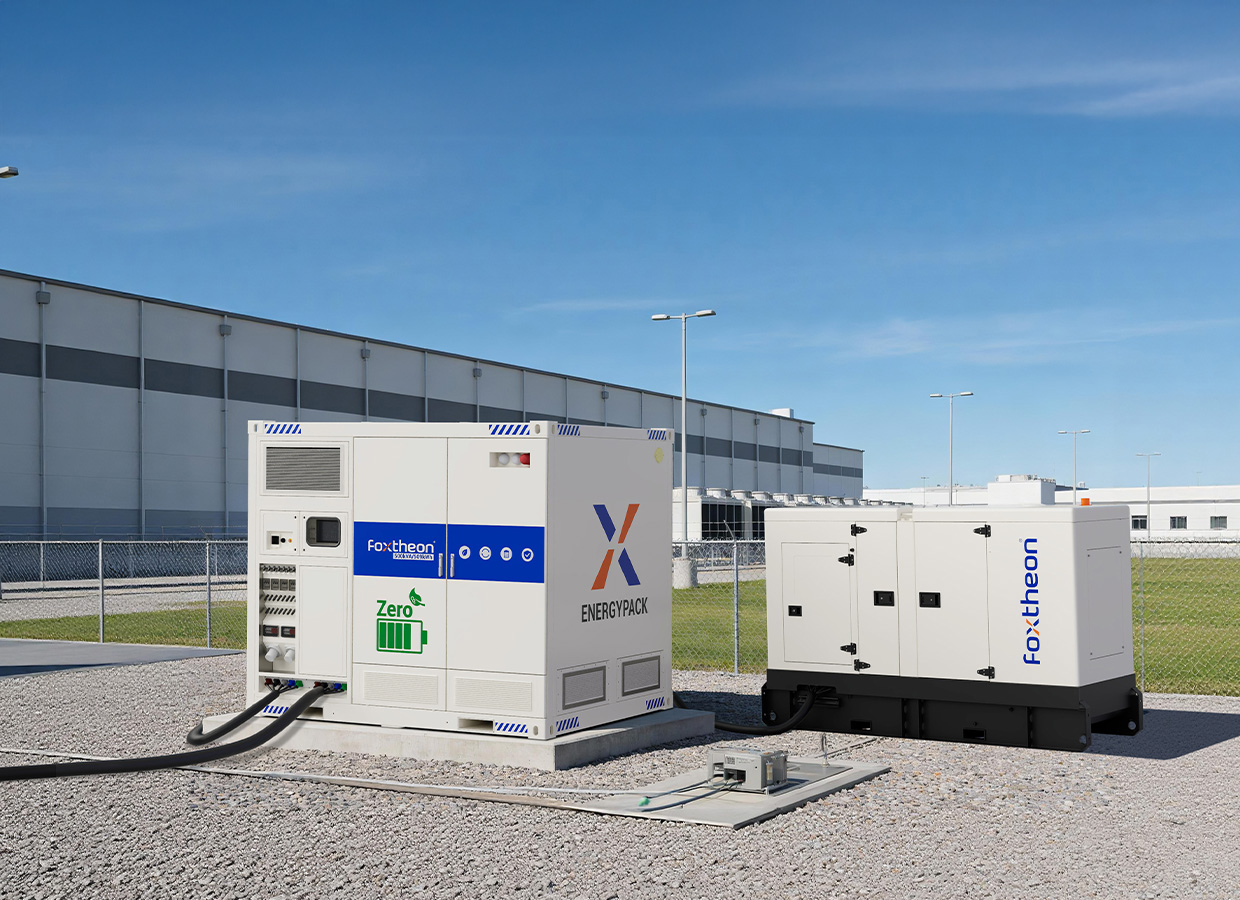
Making the Right Capex vs Opex Hybrid Power Decision
Choosing between capex and opex for hybrid power is not a one-size-fits-all proposition. It requires a clear-eyed assessment of your financial priorities, risk tolerance, and long-term energy strategy. Capex offers ownership and maximum savings over time, while opex provides flexibility and removes operational burdens. By partnering with Foxtheon, you gain access to hybrid power systems designed to perform optimally under either model. Their expertise in both technology and financing structures means you can confidently navigate the capex vs opex hybrid power landscape—without the jargon or guesswork. Whether you prefer to own or subscribe, Foxtheon delivers reliable, smart energy that aligns with your business objectives.
Capex vs Opex Hybrid Power Frequently Asked Questions
Q1: What is the difference between capex and opex in hybrid power?
A1: Capex (capital expenditure) means you purchase the hybrid power equipment outright and own it. Opex (operational expenditure) means you pay a provider for the energy or capacity, and they own and maintain the system. The choice affects upfront costs, long-term savings, and who assumes performance risk.
Q2: Which is cheaper over the long run: capex or opex for hybrid power?
A2: Generally, capex has a lower total cost of ownership if you can utilize the system for its full lifespan and handle maintenance. However, opex can be more cost-effective when you factor in avoided capital outlay, guaranteed performance, and technology upgrades. It depends on your specific situation.
Q3: How do I decide between capex and opex for my hybrid power project?
A3: Consider your available capital, core business focus, tolerance for technical risk, and project duration. Run a detailed financial model that includes incentives, O&M costs, and potential energy savings. Consulting with a provider like Foxtheon can help you weigh these variables.
Q4: Can Foxtheon provide a hybrid power system on an opex basis?
A4: Yes, Foxtheon offers energy-as-a-service (EaaS) contracts where they finance, install, and operate the system. You pay a predictable fee for the energy produced, making it an opex solution with no upfront investment.
Q5: What are typical contract lengths for opex hybrid power agreements?
A5: Opex contracts usually range from 5 to 20 years, depending on the project scale and equipment lifespan. Shorter terms are possible for temporary installations. Foxtheon structures agreements to match your expected project duration and energy needs.
Q6: Does Foxtheon offer both capex and opex options?
A6: Absolutely. Foxtheon designs hybrid power systems that can be purchased outright (capex) or subscribed to as a service (opex). Their flexible approach ensures you get the right financial and technical fit for your organization.