
The energy sector is currently undergoing a fundamental transition. We are moving from a hardware-centric world, defined by massive turbines and transmission lines, to a software-centric ecosystem defined by distributed assets and data streams. In this new landscape, the physical battery is only as good as its ability to communicate.
For energy developers, system integrators, and fleet operators, the ability to control assets programmatically is no longer a luxury—it is a requirement. This is where the concept of open API energy storage becomes central to modern grid architecture. It represents the difference between a standalone battery box and a fully integrated, intelligent energy node.
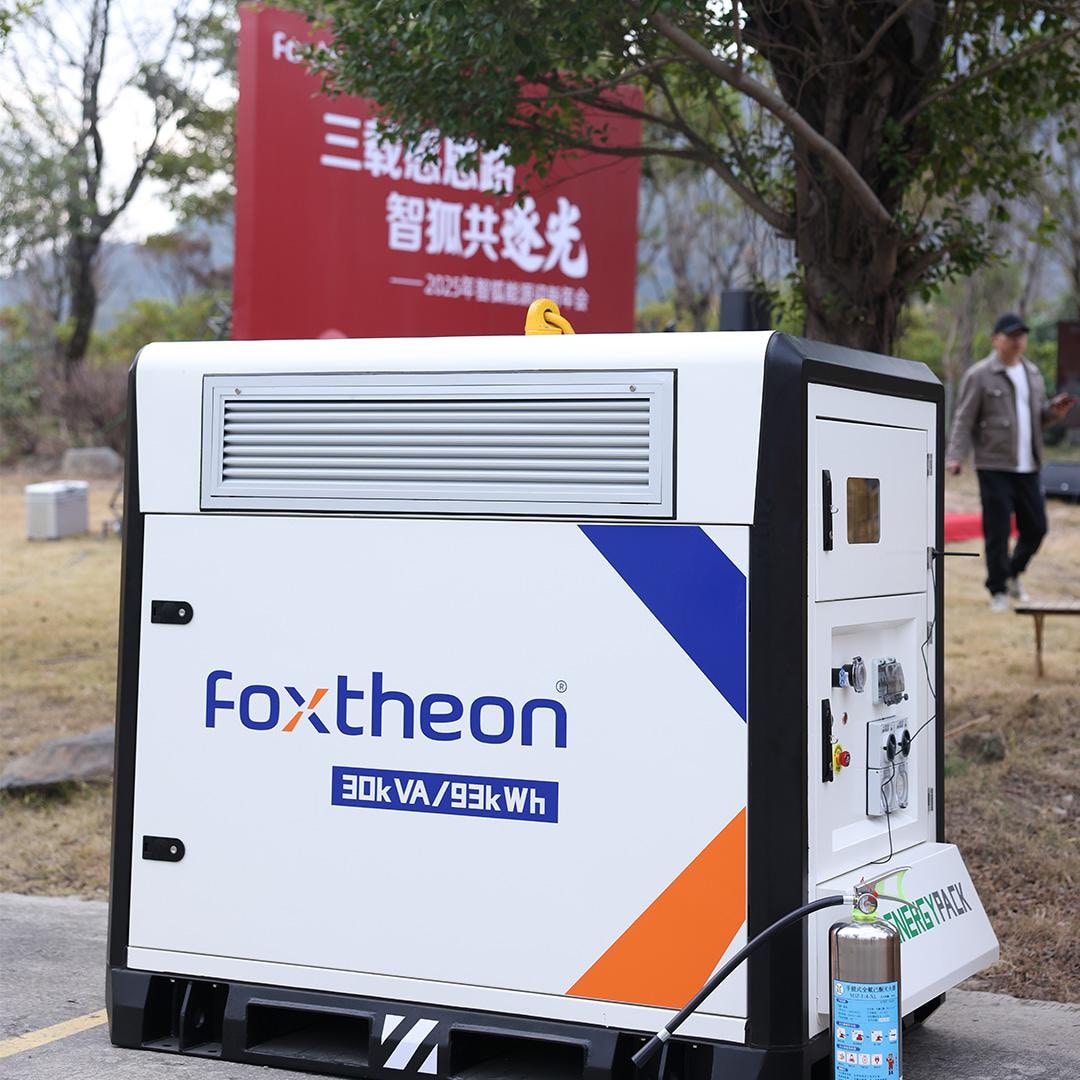
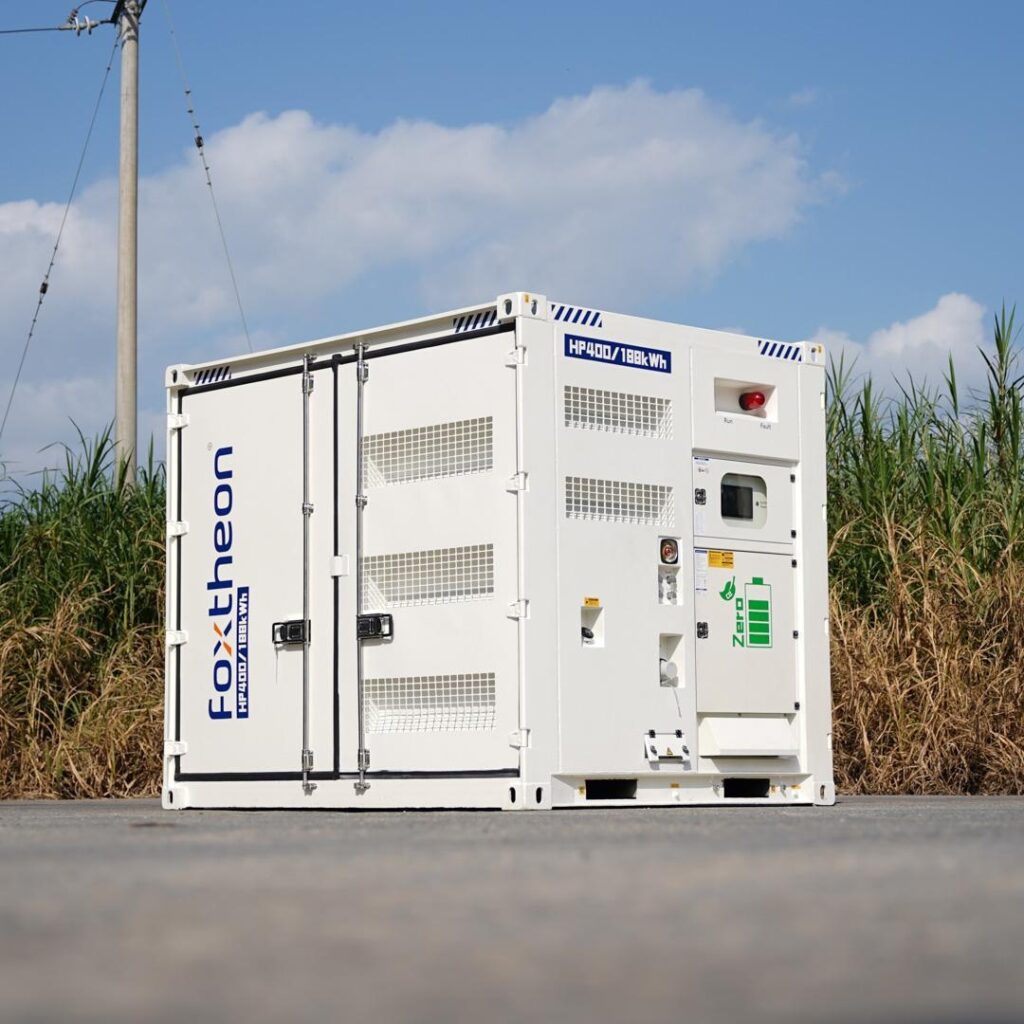
Companies like Foxtheon have recognized this shift early on. By prioritizing accessible connectivity, they enable users to integrate hardware seamlessly into complex energy environments. As we look at the trajectory of the market, it is clear that proprietary, closed-loop systems are becoming obsolete. The future belongs to open, interoperable standards.
The Shift Toward Open API Energy Storage in Smart Grids
Historically, energy storage systems (ESS) were “black boxes.” They came with pre-programmed logic for basic tasks like peak shaving or backup power. If you wanted to change parameters or extract data, you often had to use the manufacturer’s proprietary software or even connect physically to the device with a laptop.
Breaking Down Vendor Lock-In
This closed approach creates significant friction. It locks operators into a single vendor’s ecosystem, making it difficult to mix and match best-in-class hardware. Open API energy storage solves this problem. It provides a standardized bridge—usually a RESTful API or similar web interface—that allows third-party software to talk to the battery.
With an open interface, a facility manager can install a battery from one brand and a solar inverter from another, yet manage both through a single dashboard. This interoperability is crucial for scaling. It allows energy buyers to choose hardware based on performance and price, rather than being held hostage by software compatibility.
Moving Beyond Modbus
While industrial protocols like Modbus TCP/IP are still widely used for local control, they lack the flexibility and security required for modern cloud-based management. An API-based approach allows for secure, encrypted communication over the internet. It simplifies the architecture, removing the need for complex VPNs or specialized industrial gateways just to read a state-of-charge (SoC) value.
Technical Architecture and Integration
Implementing open API energy storage involves more than just exposing a few data points. It requires a thoughtful architecture that balances accessibility with security.
RESTful Design and JSON Payloads
The industry standard for these interfaces is Representational State Transfer (REST). In this model, the battery system (or its cloud twin) acts as a server. An external application can send HTTP requests (GET, POST, PUT) to interact with the system.
For example, a developer can send a GET request to a specific endpoint to retrieve real-time voltage data. The response typically comes back in JSON format, which is lightweight and easy for modern software languages to parse. This lowers the barrier to entry for software developers entering the energy space, as they don’t need to learn archaic industrial protocols.
Webhooks for Real-Time Alerts
A robust open API energy storage system doesn’t just wait to be asked for data; it pushes data when necessary. Webhooks are a critical feature. Instead of the central server asking the battery “Is there a fault?” every five seconds (polling), the battery sends a message immediately when a fault occurs. This event-driven architecture reduces bandwidth usage and ensures that critical safety alerts are received instantly.
Operational Benefits for Fleet Managers
Managing a single battery is simple. Managing a fleet of five hundred distributed across a state is a logistical challenge. This is where the API approach proves its value.
Automated Commissioning and Updates
When deploying assets at scale, manual configuration is a recipe for error. With an open API, the commissioning process can be scripted. When a new unit comes online, it can automatically fetch its configuration settings from the central server.
Furthermore, firmware updates can be managed programmatically. Instead of rolling out a generic update to everyone, a fleet manager can use the API to query which units are currently idle and safe to update, minimizing operational downtime.
Granular Data Access for Analytics
Proprietary dashboards often summarize data, hiding the raw metrics. However, data scientists need the raw numbers to build accurate degradation models. Foxtheon and similar forward-thinking manufacturers understand that the data belongs to the asset owner. By providing granular access through the API, owners can feed cell-level voltage and temperature data into their own machine learning models to predict maintenance needs long before a failure occurs.
Virtual Power Plants (VPP) and Open API Energy Storage
The most exciting application of connected storage is the Virtual Power Plant (VPP). VPPs aggregate thousands of small, distributed energy resources to act like a single large power plant.
The Necessity of Low Latency
To participate in frequency regulation markets, a VPP must respond to grid signals in seconds. This requires a high-performance API. The latency—the time it takes for a command to travel from the VPP server to the battery—must be minimal.
Open API energy storage systems designed for VPPs often utilize WebSocket connections. Unlike standard HTTP requests which open and close a connection for every message, WebSockets keep a persistent channel open, allowing for millisecond-level bidirectional communication.
Revenue Stacking Strategies
Profitability in modern energy storage comes from “revenue stacking.” A battery might perform peak shaving for a building in the morning and sell energy to the grid in the afternoon.
An API is the mechanism that enables this agility. An algorithm analyzes real-time energy prices and building loads, then sends dispatch commands to the battery. Without an open API, this dynamic switching between operating modes is virtually impossible.
Security Considerations in Open Architectures
The word “open” in open API energy storage refers to documentation and accessibility, not a lack of security. In fact, API-based systems are often more secure than legacy industrial systems because they leverage modern web security standards.
Authentication and Authorization
Enterprise-grade APIs utilize OAuth 2.0 or API keys for authentication. This ensures that only authorized applications can send commands to the battery.
Role-Based Access Control (RBAC) is another critical layer. A third-party maintenance provider might be given “read-only” API access to view health data, while the owner retains “read-write” access to control charging. This granularity minimizes the risk of accidental misconfiguration or malicious attacks.
Encryption
Data in transit must be encrypted. Reputable providers use TLS (Transport Layer Security) for all API traffic. This prevents “man-in-the-middle” attacks where a hacker intercepts the command signal. As the grid becomes a target for cyber threats, these standard web security protocols provide a robust defense that older, localized protocols cannot match.
The Developer Ecosystem and Innovation
One of the most underrated aspects of open API energy storage is the innovation it spurs. When hardware manufacturers open their doors, they invite a global community of developers to build value on top of their products.
Reducing Integration Costs
Custom integration is one of the biggest hidden costs in energy projects. If a developer has to spend weeks decoding a proprietary serial protocol, the project budget suffers. Well-documented APIs significantly reduce this engineering time. Standardized endpoints mean that code written for one project can often be reused for another, streamlining the deployment of new sites.
Third-Party Applications
We are seeing the emergence of an “App Store” model for energy. Third-party companies are building specialized software for specific niches—such as EV charging optimization or agricultural microgrid management. These applications rely entirely on the existence of open APIs. By choosing hardware that supports these standards, asset owners ensure they can utilize the best software tools available on the market, rather than being stuck with the basic tools provided by the hardware vendor.
Future-Proofing Energy Assets
Energy storage assets are long-term investments, typically expected to last 10 to 15 years. The software landscape, however, changes every few years.
Adapting to Regulatory Changes
Energy markets are volatile. Regulations regarding grid feed-in tariffs, demand response requirements, and carbon reporting are constantly evolving. Hard-coded logic in a battery controller can quickly become outdated.
An open API energy storage system allows the logic to reside in the cloud. When regulations change, the cloud software is updated, and the battery simply receives new instructions via the API. This decoupling of hardware and logic ensures that the physical asset remains compliant and profitable throughout its lifespan.
Scalability for Tomorrow
What starts as a single battery installation may grow into a microgrid with solar, wind, and EV chargers. The management system you use today might not be the one you need five years from now.
Open APIs provide an exit strategy. If your current energy management software (EMS) provider goes out of business or raises prices, you can switch to a new provider without replacing your batteries. You simply point the new software to the existing API endpoints. This flexibility is a key component of risk management for large-scale energy investors.
The energy transition is as much about data as it is about electrons. As distributed energy resources become the backbone of our power grid, the ability to connect, control, and optimize these assets via software is paramount.
Choosing open API energy storage is a strategic decision. It favors flexibility over rigidity, innovation over stagnation, and interoperability over isolation. It empowers fleet managers to automate operations, participate in lucrative VPP markets, and future-proof their investments against a rapidly changing regulatory landscape.
Hardware manufacturers that embrace this philosophy, such as Foxtheon, are positioning their partners for long-term success. By treating the battery not just as a box of chemicals, but as a sophisticated digital asset, they are helping to build a grid that is smarter, more resilient, and efficient enough to power the future.
Frequently Asked Questions (FAQ)
Q1: Is “Open API” the same as “Open Source”?
A1: No, they are different concepts. “Open Source” typically means the underlying source code of the software is available for anyone to modify. “Open API” means the interface (the way you talk to the software) is public, well-documented, and accessible for developers to use, even if the underlying code of the battery management system remains proprietary. It enables connection without revealing trade secrets.
Q2: Does using an open API void the warranty of the energy storage system?
A2: Generally, no, provided you stay within the operational limits defined by the manufacturer. Most systems have internal safety layers (BMS) that will reject API commands that are dangerous (like overcharging). However, it is crucial to review the specific warranty terms of your hardware provider. Manufacturers often encourage API use for monitoring but may have specific guidelines for control commands to ensure battery health.
Q3: Can I use an open API to integrate a battery with my existing building management system (BMS)?
A3: Yes, this is a primary use case. Modern Building Management Systems often support RESTful API integration or have middleware drivers that can bridge the gap. This allows your building’s HVAC and lighting systems to coordinate with the battery—for example, reducing AC load while the battery is discharging—without needing complex custom wiring.
Q4: What happens if the internet connection goes down? Can I still control the battery?
A4: Reliance on cloud-based APIs does introduce dependency on internet connectivity. However, robust systems are designed with “local fallback” modes. If the API connection is lost, the battery’s local controller typically reverts to a pre-set schedule or autonomous mode (like self-consumption) to ensure continued operation. Some systems also offer a local API over the Local Area Network (LAN) for on-site control during internet outages.
Q5: Is open API energy storage more expensive than standard systems?
A5: The hardware cost is usually the same. The difference lies in the value. While a system with a robust, documented API might have a slightly higher upfront engineering cost for the manufacturer to develop, it often saves the user significant money in the long run. It reduces integration costs, eliminates the need for expensive proprietary gateways, and unlocks revenue streams (like VPP participation) that cheaper, non-connected systems cannot access.