
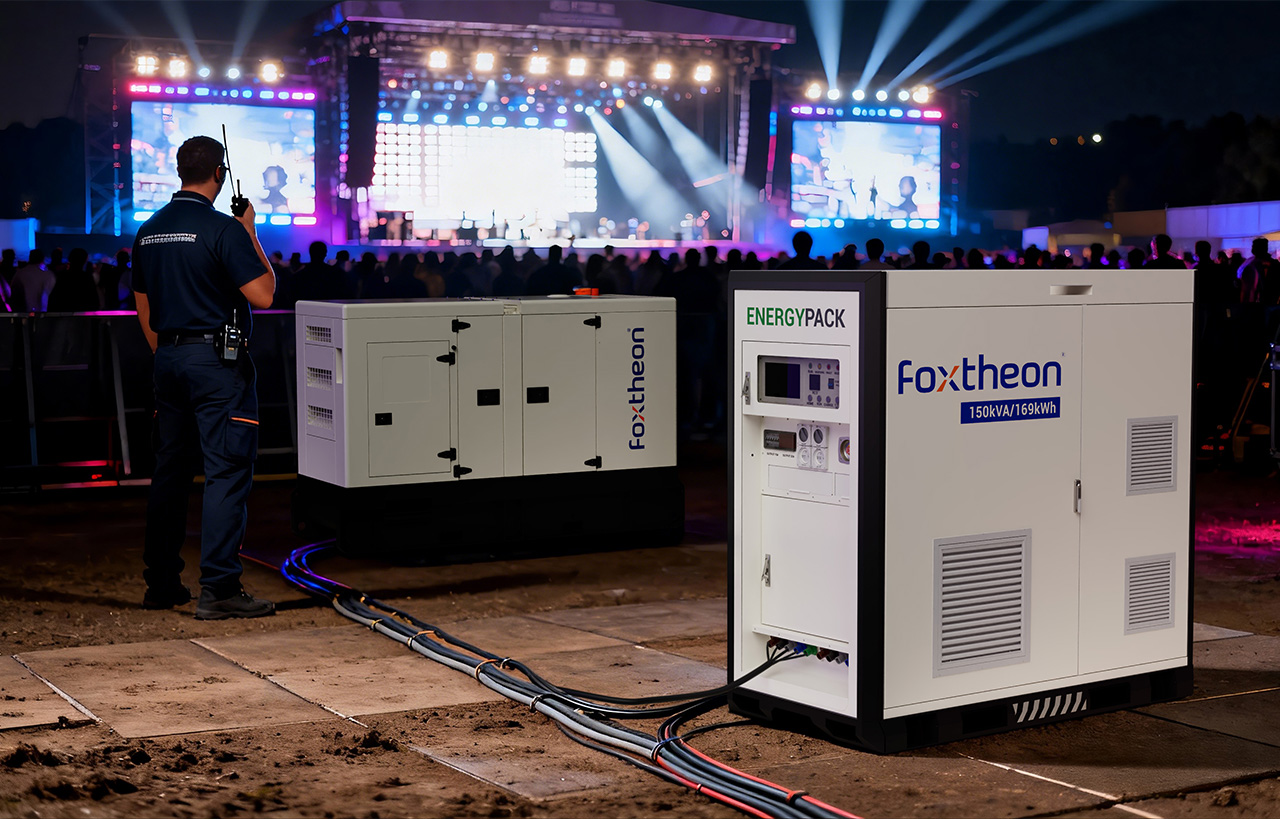
For decades, the diesel generator has been the workhorse of off-grid power. Construction sites, remote mines, and outdoor events rely on them entirely. However, fleet managers know the painful reality that comes with this reliance: maintenance.
Oil changes, filter replacements, and mechanical overhauls are expensive. They consume labor hours and require downtime. If a generator goes down, the project stops. This is where the industry is shifting. The integration of battery storage is no longer just about being “green.” It is a financial strategy.
The concept of generator maintenance reduction BESS (Battery Energy Storage System) is changing how we calculate the total cost of ownership. By pairing a generator with a battery, we change how the engine operates. We move from running engines 24/7 to running them only when necessary.
Companies like Foxtheon have been at the forefront of this shift, engineering systems that withstand rugged environments while delivering the intelligence needed to optimize engine health.
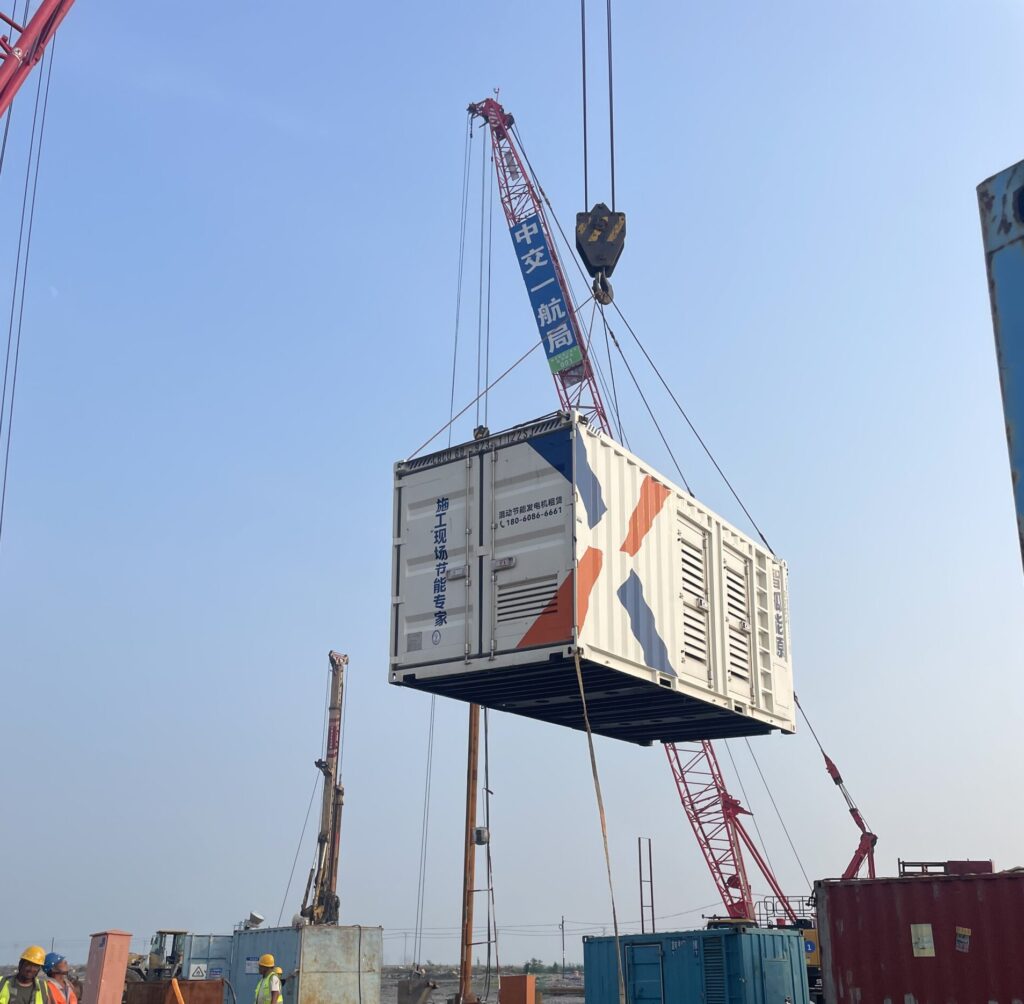
The Problem: Why Generators Fail Early
To understand the solution, we have to look at the problem. Diesel engines are designed to run hard. They are happiest when running at 70% to 80% of their rated load.
Unfortunately, real-world power demands are rarely consistent. On a construction site, power usage spikes when a crane lifts a load, but then drops to almost nothing during lunch breaks or at night when only security lights are on.
When a large generator powers a small load, it suffers. This is known as “wet stacking” or cylinder glazing. Unburned fuel accumulates in the exhaust system. This leads to carbon buildup, reduced performance, and eventually, engine failure.
Operators often try to fix this by performing maintenance more frequently. They change the oil every 250 hours regardless of the load. This is a reactive approach. It burns cash and wastes resources.
Strategies for Generator Maintenance Reduction BESS
The solution lies in hybridization. When you introduce a BESS into the circuit, the generator no longer needs to follow the load directly.
Instead, the generator charges the battery. The battery then powers the load. This decoupling allows the generator to run at its optimal capacity—typically 80%—to charge the battery quickly. Once the battery is full, the generator shuts off completely.
This is the core mechanic of generator maintenance reduction BESS.
Reducing Runtime Hours
The most direct way batteries save money is by stopping the clock. Most generator maintenance schedules are based on runtime hours. A typical service interval is every 250 or 500 hours.
If you run a generator 24 hours a day, you need a mechanic on-site every 10 to 20 days.
By using a hybrid system, the generator might only need to run for 4 hours to charge the batteries for a 20-hour silent run period. This reduces runtime by over 80%.
Suddenly, your 250-hour service interval stretches from 10 days to nearly two months. The logistics savings alone are massive, especially for remote sites where sending a mechanic involves travel time and vehicle costs.
Eliminating Low-Load Glazing
As mentioned, running a generator at low load kills the engine. A BESS acts as a buffer.
When the site demand is low—like charging power tools or running LED lights—the BESS handles it silently. The generator does not wake up for these small tasks.
When the generator does turn on, it is programmed to run at high load to recharge the storage unit. This burns fuel cleanly and keeps the engine cylinders hot and free of carbon buildup. This extends the actual lifespan of the engine block, delaying the need for major overhauls (Top End or Major rebuilds).
Economic Impact of Extended Service Intervals
The financial argument for generator maintenance reduction BESS goes beyond just saving on oil filters.
Labor and Logistics
In many international markets, skilled labor is in short supply. Having a technician visit a site every two weeks is a drain on workforce allocation.
By extending intervals, a single technician can manage a larger fleet. For rental companies, this improves the ratio of assets to employees, directly boosting the bottom line.
Consumables and Waste Disposal
Every oil change produces hazardous waste. Used oil and filters must be disposed of according to environmental regulations.
Reducing the frequency of changes reduces the volume of waste generated. This lowers disposal fees and helps companies meet their ESG (Environmental, Social, and Governance) targets.
Leading innovators like Foxtheon design their units to integrate seamlessly with various generator brands, ensuring that the switch to hybrid doesn’t require a complete fleet replacement. It allows for retrofitting existing assets to gain these benefits.
Operational Considerations for Hybrid Systems
Implementing a generator maintenance reduction BESS strategy requires more than just plugging a battery in. It requires sizing and intelligent control.
Sizing the Battery Correctly
If the battery is too small, the generator will cycle on and off too frequently. This “short cycling” can wear out the starter motor.
If the battery is too large, the capital expenditure (CapEx) might be too high for the project budget.
The sweet spot involves analyzing the load profile. You need a battery large enough to cover the “quiet periods” (like nights) without waking the generator.
The Role of the Controller
The brain of the operation is the hybrid controller. It decides when to start the generator and when to switch to battery power.
Advanced controllers monitor the generator’s health data. They can trigger a start sequence not just based on battery levels, but also based on optimal engine temperature management.
Cold Weather Performance
In freezing climates, engines struggle to start. A BESS can actually assist here.
The battery system can power block heaters to keep the generator engine warm without the engine running. This ensures that when the generator is needed, it starts immediately and reaches operating temperature quickly, further reducing wear and tear.
Environmental Benefits Beyond Maintenance
While our focus is on generator maintenance reduction BESS, the side effects are undeniably positive for the environment.
Fuel Savings
Engines running at optimal load are more fuel-efficient. Engines that are turned off use zero fuel. Case studies often show fuel savings of 40% to 60% in variable load applications.
Noise Pollution
Maintenance reduction is an internal benefit. Noise reduction is a client-facing benefit.
Urban construction sites often face strict noise curfews. A generator cannot run at night. Without a BESS, the site loses power for security cameras and pumps.
With a BESS, the generator runs during the noisy day shifts to charge up, and the site runs on silent battery power all night. This compliance prevents fines and keeps the project on schedule.
Carbon Footprint
Less fuel burned means less CO2 emitted. This is becoming a requirement for government contracts. Being able to bid on “green” tenders gives rental companies a competitive edge.
Future Trends in Hybrid Power
The technology is maturing rapidly. We are moving toward predictive maintenance.
Instead of a fixed schedule, the BESS and generator will communicate via IoT (Internet of Things). The system will alert the fleet manager that the oil quality is degrading or that a filter is clogged, based on real-time sensor data.
This moves the industry from “preventative” maintenance (doing it just in case) to “condition-based” maintenance (doing it only when needed).
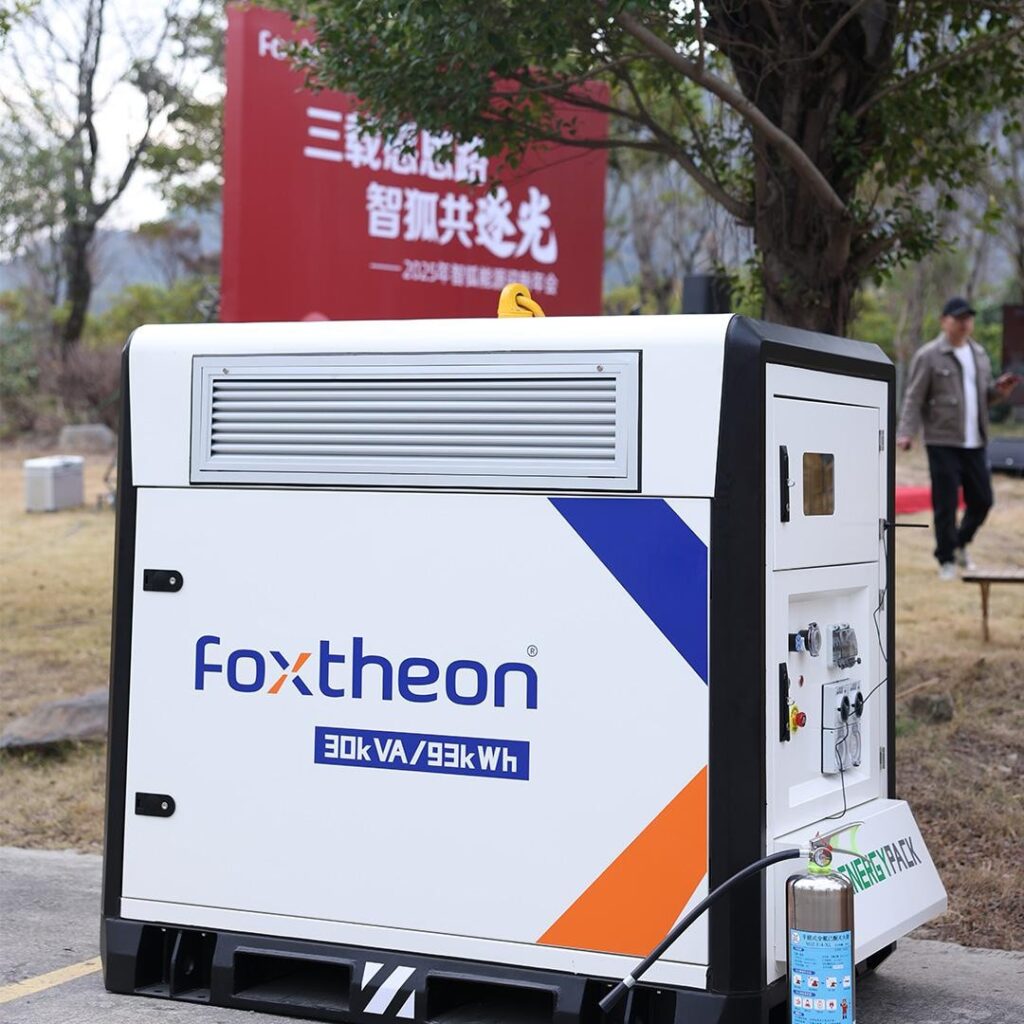
Manufacturers are also looking at standardized interfaces. Foxtheon continues to push for modular designs that make it easier to scale storage capacity up or down depending on the specific job site needs, ensuring the generator is always perfectly matched to the system.
The days of running diesel generators 24/7 are numbered. It is inefficient, expensive, and damaging to the equipment.
Adopting a strategy centered on generator maintenance reduction BESS is the logical next step for the power rental and construction industries. It solves the issue of wet stacking, drastically cuts fuel consumption, and frees up valuable labor resources.
The math is simple: fewer runtime hours equal fewer service visits and longer engine life.
By partnering with experienced technology providers like Foxtheon, businesses can navigate this transition smoothly. They can turn a liability—the high cost of diesel maintenance—into a competitive asset. The future of mobile power is hybrid, and the savings are waiting to be claimed.
Frequently Asked Questions (FAQ)
Q1: How much can a BESS typically reduce generator runtime?
A1: In applications with variable loads, such as construction sites or events, a BESS can reduce generator runtime by 50% to 80%. This effectively doubles or triples the time between required maintenance intervals.
Q2: What is “wet stacking” and how does a BESS prevent it?
A2: Wet stacking occurs when a diesel engine runs at a low load (under 30%), causing unburned fuel to accumulate in the exhaust. A BESS prevents this by handling low loads via the battery and only running the generator at high, optimal loads to recharge, ensuring complete fuel combustion.
Q3: Does the “generator maintenance reduction BESS” strategy work for all generator sizes?
A3: It is most effective for generators that are oversized for their average load, which is very common. While it works for all sizes, the Return on Investment (ROI) is fastest with generators ranging from 40kVA to 500kVA where fuel and maintenance costs are significant.
Q4: Will the frequent starting and stopping damage the generator?
A4: No, provided the system is sized correctly. Modern hybrid controllers are designed to minimize “short cycling.” They ensure the generator runs for a minimum duration to reach operating temperature and charge the batteries significantly before shutting down again.
Q5: How does the cost of the BESS compare to the savings in maintenance?
A5: While the upfront cost of a BESS is higher, the Total Cost of Ownership (TCO) is lower. When factoring in fuel savings (often 40%+), reduced labor for mechanics, fewer oil changes, and extended engine lifespan, the system typically pays for itself within 1 to 2 years depending on usage intensity.