
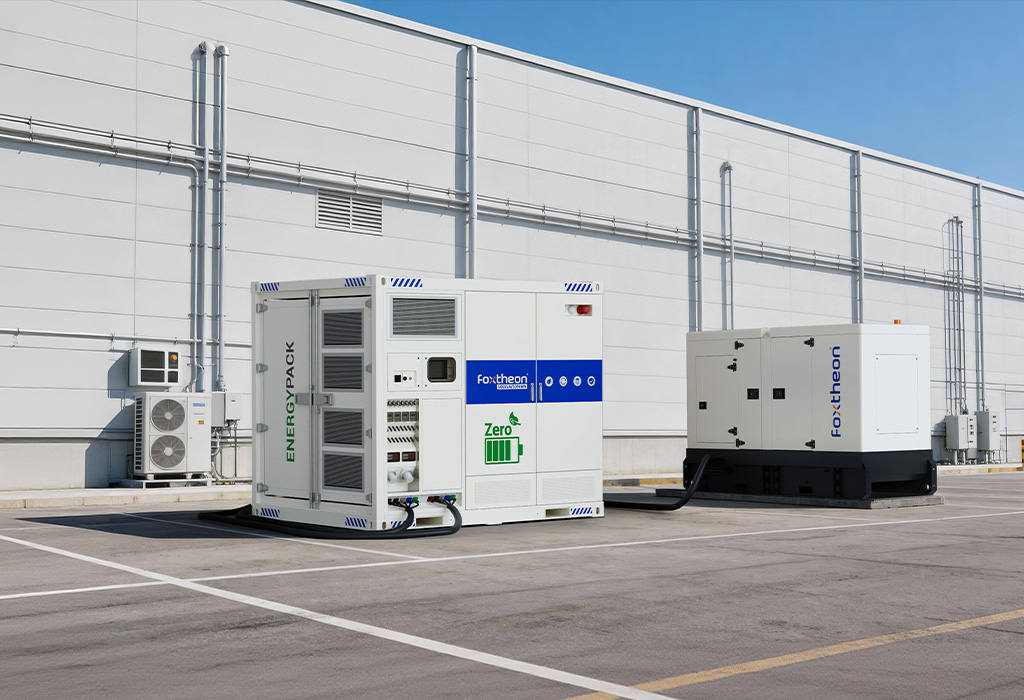
Industrial facilities face a constant battle against rising operational costs. Among the most significant energy consumers in any large-scale operation is the HVAC system. Whether it is a manufacturing plant, a data center, or a food processing warehouse, keeping equipment and environments cool is non-negotiable. However, the traditional methods of powering these units are often wasteful. This is why the search for efficient power for industrial air conditioning has become a top priority for facility managers worldwide.
The energy landscape is shifting. Reliance on aging grids or oversized diesel generators is no longer financially viable. Modern problems require smart energy solutions.
Companies like Foxtheon are at the forefront of this transition. They understand that to truly optimize cooling, you must optimize the power source itself. This article explores how hybrid systems and smart technology are redefining energy efficiency in the industrial cooling sector.
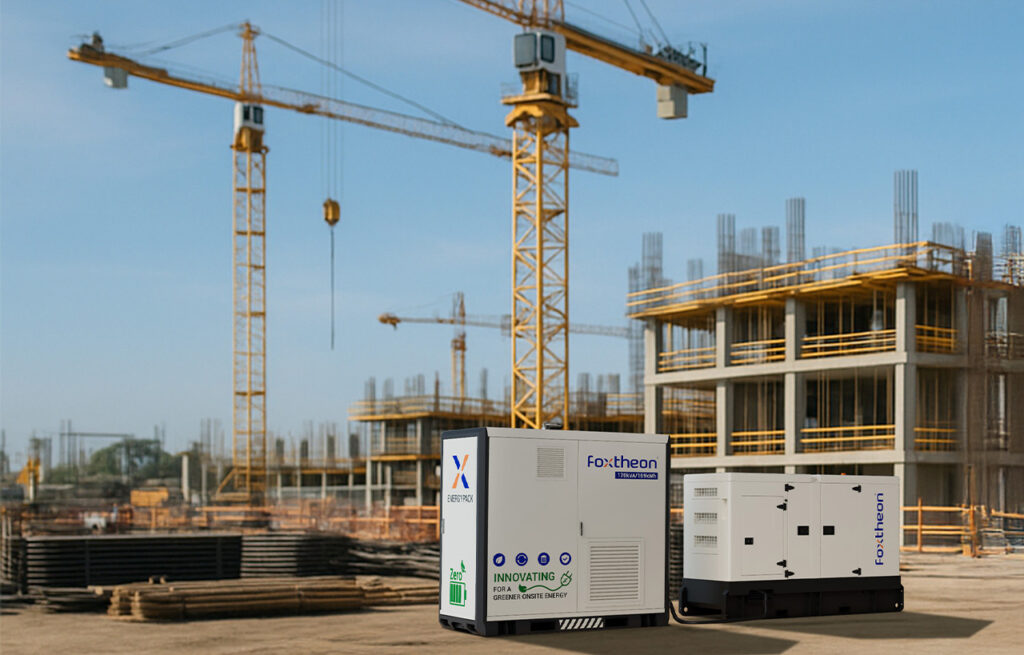
Understanding the Need for Efficient Power for Industrial Air Conditioning
Industrial air conditioners are not like residential units. They are massive, energy-hungry beasts. When a large chiller starts up, it creates a massive spike in power demand, known as inrush current.
Traditional power setups struggle to handle these spikes efficiently.
Grid reliance: leads to high “peak demand” charges from utility companies.
Generator reliance: requires oversizing the generator to handle the startup spike, meaning the engine runs inefficiently at low loads for the rest of the day.
Achieving efficient power for industrial air conditioning means smoothing out these peaks. It involves creating a power supply that adapts to the load rather than forcing the load to adapt to a rigid power supply.
If the power source is static while the cooling demand is dynamic, money is being wasted. The goal is flexibility.
How Hybrid Systems Deliver Efficient Power for Industrial Air Conditioning
The most effective way to secure efficient power for industrial air conditioning is through hybrid energy systems. These systems combine a traditional power source (like the grid or a generator) with a Battery Energy Storage System (BESS).
The battery acts as a buffer. It stores energy during low-demand periods and releases it when the air conditioners need a burst of power.
Peak Shaving Capabilities
Peak shaving is a financial game-changer. Industrial electricity bills are often determined by the single highest point of usage during the month.
By using stored battery power to assist during these high-usage moments, the draw from the grid remains low and flat. This directly reduces demand charges.
For off-grid sites, this means the diesel generator does not need to ramp up violently to meet sudden cooling loads. The battery handles the spike, maintaining efficient power for industrial air conditioning distribution.
Integrating Renewable Sources
Many industrial sites are now installing solar panels. However, solar production does not always match the cooling schedule.
Hybrid systems store excess solar energy generated during the day. This energy is then used to run cooling units in the late afternoon or evening. This integration creates a truly sustainable loop, reducing carbon footprints while ensuring reliability.
The Role of Battery Storage in Smart Solutions
Batteries are the heart of any modern smart energy solution. Without storage, you cannot manage the variable loads of industrial HVAC.
Efficient power for industrial air conditioning relies on the rapid response time of Lithium-ion batteries. Unlike a generator, which takes time to rev up, a battery delivers power in milliseconds.
Stability: It maintains voltage stability during compressor startups.
Longevity: It reduces mechanical stress on generators.
Silence: It allows for silent operation during low-load periods.
When you incorporate a robust BESS, you ensure that the cooling equipment receives clean, consistent power. This protects the sensitive electronics inside modern industrial chillers.
Financial Benefits of Efficient Power for Industrial Air Conditioning
Implementing a smart power solution is an investment, but the return on investment (ROI) is tangible. The financial arguments for switching to efficient power for industrial air conditioning are compelling for CFOs and site managers alike.
Reducing Operational Expenses (OPEX)
Fuel and electricity rates are volatile. By optimizing how power is consumed, you insulate your business from these fluctuations.
If you rely on diesel generators, a hybrid system can reduce fuel consumption by 40% to 60%. The generator runs at its optimal load to charge the battery and then shuts off. It does not idle wastefully.
Lower Maintenance Costs
Generators that run continuously require frequent servicing. Oil changes, filter replacements, and overhauls add up.
By utilizing efficient power for industrial air conditioning through a hybrid approach, generator runtime decreases significantly. A generator that used to run 24 hours a day might only run for 4 or 5 hours.
This extends the life of the asset and drastically cuts maintenance bills.
Foxtheon’s Approach to Energy Management
Hardware alone does not solve the problem. The intelligence behind the system matters just as much. This is where brands like Foxtheon distinguish themselves in the international market.
They utilize advanced Energy Management Systems (EMS). This software acts as the brain of the operation.
The EMS monitors the cooling load in real-time. It predicts when the air conditioning will demand more power and prepares the battery bank accordingly.
This automated decision-making ensures that efficient power for industrial air conditioning is always available without human intervention. It maximizes the use of the cheapest energy source available at any given moment.
Environmental Impact and Sustainability
Sustainability is no longer just a buzzword; it is a regulatory requirement in many regions. Industrial sectors are under pressure to lower emissions.
Cooling is a carbon-intensive process. By transitioning to efficient power for industrial air conditioning, companies can report significant reductions in CO2 emissions.
Less Fuel Burned: Directly translates to fewer exhaust emissions.
Grid Independence: Reduces reliance on coal-heavy utility power during peak times.
Noise Reduction: Electric-first operation creates a better work environment.
Smart energy solutions allow industries to meet their Environmental, Social, and Governance (ESG) goals without sacrificing productivity.
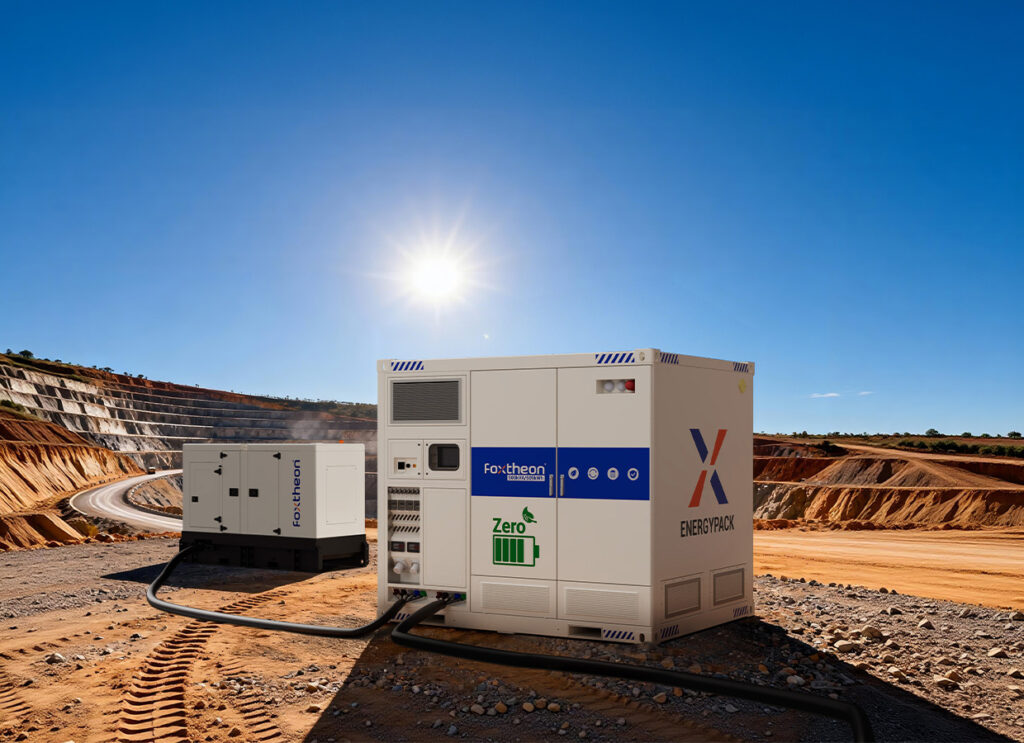
Key Considerations When Upgrading Your System
Moving toward efficient power for industrial air conditioning requires planning. It is not a “one size fits all” scenario.
Analyzing Your Load Profile
You must understand your data. How much power do your chillers draw at startup versus steady operation?
If you do not have this data, perform an energy audit. This will dictate the size of the battery and inverter needed.
Scalability
Industrial needs change. A factory might add a new production line requiring more cooling next year.
Choose a modular system. You should be able to add more battery capacity or solar inputs easily. Scalable solutions ensure that your setup remains capable of providing efficient power for industrial air conditioning even as your facility grows.
Compatibility
Ensure the power solution communicates well with your existing HVAC equipment. Modern chillers often have smart controls that can integrate with the power system’s EMS for even greater efficiency.
The Future of Industrial Cooling Energy
The technology is evolving rapidly. We are moving toward microgrids where industrial sites generate, store, and consume their own power.
Artificial Intelligence (AI) will play a larger role. AI will learn weather patterns and production schedules to pre-cool facilities before energy rates spike.
Hydrogen fuel cells are also on the horizon. Combining hydrogen with batteries could create a zero-emission solution for efficient power for industrial air conditioning.
Facilities that adopt these technologies early will have a competitive advantage. They will have lower overheads and higher reliability than competitors sticking to outdated methods.
The demand for industrial cooling will only increase as global temperatures rise and manufacturing expands. Continuing to power these systems with inefficient, dirty methods is a liability.
Efficient power for industrial air conditioning is the path forward. It combines the reliability of traditional engineering with the intelligence of modern software and battery storage. It saves money, protects equipment, and preserves the environment.
By partnering with innovative leaders like Foxtheon, businesses can navigate this complex transition smoothly. The tools to optimize energy are available today. It is time to implement them and secure a sustainable, profitable future for your industrial operations.
Frequently Asked Questions (FAQ)
Q1: What defines “efficient power for industrial air conditioning” in a modern context?
A1: It refers to using smart energy solutions, such as hybrid power systems combining generators and batteries, to supply electricity to cooling units. The goal is to minimize waste, handle high startup currents effectively, and reduce overall fuel or grid electricity consumption.
Q2: How does a hybrid power system help with the high startup current of AC units?
A2: Industrial AC units require a massive surge of power to start their compressors. A hybrid system uses the energy stored in batteries to provide this instant surge. This prevents voltage drops and removes the need to run an oversized generator just for startup moments.
Q3: Can efficient power solutions work with my existing old cooling equipment?
A3: Yes, in most cases. The power solution is external to the AC unit. As long as the voltage and frequency match, a modern hybrid power supply can deliver efficient power for industrial air conditioning to older equipment, often helping it run smoother and last longer.
Q4: What is the typical payback period for investing in a smart energy solution?
A4: The payback period varies based on fuel costs and usage intensity. However, for heavy users running cooling 24/7, the fuel and maintenance savings often result in a return on investment within 12 to 24 months.
Q5: How does Foxtheon contribute to this efficiency?
A5: Foxtheon provides integrated smart energy solutions that combine robust battery storage with intelligent management software. Their systems automate the power flow, ensuring that efficient power for industrial air conditioning is delivered seamlessly while maximizing fuel savings and reliability.