
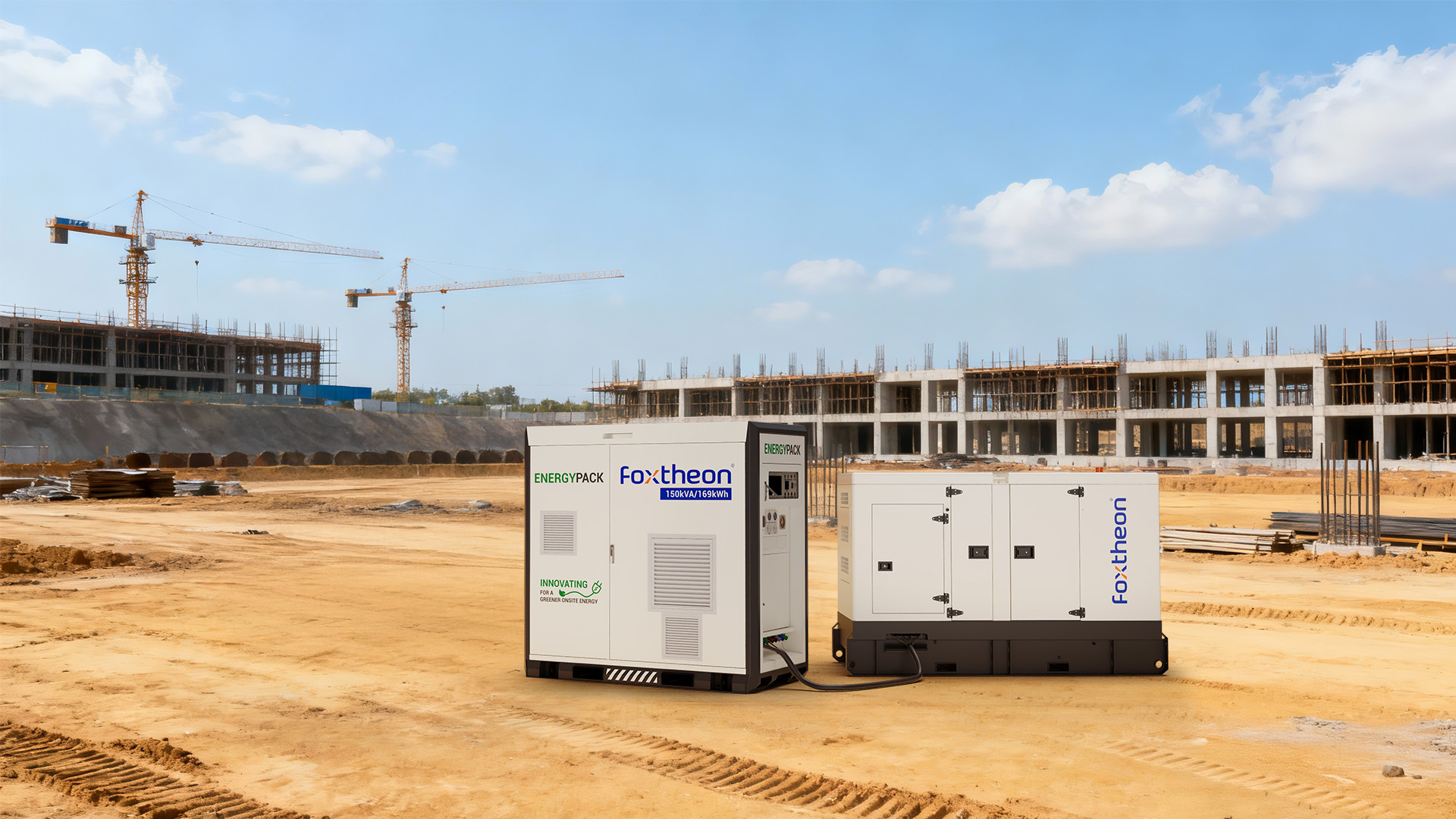
Managing climate control on a job site or at an outdoor event is a logistical challenge. The equipment is heavy, the energy demands are high, and the margin for error is slim. Whether you are cooling a massive tent for a wedding or keeping construction workers safe during a heatwave, reliable electricity is non-negotiable.
This brings us to the core challenge: powering temporary HVAC solutions efficiently. In the past, this meant running oversized diesel generators 24/7. This approach burns excessive fuel and creates unwanted noise.
Today, the industry is shifting toward intelligent energy storage. Companies like Foxtheon are leading this transition by offering hybrid power systems. These modern units manage heavy loads without the waste associated with traditional generators. This article explores how you can optimize your power setup for temporary climate control.

The Critical Role of Powering Temporary HVAC Solutions
Climate control is rarely just a luxury. In many sectors, it is a functional necessity. When you deploy temporary heating or cooling, the power source becomes the heartbeat of the operation. If the power fails, the environment becomes unsafe or unusable within minutes.
Consider industrial applications. Manufacturing plants often need supplemental cooling during summer months to prevent machinery from overheating.
Key reasons reliable power is essential include:
Worker Safety: Preventing heat stroke or hypothermia on construction sites.
Equipment Protection: Keeping servers and sensitive electronics within safe temperature ranges.
Process Continuity: Ensuring curing concrete or drying paint sets correctly in controlled humidity.
Event Comfort: maintaining a pleasant atmosphere for guests, regardless of outside weather.
In these scenarios, powering temporary HVAC solutions requires more than just plugging in a cord. It requires a calculated approach to load management. The power supply must handle the massive “inrush current” required to start AC compressors without tripping the system.
Challenges in Powering Temporary HVAC Solutions
While the need is clear, the execution is often difficult. Traditional methods of supplying electricity to temporary HVAC units come with significant downsides. Most rental fleets rely heavily on diesel generators.
While reliable, these generators are often sized for the peak load—the moment the AC turns on. However, HVAC units cycle on and off. When the compressor is off, the generator runs at a low load, which causes “wet stacking” and damages the engine.
Common obstacles include:
High Fuel Costs: Continuous engine operation drains budgets rapidly.
Noise Pollution: Loud generators disrupt events and violate city noise ordinances.
Carbon Emissions: strict environmental regulations make diesel less attractive.
Maintenance Intensity: Mechanical engines require frequent oil changes and filter replacements.
Finding a balance between reliability and efficiency is the main goal when powering temporary HVAC solutions. You need a system that reacts to the load rather than running at full capacity unnecessarily.
Modern Technologies for Powering Temporary HVAC Solutions
The energy landscape is changing. The integration of Battery Energy Storage Systems (BESS) has revolutionized how we approach temporary power. Instead of relying solely on a generator, you can now use a hybrid setup.
In a hybrid system, the battery handles the base load and small spikes. The generator only turns on to recharge the battery or assist during peak demand. This is where Foxtheon excels. Their intelligent energy storage solutions are designed to work seamlessly with HVAC loads.
Here is how modern technology improves the process:
Peak Shaving: Batteries provide the extra surge needed to start HVAC motors, allowing you to use a smaller, more efficient generator.
Silent Operation: During low-load periods (like night modes), the generator shuts off, and the HVAC runs purely on battery power.
Smart Monitoring: Remote systems allow you to track fuel usage and battery health in real-time.
Renewable Integration: Solar panels can be connected to the battery unit to further reduce fuel consumption.
By adopting these technologies, powering temporary HVAC solutions becomes a cleaner and quieter process. It moves the industry away from brute force and toward intelligent management.
Key Benefits of Smart Powering Temporary HVAC Solutions
Switching to a hybrid or battery-heavy approach offers tangible returns. The initial setup might require more planning, but the operational savings are undeniable.
1. Drastic Fuel Reduction
A standard generator runs at 1800 RPM regardless of the load. A hybrid system shuts the engine off when it isn’t needed. Field data suggests fuel savings of up to 60% in specific applications.
2. Extended Equipment Life
Generators in hybrid systems run fewer hours. This translates to less wear and tear. You spend less on maintenance and experience fewer mechanical breakdowns.
3. Environmental Compliance
Many cities now demand green initiatives for public events and construction. Powering temporary HVAC solutions with low-emission systems helps you win bids and adhere to local regulations.
4. Improved Voltage Stability
HVAC equipment contains sensitive electronics. Batteries provide clean, stable voltage with no fluctuations, protecting the internal components of your chillers and heaters.
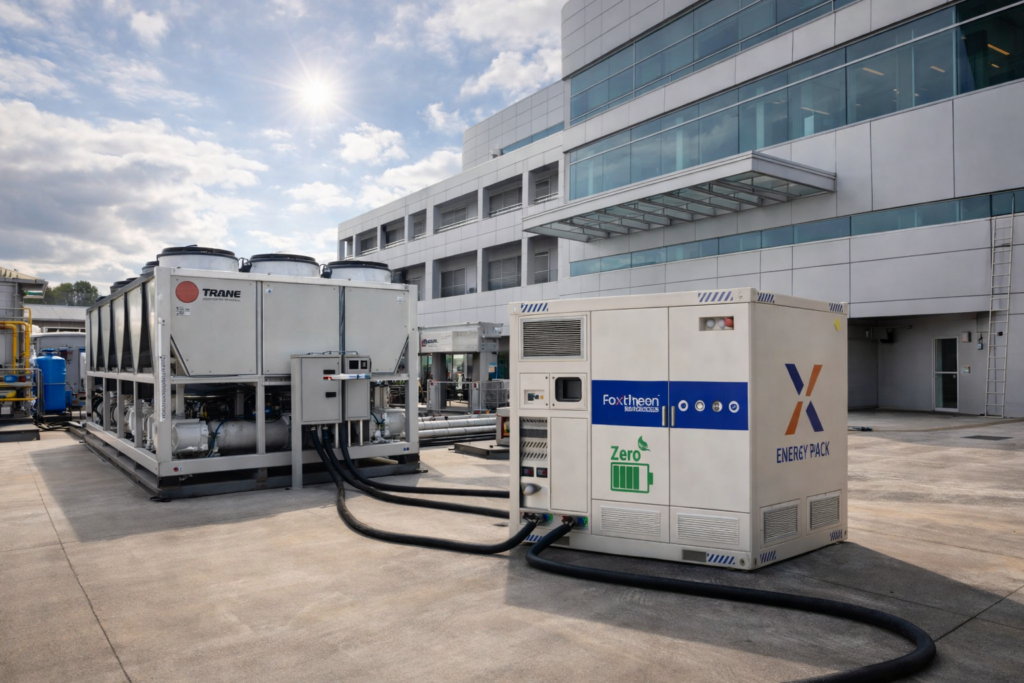
Selecting the Right Equipment for Powering Temporary HVAC Solutions
Choosing the correct power source is just as important as choosing the right AC unit. If you undersize the power, the equipment won’t start. If you oversize it, you waste money.
Follow these steps for optimal sizing:
Calculate Total Amperage: distinct from running watts. You must know the starting amps (LRA – Locked Rotor Amps) of the HVAC unit.
Assess the Duty Cycle: Will the AC run 24/7, or only during the day?
Consider the Environment: High ambient temperatures reduce generator efficiency (derating).
Check for Auxiliary Loads: Are you powering lights or computers on the same circuit?
When powering temporary HVAC solutions, always factor in a safety margin. However, with hybrid systems, the battery buffer allows you to size the generator closer to the running load rather than the starting load.
Consulting with experts from companies like Foxtheon can help you model the load profile. They can simulate the energy demand to ensure the battery capacity matches the specific needs of your HVAC deployment.
The demand for temporary climate control is not slowing down. As weather patterns become more unpredictable, the need for heating and cooling at remote sites will grow. Consequently, the methods we use for powering temporary HVAC solutions must evolve.
We can no longer rely on inefficient, noisy diesel engines running at partial capacity. The future lies in hybrid systems and intelligent energy storage. These solutions offer a path to lower costs, reduced emissions, and quieter operations.
By leveraging advanced technology from providers like Foxtheon, businesses can turn a logistical headache into a streamlined operation. Whether for emergency relief, construction, or entertainment, smart power is the key to keeping environments comfortable and safe.
Frequently Asked Questions (FAQ)
Q1: What is the biggest advantage of using a hybrid system for powering temporary HVAC solutions?
A1: The primary advantage is fuel efficiency. Hybrid systems allow the generator to turn off during low-load periods, running the HVAC fans and controls on battery power. This prevents “wet stacking” in the generator and can reduce fuel consumption by 40% to 60% compared to traditional always-on generators.
Q2: Can battery storage systems handle the startup surge of large AC units?
A2: Yes, modern Battery Energy Storage Systems (BESS) are designed to handle high “inrush currents.” They provide the immediate burst of power required to start the AC compressor. This allows you to use a smaller generator that handles the running load rather than sizing a massive generator just for the startup spike.
Q3: How does powering temporary HVAC solutions with batteries affect noise levels?
A3: It significantly reduces noise. When the HVAC unit is running on battery power, the power source is virtually silent. This is perfect for movie sets, outdoor weddings, or residential construction zones where generator noise is a major complaint.
Q4: Is it more expensive to use intelligent energy solutions compared to standard diesel generators?
A4: The rental cost for the equipment might be slightly higher, but the total project cost is often lower. When you factor in the massive savings on diesel fuel and the reduced need for maintenance/refueling labor, the overall expense for powering temporary HVAC solutions with hybrid systems is usually more competitive.
Q5: Can I use solar panels to assist in powering temporary HVAC solutions?
A5: Absolutely. Most intelligent energy units, such as those used in hybrid setups, have solar inputs. You can connect portable solar arrays to charge the batteries during the day. While solar alone might not run a large HVAC unit 24/7, it significantly extends battery life and reduces the run-time of the backup generator.