
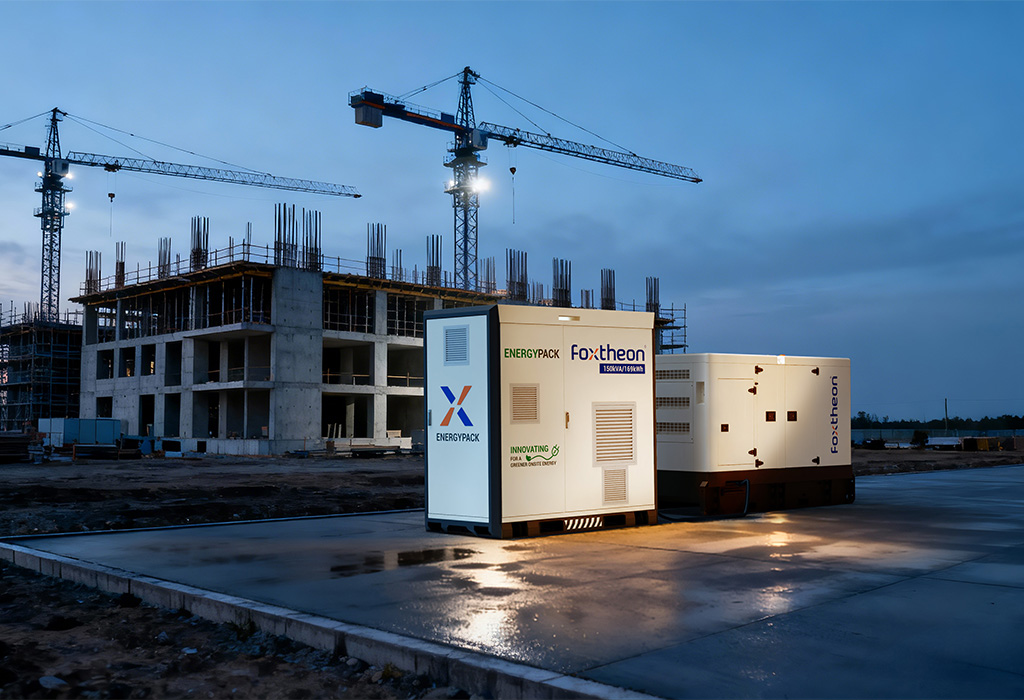
The sound of a diesel generator chugging away in the background has been the soundtrack of construction sites and outdoor events for decades. It represents power, yes, but it also represents waste. Fuel is burned continuously, regardless of how much electricity is actually being used. Noise pollution disrupts neighborhoods, and black smoke creates environmental hazards.
Fortunately, the industry is waking up to a new reality. The demand for cleaner, quieter, and more efficient power has given rise to advanced hybrid technologies. This is the space where Foxtheon Energy operates, pushing the boundaries of what portable power can do.
By integrating high-density battery storage with efficient power generation, modern energy solutions are changing the math for project managers and rental companies. It is no longer just about keeping the lights on; it is about doing it without burning through your budget or the planet’s resources.
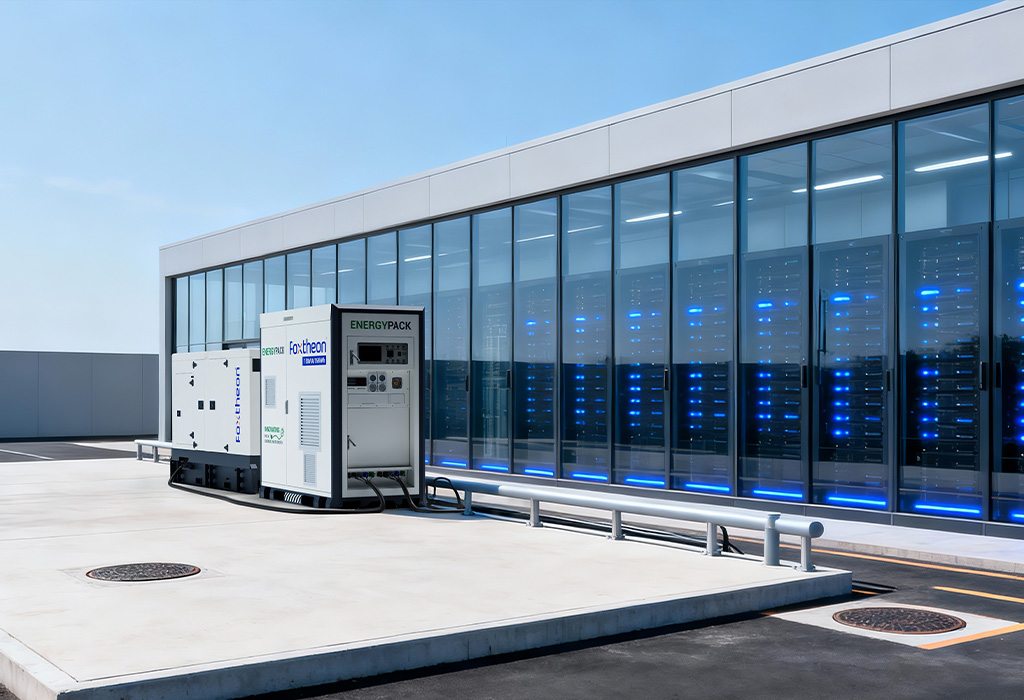
The Shift Away from Traditional Diesel Reliance
For a long time, the strategy for off-grid power was simple: buy a generator that is too big for the job, just to be safe. If a site needed 50kW of power at peak times, managers would rent a 100kW unit.
The Problem of Inefficiency
The issue with this “oversizing” approach is distinct. Diesel engines are designed to run under load. When they run with little to no load—which happens frequently at night or during lunch breaks—they suffer from “wet stacking.” Unburned fuel accumulates in the exhaust system, leading to engine damage and high maintenance costs.
Furthermore, running a large engine to charge a few power tools or keep security lights on is practically burning money. This inefficiency is the primary driver behind the adoption of smart energy solutions.
Environmental Pressure and Regulation
Governments worldwide are tightening emissions standards. Low Emission Zones in major cities are making it difficult to use older, standard diesel equipment. Companies are under pressure to lower their carbon footprint to meet ESG (Environmental, Social, and Governance) goals.
This regulatory landscape creates a massive opportunity for hybrid systems. By significantly reducing engine runtime, these systems cut CO2 emissions instantly.
How Foxtheon Energy Defines Smart Power
When we talk about “smart energy,” we are not just talking about batteries. We are talking about the intelligence that manages the flow of electricity.
Foxtheon Energy has carved out a niche by focusing on the integration of hardware and software. The core of their solution often lies in the Energy Management System (EMS). This is the brain that decides when to use battery power and when to turn on the generator.
The Hybrid Operating Model
In a typical hybrid setup, the load is primarily served by the battery energy storage system (ESS). When a crane lifts a heavy load or the entire crew starts welding at once, the demand spikes.
The smart controller detects this spike. If the battery can handle it, it does. If the demand exceeds the battery’s capacity, or if the battery charge gets too low, the generator automatically kicks in.
This ensures the generator only runs when it is absolutely necessary and, crucially, when it can run at its optimal load. This maximizes fuel efficiency and eliminates the wet stacking problem.
Silent Operations
One of the most immediate benefits of this technology is silence. A standard generator runs 24/7. A hybrid unit might only run its engine for 3 or 4 hours a day to recharge the batteries.
For the remaining 20 hours, the site is powered by the battery bank. This allows construction work to continue in residential areas early in the morning or late at night without violating noise ordinances. It changes the relationship between a job site and the surrounding community.
The Economic Argument for Hybridization
There is a common misconception that green technology is always more expensive. While the initial purchase price of a hybrid unit or a battery box might be higher than a simple diesel engine, the operational costs tell a different story.
Drastic Reduction in Fuel Costs
Fuel is usually the biggest line item in a power budget. Field data from systems similar to those developed by Foxtheon often show fuel savings ranging from 40% to 70%, depending on the application.
If a generator burns 5 gallons an hour and runs for 24 hours, that is 120 gallons a day. If a hybrid system reduces that runtime to 4 hours, you are only burning 20 gallons. Over the course of a month-long project, the savings are massive.
Lower Maintenance Expenses
Engines measure their life in hours. A standard generator running continuously will hit its service interval (usually every 250 to 500 hours) very quickly. This means frequent oil changes, filter replacements, and mechanic visits.
By cutting runtime by 80%, you also extend the maintenance intervals by the same margin. A generator that used to need service once a month might now only need it once every four or five months. This reduces labor costs and downtime significantly.
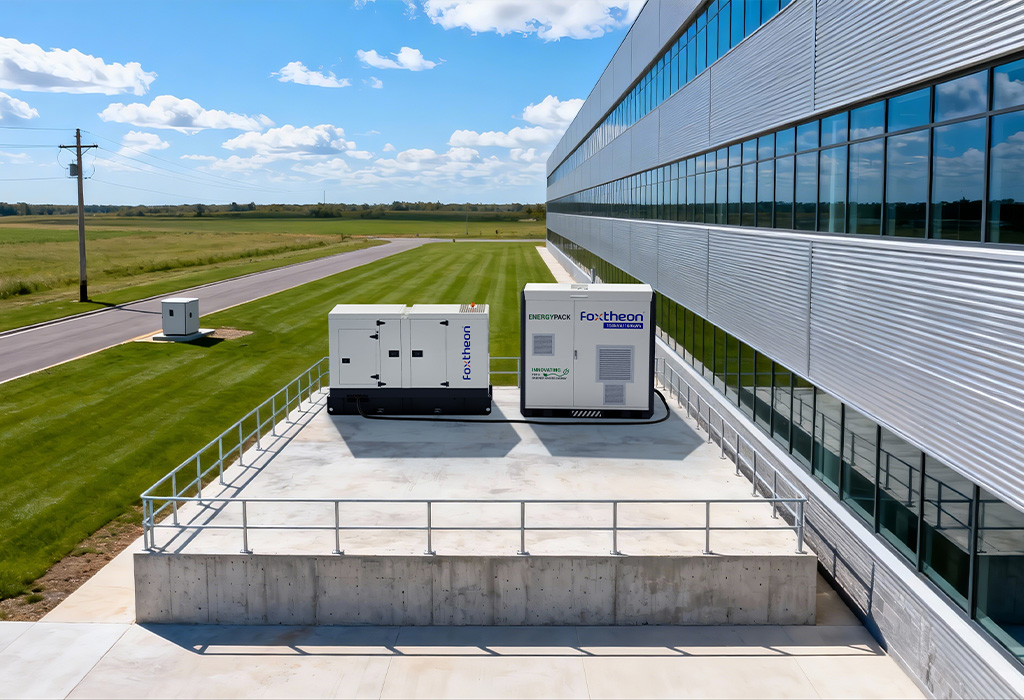
Technology That Drives the Change
The hardware inside these units has evolved rapidly. It is not just about slapping a car battery onto a generator.
Lithium Iron Phosphate (LFP) Batteries
Early hybrid systems used lead-acid batteries, which were heavy and had short lifespans. Modern solutions, including those championed by Foxtheon Energy, typically utilize Lithium Iron Phosphate (LFP) chemistry.
LFP batteries are known for their safety and thermal stability. They can withstand thousands of charge cycles without significant degradation. This durability is essential for rental equipment that gets moved from site to site and endures harsh weather conditions.
The Role of Connectivity
You cannot manage what you cannot see. Modern smart energy units come equipped with 4G and cloud connectivity. Fleet managers can log into a dashboard and see exactly how much fuel is left, the battery state of charge, and the current load.
This remote monitoring capability allows for proactive management. If a unit sends a fault code, a technician can diagnose it remotely before driving to the site. This efficiency is a hallmark of the international smart energy solutions market.
Key Applications in the Field
Where is this technology actually being used? The versatility of Foxtheon Energy products means they fit into various sectors.
Mining and Remote Exploration
Mining camps are often located hundreds of miles from the nearest grid connection. Transporting diesel to these locations is incredibly expensive due to logistics. Reducing fuel consumption here effectively doubles the savings because it also reduces the transport cost of that fuel.
Events and Film Production
Filming a movie requires absolute silence during takes. Historically, this meant running long, heavy cables from a generator parked far away.
With battery storage systems, film crews can place a silent power unit right next to the set. It powers lights and cameras without a hum. Similarly, outdoor weddings and festivals prefer these units to avoid the smell of exhaust fumes ruining the guest experience.
Telecom Tower Backup
Cell towers need 100% uptime. In developing regions with unstable grids, diesel generators are the primary backup. However, they are prone to fuel theft and mechanical failure.
Hybrid solutions provide a more robust buffer. The battery handles the immediate outages, and the generator acts as a secondary reserve. This multi-layered approach guarantees better network reliability.
Future-Proofing Your Fleet
The energy transition is not a temporary trend. It is the direction the entire industrial world is moving.
Integration with Renewables
One of the most powerful features of these smart energy systems is their ability to accept input from solar panels. Foxtheon has designed systems that can easily plug into portable solar arrays.
On a sunny day, a construction office trailer can be powered entirely by the sun, stored in the battery. The diesel engine might not turn on for days at a time. This is the “Microgrid” concept brought to life in a portable format.
Resale Value and Lifespan
As regulations tighten, the resale value of standard diesel generators will likely drop. Conversely, hybrid units that meet Tier 4 Final or Stage V emission standards will hold their value better. Investing in smart technology now is a hedge against future obsolescence.
The industrial power sector is undergoing a necessary evolution. We are moving away from the brute force of constant diesel combustion toward an intelligent, managed use of energy.
Companies like Foxtheon are vital in this transition because they make the technology accessible. They provide the bridge between the reliability we need and the sustainability we want. By combining robust hardware with intelligent software, they allow businesses to cut costs while also cutting emissions.
Whether you are running a construction site, a mine, or an outdoor event, the question is no longer “where do I get power?” It is “how do I get power efficiently?” The answer, increasingly, is found in hybrid smart energy solutions.
Frequently Asked Questions
Q1: What is the primary advantage of using a Foxtheon Energy hybrid system over a standard generator?
A1: The primary advantage is efficiency. A hybrid system utilizes battery storage to handle low and average loads, meaning the fuel-consuming engine only runs when necessary and at optimal capacity. This leads to significant fuel savings, reduced noise, and lower maintenance costs compared to a standard generator that runs continuously.
Q2: Can these systems really work in extreme weather conditions?
A2: Yes, modern energy storage systems are built with thermal management in mind. The Lithium Iron Phosphate (LFP) batteries used in high-quality units are designed to operate safely in a wide range of temperatures. Additionally, the enclosures are typically rated for outdoor use, protecting the electronics from rain, dust, and snow.
Q3: How much fuel can I expect to save?
A3: While it varies based on your specific load profile, most operators report fuel savings between 40% and 60%. In scenarios with long periods of low power demand—such as overnight security lighting or office trailer power—the savings can be even higher because the generator engine may not need to run at all.
Q4: Is it difficult to train staff to operate these smart units?
A4: Generally, no. While the technology inside is complex, the user interface is designed to be user-friendly. Most systems operate automatically; once turned on, the Energy Management System handles the switching between battery and engine. Basic training is usually sufficient for site personnel.
Q5: Can I connect solar panels to these units?
A5: Yes, most smart energy solutions are designed to be renewable-ready. You can connect portable solar arrays directly to the unit. The system will prioritize charging the batteries with free solar energy first, only using the diesel generator if solar and battery power are insufficient to meet the load.