
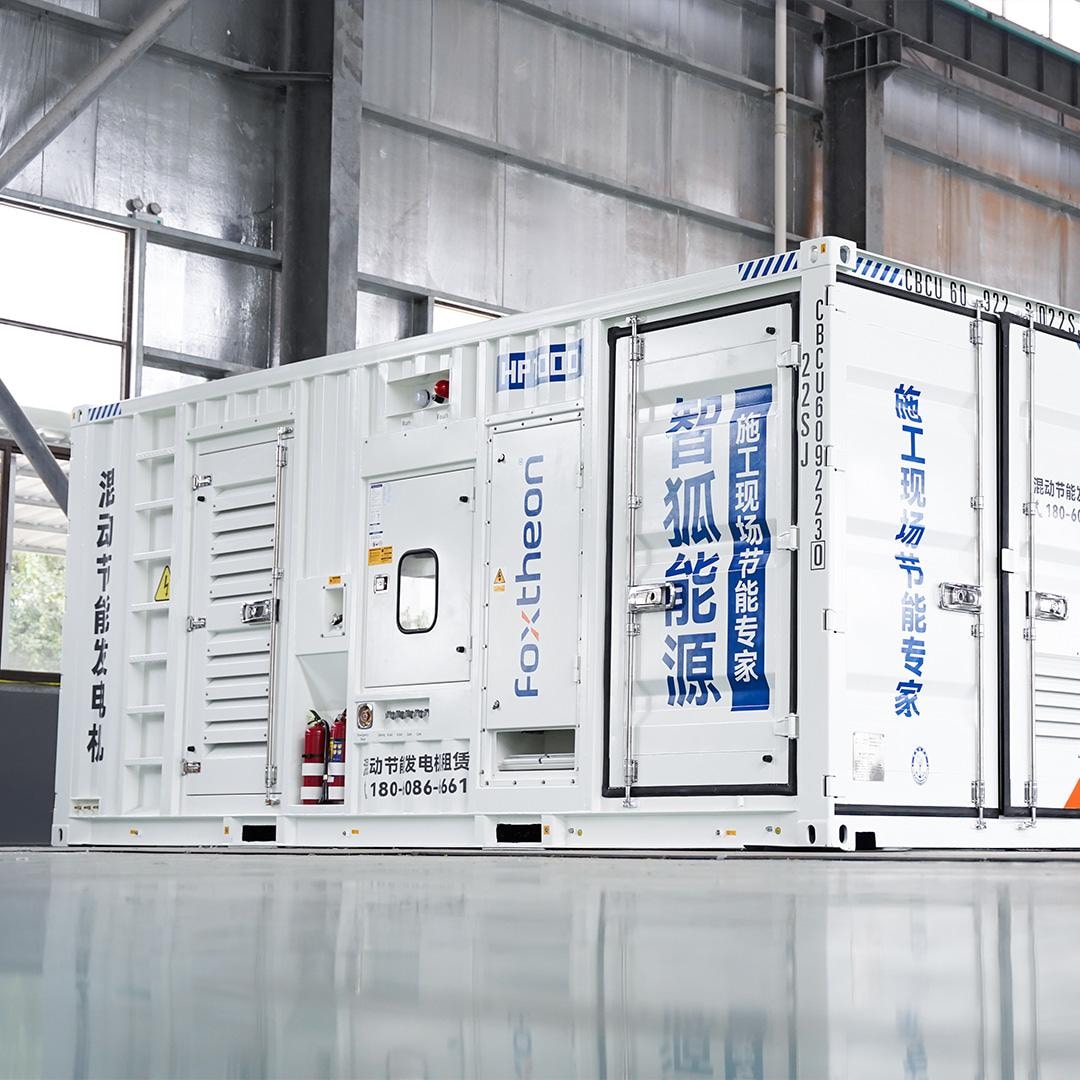
The demand for portable power has shifted. It is no longer just about having a backup battery for a smartphone; it is about sustaining a lifestyle that exists outside the grid. Whether you are a remote photographer, a camping enthusiast, or a homeowner preparing for storm season, the equipment you choose matters. This brings us to the Foxtheon P500.
In the crowded market of portable power stations, finding a unit that balances weight, output, and longevity is difficult. Many generic models promise high wattage but fail to deliver consistent voltage under load. Foxtheon has taken a different approach with this model, focusing on intelligent energy management rather than just raw numbers.
This article looks at what makes this unit function in real-world scenarios. We will skip the marketing hype and look at the engineering, the practical applications, and how this device fits into the broader ecosystem of international intelligent energy solutions.
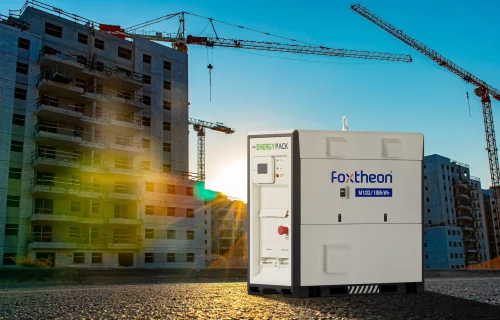
The Engineering Behind the Foxtheon P500
When you pick up a power station, the first thing you notice is the build quality. However, the real story happens inside the casing. The Foxtheon P500 is designed around a sophisticated architecture that prioritizes safety and efficiency.
Unlike older lead-acid options, this unit utilizes modern lithium-based chemistry. This choice drastically reduces the weight while increasing the energy density. You get more power in a smaller package. But chemistry is only half the battle. The way the battery communicates with the inverter is where the intelligent energy solution aspect comes into play.
Foxtheon has integrated a high-response Battery Management System (BMS) into the P500. This system monitors voltage, current, and temperature in real-time. If the internal temperature rises during a fast-charge cycle, the BMS adjusts the input flow instantly to prevent degradation. This ensures that the unit lasts for years, not just months.
AC Output and Inverter Quality
The heart of any power station is the inverter. This component converts the DC power stored in the battery into the AC power your laptop or medical device needs.
Cheap inverters produce a “modified sine wave,” which is choppy and can damage sensitive electronics like CPAP machines or audio equipment. The Foxtheon P500 produces a pure sine wave. This matches the quality of electricity you get from a wall outlet at home.
When you plug in a device, there is no hum or static. It just works. This reliability is crucial for professionals who might be using the P500 to power field monitors, drones, or sensitive communication equipment in remote locations.
Hybrid Energy Capabilities
One of the defining features of the current energy landscape is the move toward hybrid solutions. While the P500 functions as a standalone battery, it shines when integrated into a small-scale generation system.
Solar Integration
You cannot talk about off-grid power without discussing solar. The P500 is built with an MPPT (Maximum Power Point Tracking) controller.
Old-school solar controllers waste energy. They essentially chop off the excess voltage from solar panels. The MPPT controller inside this unit actively converts that excess voltage into amperage. This means you get up to 20% more energy into the battery from the same solar panel compared to a standard PWM controller.
On a cloudy day, this efficiency makes a massive difference. It means the difference between topping off your battery before sunset or running out of power in the middle of the night.
Grid and Vehicle Charging
While solar is the ideal, versatility is key. The unit supports fast wall charging and DC inputs from vehicles. This allows for “opportunity charging.”
If you are on a road trip, you can top up the unit via your car’s cigarette lighter port while driving between campsites. By the time you arrive, you have a full tank of electrons ready for the night.
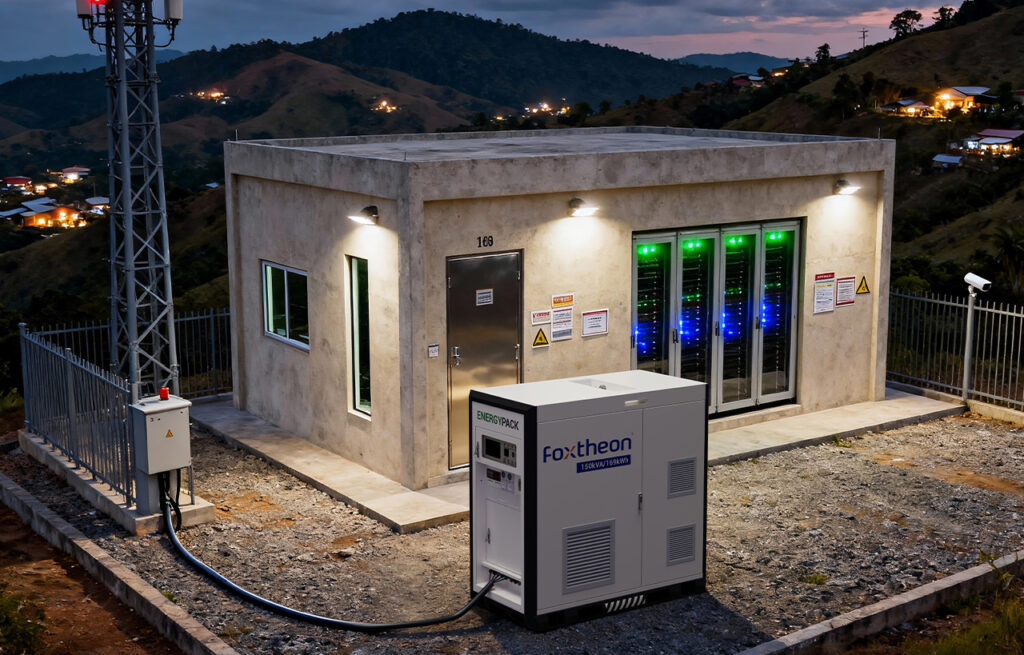
Practical Applications for the Foxtheon P500
Specs on a sheet are one thing; using the device in the mud, rain, or a blackout is another. We need to look at where this device fits into daily life.
Remote Work and Digital Nomads
The definition of the office has changed. People are working from vans, cabins, and beaches. For a digital nomad, power anxiety is a real productivity killer.
The Foxtheon P500 offers enough capacity to keep a laptop running for several days of work, depending on the model’s specific watt-hour rating. With multiple USB-C PD (Power Delivery) ports, you can charge a modern laptop directly without the bulky brick adapter. This reduces the amount of gear you need to carry.
More importantly, the unit runs silent. Unlike a gas generator, which creates noise pollution and fumes, the P500 sits quietly under a desk or table. This allows for Zoom calls or focused writing sessions without background drone.
Emergency Home Backup
Grid instability is becoming more common globally. Whether due to extreme weather or aging infrastructure, blackouts happen.
While a unit of this size will not power a whole house AC system, it is perfect for the “critical loads.” This includes:
Wi-Fi routers (to stay connected to news).
LED lighting.
Charging phones and radios.
Powering a small medical device.
Keep the unit plugged into the wall, and when the power cuts, you simply switch your devices over. The peace of mind provided by having a charged P500 in the closet is undeniable.
Camping and Outdoor Recreation
For the weekend warrior, the focus is on convenience. You want to inflate an air mattress, run a portable fridge, or keep a Bluetooth speaker going.
The form factor of the Foxtheon P500 is built for this. It usually features a rugged handle and a casing that can withstand the bumps of a trunk or a truck bed. The ports are typically covered or recessed to protect against dust ingress.
Running a 12V portable fridge is a popular use case. These fridges sip power, and paired with the P500, you can keep food fresh for a long weekend without needing to buy ice.
Longevity and Cycle Life
One major concern buyers have regarding lithium power stations is how long they last. Battery degradation is a chemical reality. However, the rate of degradation varies wildly between brands.
Foxtheon uses high-quality cells designed for a high cycle life. “Cycle life” refers to how many times you can discharge and recharge the battery before it holds only 80% of its original capacity.
Cheap units might offer 500 cycles. This sounds like a lot, but if used daily, that is less than two years. The engineering behind the P500 targets a much higher cycle count, often pushing into the thousands depending on the specific cell chemistry (such as LiFePO4).
This translates to a lower total cost of ownership. You might pay a little more upfront for a premium intelligent energy solution, but you will not need to replace the unit in two years.
Intelligent Control and Interface
We live in an era of smart devices. A power station should be no exception.
The LCD screen on the Foxtheon P500 provides granular data. It doesn’t just show a battery bar; it shows input wattage and output wattage. This teaches the user about their energy consumption.
For example, you might plug in a hair dryer and see the output spike to 1500W (if supported), draining the battery rapidly. Conversely, you might see that your LED lamp draws only 5W. This feedback loop helps users manage their energy budget effectively when off-grid.
Some iterations of modern intelligent power systems also include app connectivity. This allows users to monitor the battery level from a smartphone, which is particularly useful if the battery is stored in a basement or a vehicle compartment.
Comparing to Gas Generators
It is worth addressing the traditional alternative: the gas generator.
Gas generators have high power output but come with significant downsides:
Maintenance: Oil changes, spark plugs, and carburetor cleaning.
Fuel: You must carry flammable liquid.
Noise: They are loud.
Fumes: They cannot be used indoors.
The Foxtheon P500 requires zero maintenance. There are no fluids to check. It is silent and produces no emissions. For anything requiring less than 1000W of constant power, the battery solution is superior in almost every user experience metric.
Sustainability and Environmental Impact
Foxtheon has positioned itself as a player in the green energy transition. Using a battery generator reduces your carbon footprint, especially when paired with solar panels.
Every kilowatt-hour generated by the sun is one less produced by burning coal or gas. For users conscious of their environmental impact, switching to a solar-generator setup is a tangible step toward a lower-carbon lifestyle.
Furthermore, the materials used in these units are becoming more recyclable. The industry is moving toward a circular economy where battery cells are repurposed or recycled at the end of their life, reducing e-waste.
Why the Foxtheon P500 Stands Out
The market is flooded with white-label batteries that simply slap a logo on a generic box. The difference with this unit lies in the integration.
The “Intelligent Energy Solution” moniker isn’t just branding; it refers to the harmony between the hardware and the software governing the electricity. The BMS, the inverter, and the thermal management work as a cohesive unit.
This results in less heat generation, higher efficiency (less power lost during conversion), and better reliability. When you are twenty miles from the nearest paved road, reliability is the only metric that truly counts.
Final Thoughts on Energy Independence
Energy independence does not necessarily mean disconnecting from the grid entirely. It means having control over your power needs for specific durations and situations.
The Foxtheon P500 represents a bridge between daily convenience and emergency preparedness. It is robust enough for the job site, refined enough for the home office, and reliable enough for the campsite.
As battery technology continues to evolve, we will see even higher capacities in smaller footprints. But for now, the P500 hits a sweet spot of portability and power. It empowers users to venture further and stay connected longer, without the tether of a wall outlet.
Whether you are looking to prepare for the next storm or planning a cross-country road trip, investing in a high-quality energy storage system is a decision you rarely regret. Foxtheon continues to demonstrate why they are a serious contender in the international energy market.
Frequently Asked Questions (FAQ)
Q1: Can the Foxtheon P500 power high-wattage appliances like a microwave or hair dryer?
A1: It depends on the specific continuous wattage rating of the appliance and the P500’s inverter limit. Generally, the “500” often denotes the class (around 500Wh or 500W). If your appliance exceeds the continuous output rating of the unit, the overload protection will trip to prevent damage. Always check the label on your appliance; heating elements often draw 1000W+, which may exceed the capacity of compact portable stations.
Q2: How long does it take to fully charge the P500 using solar panels?
A2: Charging time varies based on sunlight intensity, the angle of the panels, and the total wattage of the solar array. If the Foxtheon P500 supports a 100W solar input and you have perfect sun conditions, a 500Wh battery would take approximately 5 to 6 hours to charge from 0% to 100%. Clouds or shade will extend this time.
Q3: Is it safe to keep the unit plugged into the wall continuously?
A3: Yes, modern intelligent energy solutions utilize a Battery Management System (BMS) that prevents overcharging. Once the battery reaches capacity, the system stops drawing current or switches to a trickle charge mode. However, for long-term battery health, it is often recommended to cycle the battery (discharge and recharge) every few months rather than leaving it at 100% indefinitely.
Q4: Can I take the Foxtheon P500 on an airplane?
A4: Generally, no. The FAA and international aviation regulations typically limit lithium batteries in carry-on luggage to 100Wh (or up to 160Wh with airline approval). Since the P500 likely exceeds this capacity, it cannot be taken on a commercial passenger flight. It must be transported via ground shipping or special cargo freight.
Q5: What type of maintenance does this power station require?
A5: The unit is virtually maintenance-free. Unlike gas generators, there are no oil changes or filters. The main recommendation is to keep the unit clean and store it in a temperature-controlled environment (avoiding extreme heat or freezing cold). If storing for a long period, aim to keep the battery charge between 60% and 80% to prolong cell life.