
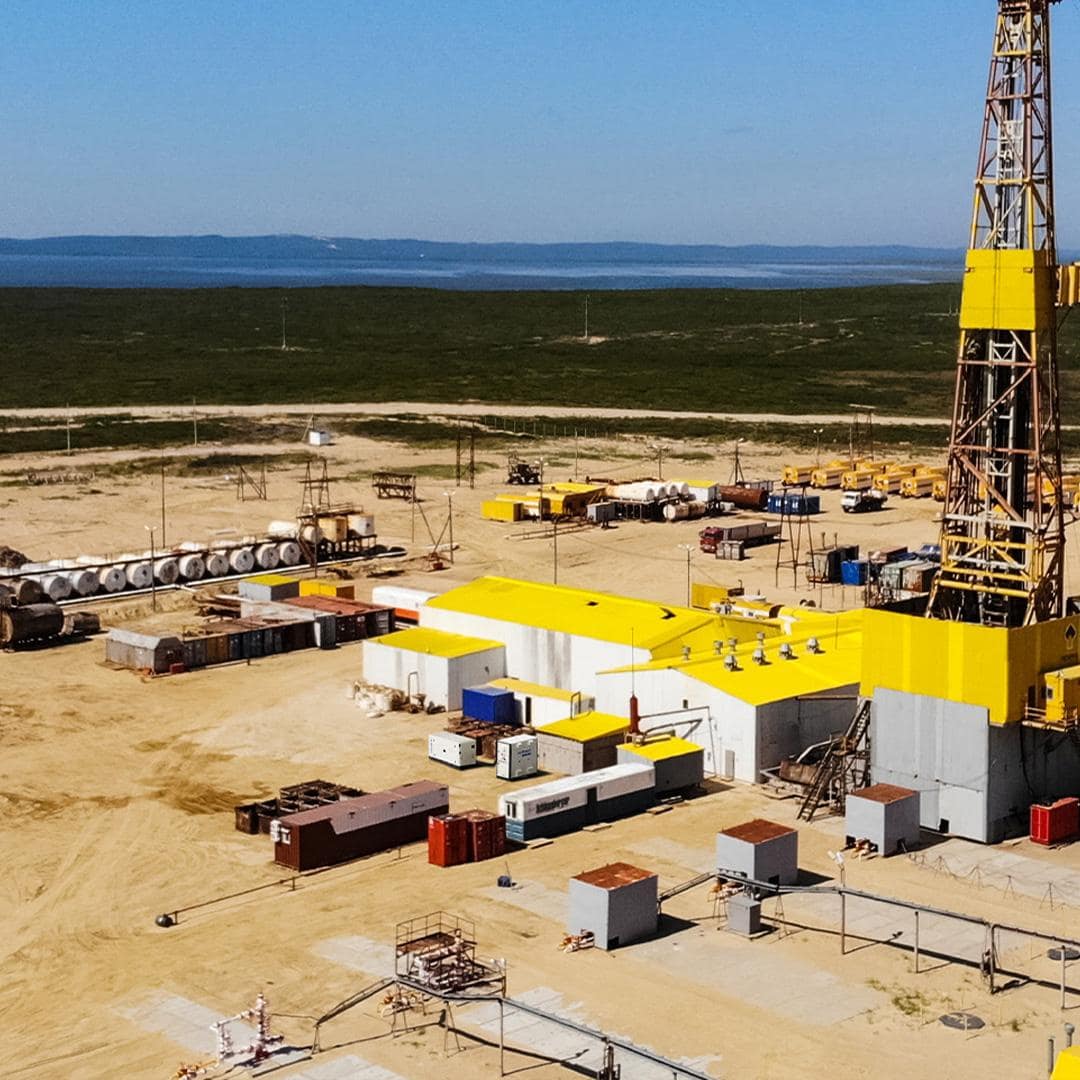
The global energy landscape is undergoing a massive transformation, driven by the urgent need for sustainability, reliability, and efficiency. As businesses and grids face increasing pressure to decarbonize, the temporary power sector is no longer just about dropping off a diesel generator at a construction site. The future of power rental industry is shifting rapidly toward intelligent energy solutions, hybridization, and advanced data analytics.
For project managers, event organizers, and industrial operators, this shift means access to cleaner and more reliable power. Innovative companies, including Foxtheon, are already stepping up to meet these demands by integrating smart technologies into mobile power units. Understanding where this sector is heading is crucial for making cost-effective and environmentally responsible decisions in the coming years.
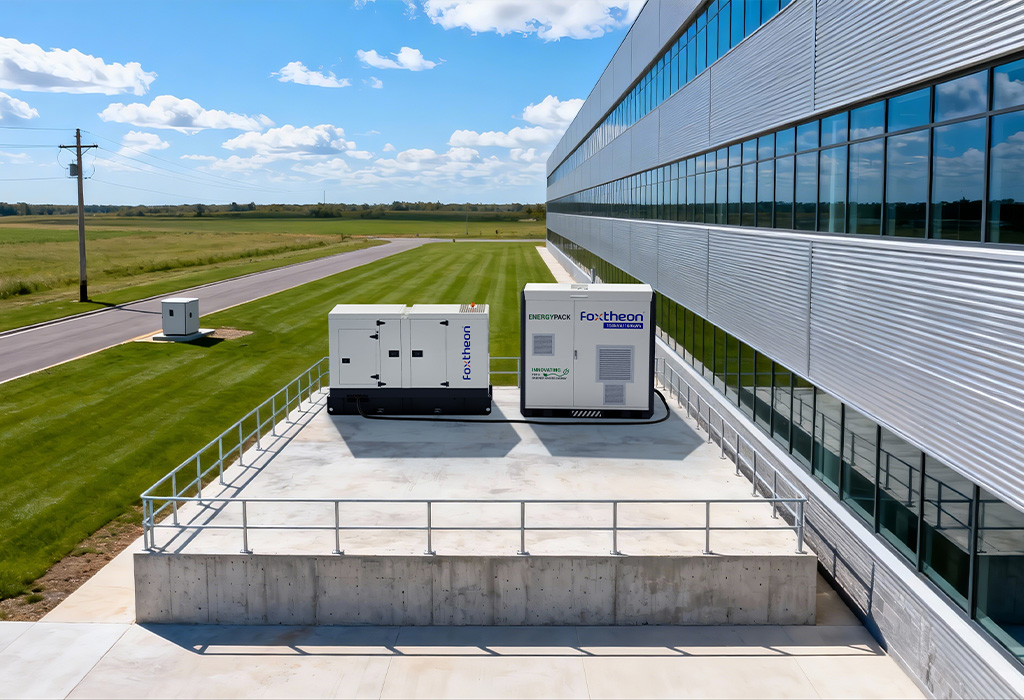
The Shift Toward Hybridization and Decarbonization
One of the most significant changes we are witnessing is the move away from relying solely on fossil fuels. In the past, rental fleets were dominated by diesel generators. While these are still prevalent, the market is demanding cleaner alternatives.
Rise of Battery Energy Storage Systems (BESS)
Battery technology is revolutionizing how temporary power is delivered. Battery Energy Storage Systems (BESS) are becoming a staple in modern rental fleets. These units allow users to store energy during periods of low demand or from renewable sources and release it when needed.
This technology solves a major inefficiency in traditional generation: “wet stacking” or running generators at low loads, which damages engines and wastes fuel. By pairing a generator with a battery, the generator runs at optimal capacity to charge the battery and then shuts off, significantly reducing fuel consumption and emissions.
Solar-Diesel Hybrid Configurations
Another trend shaping the landscape is the integration of solar power into rental setups. Portable solar arrays are now being deployed alongside traditional generators.
This hybrid approach ensures that during daylight hours, operations can run on zero-emission solar energy, with the diesel unit acting only as a backup. This is particularly valuable for remote mining sites or telecommunications towers where fuel logistics are expensive and difficult.
Smart Technology and the Future of Power Rental Industry
Hardware is only half the story. The integration of the Internet of Things (IoT) and smart connectivity is redefining how rental power is managed. The future of power rental industry relies heavily on data to optimize performance and reduce downtime.
Remote Monitoring and Telemetry
Modern power units are equipped with sensors that transmit real-time data to the cloud. Rental providers and clients can now monitor fuel levels, voltage stability, and engine health from a smartphone or laptop.
This transparency allows for better fleet management. Instead of sending a technician to check on a unit manually, operators can diagnose issues remotely. This capability is essential for critical applications like hospital backup power or large-scale data centers where even a second of power loss is unacceptable.
Predictive Maintenance
With the influx of data, rental companies are moving from reactive repairs to predictive maintenance. Algorithms can analyze patterns to predict when a part is likely to fail before it actually does.
This shift dramatically increases reliability. For the end-user, it means fewer interruptions and a smoother operation. It also extends the lifespan of the equipment, allowing rental companies to offer more competitive pricing due to reduced capital replacement costs.
Economic Impacts: Cost Efficiency vs. Rental Rates
When discussing the future of power rental industry, the conversation inevitably turns to cost. There is a common misconception that greener, smarter technology is always more expensive. While the upfront rental rate for a hybrid unit might be higher than a standard diesel genset, the operational dynamics are changing.
Total Cost of Operation (TCO)
Smart businesses are looking at the Total Cost of Operation rather than just the daily rental fee. Fuel often represents the largest portion of the cost in temporary power.
By utilizing hybrid systems or high-efficiency generators from manufacturers like Foxtheon, users can see fuel savings of 30% to 50%. When fuel prices are high, these savings easily offset the premium paid for the advanced equipment.
Avoiding Regulatory Fines
Environmental regulations are tightening globally. Many cities now have low-emission zones (LEZ) that ban older, polluting equipment. Using Tier 4 Final or Stage V compliant generators, or zero-emission battery units, is becoming a necessity to avoid heavy fines.
The rental industry is adapting by phasing out older fleets. Renting compliant equipment protects projects from regulatory shutdowns and financial penalties, adding another layer of value to modern rental solutions.
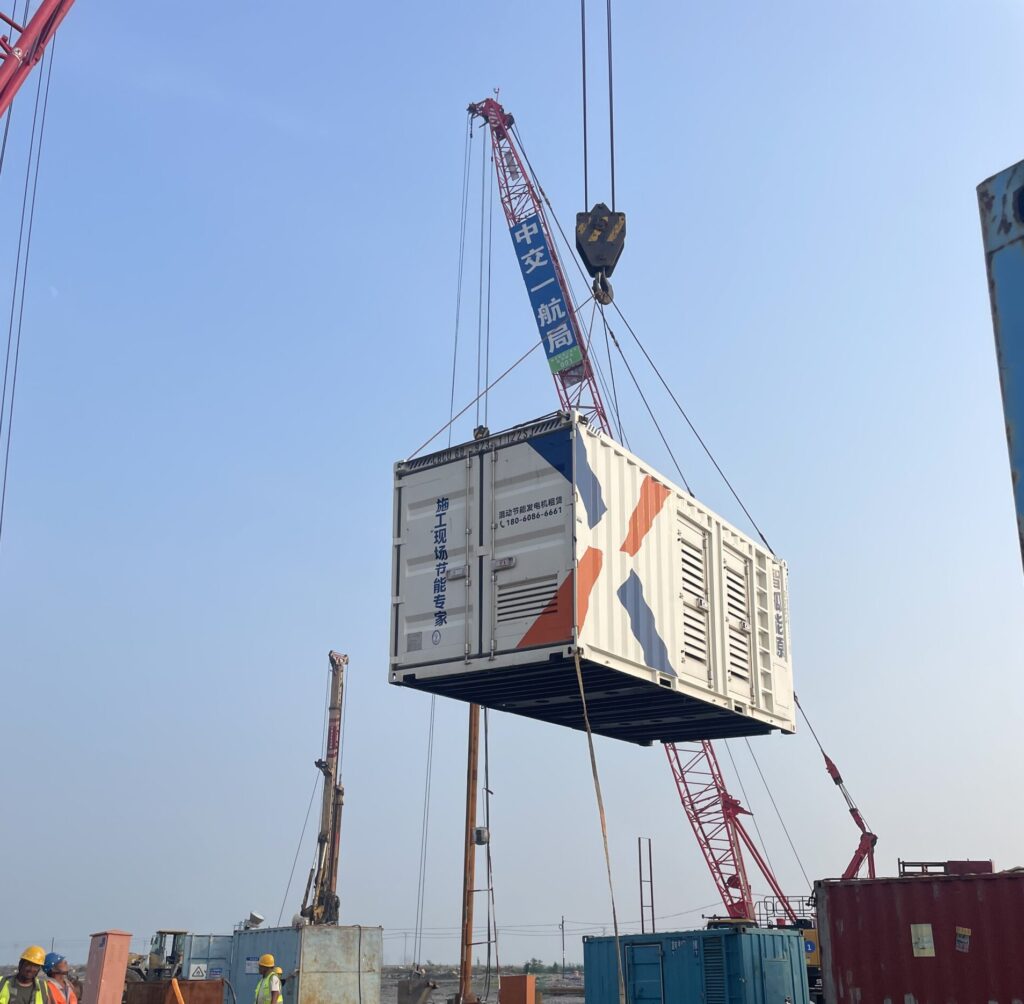
Emerging Applications for Mobile Power
The demand for temporary power is expanding into new territories. It is no longer just about construction sites and music festivals.
Grid Support and EV Charging
As the adoption of Electric Vehicles (EVs) accelerates, the grid often struggles to keep up with charging demand, especially at temporary events or remote locations. Mobile power rental is filling this gap.
High-capacity mobile battery units are being deployed to create pop-up charging stations. These units can buffer the grid, ensuring that a surge in EV charging does not cause a local blackout. This application is expected to be a massive growth area for the industry.
Disaster Relief and Resilience
With climate change leading to more frequent and severe weather events, the need for rapid-response power is growing. The future of the sector involves deploying rugged, intelligent microgrids that can operate independently of damaged infrastructure.
These systems need to be easily transportable and quick to set up. Intelligent energy solutions that can automatically synchronize multiple power sources (solar, wind, diesel, battery) are vital in these chaotic environments.
Selecting the Right Partner for Intelligent Energy
As technology becomes more complex, choosing a rental provider is more about finding a technical partner than just a vendor.
Evaluating Technical Expertise
When vetting a supplier, ask about their fleet’s age and their ability to support hybrid configurations. A forward-thinking provider should be able to model your load profile and recommend a setup that saves fuel, rather than just renting you the largest generator they have.
The Role of Innovative Manufacturers
Rental companies rely on manufacturers to provide these advanced tools. Brands that focus on R&D and intelligent energy management are driving the market forward. Foxtheon continues to be a notable player in this space, developing integrated energy storage and hybrid generation systems that allow rental companies to offer cutting-edge solutions to their clients.
The future of power rental industry is undeniably green, digital, and data-driven. The days of oversizing loud, dirty diesel generators are numbered. Instead, we are entering an era of precision energy, where battery storage, hybridization, and remote monitoring combine to deliver cleaner and more reliable power.
For businesses, this transition offers a chance to lower operational costs and meet sustainability goals simultaneously. By embracing these trends and partnering with innovative leaders like Foxtheon, organizations can ensure they are powered for success in a changing world.
Frequently Asked Questions (FAQ)
Q1: What are the main benefits of using hybrid power generators in the rental market?
A1: Hybrid power generators combine a traditional engine with a battery storage system. The main benefits include significantly reduced fuel consumption, lower CO2 emissions, and reduced noise levels. They also prevent engine damage caused by low-load running (wet stacking) and reduce maintenance requirements.
Q2: How does the “future of power rental industry” impact rental costs for customers?
A2: While advanced equipment like battery storage or Tier 4 generators may have a higher daily rental rate, they often lower the total project cost. The savings come from drastically reduced fuel usage and lower maintenance costs. Additionally, avoiding environmental fines in strict regulatory zones adds to the cost-effectiveness.
Q3: Can mobile battery storage systems replace diesel generators entirely?
A3: For short durations or low-load applications, yes, mobile batteries can replace generators. However, for continuous, high-load power requirements over long periods, a hybrid solution (battery plus generator) is currently the most practical approach. The battery handles peaks and low loads, while the generator recharges the battery when necessary.
Q4: What role does IoT play in modern power rental equipment?
A4: IoT allows for remote telemetry, meaning rental providers and users can see real-time data on fuel levels, load usage, and engine health. This enables predictive maintenance, where problems are fixed before they cause a breakdown, ensuring higher reliability and uptime for the project.
Q5: Is it difficult to integrate renewable energy like solar into a temporary power setup?
A5: It is becoming much easier. Modern intelligent power management systems can automatically synchronize different power sources. Plug-and-play solar kits are available that connect directly to hybrid rental units, allowing the system to prioritize solar energy and only use the fuel engine when absolutely necessary.