
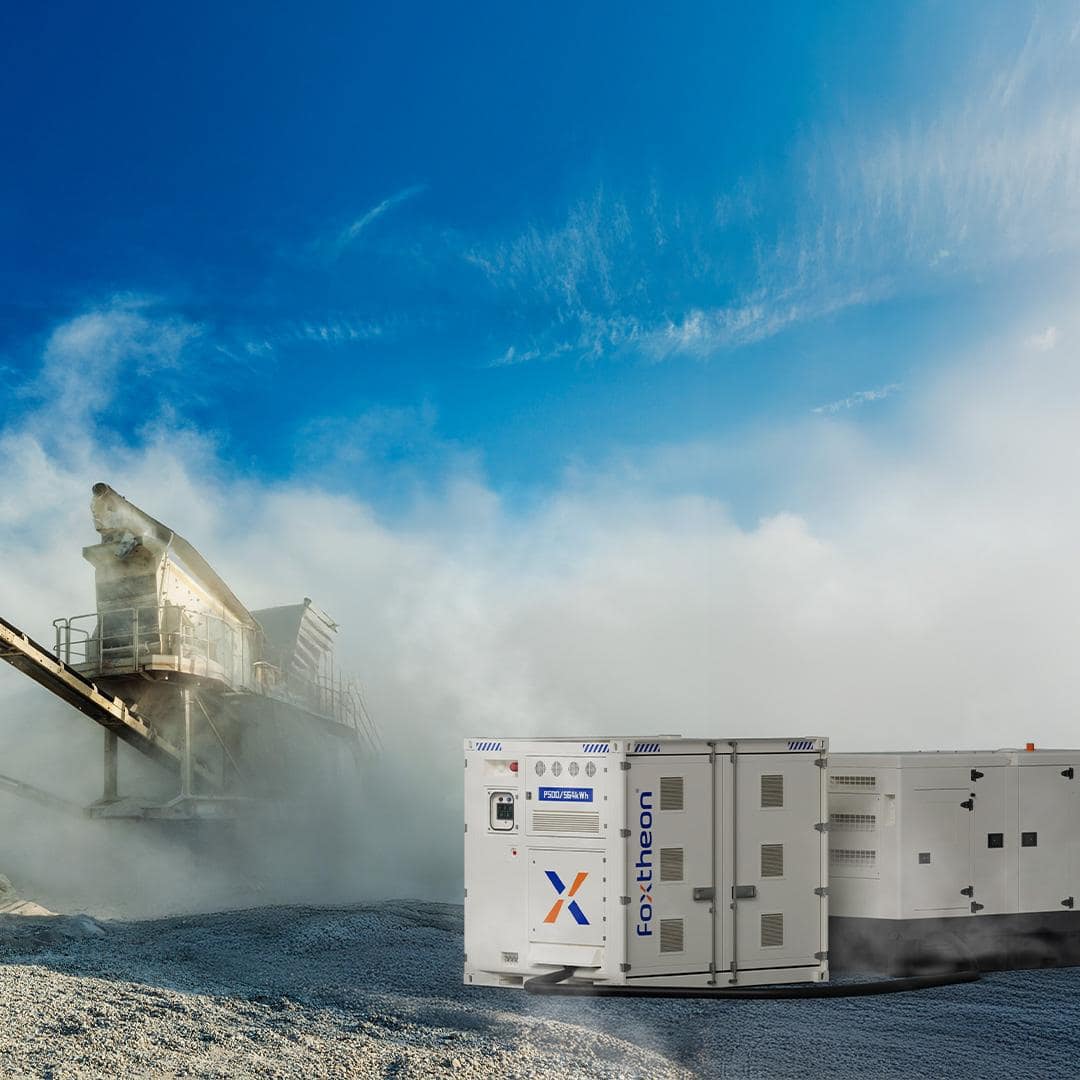
The equipment rental industry is currently navigating a significant transition. For decades, the answer to temporary power needs was straightforward: deploy a diesel generator. If reliability was a concern, you deployed two. However, rising fuel costs, stricter environmental regulations, and a customer base that is increasingly conscious of its carbon footprint are changing the rules of the game.
Fleet managers and rental company owners are realizing that reliance on standalone diesel engines is becoming a competitive disadvantage. The market is demanding efficiency and silence. To stay relevant and profitable, the most strategic move a company can make today is to add BESS to generator rental fleet operations.
This isn’t just about being “green.” It is about business resilience. Companies like Foxtheon have been at the forefront of this shift, demonstrating that hybridizing a fleet isn’t just an environmental choice—it is a financial one. By integrating battery energy storage systems (BESS), rental providers can solve the inherent inefficiencies of diesel generators, unlocking new revenue streams and drastically reducing operational costs.
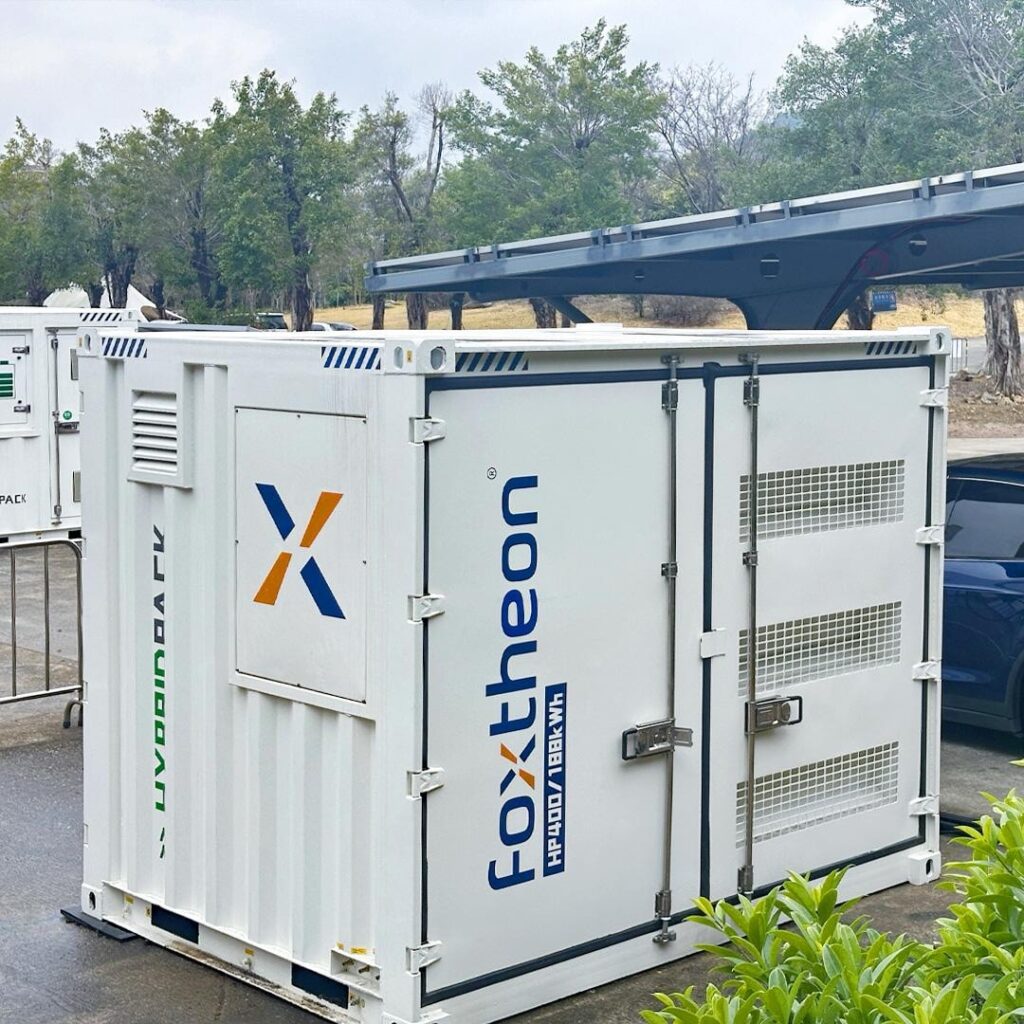
The Financial Logic to Add BESS to Generator Rental Fleet
When you look at the financials of a standard generator rental, the biggest variable cost for the customer is fuel. The biggest headache for the rental company is maintenance caused by inefficient operation. Integrating batteries addresses both.
Curing the “Low Load” Problem
Diesel generators are designed to run efficiently at high loads, typically between 70% and 80% capacity. However, in real-world rental applications—like construction sites or events—power demand is rarely constant. A generator might run at 10% or 20% capacity for hours, just to keep a few lights on or charge power tools.
Running a generator at low load is disastrous for the engine. It causes “wet stacking,” where unburned fuel accumulates in the exhaust system, leading to carbon buildup, reduced performance, and eventual engine failure. This results in frequent, expensive maintenance intervals and shorter asset lifespans.
When you add BESS to generator rental fleet packages, the battery handles these low-load periods. The generator only turns on when the battery needs recharging or when the load is high. When it does run, it runs at its optimal efficiency. This simple change can reduce generator runtime by up to 60%, significantly extending service intervals and asset life.
Delivering Tangible Fuel Savings
For your customers, the math is simple. A hybrid solution (Generator + BESS) uses significantly less fuel than a generator running 24/7. Even though the rental rate for a hybrid package is higher, the total cost of operation (Rental + Fuel) is often lower.
This allows rental companies to charge a premium for the equipment while still saving the customer money. It is a powerful sales proposition that shifts the conversation from “daily rate” to “total project cost.”
Meeting Modern Emissions and Noise Standards
The regulatory landscape is tightening. Cities across Europe and North America are implementing Low Emission Zones (LEZs) and strict noise ordinances. A standard diesel generator is often disqualified from working in these areas, limiting the projects a traditional rental company can bid on.
Accessing Urban and Indoor Markets
Construction projects in dense urban centers often have strict limits on noise, especially at night. A diesel generator running overnight to power security cameras or lighting is a noise violation waiting to happen.
By having BESS units in your inventory, you can offer a “silent night” solution. The generator charges the battery during the day, and the battery provides silent power throughout the night.
Furthermore, because batteries produce no local emissions, they can be used in semi-enclosed spaces or tunnels where diesel exhaust would pose a health hazard. This versatility opens doors to specialized, high-margin contracts that were previously out of reach.
Compliance with ESG Goals
Large construction firms and event organizers are under pressure to meet Environmental, Social, and Governance (ESG) targets. They are actively seeking suppliers who can help them lower their on-site carbon footprint.
When you add BESS to generator rental fleet offerings, you position your company as a partner in sustainability. You are no longer just renting iron; you are providing a solution that helps your clients meet their corporate responsibility goals. This distinction can be the deciding factor in winning long-term contracts with major Tier 1 contractors.
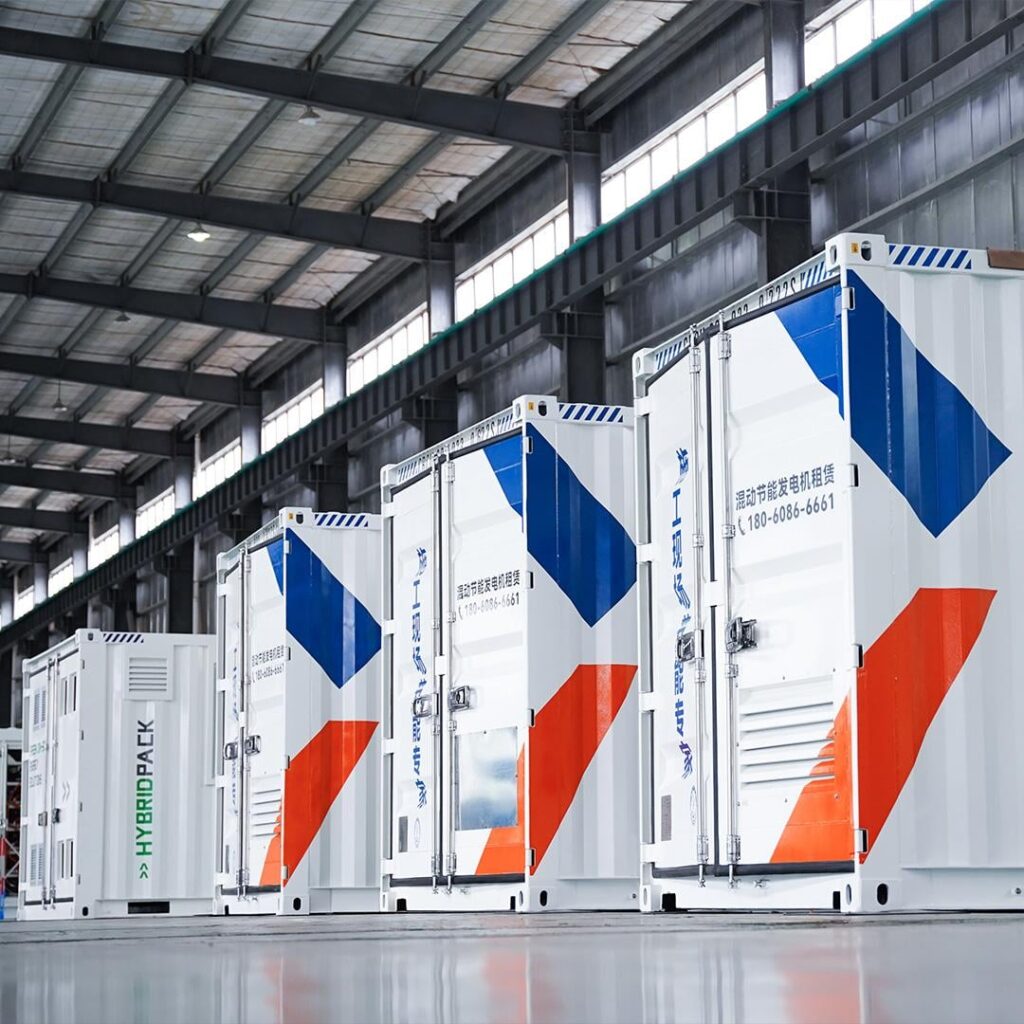
Operational Integration and Logistics
One of the common hesitations for rental companies is the perceived complexity of adding high-tech batteries to a fleet of rugged diesel engines. However, the technology has matured. Manufacturers like Foxtheon design their systems specifically for the rough-and-tumble world of equipment rental.
The “Plug and Play” Advantage
Modern BESS units designed for rental are not fragile laboratory equipment. They are housed in robust, weatherproof containers with reinforced lifting points, built to be dragged through mud and lifted by cranes.
Crucially, the integration is seamless. Advanced BESS units are inverter-agnostic and can easily pair with existing diesel generators. They feature intelligent Energy Management Systems (EMS) that automatically detect when to start and stop the generator without complex programming.
Rightsizing Your Fleet
Another operational benefit is the ability to “rightsize” your equipment. In a traditional setup, if a site has a peak demand of 100kVA but an average load of 20kVA, you are forced to rent a 100kVA generator. That generator will spend most of its life running inefficiently.
With a hybrid setup, the BESS handles the peak demand (the “surge”). This means you might be able to rent a 40kVA generator paired with a battery to do the same job. This frees up your larger generators for heavier industrial applications, effectively increasing the capacity of your fleet without buying more engines.
Overcoming the Education Barrier
To successfully add BESS to generator rental fleet operations, the hardware is only half the battle. The other half is education—both for your sales team and your customers.
Training the Sales Team
Your sales representatives need to understand that they aren’t just renting a box; they are selling an energy solution. They need to know how to analyze a customer’s load profile to recommend the right battery-generator combination.
If a salesperson simply adds a battery to a quote without explaining the fuel savings or the silent operation benefits, the customer will only see the higher rental price. Successful adoption requires a consultative sales approach.
Managing Customer Expectations
Customers need to understand how the system works. They need to know that the generator turning off is a good thing, not a sign of failure. Providing clear, simple user manuals and on-site orientation is critical.
Fortunately, modern systems provide remote monitoring. Fleet managers can log in and see exactly how the system is performing, allowing them to troubleshoot issues proactively or show the customer data proving the fuel savings.
The Role of Smart Technology and Data
Data is the unsung hero of the hybrid rental fleet. Traditional generators are often “dumb” assets—you send them out and hope they come back working. Smart BESS units act as the brain of the power operation.
Predictive Maintenance
Because the BESS is constantly monitoring the load and the generator’s output, it gathers valuable data. It can alert the rental company if the generator is failing to start, if the voltage is fluctuating, or if the battery cells need balancing.
This allows for predictive maintenance. Instead of sending a mechanic to a site on a schedule, you send them when the data says it’s necessary. This efficiency reduces overhead costs and keeps the equipment billable.
Brands Leading the Way
Companies like Foxtheon are integrating sophisticated telematics into their storage solutions. This connectivity allows rental companies to track asset location, usage hours, and carbon savings in real-time. This data can be packaged into reports for customers, further validating the value of the rental.
The rental industry is not static. As technology advances and market demands shift towards sustainability and efficiency, the “diesel-only” model is becoming obsolete. The decision to add BESS to generator rental fleet inventories is a strategic move to future-proof your business.
It solves the age-old problems of wet stacking and high fuel consumption. It opens up new markets in urban centers and events. It helps your clients meet their environmental targets while saving them money on operational costs.
While the transition requires investment and training, the long-term ROI is undeniable. By partnering with innovative manufacturers like Foxtheon, rental companies can deploy robust, intelligent energy storage solutions that withstand the rigors of the job site. The future of temporary power is hybrid, and the time to adapt is now.
Frequently Asked Questions (FAQ)
Q1: Will adding a BESS to my fleet complicate my logistics and transport?
A1: Not necessarily. Rental-grade BESS units are designed with mobility in mind. They often feature standard forklift pockets and lifting eyes, similar to a standard generator. While they are heavy, their compact footprint often allows them to be transported on the same truck as the generator they are pairing with, minimizing additional transport costs.
Q2: How do I determine which size BESS to pair with a generator?
A2: Sizing depends on the load profile of the application. The goal is to have enough battery capacity to handle low-load periods for a significant amount of time (e.g., overnight) and enough power output (kW) to handle peak surges. Most manufacturers provide sizing software or consultancy to help you match the right BESS to your existing generator sizes (e.g., a 60kWh battery for a 100kVA generator).
Q3: Does the BESS require specialized technicians for maintenance?
A3: Routine maintenance for a BESS is actually much simpler than for a diesel engine as there are no moving parts, fluids, or filters to change. However, your technicians will need high-voltage safety training. Any internal repair to the battery modules or inverter should be handled by the manufacturer or certified specialists, but general fleet techs can handle deployment and external inspections.
Q4: Can I add BESS to generator rental fleet units that are older models?
A4: Yes, BESS units can usually be retrofitted to work with older generators. The connection is typically made via the AC output. However, to get full “automatic start/stop” functionality where the battery controls the generator, the generator must have a remote start capability (usually a two-wire start). Most rental generators manufactured in the last 10-15 years have this feature.
Q5: What is the typical ROI timeline for a rental BESS unit?
A5: The Return on Investment varies based on utilization rates and rental pricing. However, because hybrid units command a higher weekly rental rate and incur lower maintenance costs, many rental companies report an ROI between 18 to 30 months. The lifespan of a high-quality LFP (Lithium Iron Phosphate) battery can exceed 10 years, offering a long period of profitability after the initial payback.