
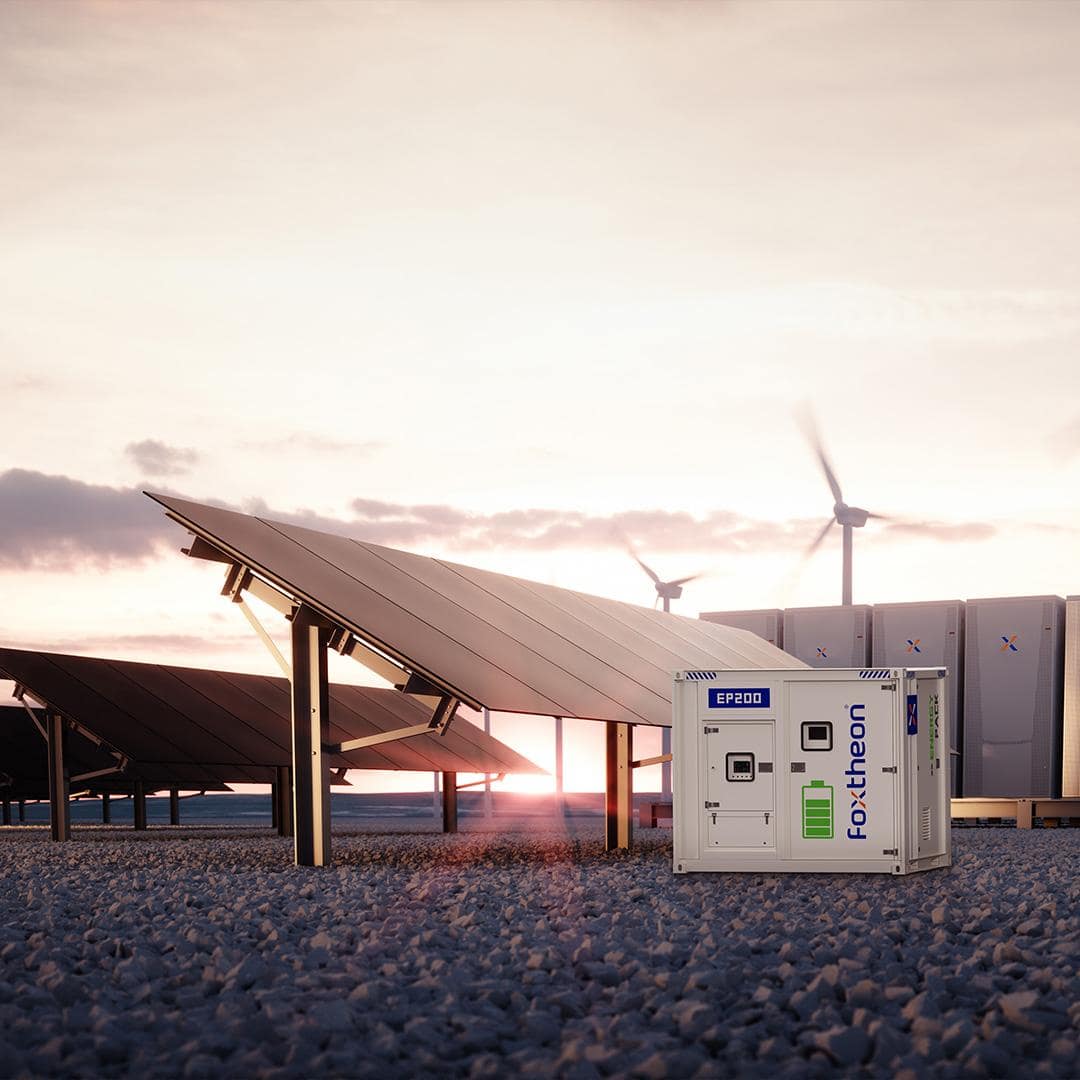
The grid is changing. We are moving away from centralized fossil fuel generation toward a decentralized, renewable-heavy future. For businesses and homeowners alike, this shift presents both an opportunity and a challenge. The opportunity lies in energy independence and cost savings; the challenge is selecting the right hardware to make it happen. This is where finding a reliable energy storage manufacturer becomes the most critical step in your journey.
With hundreds of new players entering the market every year, distinguishing between a generic assembler and a high-quality engineering firm is difficult. You aren’t just buying a battery; you are investing in a system that needs to operate safely for a decade or more. Whether you are a solar installer, a distributor, or a business owner looking to secure your power supply, understanding the manufacturing landscape is essential.
In this post, we will look at the specific criteria that separate top-tier producers from the rest of the pack. We will explore safety standards, supply chain reliability, and the rise of smart technologies. Along the way, we will touch on how brands like Foxtheon are positioning themselves to meet these evolving international demands with robust, smart energy solutions.
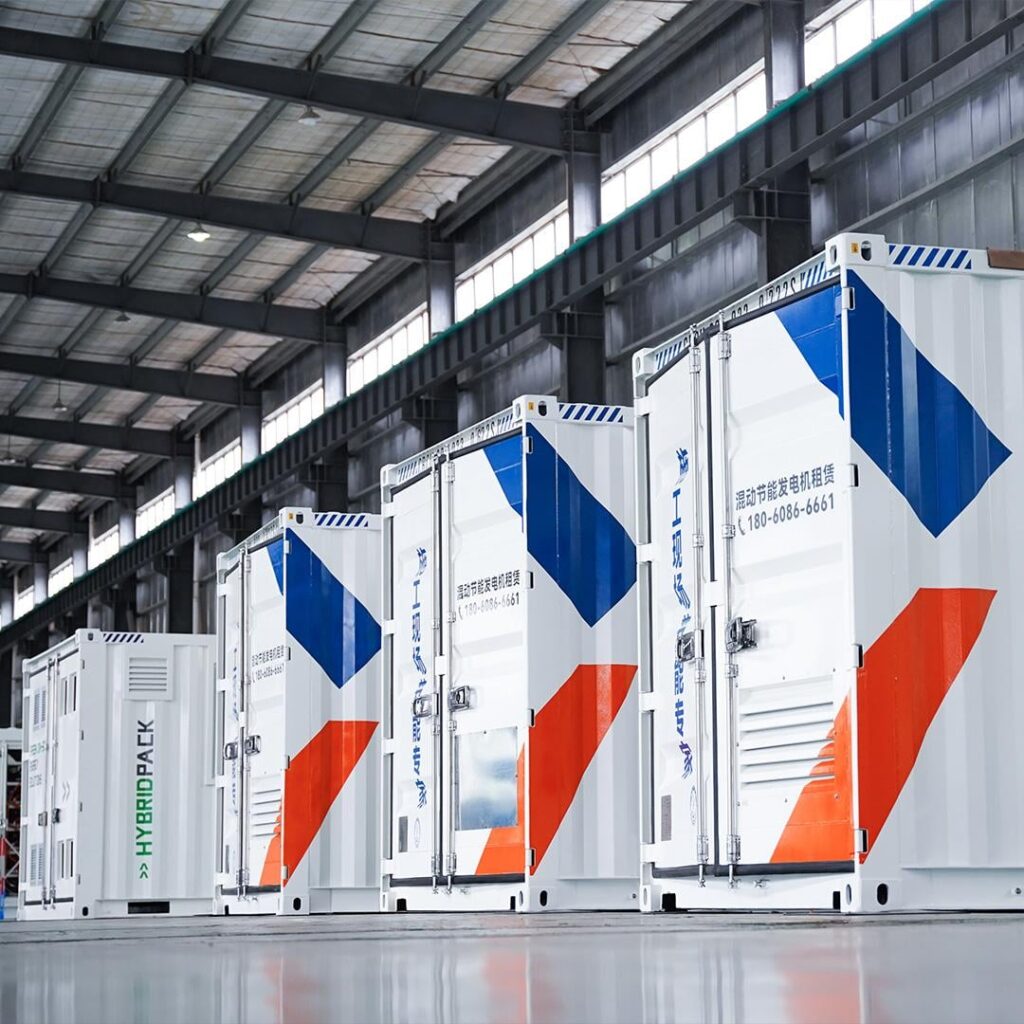
The Role of an Energy Storage Manufacturer in the Modern Grid
An energy storage manufacturer does more than just stack lithium cells into a metal box. Today, the role involves complex system integration. Manufacturers are now technology partners that bridge the gap between variable renewable energy sources—like solar and wind—and the rigid demands of the electrical grid.
The market is shifting toward “Smart Energy Solutions.” This means the hardware must communicate intelligently with the grid, the solar array, and the user’s consumption patterns. A manufacturer that focuses solely on hardware without considering the software (Energy Management Systems or EMS) is already behind the curve.
When evaluating a supplier, look at their track record in different environments. Are their systems deployed in harsh climates? Do they support weak grids? These factors indicate engineering maturity.
Key Technologies Driving the Industry
To make an informed decision, you need to understand what is happening inside the box. The technology is moving fast, and buying outdated tech is a real risk.
Lithium Iron Phosphate (LiFePO4) Dominance
While Nickel Manganese Cobalt (NMC) batteries were popular for years due to high energy density, the industry has largely pivoted to Lithium Iron Phosphate (LFP). LFP offers superior thermal stability and a longer cycle life. A reputable energy storage manufacturer will likely prioritize LFP for stationary storage applications because safety and longevity outweigh the slight weight advantage of other chemistries.
Hybrid Inverter Integration
The days of buying separate inverters and batteries are fading. All-in-one or “hybrid” systems are becoming the standard. These systems reduce installation time and minimize compatibility issues. Manufacturers who design their own inverters alongside their battery modules often provide a smoother user experience and better efficiency.
Evaluating Manufacturing Capabilities and Quality Control
How a product is built matters just as much as the design on paper. When vetting a supplier, you need to look at their production lines.
Automation and Precision
Manual assembly in battery pack production introduces human error. The best manufacturers utilize highly automated production lines. Automation ensures that every weld, every connection, and every thermal sensor is placed with consistent precision. This consistency is vital for the long-term performance of high-voltage battery systems.
Supply Chain Stability
The last few years have taught us that a broken supply chain can bankrupt a project. A strong energy storage manufacturer has vertical integration or secured long-term contracts for raw materials (especially lithium and battery cells). If a manufacturer cannot guarantee delivery timelines, their technical specs don’t matter.
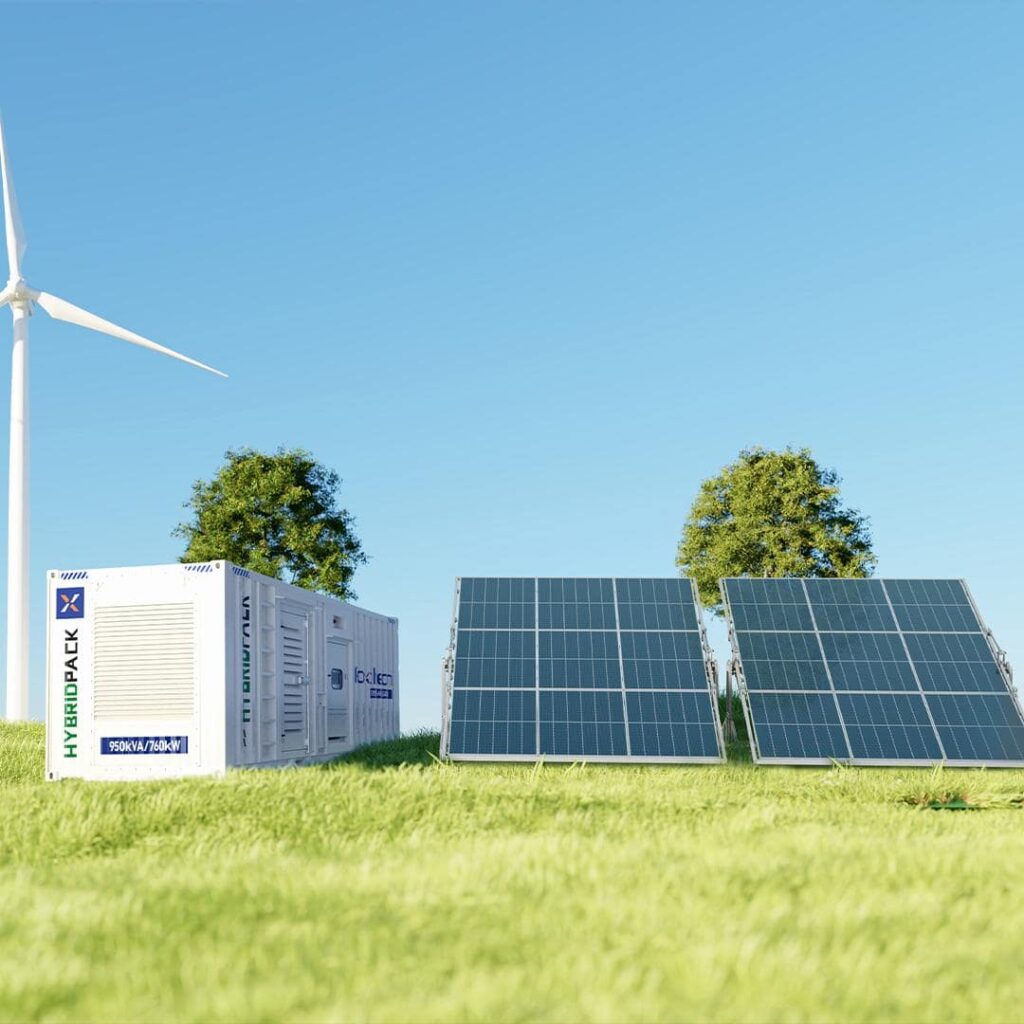
Safety Standards: The Non-Negotiable Factor
Safety is the single biggest concern for installers and end-users. Thermal runaway events, while rare, are high-profile and damaging.
You should never work with a manufacturer that skips on international certifications. Look for the following standards:
UL 9540 / UL 1973: Essential for the North American market.
IEC 62619: The standard for safety requirements for secondary lithium cells.
UN 38.3: Required for the safe transport of lithium batteries.
A manufacturer that views these certifications as a marketing checklist rather than a safety baseline should be avoided. Top-tier companies invest millions in their own testing labs to push their products beyond these minimum requirements before sending them for third-party certification.
The Importance of Smart Energy Management Systems (EMS)
Hardware is the body, but the EMS is the brain. As energy prices fluctuate and “Time-of-Use” tariffs become common globally, the software controlling the battery is what generates the ROI (Return on Investment).
A competent energy storage manufacturer will offer an integrated app or cloud platform. This platform should allow for:
Peak Shaving: Automatically discharging the battery when grid prices are highest.
Self-Consumption: Prioritizing solar power usage over grid power.
Remote Diagnostics: allowing installers to troubleshoot issues without rolling a truck to the site.
Companies like Foxtheon have recognized this shift. By integrating intelligent control logic directly into their hardware, they allow users to maximize efficiency without needing to be energy experts. This seamless integration of hybrid technology and smart management is what the international market currently demands.
Residential vs. Commercial & Industrial (C&I) Solutions
The needs of a suburban home are vastly different from a factory. However, many manufacturers try to force a “one size fits all” approach.
Residential Needs
Homeowners prioritize aesthetics, silence, and ease of use. Modular designs are popular here, allowing a homeowner to start with 5kWh and expand to 20kWh if they buy an electric vehicle later. The interface needs to be consumer-friendly.
C&I Requirements
Commercial clients care about power density and demand charge management. Commercial systems often need to support high-voltage 3-phase power. An energy storage manufacturer focusing on this sector needs robust cooling systems (often liquid cooling) to handle the heat generated during rapid charge/discharge cycles required by industrial machinery.
After-Sales Support and Warranty Structures
A warranty is only as good as the company standing behind it. In the solar and storage industry, we often see “paper warranties”—promises of 10 or 15 years from companies that have only existed for two.
When reading the fine print, check the “Throughput Warranty.” Some manufacturers warrant a number of years, but limit the total energy throughput (MWh) so severely that the warranty is effectively useless for heavy daily users.
Furthermore, consider the support infrastructure. Does the manufacturer have local support teams? If you have a technical issue in Europe or the US, but the support team is only available during Asian business hours, your downtime increases significantly. Localized service centers are a hallmark of a committed global player.
Sustainability and End-of-Life Recycling
As the volume of deployed batteries grows, so does the conversation around recycling. A responsible energy storage manufacturer designs products with the end in mind. This includes using designs that are easy to dismantle so that valuable metals like lithium, copper, and aluminum can be recovered.
European regulations (like the EU Battery Regulation) are setting strict standards on the “Battery Passport,” which tracks the carbon footprint and material sourcing of a battery. Manufacturers who are proactive about these regulations are safer long-term partners than those ignoring environmental compliance.
How Foxtheon Fits the International Standard
Throughout this guide, we have emphasized the importance of innovation, hybrid technology, and robust manufacturing. This is where a brand like Foxtheon enters the conversation. In the crowded field of energy solutions, they have carved a niche by focusing on the convergence of green energy and smart technology.
Their approach typifies the modern requirement for an energy storage manufacturer: flexible solutions that cater to both portable power needs and larger residential or commercial setups. By prioritizing stable chemistries and intelligent management systems, they address the core pain points of the modern user—reliability and ease of use.
Selecting the right partner for your energy storage needs is not a decision to be taken lightly. The market is maturing, and the gap between high-quality engineering and budget assembly is widening.
To recap, you should focus on:
Chemistry: LFP is the current standard for safety and life.
Intelligence: The software (EMS) is just as important as the battery cells.
Certifications: Never compromise on safety standards like UL and IEC.
Bankability: Choose a manufacturer with the financial stability to honor their long-term warranties.
Whether you are looking at established giants or agile innovators like Foxtheon, the goal remains the same: finding a solution that offers energy security, financial savings, and safety. As we move deeper into 2025, the manufacturers who succeed will be those who view themselves not just as hardware sellers, but as service providers for a smarter, greener grid.
Frequently Asked Questions (FAQ)
Q1: What is the average lifespan of a battery from a reputable energy storage manufacturer?
A1: Most high-quality stationary storage systems using Lithium Iron Phosphate (LFP) chemistry are rated for 6,000 to 8,000 cycles. In typical daily use (one charge and discharge per day), this translates to a lifespan of roughly 10 to 15 years before the battery capacity degrades to 80% of its original state.
Q2: How do I know if an energy storage manufacturer is reliable?
A2: Look for three main indicators: third-party safety certifications (such as UL 9540 or IEC 62619), a clear presence in your local market (local support offices), and a “bankability” report or financial track record that suggests they will be around to honor their warranty in the future.
Q3: Can I mix batteries from different manufacturers?
A3: generally, no. It is strongly advised not to mix battery brands or even different models from the same manufacturer in a single system. Differences in voltage, capacity, and Battery Management System (BMS) logic can lead to system inefficiencies, safety hazards, and voided warranties.
Q4: What is the difference between AC-coupled and DC-coupled storage systems?
A4: A DC-coupled system connects the battery directly to the solar panels before converting the energy to AC for the home, which is more efficient for charging from solar. An AC-coupled system connects to the home’s AC wiring, making it easier to retrofit onto existing solar installations. A good energy storage manufacturer often offers solutions for both scenarios.
Q5: Why is thermal management important in energy storage systems?
A5: Batteries generate heat when charging and discharging. If this heat is not managed, it degrades the battery cells faster and reduces the system’s lifespan. In extreme cases, poor thermal management can lead to safety risks. High-end manufacturers use advanced air or liquid cooling technologies to keep the cells at an optimal operating temperature.