
The global equipment rental market is currently undergoing a massive transformation. As industries move away from traditional fossil fuels and toward decentralized, green energy, the standard “rent-and-drop” model is becoming obsolete. For rental companies, the challenge is no longer just about having the largest fleet, but about how they provide value in a landscape focused on efficiency and carbon reduction. In this evolving environment, finding innovative ways to differentiate equipment rental business strategies is the only way to avoid a “race to the bottom” on pricing.
To stand out, modern rental firms are looking beyond the iron. They are integrating smart software, sustainable power alternatives, and consultancy-based services. Companies like Foxtheon are helping to facilitate this shift by providing advanced energy storage solutions that allow rental houses to offer more than just a generator—they offer a comprehensive power management ecosystem.

The Move from Commodity to Solution Provider
For decades, the rental industry treated machinery as a commodity. Whether it was a backhoe or a 100kVA generator, the primary differentiators were price and availability. However, in the smart energy sector, the equipment is only half of the equation.
Today’s clients, particularly in construction and large-scale events, are under pressure to report on their carbon footprint and reduce noise pollution. When you transition from being a “hardware supplier” to a “solution provider,” you immediately change the value proposition. You are no longer selling machine hours; you are selling uptime, compliance, and efficiency.
Understanding Client Pain Points
The first step to stand out is identifying what keeps your customers awake at night. Is it rising fuel costs? Is it the risk of fines due to noise ordinances in urban areas? Or is it the logistical headache of frequent refueling trips to remote sites?
By addressing these specific issues with hybrid power systems or mobile battery units, a rental company proves it understands the operational reality of the field. This level of empathy and expertise is a powerful tool to differentiate equipment rental business models from local competitors who only offer standard diesel options.
Strategic Ways to Differentiate Equipment Rental Business Operations
Standing out requires a multi-faceted approach. It involves a blend of the right technology, impeccable service, and a forward-thinking brand identity. Below are the key pillars that help a business carve out a unique niche in the international smart energy market.
Integrating Smart Monitoring and IoT
Data is the new currency in equipment rental. By equipping your fleet with IoT sensors, you provide your clients with transparency they’ve never had before. Imagine a customer being able to see exactly how much fuel they saved by using a battery-hybrid setup versus a standalone generator.
Smart monitoring allows for predictive maintenance. Instead of waiting for a machine to fail on-site, your team can see when a battery cell is underperforming or when a system needs a firmware update. This proactive approach reduces downtime, which is the single most important metric for any project manager.
Leveraging Green Technology as a USP
Sustainability is no longer a buzzword; it is a contractual requirement in many parts of the world. Rental companies that continue to rely solely on internal combustion engines will find themselves locked out of high-value government and corporate contracts.
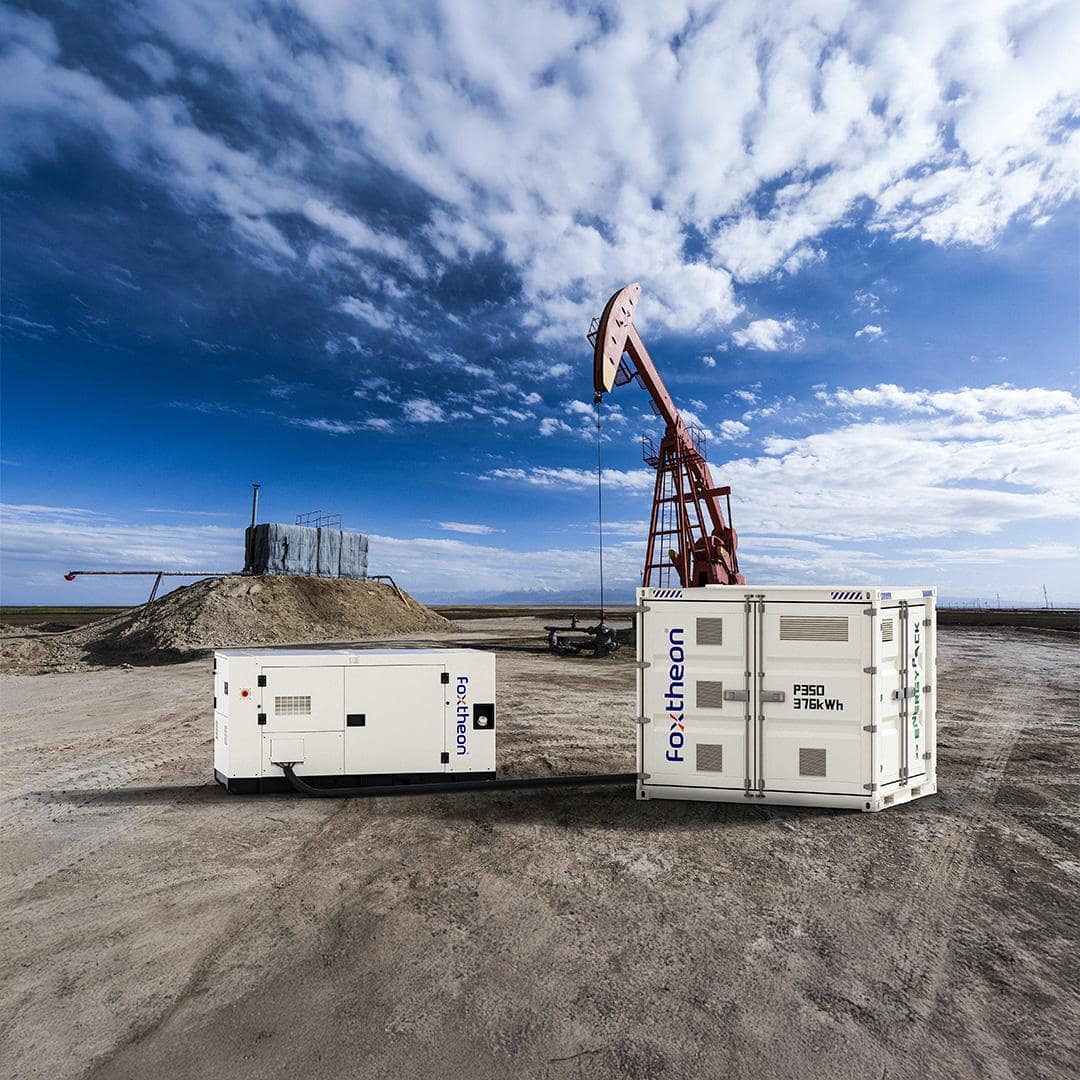
Introducing mobile energy storage systems (ESS) into your fleet allows you to offer “Silent Power” and “Zero-Emission” zones. This is where Foxtheon excels, providing modular and rugged battery solutions that can be paired with existing diesel fleets to create hybrid systems. This transition not only helps the environment but also positions your brand as a leader in the energy transition.
The Role of Technical Expertise and Consulting
In the complex world of smart energy, customers often don’t know exactly what they need. They might know they have a 500kW peak load, but they don’t understand how a battery-assisted system could allow them to use a much smaller, more efficient generator.
Becoming an Energy Consultant
To truly differentiate equipment rental business services, your sales team must act as consultants. They should be able to analyze a client’s power profile and recommend a setup that optimizes fuel consumption.
Providing a “Power Audit” before a rental begins can be a game-changer. If you can prove that your proposed setup will save the client 30% in operational costs, the daily rental rate of the equipment becomes secondary to the overall savings. This shifts the conversation from “How much does it cost?” to “How much will it save me?”
Specialized Training for On-site Teams
Modern energy equipment is more sophisticated than the mechanical tools of the past. Providing specialized training for your clients’ on-site operators ensures the equipment is used correctly. This reduces the risk of user-error damage and ensures the client actually sees the efficiency benefits you promised.
Operational Excellence and Fleet Flexibility
Logistics and availability are the traditional backbones of rental, but they can still be used as points of differentiation. In the smart energy sector, flexibility is paramount.
Modular Systems and Scalability
Project needs change. A construction site might start with minimal power requirements and scale up as heavy machinery arrives. Offering modular power solutions—where battery packs or generators can be added or removed easily—provides the client with a bespoke experience.
Foxtheon‘s range of energy products is designed with this modularity in mind. By offering equipment that can be easily daisy-chained or integrated with solar arrays, a rental business can adapt to the shifting needs of a project without having to swap out the entire fleet.
Rapid Response and Reliability
In the energy world, a power outage is a catastrophe. A rental company that guarantees a two-hour response time for any technical issue will always beat a cheaper competitor with poor support. Reliability is built through a combination of high-quality hardware and a dedicated service team. Investing in a robust service infrastructure is one of the most sustainable ways to build long-term loyalty.
Marketing Your Difference in the Digital Age
If you have a unique service but nobody knows about it, does it really exist? Digital marketing and SEO play a huge role in how modern B2B buyers find their partners.
Case Studies and Real-World Evidence
Instead of just listing equipment specs, show the results. Publish case studies that highlight how your hybrid energy solution helped a music festival run silently or how it helped a construction firm meet its ESG goals. Real-world data is far more convincing than a sales brochure.
Building a Brand Around “Power Intelligence”
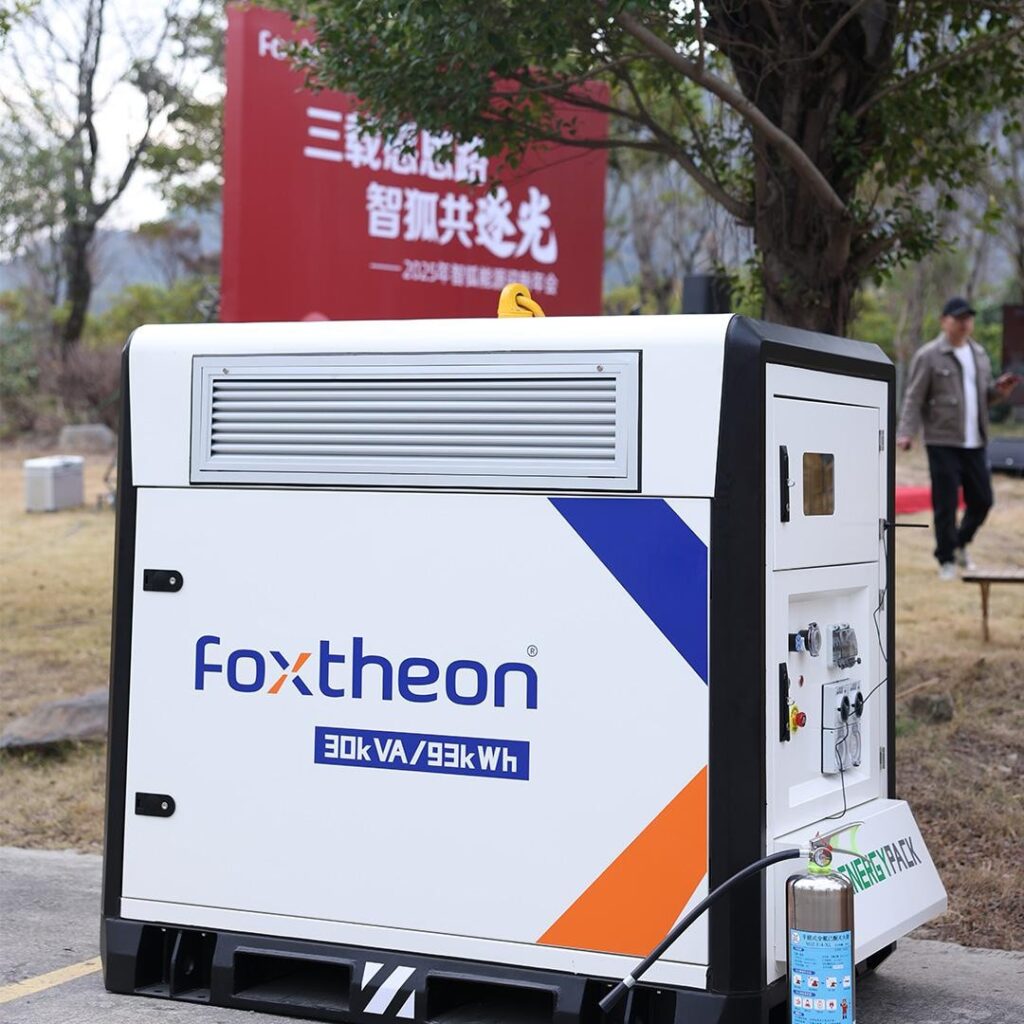
Your branding should reflect the sophistication of your equipment. Move away from “Greasy Gears” imagery and toward “Smart Energy” visuals. Your website, social media, and even the decals on your machines should signal that you are a high-tech partner in the energy space.
Financial Innovation in Rental Models
Sometimes, the best way to differentiate equipment rental business structures is through the “how” of the transaction, rather than the “what.”
Power-as-a-Service (PaaS)
Instead of charging a daily rate for a battery or a generator, some leading firms are moving toward a “Power-as-a-Service” model. In this setup, the client pays for the actual energy consumed (kWh) or a flat fee for guaranteed uptime. This aligns the rental company’s interests with the client’s; both parties want the most efficient energy delivery possible.
Flexible Lease-to-Own and Long-term Options
For long-term infrastructure projects, traditional short-term rental rates can become prohibitively expensive. Offering flexible, long-term hybrid contracts—perhaps with an option to purchase the equipment at the end—can attract a different tier of clientele.
Leading the Charge in Energy Rental
The equipment rental industry is at a crossroads. Those who continue to compete solely on the price of diesel machinery will struggle as regulations tighten and fuel costs remain volatile. The path to success lies in the ability to provide intelligent, sustainable, and data-driven solutions.
By integrating advanced hardware from partners like Foxtheon, focusing on consultative selling, and embracing a solution-oriented mindset, you can effectively differentiate equipment rental business operations from the crowd. Ultimately, the goal is to become an indispensable partner in your customers’ success, providing the reliable and clean energy they need to power the world of tomorrow.
Frequently Asked Questions (FAQ)
Q1: Why is “commodity pricing” a risk for equipment rental companies?
A1: When equipment is viewed as a commodity, customers choose solely based on the lowest price. This erodes profit margins and prevents the rental company from investing in newer, better technology. To differentiate equipment rental business models, companies must move toward value-based pricing, where they are paid for the efficiency and solutions they provide rather than just the iron itself.
Q2: How does energy storage technology help in differentiating my fleet?
A2: Most rental fleets are saturated with standard diesel generators. By adding battery storage systems, you can offer unique benefits like silent operation for nighttime work, reduced carbon emissions for “green” projects, and significant fuel savings. This allows you to bid on specialized contracts that your competitors cannot fulfill.
Q3: Is it difficult to train staff to manage smart energy systems like those from Foxtheon?
A3: While the technology is more advanced than a traditional engine, companies like Foxtheon design their systems with user-friendly interfaces and “plug-and-play” connectivity. Most technicians with a basic understanding of electrical systems can be quickly trained on how to deploy and monitor these units effectively.
Q4: Can small rental businesses compete with national chains through differentiation?
A4: Absolutely. Small businesses can often move faster and offer a more personalized, consultative service than large corporations. By specializing in a niche, such as “Zero-Emission Power for Urban Events,” a smaller firm can become the “go-to” expert in their region, allowing them to charge a premium for their specialized knowledge.
Q5: What is the most important data to show a client to prove ROI?
A5: The most impactful data is usually the reduction in “Total Cost of Energy.” This includes fuel savings, reduced generator maintenance costs (due to fewer run hours), and the avoidance of “demand charges” or “noise fines.” Providing a clear report showing these savings is the best way to justify a higher rental rate for smart energy equipment.