
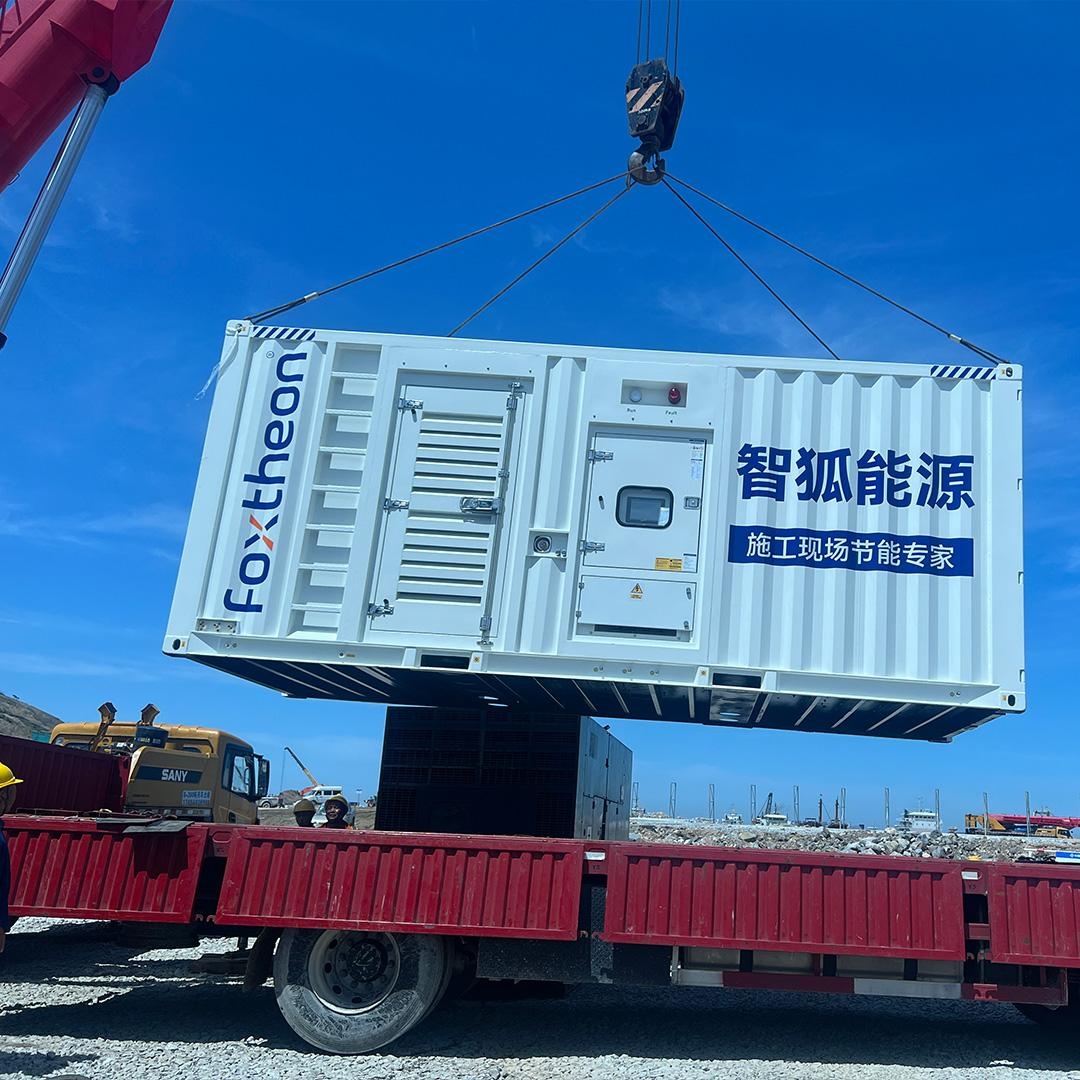
The global transition toward sustainable energy is no longer a distant goal; it is a current industrial reality. As businesses and governments move away from fossil-fuel-dependent temporary power, the demand for mobile battery energy storage systems has intensified. For those entering the rental sector, the primary concern is the financial viability of these assets. Specifically, understanding the BESS rental profit margin is essential for building a sustainable and scalable business model in the international energy landscape.
Unlike traditional equipment hire, energy storage involves a complex interplay between hardware longevity, energy market volatility, and operational efficiency. Companies like Foxtheon are at the forefront of this shift, providing intelligent energy solutions that help operators balance high upfront costs with long-term revenue generation. To succeed, one must look beyond the simple daily rental rate and analyze the entire lifecycle of the battery asset.
Analyzing the Economic Drivers of Battery Storage
The financial structure of a battery rental business differs significantly from that of diesel generator rentals. While a generator has a lower purchase price but high fuel and maintenance costs, a BESS unit represents a high capital expenditure (CapEx) with remarkably low operating expenses (OpEx). This fundamental difference is what dictates the BESS rental profit margin over a five-to-ten-year period.
To achieve a healthy margin, an operator must focus on utilization rates. A battery sitting in a warehouse is a depreciating asset that yields zero return. However, because BESS units are silent and emission-free, they can be deployed in urban environments, film sets, and indoor events where generators are banned. This expanded market access is a key driver in keeping the equipment in the field.
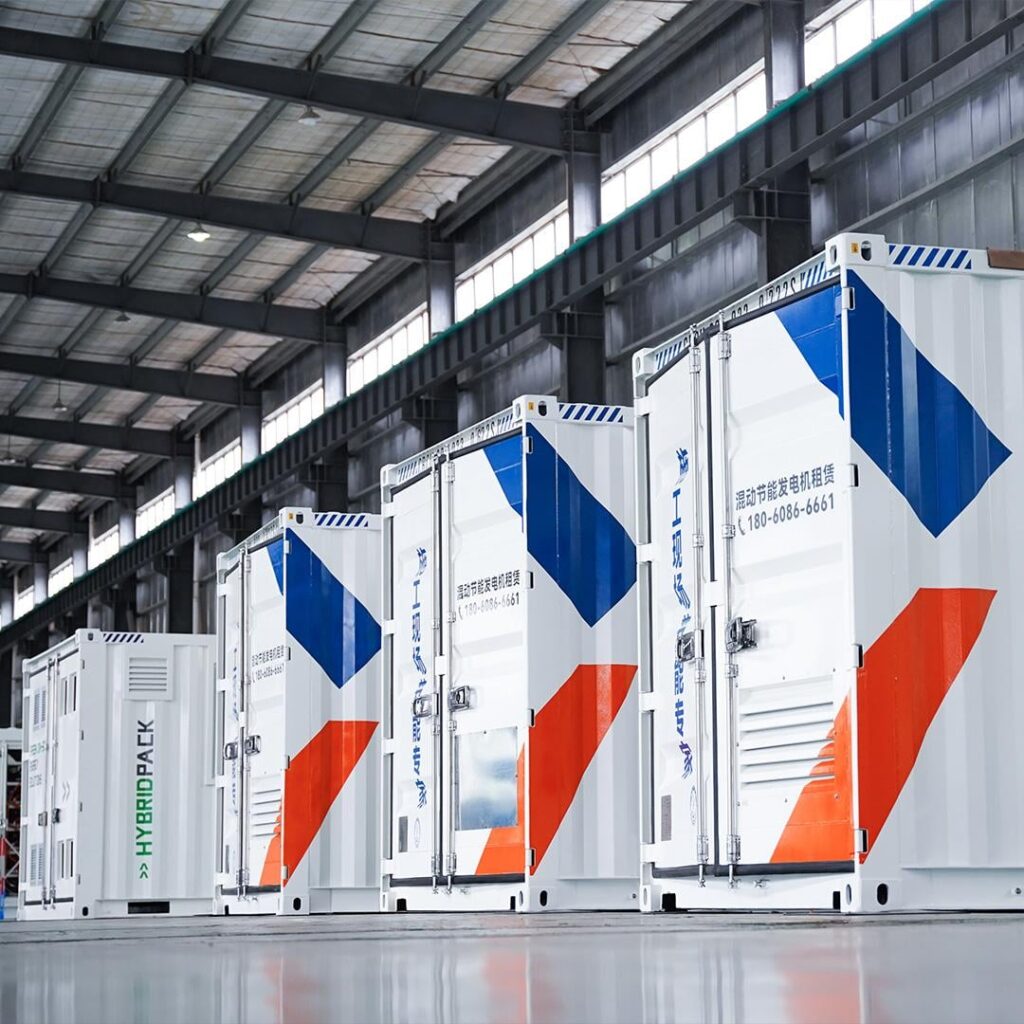
The Impact of Battery Chemistry on Long-Term Margins
Not all batteries are created equal. The choice between Lithium Iron Phosphate (LiFePO4) and Nickel Manganese Cobalt (NMC) will directly impact your bottom line. LiFePO4, often used by industry leaders like Foxtheon, is widely preferred for rental applications due to its safety profile and superior cycle life.
A higher cycle life means the unit can be charged and discharged more times before the capacity drops below a usable level. If a battery lasts 6,000 cycles instead of 3,000, the cost per cycle is effectively halved. This longevity is the most significant contributor to a robust BESS rental profit margin, as it allows the owner to recover the initial investment and generate profit for several additional years.
Understanding Depth of Discharge (DoD)
Operating a battery at 100% depth of discharge consistently can accelerate degradation. Smart operators often limit DoD to 80% or 90% to preserve the “State of Health” of the cells. While this might seem like it reduces the amount of energy you can sell per day, it significantly extends the asset’s lifespan.
Preserving the battery’s health ensures that the resale value—or “second-life” value—remains high. In the energy storage world, the profit isn’t just made during the rental period; it is also realized when the battery is eventually sold for stationary grid storage after its mobile rental life is over.
Revenue Streams Beyond Simple Equipment Hire
To truly optimize the BESS rental profit margin, companies are moving toward multi-layered revenue models. Simply charging a daily fee is the baseline. Sophisticated operators are now looking at “Energy as a Service” (EaaS).
One lucrative avenue is peak shaving. Clients with high peak-demand charges from their utility providers can use a rented BESS to offset those peaks, saving thousands on their electricity bills. A rental company can charge a premium for this service, essentially sharing the savings with the client.
Another area is grid services. When a rental unit is not deployed at a client site, it can be plugged into the grid to provide frequency regulation or demand response services. This ensures that the asset is generating revenue even during “downtime” between rental contracts.
Operational Efficiency and the Role of Smart Monitoring
The “intelligent” part of intelligent energy solutions refers to the software. Modern BESS units are equipped with advanced Battery Management Systems (BMS) and IoT connectivity. These tools allow operators to monitor every unit in their fleet from a central dashboard.
Remote monitoring reduces the need for on-site technicians, which is a major drain on profit. If a system is underperforming or requires a firmware update, it can often be managed remotely. Foxtheon integrates these types of smart features into their hardware, allowing rental companies to maintain high performance with minimal physical intervention.
Minimizing Logistics and Setup Costs
Logistics can be a margin-killer in the rental industry. BESS units are heavy and require specialized transport. However, because they do not require fuel deliveries or constant oil changes, the on-site operational costs are much lower than those of diesel units.
By optimizing the delivery routes and using units that are designed for easy “plug-and-play” installation, companies can reduce the labor hours required for each deployment. The faster a unit is set up and running, the sooner the rental clock starts ticking.
Niche Markets with Premium Pricing
Finding the right niche is critical for maintaining a high BESS rental profit margin. Certain industries are willing to pay a premium for the benefits of battery storage. For example, the film and television industry values silence. A silent BESS allows sound recording to happen without the interference of a noisy generator.
Construction sites in “Green Zones” are another high-margin opportunity. In cities where strict CO2 and NOx emissions standards are enforced, contractors have no choice but to use electric or hybrid power solutions. Being the primary provider of clean energy in these regulated zones allows for stronger pricing power.
Maintenance and Risk Management
While maintenance is lower than that of mechanical engines, it is not non-existent. Cooling systems, fans, and power electronics need regular inspections. A failure in the cooling system can lead to overheating, which permanently damages the cells and destroys your profit margin.
Insurance is another factor to consider. As the technology is still relatively new to some insurers, premiums can vary. Working with manufacturers that have high safety certifications (such as UL, CE, or UN38.3) can help lower these insurance costs. Documenting a history of safe operation through data logs also provides leverage when negotiating lower premiums.

The Future: Scaling for Exponential Returns
The scalability of a BESS rental business is one of its most attractive features. Once the initial operational framework is in place—logistics, charging infrastructure, and monitoring software—adding more units to the fleet becomes progressively easier.
As you scale, the cost of hardware typically decreases due to volume discounts. Simultaneously, the brand recognition you build as a reliable provider of clean energy allows you to secure larger, long-term contracts with industrial clients. This stability is the ultimate goal for anyone looking to secure a long-term BESS rental profit margin.
By partnering with innovative manufacturers like Foxtheon, rental companies can ensure they are deploying the most efficient technology available. The combination of high-performance hardware and a data-driven business strategy creates a powerful engine for growth in the renewable energy sector.
Securing Your Place in the Energy Transition
The shift to battery storage is an inevitable part of the global energy evolution. While the initial costs are higher than traditional power solutions, the operational benefits and diverse revenue streams offer a compelling financial case. Maximizing the BESS rental profit margin requires a disciplined approach to asset management, niche market targeting, and the use of intelligent software.
As the market matures, the gap between traditional rental companies and high-tech energy solution providers will widen. Those who embrace the complexity of battery technology and leverage the strengths of partners like Foxtheon will find themselves at the top of a very profitable new industry.
Frequently Asked Questions (FAQs)
Q1: How does a BESS rental profit margin compare to a diesel generator rental margin?
A1: Initially, diesel generators might show higher margins due to lower purchase prices. However, when factoring in the rising cost of carbon taxes, fuel logistics, and frequent mechanical maintenance, BESS units often provide a higher net profit over their 8-to-10-year lifespan. The low OpEx of a battery system eventually outweighs the high CapEx.
Q2: What is the biggest risk to my profit margin in battery rentals?
A2: Battery degradation is the most significant risk. If the batteries are mistreated—for example, by being kept in extreme heat without proper cooling or being discharged too deeply—their lifespan will shorten. This reduces the number of years the asset can generate revenue, directly cutting into your total profit.
Q3: Can I increase my margin by using second-life batteries for rentals?
A3: Using second-life batteries (batteries retired from electric vehicles) can lower your initial CapEx significantly. However, they may have lower efficiency and shorter remaining lifespans. This model works best for low-intensity applications. For high-demand industrial rentals, new, high-quality cells are usually more profitable in the long run.
Q4: How much should I factor in for “energy throughput” costs?
A4: This depends on your local electricity rates. You must account for the cost of charging the units at your warehouse. Some companies pass this cost to the customer, while others include a certain amount of “free” energy in the rental price and charge for anything beyond that. Monitoring software is essential for tracking this usage accurately.
Q5: Are there government incentives that can improve my BESS rental profit margin?
A5: Yes, many regions offer tax credits, grants, or accelerated depreciation for “green” investments. These incentives can offset a significant portion of the initial purchase price, effectively lowering your break-even point and increasing your overall margin from day one.
Q6: What role does software play in maintaining profitability?
A6: Software is vital for “predictive maintenance.” By analyzing battery data, you can identify a potential cell failure before it happens. Preventing a breakdown in the field saves you from expensive emergency transport and repair costs, as well as the potential loss of a client’s trust.