
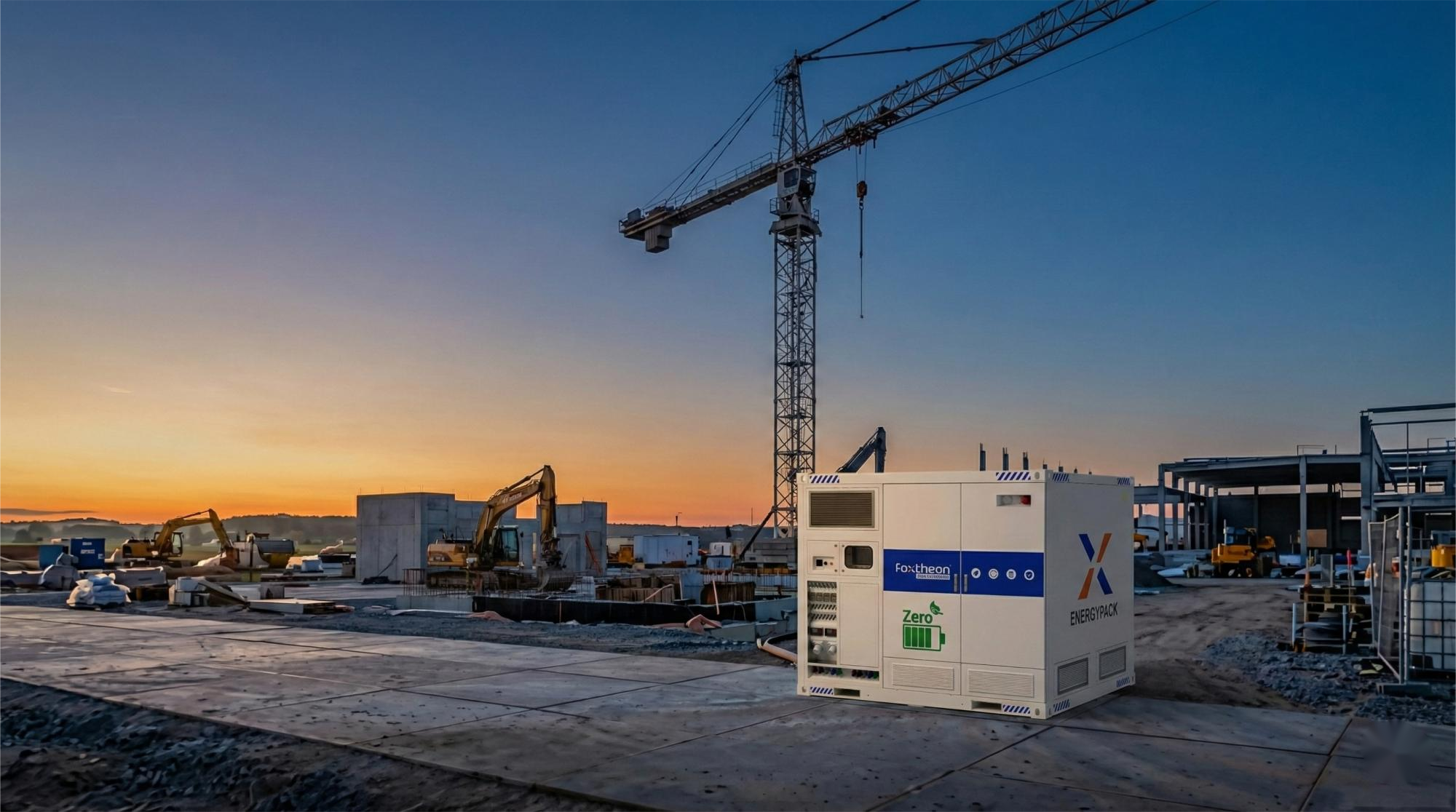
Managing power assets across dispersed locations is a logistical challenge. Whether you are running telecom towers in remote mountains or managing temporary power for construction sites, the cost of sending a technician to check a generator or reset a switch is astronomical.
The old way of doing things involves scheduled routes and reactive panic. Something breaks, and a truck rolls. This approach burns fuel, wastes skilled labor hours on driving, and increases the carbon footprint of your operation.
Modern energy solutions have shifted the focus. The goal now is to use intelligence and hybrid technology to reduce site visit for power maintenance. By integrating smart monitoring and reliable hardware, operators can solve problems without leaving their desks.
Brands like Foxtheon are at the forefront of this shift, providing the integrated hardware and software needed to turn physical check-ups into digital data points.
The High Cost of Physical Maintenance
When we talk about maintenance, we often only look at the cost of spare parts or the technician’s hourly rate. However, the hidden costs of travel often outweigh the actual repair work.
The “Truck Roll” Economics
Every time a vehicle leaves your depot, money is being spent. Fuel, vehicle wear and tear, and insurance all add up.
If a site is three hours away, a ten-minute fix becomes a six-hour expense. When you multiply this by hundreds of sites, the operational expenditure (OPEX) becomes a massive burden on the company’s bottom line.
Opportunity Cost of Skilled Labor
Technicians are hard to find. If your best electrical engineer is spending 80% of their day driving rather than fixing complex issues, you are losing value.
By finding ways to reduce site visit for power maintenance, you free up your skilled workforce to focus on high-level tasks, system planning, or fixing critical failures that actually require human hands.
Remote Monitoring Systems (RMS): The First Line of Defense
The most effective way to stop driving to sites is to see the site from your office. Remote Monitoring Systems (RMS) are no longer a luxury; they are a necessity for international smart energy solutions.
Moving From Reactive to Proactive
In the past, you didn’t know a generator had failed until the site went dark. This triggered an emergency, often requiring overtime pay and a rushed site visit.
With an RMS, you get real-time data. You can see fuel levels, battery voltage, and load consumption. If a parameter drifts out of the normal range, the system alerts you immediately.
Remote Control Capabilities
Seeing the data is good; acting on it is better. Advanced energy management systems allow for remote control.
Need to start a backup generator? You can do it from a dashboard. Need to reset a tripped inverter? Click a button. These simple remote actions directly reduce site visit for power maintenance by solving minor glitches that previously required a physical trip.
Hybrid Energy Solutions and Reduced Wear
One of the main reasons for site visits is the maintenance schedule of diesel generators. Generators are mechanical beasts that require oil changes, filter replacements, and general tuning every few hundred hours of runtime.
The Hybrid Advantage
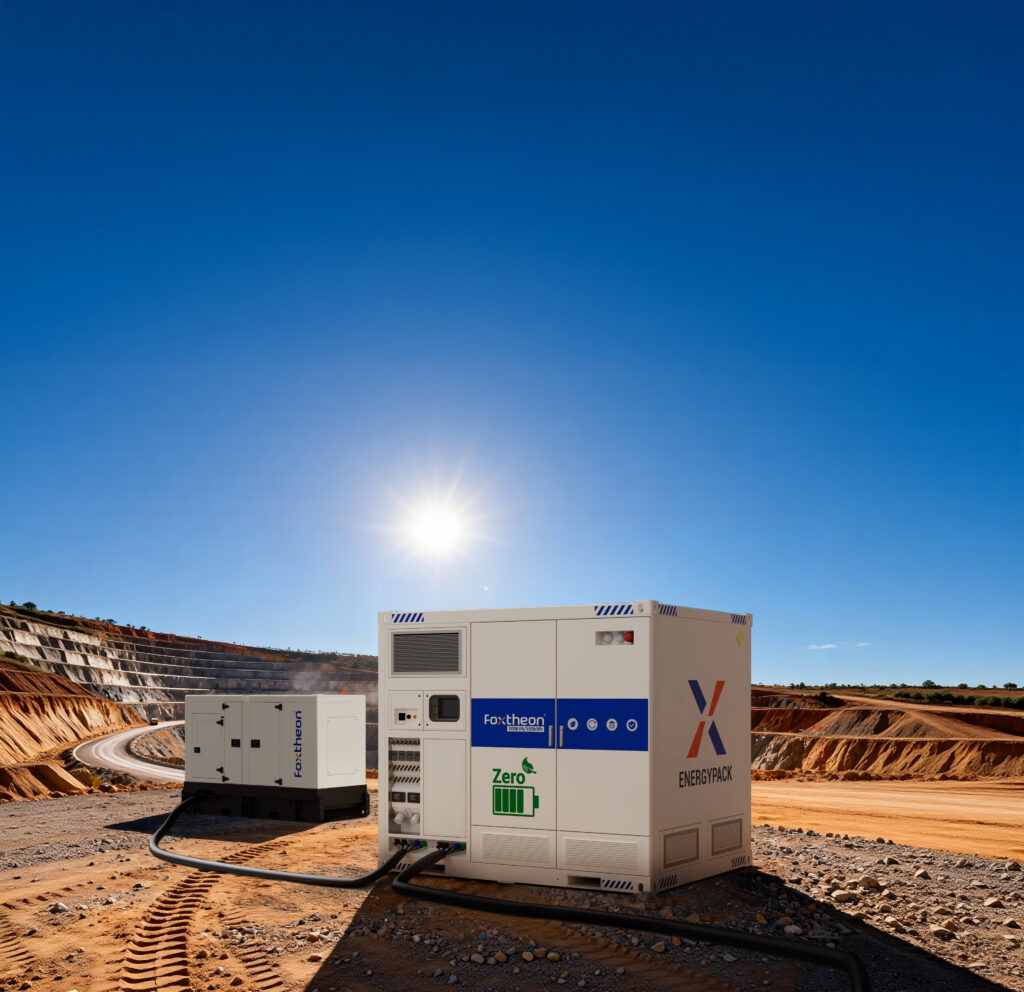
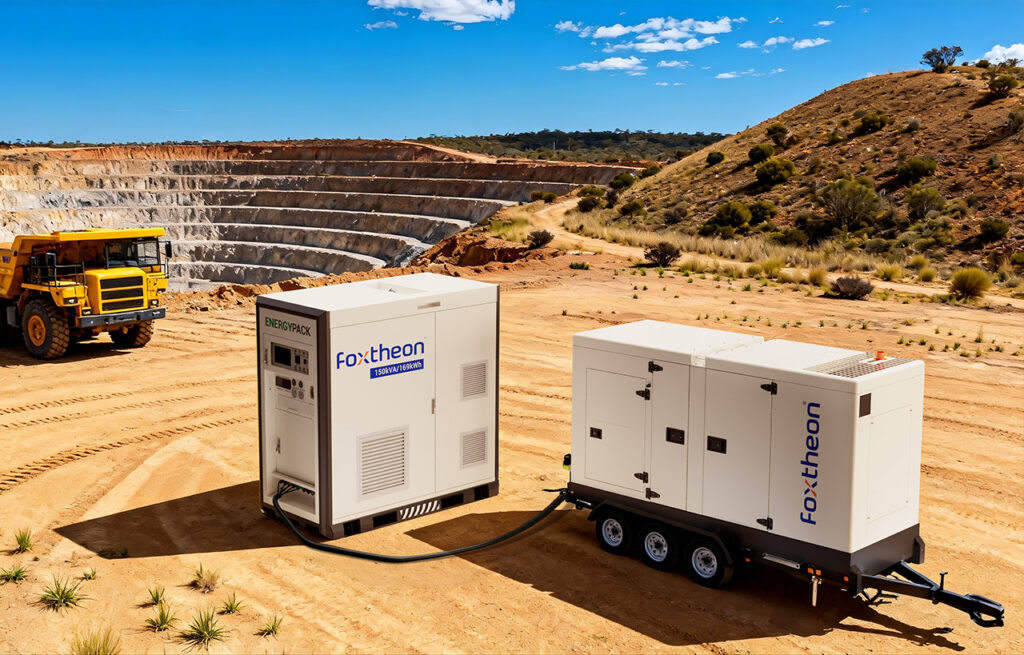
Hybrid energy solutions, which combine battery energy storage with diesel generators (and often solar), drastically cut generator runtime.
Instead of running the generator 24/7 to power a low load, the battery handles the load for the majority of the day. The generator only kicks in to recharge the battery.
Extending Service Intervals
If a generator runs for 4 hours a day instead of 24, the time between oil changes extends significantly.
If you used to visit a site every month for an oil change, a hybrid system might allow you to visit once every six months. This is a direct, quantifiable way to reduce site visit for power maintenance while also saving on fuel costs.
Companies like Foxtheon specialize in these hybrid storage systems. Their technology is designed to optimize the interplay between the battery and the engine, ensuring the generator runs as little as possible, which keeps your technicians off the road.
Predictive Maintenance: Data Over Schedule
Traditional maintenance is schedule-based. You go to the site because the calendar says it’s time, regardless of whether the equipment actually needs attention.
Leveraging AI and Big Data
Smart energy controllers collect massive amounts of data. Over time, this data reveals patterns.
For example, a slight drop in battery efficiency or a subtle change in generator temperature might indicate a developing issue. Predictive analytics can flag these trends before they become failures.
Just-in-Time Service
Instead of visiting on a rigid schedule, you visit only when necessary. The system tells you, “Component X will likely fail in two weeks.”
You can then bundle this repair with other necessary tasks, ensuring that every trip is maximized. This intelligence is crucial to reduce site visit for power maintenance effectively.
Durability and Modular Design
Software is powerful, but hardware durability is equally important. If the enclosure rusts or a cable connection vibrates loose, you still have to send a truck.
Built for Harsh Environments
Energy assets are often deployed in deserts, islands, or humid forests. The physical build quality determines how often things break.
High IP ratings (Ingress Protection) against dust and water are non-negotiable. If the equipment can survive a sandstorm without clogging, you save a trip to clean filters.
Modular Replacement
When a component does fail, how long does it take to fix? Modular design allows for “plug and play” repairs.
Foxtheon utilizes a modular approach in their energy storage systems. If a battery module has an issue, it can be swapped out quickly. This doesn’t eliminate the visit, but it reduces the time on site and the complexity of the repair, ensuring the technician gets it right the first time without needing a return trip.
The Environmental and Safety Impact
Reducing site visits isn’t just about money. It aligns with broader corporate goals regarding ESG (Environmental, Social, and Governance).
Lowering Carbon Emissions
Every mile not driven is CO2 not emitted. For companies with net-zero targets, reducing the fleet’s mileage is a quick win.
By using hybrid power to reduce generator runtime and using RMS to stop unnecessary travel, the overall carbon footprint of the operation drops significantly.
Improving Worker Safety
Driving is statistically one of the most dangerous activities employees undertake. This risk increases in remote areas with poor road infrastructure or extreme weather.
When you reduce site visit for power maintenance, you statistically reduce the likelihood of vehicle accidents and workplace injuries associated with remote travel.
Best Practices for Implementation
Transitioning to a remote-first maintenance model requires a strategy. You cannot simply install software and hope for the best.
Step 1: Audit Existing Assets
Identify which sites cause the most trouble. Is it the old generators? Is it sites with poor grid connections? Target these for upgrades first.
Step 2: Invest in Connectivity
Remote monitoring relies on data connection. Ensure your sites have reliable 4G/5G or satellite linkups. Without connection, the RMS goes blind, and you are back to physical visits.
Step 3: Train Your Team
Your technicians need to transition from mechanics to data analysts. Train them to interpret the dashboard alerts so they can diagnose issues before getting in the truck.
The energy industry is moving toward autonomy and intelligence. The days of sending a crew to a remote mountain just to flip a breaker are ending.
To stay competitive, operators must adopt technologies that reduce site visit for power maintenance. By combining Remote Monitoring Systems, hybrid energy storage, and predictive analytics, businesses can slash operational costs and improve system uptime.
Partners like Foxtheon provide the robust infrastructure and smart management tools necessary to make this transition seamless. By trusting in data and durable hardware, you can keep your power running and your trucks parked.
Frequently Asked Questions
Q1: How much can I save if I reduce site visit for power maintenance using remote monitoring?
A1: Savings vary by location and fleet size, but operators typically see a reduction in Operation & Maintenance (O&M) costs by 30% to 50%. This comes from reduced fuel for vehicles, less wear on generators (extending their lifespan), and lower labor costs associated with travel time.
Q2: Does remote monitoring work in areas with poor internet coverage?
A2: Yes, but it requires specific hardware. In areas with no cellular coverage, smart energy systems can be equipped with satellite communication modules or LoRaWAN technology to transmit critical small-packet data, ensuring you can still monitor basic health status remotely.
Q3: Can hybrid energy systems really replace diesel generators?
A3: In many cases, they replace the primary use of the generator. The generator becomes a backup. By using batteries to handle the load, the generator runs significantly less (e.g., 2 hours a day instead of 24). This drastically extends maintenance intervals, helping you reduce site visit for power maintenance.
Q4: Is it difficult to retrofit old generators with smart monitoring?
A4: It is generally straightforward. Most modern controllers support standard protocols like Modbus or SNMP. For very old mechanical engines, external sensors (fuel level, temperature, vibration) can be added to digitize the equipment and bring it onto a remote management platform.
Q5: How does Foxtheon help in reducing maintenance trips?
A5: Foxtheon provides an all-in-one solution that integrates high-quality battery storage with smart management software. Their systems are designed for durability and feature native remote monitoring capabilities, allowing users to diagnose issues, control power flow, and update firmware remotely, minimizing the need for physical presence.