
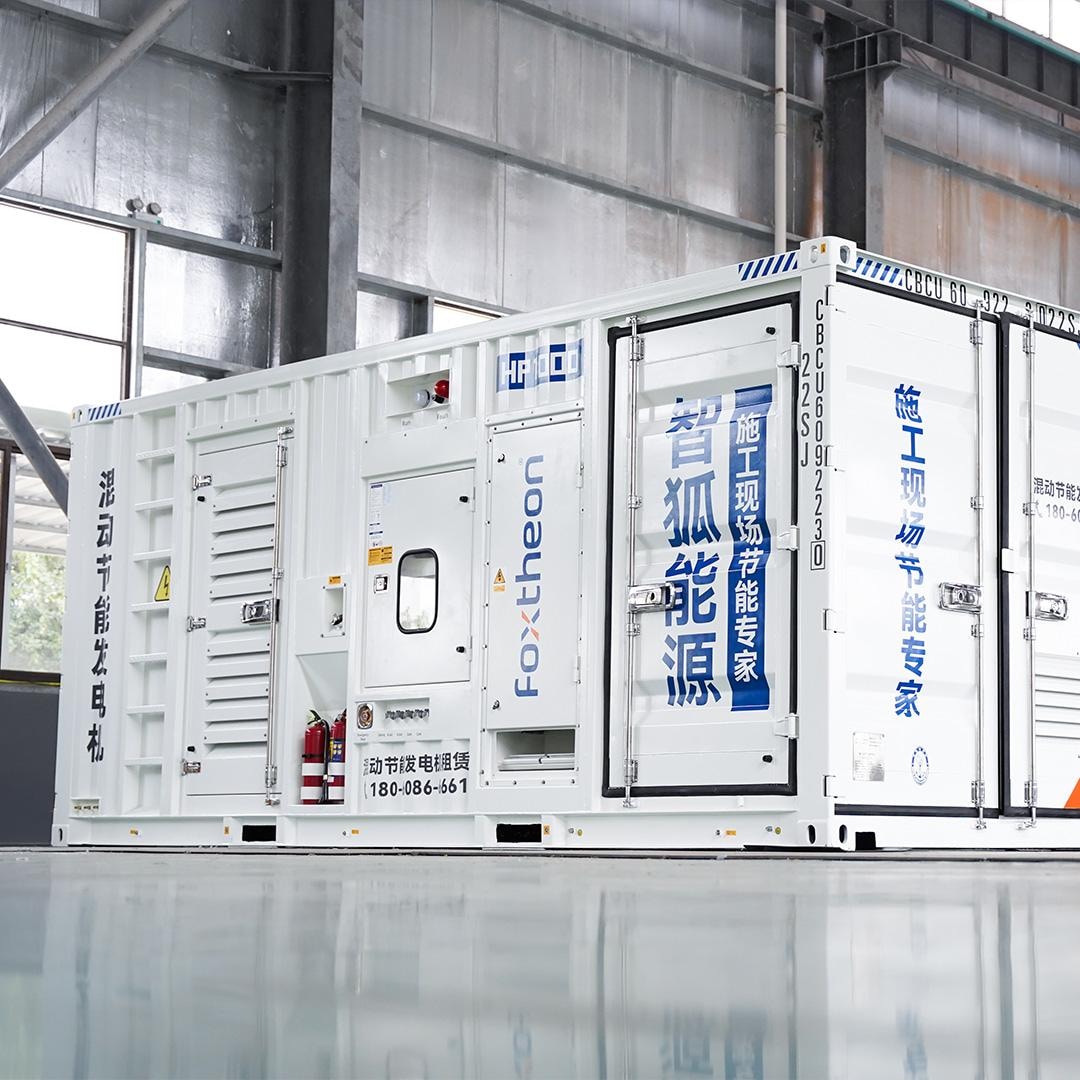
The global energy landscape is undergoing a massive shift. As industries move away from fossil fuels, the demand for mobile, clean, and reliable power has skyrocketed. For entrepreneurs and energy firms, this transition presents a unique opportunity. Understanding how to start a BESS rental business is no longer just about buying batteries; it is about providing intelligent energy solutions that meet the complex needs of modern construction, events, and telecommunications.
Companies like Foxtheon are already leading the way by providing high-performance energy storage units that make this transition easier. However, launching a rental operation requires more than just high-quality hardware. It requires a deep understanding of market dynamics, technical specifications, and logistical challenges.

The Rising Demand for Mobile Energy Storage
Before looking into the “how-to,” we must understand why this market is booming. Diesel generators, once the backbone of temporary power, are being phased out due to noise ordinances, carbon taxes, and high fuel costs. Battery Energy Storage Systems (BESS) offer a silent, emission-free alternative.
From remote construction sites to outdoor music festivals, the need for “power on demand” is evolving. Clients are looking for ways to peak-shave their energy usage or store solar power for nighttime use. This shift is the primary driver for anyone looking at how to start a BESS rental business in today’s economy.
Market Research and Identifying Your Niche
Not all BESS rental businesses are the same. Some focus on small, portable units for film sets, while others provide massive containerized solutions for grid support. You need to decide where your business fits.
Research local regulations regarding emissions. In many urban centers, “Green Zones” are being established where diesel engines are banned. These areas are your primary target markets. Identifying these pockets of demand early will help you tailor your fleet to the specific needs of your future clients.
Selecting the Right Technology and Hardware
Your fleet is your biggest investment. When considering how to start a BESS rental business, the technical specifications of your units will determine your profit margins. You need batteries that are durable, efficient, and easy to transport.
Look for systems that offer high energy density and robust Battery Management Systems (BMS). A sophisticated BMS ensures that the batteries operate within safe limits, extending their lifespan and reducing your maintenance costs. Brands like Foxtheon specialize in these types of intelligent energy solutions, offering units that are specifically designed for the rigors of the rental market, where equipment is frequently moved and used in diverse environments.
H3: Hybrid vs. Standalone Systems
You must also decide if you will offer standalone BESS or hybrid solutions. Standalone units are great for short-term power needs, but hybrid systems—which combine BESS with solar or a small backup generator—are increasingly popular for long-term projects like construction sites.
Hybrid setups allow for “zero-emission” periods, where the battery handles low loads, and the generator only kicks in to fast-charge the system or handle peak loads. This versatility makes your rental business much more attractive to eco-conscious clients.
Developing a Sustainable Business Model
Your pricing structure will be the lifeblood of your operation. In the world of energy rentals, you typically see three types of revenue streams: daily or weekly rental fees, energy throughput charges (charging for the actual power used), and logistics fees (delivery and setup).
When you are figuring out how to start a BESS rental business, don’t forget the “soft” costs. Insurance for high-capacity lithium batteries can be expensive. You also need to factor in the cost of electricity for recharging the units between rentals and the cost of specialized transport vehicles.
Regulatory Compliance and Safety Standards
Safety is the non-negotiable part of the energy business. Lithium-ion batteries, while highly efficient, require strict adherence to safety protocols. You must ensure your units meet international standards such as UL or CE certifications.
Fire suppression systems are a critical component of any BESS unit. If you are renting to indoor events or underground projects, the safety requirements become even more stringent. Providing documentation of these safety features to your clients will build trust and lower your liability risks.
Logistics: The Challenge of Battery Mobility
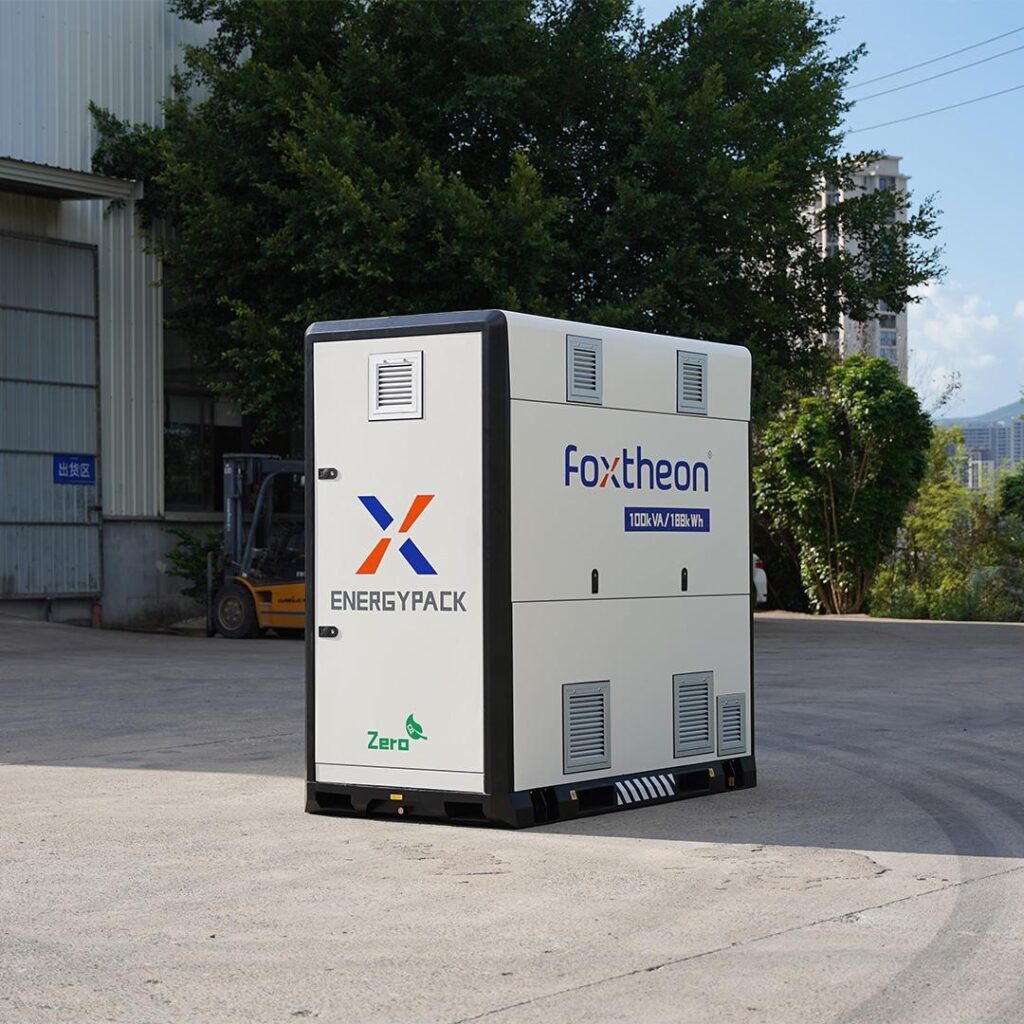
Moving a 100kWh or 500kWh battery is not as simple as moving a generator. Batteries are heavy and often classified as hazardous goods for transport. You will need a logistics partner or a dedicated fleet capable of handling heavy-duty loads.
Furthermore, consider the “charging infrastructure” for your business. Where will the units go when they come back from a job? You need a facility with a high-capacity grid connection to recharge multiple units simultaneously. Without a fast turnaround, your equipment sits idle, and idle equipment doesn’t make money.
Software and Remote Monitoring
In the modern energy sector, you aren’t just a hardware provider; you are a data provider. Modern BESS units come equipped with IoT sensors that allow for remote monitoring.
By using a centralized dashboard, you can track the State of Charge (SoC) and State of Health (SoH) of every unit in your fleet in real-time. This allows you to provide “proactive maintenance.” If a unit shows signs of a cell imbalance while on a client site, you can swap it out before it fails. This level of service is what separates a professional BESS rental company from a basic equipment hire shop.
Marketing and Building a Client Base
To grow, you need to be where your customers are. Digital marketing is essential, but in the BESS world, B2B networking is king. Attend trade shows for construction, renewable energy, and event planning.
Position your business as a “solution provider” rather than an “equipment renter.” Help your clients calculate how much carbon they can save by switching from diesel to BESS. Providing clear data on fuel savings and emission reductions makes the sales process much easier.
Lifecycle Management and Sustainability
What happens when a battery reaches the end of its rental life? Most BESS units have a lifespan of several thousand cycles. Once the capacity drops below 70-80%, they may no longer be suitable for high-demand rental applications.
However, these batteries still have value. You can transition them into “second-life” applications, such as stationary storage for your own warehouse, or sell them to recyclers. Having a plan for the end of the battery’s life is a key part of knowing how to start a BESS rental business that is truly sustainable and environmentally friendly.
Scaling Your Operations
Once you have a handful of units successfully operating in the field, it’s time to scale. Scaling requires access to capital. Because BESS units are high-value assets, many banks and green-energy funds are willing to provide asset-based financing.
As you expand, look into specialized niches such as EV charging support. Mobile BESS units can be used to provide temporary fast-charging stations at events or in areas where the grid is weak. This is a rapidly growing sector that fits perfectly into the BESS rental model.
Working with experienced partners like Foxtheon can help you scale faster. By sourcing reliable, standardized equipment, you reduce the complexity of training your staff and maintaining your fleet. Standardization is the secret to scaling a rental business efficiently.
Conclusion: The Path Forward
Learning how to start a BESS rental business is a journey into the heart of the energy transition. It requires a blend of technical knowledge, logistical precision, and a forward-thinking business strategy. By focusing on high-quality equipment, safety compliance, and data-driven management, you can build a profitable enterprise that also contributes to a cleaner planet.
The market for temporary energy is changing fast. As diesel becomes a thing of the past, the companies that invest in battery storage today will be the energy leaders of tomorrow. With the right strategy and reliable technology from partners like Foxtheon, your business can power the future.
Frequently Asked Questions (FAQs)
Q1: What is the initial investment required for a BESS rental business?
A1: The initial investment varies greatly depending on the size of your fleet. Small portable units might cost a few thousand dollars, while large, containerized systems can cost hundreds of thousands. You should also budget for logistics equipment, charging infrastructure, and insurance, which are significant upfront costs.
Q2: How long do the batteries in a BESS unit typically last in a rental environment?
A2: In a rental setting, batteries are subject to frequent transport and varying load conditions. However, high-quality lithium iron phosphate (LiFePO4) batteries can typically last between 3,000 to 6,000 cycles. With proper maintenance and a good BMS, this translates to roughly 8 to 10 years of active rental life.
Q3: Is it necessary to provide on-site technical support for every rental?
A3: Not necessarily, but it is highly recommended for larger installations. Many BESS units are “plug-and-play,” but clients often need help with system integration, especially when combining the battery with solar panels or existing grid connections. Remote monitoring software can reduce the need for physical on-site presence.
Q4: What are the main safety risks associated with BESS rentals?
A4: The primary risk is thermal runaway, which can lead to fires. This is why choosing units with robust fire suppression systems and high-quality cooling mechanisms is vital. Additionally, proper training for staff and clients on how to handle high-voltage equipment is essential to prevent electrical accidents.
Q5: How do I charge my clients for the rental service?
A5: Most businesses use a hybrid billing model. This includes a flat daily or weekly rental rate for the hardware, plus a delivery/setup fee. Some also include a “per kWh” fee based on energy throughput or a “charging fee” if the unit is returned empty and needs to be recharged at your facility.
Q6: Can BESS units be used in extreme weather conditions?
A6: Yes, but performance can be affected. Most professional-grade BESS units include internal climate control systems (heating and cooling) to keep the battery cells within their optimal temperature range. Always check the operating temperature specs of your units before deploying them in very hot or very cold climates.