
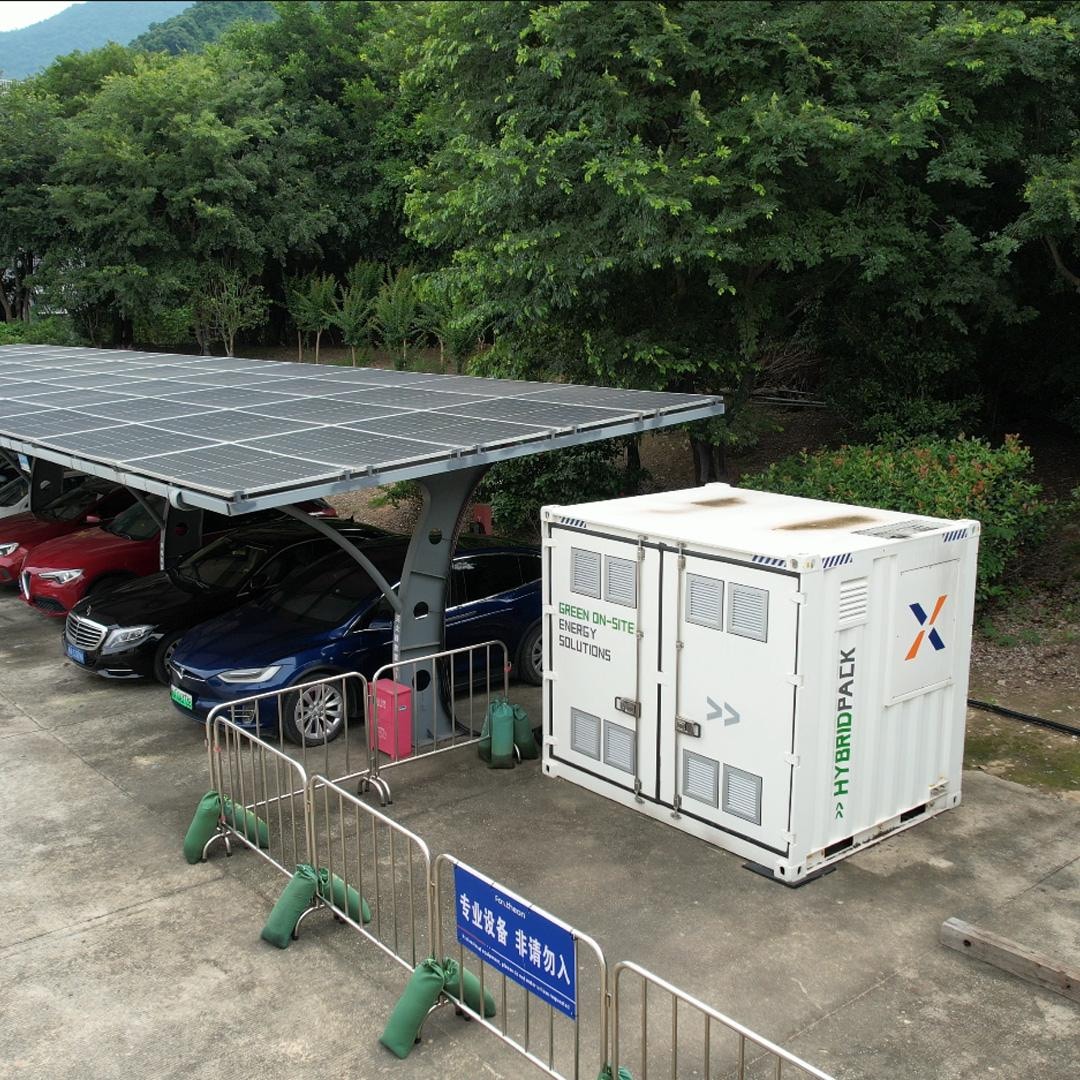
Power generation in remote and off-grid locations is undergoing a massive shift. For decades, the standard approach was simple: buy an oversized diesel engine and run it 24/7. This method is no longer sustainable financially or environmentally. The rise of the hybrid diesel generator has changed the landscape for construction, mining, and telecommunications.
By combining traditional internal combustion engines with advanced battery energy storage systems (BESS), businesses are seeing drastic reductions in operational expenditures (OPEX). This article breaks down the technical advantages, cost implications, and selection criteria for these modern power systems, with a look at industry innovators like Foxtheon.
The Core Problem with Traditional Generators
To understand why hybrid systems are necessary, we must look at the inefficiencies of standard generators. A diesel engine is designed to run most efficiently at high loads, typically between 70% and 80% of its rated capacity.
However, on most construction sites or telecom towers, the actual load fluctuates wildly. At night, or during breaks, the load might drop to 10% or 20%. When a large generator runs at a low load, it creates a condition known as “wet stacking.” Unburned fuel accumulates in the exhaust system, damaging the engine and significantly shortening its lifespan.
Furthermore, running a 100kVA generator just to power security lights and a few laptops is a waste of fuel. This is where the hybrid diesel generator solves the equation.
What is a Hybrid Diesel Generator?
A hybrid power system is not just a generator with a battery attached. It is a fully integrated energy solution. It consists of three main components: a diesel generation unit, a battery bank (usually Lithium-ion), and an intelligent management system.
The logic is straightforward. When the power demand is low, the diesel engine shuts down completely. The site runs silently on battery power. When the battery gets low, or when the site demand spikes beyond what the battery can handle, the generator automatically starts.
It runs at its optimal high-load point to recharge the batteries and power the load simultaneously. Once the batteries are full, the engine turns off again. This cycle ensures the engine only runs when it is most efficient.
The Role of Intelligent Control
The “brain” of the system is what differentiates a high-quality unit from a basic assembly. Companies like Foxtheon have invested heavily in proprietary software that manages the energy flow.
These controllers monitor the state of charge (SOC) of the battery, the real-time load demand, and even predictive maintenance data. The goal is to minimize engine runtime hours. In some applications, a hybrid unit can reduce engine runtime by up to 70%.
Technical Advantages of Hybrid Power Systems
Switching to a hybrid architecture offers technical benefits that go beyond simple fuel savings. These advantages impact the longevity of the equipment and the reliability of the site power.
Preventing Wet Stacking and Engine Wear
As mentioned, low-load running kills diesel engines. By using the battery for low loads, the hybrid system ensures that the diesel engine never idles for long periods. When it is on, it is working hard. This promotes complete combustion, cleaner exhaust, and a healthier engine.
Instant Response to Load Spikes
Diesel engines have a “step load” limitation. If you suddenly turn on a massive crane or pump, a standard generator might stall or dip in voltage while the turbocharger spools up.
Batteries, however, provide instant power. In a hybrid diesel generator setup, the inverter can bridge the gap instantly during a load spike, smoothing out the power delivery while the engine ramps up. This provides a cleaner voltage sine wave, which is safer for sensitive electronics.
Cost Analysis: CAPEX vs. OPEX
One of the main hurdles for procurement managers is the initial price tag. A hybrid unit costs more upfront than a standard diesel genset. However, the return on investment (ROI) is usually realized within 12 to 24 months, depending on fuel prices.
Fuel Savings Breakdown
In a typical 24-hour cycle for a construction site office, a standard generator runs 24 hours. A hybrid unit might only run for 6 hours to charge the batteries.
If a generator consumes 5 liters per hour, the standard unit uses 120 liters a day. The hybrid unit, even running at a slightly higher consumption rate during its 6-hour run (because it is charging batteries), might use 40 to 50 liters total. That is a fuel saving of over 50%.
Maintenance and Lifecycle Costs
Maintenance intervals for generators are based on “runtime hours.” A standard unit running 24/7 needs an oil change every 250 to 500 hours—basically every three weeks.
Because a hybrid diesel generator runs fewer hours per day, the service intervals extend significantly. instead of servicing the unit every month, you might only need to service it once every three or four months. This reduces labor costs, filter costs, and oil disposal fees.
Key Applications for Hybrid Solutions
Not every application requires a hybrid, but specific sectors benefit immensely from this technology.
Telecom and Remote Towers
Telecom towers have a steady, relatively low load that is constant 24/7. Using a massive generator for this is inefficient. Hybrids are the standard recommendation here. They cycle efficiently, and the silent battery operation is ideal if the tower is near a residential area.
Mining and Exploration Camps
Mining camps are often completely off-grid. They have high peaks (during shifts) and low valleys (at night). A hybrid system manages these fluctuations perfectly. Foxtheon has seen increasing adoption in these rugged environments where fuel delivery logistics are expensive and difficult.
Construction and Events
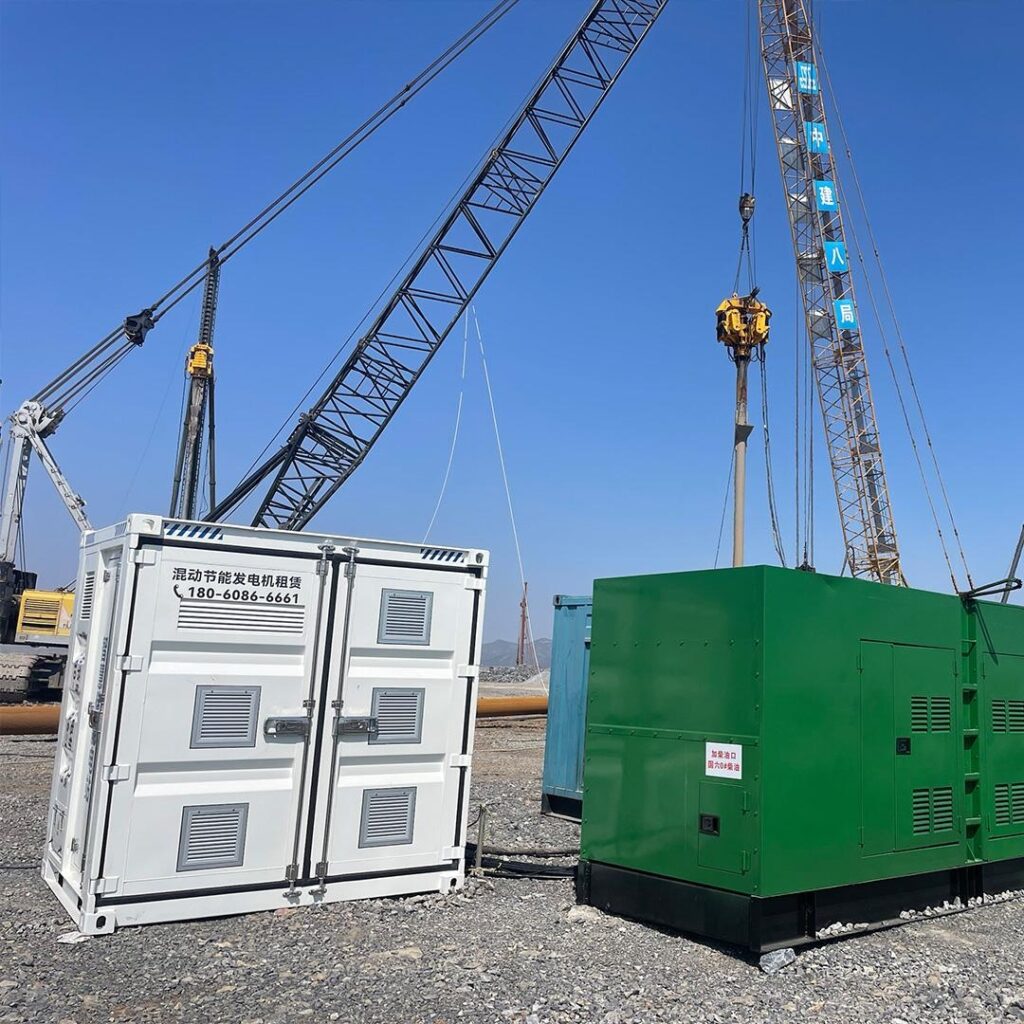
Urban construction sites face strict noise regulations. A hybrid unit can run on silent battery power during the night to power security cameras and lighting, ensuring compliance with noise ordinances while keeping the site secure.
Selecting the Right Manufacturer
When sourcing a hybrid system, the quality of the components matters. There are many assemblers who simply bolt a battery to a generator, but these systems often fail to communicate effectively.
You should look for:
Battery Chemistry: Lithium Iron Phosphate (LiFePO4) is preferred over Lead-Acid for its longer cycle life and depth of discharge.
Integration: The inverter and engine controller must talk to each other seamlessly.
Enclosure Quality: The unit should be weather-resistant and ruggedized for transport.
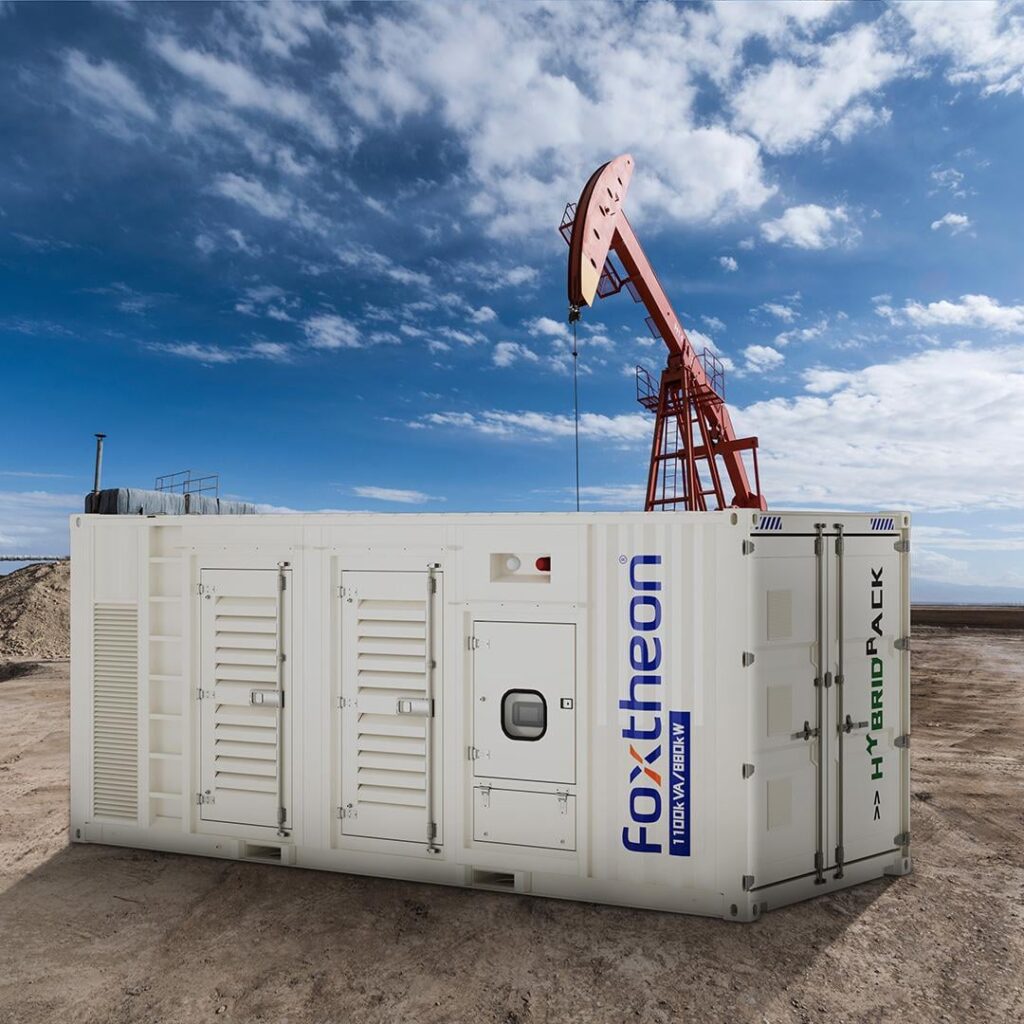
Suppliers like Foxtheon provide integrated “All-in-One” designs where the battery, inverter, and generator are housed in a single, compact cabinet. This simplifies logistics and deployment.
Environmental Impact and Carbon Credits
Sustainability is no longer just a buzzword; it is a compliance requirement. Many government contracts now require companies to track and reduce their CO2 emissions.
A hybrid diesel generator directly reduces the carbon footprint by burning less fossil fuel. Additionally, these systems are “solar ready.” Most modern hybrids have DC inputs, allowing you to plug solar panels directly into the system.
This turns the unit into a micro-grid. On sunny days, the solar panels charge the batteries, and the diesel engine might not turn on at all. This scalability is vital for future-proofing your energy infrastructure.
Common Pitfalls to Avoid
When deploying these systems, sizing is critical. If the battery bank is too small, the generator will cycle on and off too frequently, negating the benefits. If the battery is too big, the CAPEX becomes too high.
Work with a supplier who performs a “load profile analysis.” They will log your current energy usage and model the correct size for the engine and the battery storage.
Another pitfall is ignoring temperature management. Batteries perform poorly in extreme cold or extreme heat. Ensure your hybrid diesel generator comes with a thermal management system for the battery compartment.
Future Trends in Smart Energy
The future involves connectivity. Modern units come with 4G/IoT remote monitoring. Fleet managers can see exactly how much fuel is being saved, the health of the battery cells, and the location of the unit via a dashboard.
We are also seeing a move towards smaller engines paired with larger battery capacities, effectively treating the engine merely as a backup battery charger rather than the primary power source.
The transition from conventional power generation to hybrid systems is inevitable for industries facing high fuel costs and strict environmental regulations. The hybrid diesel generator offers a pragmatic solution that balances reliability with efficiency.
By significantly reducing runtime hours, these systems lower maintenance costs, slash fuel bills, and extend the life of the hardware. Whether for a remote mine or a downtown construction site, the technology is proven. Partnering with experienced manufacturers like Foxtheon ensures that you get a system engineered for the specific demands of your project, maximizing your return on investment.
FAQ: Common Questions About Hybrid Power Systems
Q1: How much fuel can I realistically save with a hybrid diesel generator?
A1: Most applications see fuel savings between 40% and 60%. The exact amount depends on your specific load profile. Sites with long periods of low load (like security lighting at night) see the highest savings because the engine remains off for longer durations.
Q2: What is the lifespan of the batteries in these units?
A2: Modern systems typically use LiFePO4 (Lithium Iron Phosphate) batteries. These generally offer 3,000 to 6,000 discharge cycles. In a typical daily cycling application, this translates to a battery lifespan of 7 to 10 years before significant degradation occurs.
Q3: Can I connect solar panels to a hybrid generator later?
A3: Yes, most professional hybrid units are designed with renewables in mind. They usually feature a DC-coupled architecture or spare connection points that allow you to integrate solar PV arrays easily, further reducing diesel consumption.
Q4: Is the maintenance of a hybrid unit more complicated than a standard diesel generator?
A4: The diesel engine maintenance is actually simpler and less frequent because it runs fewer hours. However, the electrical system (inverter and BMS) requires occasional inspection. Overall, the total maintenance burden is lower, but it requires a technician who understands basic electrical systems.
Q5: How does the initial cost compare to a standard generator?
A5: A hybrid diesel generator typically costs 1.5 to 2.5 times more than a standard diesel generator of the same kVA rating. However, when you factor in fuel savings and reduced maintenance, the Total Cost of Ownership (TCO) becomes lower than a standard unit usually within 1.5 to 2 years.