
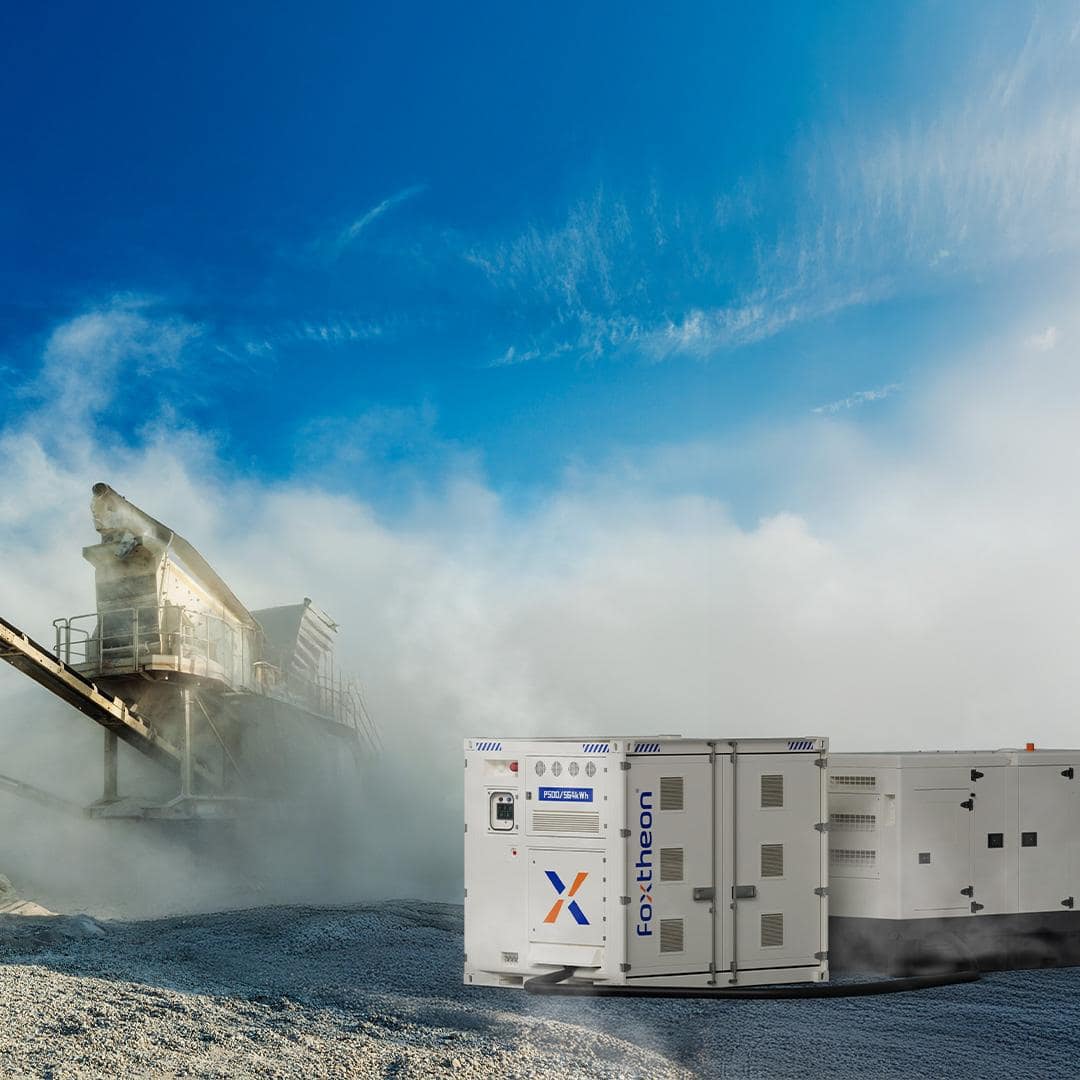
Reliable power is the backbone of any remote operation, whether it is a telecom tower in the desert, a mining site in the mountains, or a construction project far from the utility grid. For decades, the standard answer to off-grid power was a diesel generator running 24/7. However, with volatile fuel prices and increasing pressure to reduce carbon emissions, the industry is shifting toward smarter alternatives.
The Hybrid Generator System has emerged as the logical successor to standalone gensets. By combining traditional fuel-based power with battery energy storage and renewable inputs like solar or wind, these systems solve the inefficiency problems inherent in diesel engines. Companies like Foxtheon have recognized this shift, developing solutions that prioritize efficiency without sacrificing the reliability required by heavy industry.
This article breaks down how these systems work, the real-world economics of switching to hybrid, and what you need to look for when choosing a supplier for your specific application.

What is a Hybrid Generator System?
At its core, a Hybrid Generator System is an integrated power station that manages multiple energy sources. Unlike a standard generator that runs continuously to meet the load—even when that load is low—a hybrid unit uses a battery bank to handle low-demand periods.
The diesel generator only kicks in when the batteries need recharging or when the power demand exceeds what the inverter can handle. This architecture drastically reduces engine runtime.
The Role of Intelligent Control
The brain of the operation is the energy management system (EMS). This controller monitors the load in real-time. If the site only needs a few kilowatts to keep security lights and cameras running, the EMS draws power silently from the battery.
Once heavy machinery starts up, the EMS automatically starts the engine to provide prime power and recharge the storage bank simultaneously. This ensures the engine always runs at its optimal load factor (usually 70-80%), preventing “wet stacking” and ensuring maximum fuel efficiency.
Integration with Renewables
Most modern hybrid units come ready to connect with solar PV arrays or wind turbines. In a “Solar Hybrid” setup, the sun charges the batteries during the day. The generator acts purely as a backup for cloudy days or nighttime spikes. This can drop fuel consumption to near zero for specific low-load applications like telecom base stations.
Top Benefits of Deploying a Hybrid Generator System
Moving away from traditional power generation isn’t just an environmental choice; it is largely a financial one. The operational expenditure (OpEx) of running a diesel engine non-stop is becoming unsustainable for many businesses.
Massive Reductions in Fuel Consumption
A standard generator running at 20% load burns a disproportionate amount of fuel relative to the power produced. A Hybrid Generator System eliminates this waste. By shutting off the engine and running on batteries during low-load periods, operators often see fuel savings ranging from 40% to 70%, depending on the load profile.
Extended Maintenance Intervals
Diesel engines require service based on hours run, typically every 250 to 500 hours. If a generator runs 24 hours a day, it needs an oil change and filter replacement almost every two weeks.
Because a hybrid system might only run the engine for 4 to 6 hours a day to charge batteries, maintenance intervals are extended significantly. Instead of servicing the unit twice a month, site technicians might only need to visit once every two or three months. This reduction in logistics and labor costs is often the deciding factor for remote sites.
Silent Operation
Noise pollution is a major concern for urban construction sites and events. During the battery discharge phase, the system is virtually silent. This allows construction crews to keep critical systems running overnight in residential areas without violating noise ordinances.
Comparing Hybrid Systems vs. Traditional Diesel Generators
To understand the value, it helps to look at a direct comparison between the two technologies in a typical scenario.
Operational Efficiency
Traditional Diesel:
The engine runs at a fixed speed (usually 1500 or 1800 RPM) regardless of whether you are powering a single lightbulb or a crane. This fixed operation leads to immense waste.
Hybrid Generator System:
The engine is decoupled from the direct load. It serves as a battery charger. It runs hard and fast to charge the bank, then shuts down. The efficiency curve is always kept in the “sweet spot.”
Lifespan and Depreciation
Traditional Diesel:
Continuous low-load running causes glazing on cylinder walls and carbon buildup. This shortens the engine’s life, leading to overhauls sooner than expected.
Hybrid Generator System:
Because the engine runs fewer hours and always at high load, the internal components remain cleaner and last longer. The battery bank becomes the consumable item, but modern Lithium Iron Phosphate (LiFePO4) batteries used by manufacturers like Foxtheon offer thousands of cycles, often outlasting the project duration itself.
Key Applications for Smart Hybrid Power
Not every application requires a hybrid solution. However, scenarios with variable load profiles see the fastest return on investment.
Telecom and Network Towers
Telecom sites have a constant but relatively low power load. Running a 20kVA diesel generator for a 2kW load is incredibly inefficient. A hybrid unit is the industry standard here, often reducing generator runtime to less than 4 hours daily.
Remote Mining Camps
Mining operations have huge spikes in power demand during shifts, followed by quiet periods at night. A hybrid system manages these peaks and troughs smoothly, ensuring the camp has lighting and HVAC at night without the roar of a large engine outside the sleeping quarters.
Rental and Construction
Construction power needs fluctuate wildly. A crane might need high amperage for ten minutes, followed by an hour of idle time. Hybrid units buffer these demands, providing high peak power from the battery inverter without needing an oversized generator.
Understanding the Cost Structure and ROI
The initial price tag of a Hybrid Generator System is undeniably higher than a standard diesel unit. This is due to the added cost of the battery bank, the inverter, and the smart controller. However, smart buyers look at the Total Cost of Ownership (TCO).
Calculating the Payback Period
When you factor in the fuel savings (often hundreds of dollars per week) and the reduced maintenance visits, the return on investment (ROI) typically occurs between 12 and 24 months.
For example, if a site saves 50 liters of diesel per day at $1.20 per liter, that is $60/day or roughly $21,900 per year in fuel savings alone. Add in the savings from doing 8 fewer oil changes per year, and the premium paid for the hybrid unit is recovered quickly.
Battery Technology Impact on Price
The type of battery affects the price. Lead-acid batteries are cheaper upfront but heavy and have shorter lifespans. Lithium-ion variants are more expensive initially but offer deeper discharge capabilities and faster charging times, making them cheaper over a 5-year timeline.
How to Select the Right Hybrid Manufacturer
Choosing a supplier is as critical as choosing the tech. You want a system that is “plug and play” rather than a science experiment.
Look for All-in-One Integration
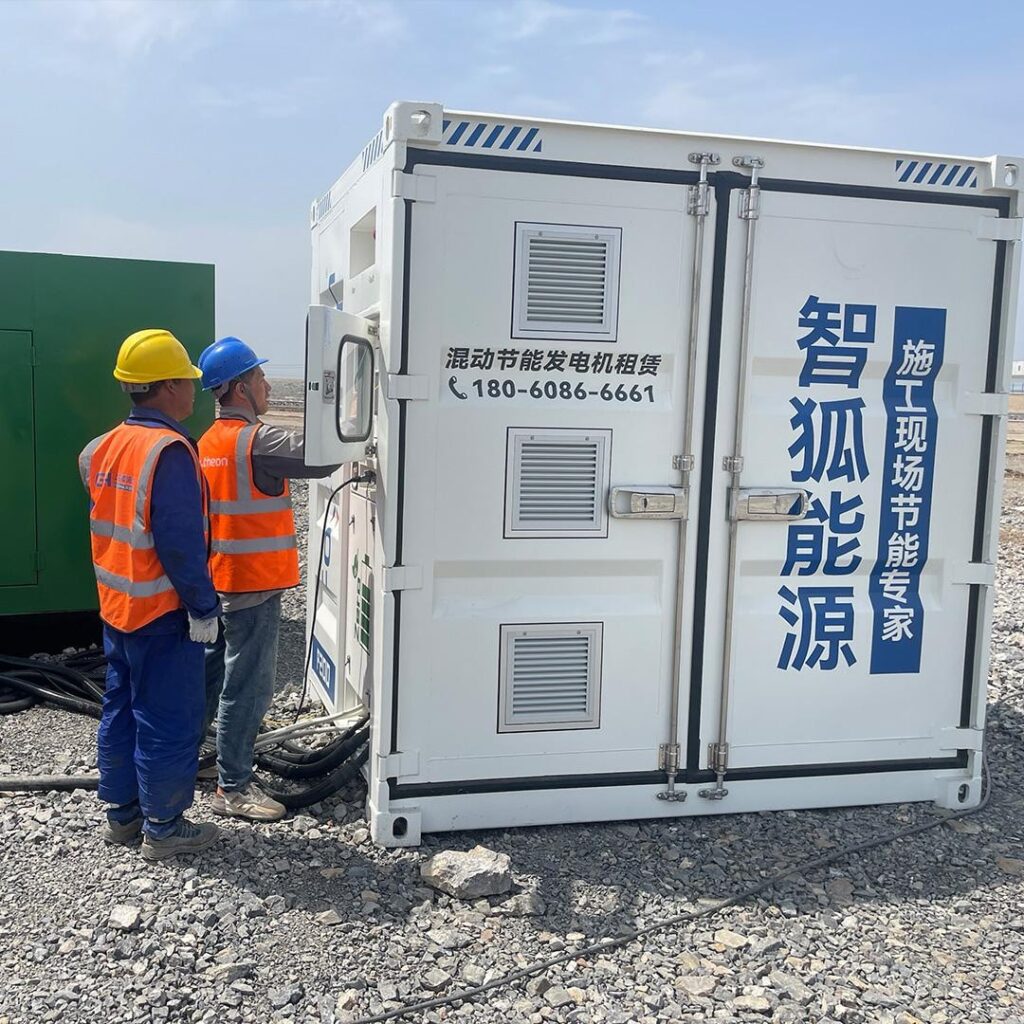
Avoid systems that look like a collection of mismatched parts. The best units are housed in a single, weather-proof enclosure. The inverter, batteries, and generator should be integrated at the factory level. Brands such as Foxtheon specialize in these “cabinet” style all-in-one solutions that are easy to transport and deploy.
Check the Remote Monitoring Capabilities
In 2025, you should not have to drive to a site to check battery voltage. Ensure the system comes with 4G/IoT cloud monitoring. You should be able to see fuel levels, battery health, and load data from a smartphone app. This allows for predictive maintenance and immediate troubleshooting.
Verify Scalability
Can the system accept external solar panels easily? Does it have ports for additional battery packs if your load increases? A modular design ensures that your investment remains useful even if your power requirements change in the future.
The era of burning diesel to keep a few lights on is ending. The Hybrid Generator System represents a mature, reliable technology that bridges the gap between fossil fuels and a fully renewable future. For businesses operating off-grid, it offers a pragmatic way to cut operating costs immediately while improving reliability.
Whether you are powering a remote 5G tower or a temporary construction office, the math supports the switch to hybrid. By partnering with forward-thinking manufacturers like Foxtheon, companies can secure their energy independence, reduce their carbon footprint, and protect their bottom line against fluctuating fuel markets.
Frequently Asked Questions (FAQ)
Q1: What is the typical lifespan of the batteries in a Hybrid Generator System?
A1: The lifespan depends on the battery chemistry. Traditional lead-acid batteries typically last 500-1,000 cycles (about 1-2 years of daily use). However, modern systems using LiFePO4 (Lithium Iron Phosphate) batteries can last 4,000 to 6,000 cycles, which often translates to 7-10 years of operation before needing replacement.
Q2: Can I connect solar panels to any hybrid generator?
A2: Most purpose-built hybrid generators are “solar-ready,” meaning they have built-in MPPT charge controllers to accept solar input directly. However, if you are retrofitting a standard diesel generator with an external hybrid power box, you must ensure the external unit has the specific ports and software to manage solar inputs.
Q3: How much fuel can I realistically expect to save?
A3: Fuel savings depend entirely on your load profile. If your load is low (e.g., 10-20% of the generator’s capacity), a hybrid system can save 60-80% on fuel by running on batteries most of the time. If the generator is constantly running at near-full capacity, the savings will be minimal. The “sweet spot” is variable loads where the engine can shut down frequently.
Q4: Is a hybrid generator harder to maintain than a diesel one?
A4: Generally, it is easier. The diesel engine—the part that requires the most maintenance (oil, filters, belts)—runs significantly fewer hours, so it needs service less often. The electrical components (inverter, batteries) are solid-state and require very little physical maintenance other than occasional software updates or connection checks.
Q5: What happens if the battery runs out and the engine fails to start?
A5: High-quality systems usually have redundancy built-in. If the battery is depleted, the system attempts to start the engine. If the engine fails (e.g., due to a starter motor issue), the system will trigger a critical alarm via the remote monitoring app. Some advanced setups allow for a secondary backup generator connection to ensure there is never a total blackout.