
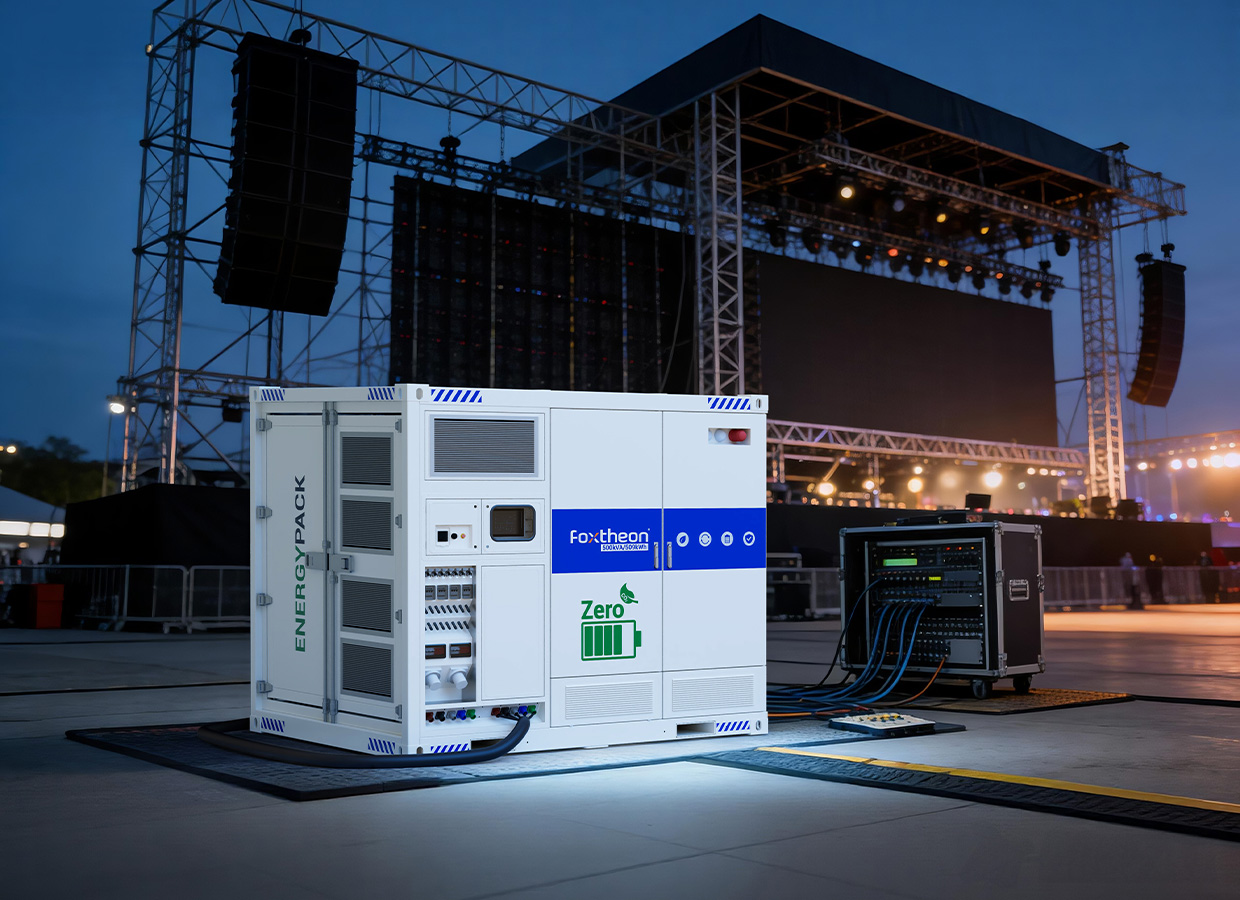
Managing temperature control on a temporary basis is a critical challenge for many industries. Whether it is keeping a massive event tent cool or ensuring equipment does not overheat on a construction site, the energy demand is often high. Traditionally, diesel generators have done the heavy lifting. However, they are often inefficient, noisy, and expensive to run.
This is where hybrid power for temporary cooling enters the conversation. By combining traditional generators with battery energy storage systems (BESS), businesses can revolutionize how they manage energy.
Innovative brands like Foxtheon are recognizing this shift. They provide smart energy solutions that help operators transition away from wasteful practices. This article explores why hybrid systems are the superior choice for modern cooling needs.
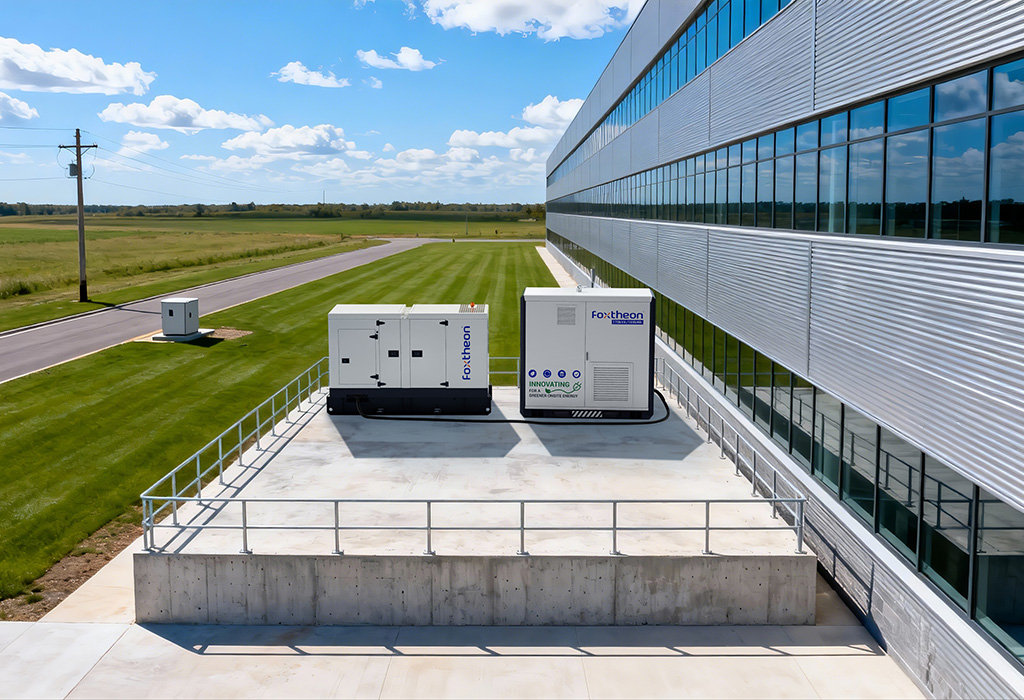
What Is Hybrid Power for Temporary Cooling?
At its core, a hybrid power system integrates two distinct power sources. It typically pairs a standard diesel generator with a high-capacity battery bank.
The goal is simple: optimization.
Cooling equipment, such as chillers and air handling units, rarely runs at full capacity 24/7. Demand fluctuates based on the time of day, ambient temperature, and occupancy.
How the Technology Works
In a conventional setup, a generator runs continuously. Even when cooling demand is low, the engine burns fuel to stay active. This is inefficient.
With hybrid power for temporary cooling, the intelligent control system manages the load. When the cooling demand is low, the generator turns off. The battery system takes over and powers the cooling units silently.
When the demand spikes or the battery charge gets low, the generator automatically kicks back in. It recharges the battery and powers the load simultaneously.
The Problem with “Wet Stacking”
Running diesel generators at low loads causes a phenomenon known as “wet stacking.” Unburned fuel accumulates in the exhaust system. This damages the engine and shortens its lifespan.
Hybrid systems prevent this. The generator only runs when it can operate at an optimal, high-load efficiency. This keeps the engine clean and reduces maintenance requirements.
The Core Benefits of Hybrid Power for Temporary Cooling
Switching to a hybrid model is not just about being “green.” It is a financial and operational decision. The advantages affect the bottom line immediately.
Significant Fuel Savings
Fuel is often the single largest expense in temporary power projects.
A generator running at 30% load burns fuel inefficiently. By switching to hybrid power for temporary cooling, the generator runtime can decrease by 50% to 80%.
This means you buy significantly less diesel. For long-term projects, the savings can amount to thousands of dollars per month.
massive Reduction in Emissions
Sustainability is a priority for international smart energy solutions. Clients and local governments are demanding lower carbon footprints.
By burning less fuel, you emit less CO2 and particulate matter. This allows projects to meet strict environmental regulations in urban areas.
Noise Pollution Control
Cooling is often needed in noise-sensitive environments. Examples include:
Outdoor weddings or concerts.
Film sets.
Residential construction zones.
Batteries are silent. During the evening or periods of low cooling demand, the generator shuts down. The system provides power without the constant roar of a diesel engine.
Designing the Right System with Smart Technology
Hardware is only half the equation. The intelligence behind the system is what drives efficiency. This is where companies like Foxtheon excel, offering integrated solutions that communicate effectively.
The Role of the Energy Management System (EMS)
A hybrid unit relies on an Energy Management System. This software acts as the brain of the operation.
It monitors the load from the cooling units in real-time. It decides when to switch between battery and generator power.
Advanced EMS platforms offer remote monitoring. Facility managers can check fuel levels, battery health, and load data from a smartphone. This transparency ensures that hybrid power for temporary cooling operates at peak performance without constant manual supervision.
Battery Energy Storage Systems (BESS)
The battery unit must be robust. Lithium-ion technology is the standard for these applications due to its high energy density.
A properly sized BESS can handle the inrush currents (startup spikes) that cooling compressors generate. This protects the generator and ensures a smooth start for HVAC equipment.
Real-World Applications for Hybrid Cooling
Where does this technology make the most impact? It is versatile, but certain sectors benefit more than others.
Events and Entertainment
Music festivals and sporting events have huge power needs. However, these needs are variable.
During the day, the sun heats up tents, requiring maximum cooling. At night, the temperature drops, and the cooling load decreases.
A hybrid system adapts to this curve perfectly. It saves fuel at night while keeping the venue comfortable.
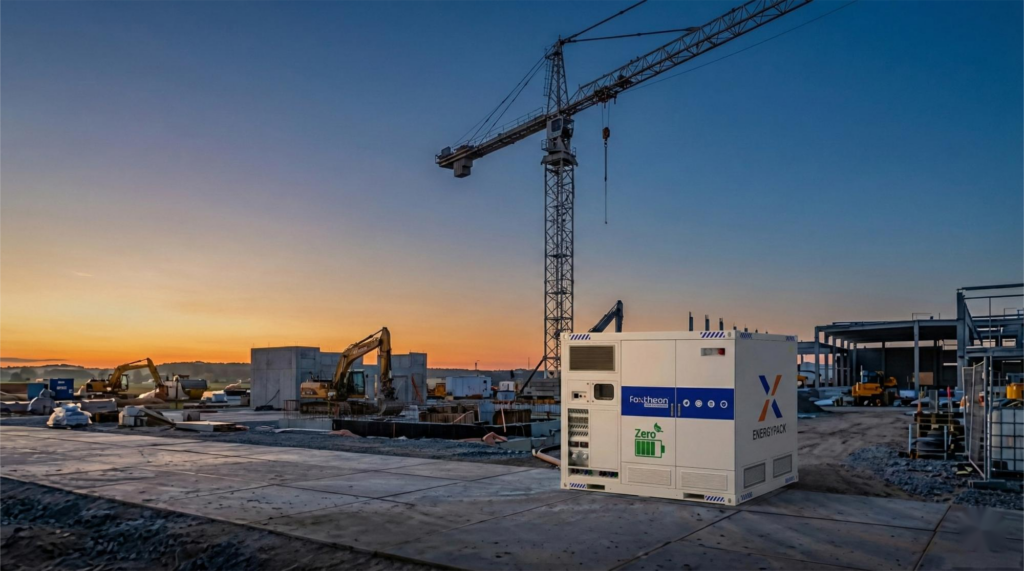
Construction and Industrial Curing
Construction sites often use temporary cooling for concrete curing or drying drywall. These processes run around the clock.
Using hybrid power for temporary cooling ensures that power is always available. If a generator fails or runs out of fuel, the battery acts as a backup (UPS), preventing project delays.
Emergency Response and Disaster Relief
In disaster zones, fuel supply chains are often broken. conserving diesel is a matter of survival.
Hybrid systems extend the time between refueling. This is critical when logistics are difficult and fuel deliveries are unreliable.
Cost Analysis: Hybrid vs. Conventional
Many operators hesitate because the rental or purchase price of a hybrid unit is higher than a standard generator. However, looking at the upfront cost alone is a mistake.
You must calculate the Total Cost of Ownership (TCO) or Total Cost of Rental.
Operational Expenditure (OPEX)
The reduction in fuel consumption is the primary driver of savings. If a project lasts longer than a week, the fuel savings usually offset the higher rental rate.
Maintenance Costs
Diesel generators need service every 250 to 500 hours of runtime.
With a hybrid setup, the generator runs fewer hours per day. This extends the service intervals. You spend less on oil changes, filter replacements, and mechanic labor.
Engine Lifespan
Because the engine avoids low-load operation (wet stacking), it lasts longer. The asset retains its value better over time.
How to Implement Hybrid Power for Temporary Cooling
Transitioning to a hybrid model requires planning. You cannot simply plug it in without analyzing the load profile.
Step 1: Audit Your Power Needs
Determine the peak load (starting amps) and the average running load of your cooling equipment.
If the average load is very close to the peak, a hybrid system might not offer huge benefits. Hybrid shines when there are peaks and valleys in power demand.
Step 2: Sizing the Battery
Work with a provider who understands international smart energy solutions. They will size the battery to cover the “valleys” in your demand curve.
If the battery is too small, the generator will cycle on and off too frequently.
Step 3: Integration and Testing
Ensure the cooling units are compatible with the hybrid controller. Test the system under load before the event or project goes live.
Brands like Foxtheon provide technical support to ensure these integrations are seamless.
Future Trends in Temporary Cooling Energy
The market is moving toward even cleaner solutions. We are beginning to see solar panels integrated into these hybrid setups.
Solar arrays can charge the batteries during the day. This further reduces reliance on the diesel generator.
Additionally, hydrogen fuel cells are emerging as a potential replacement for the diesel component. This would create a truly zero-emission solution for hybrid power for temporary cooling.
As regulations on emissions tighten globally, the adoption of these systems will cease to be optional. It will become a regulatory requirement.
The era of running massive diesel engines to power small loads is ending. It makes no financial or environmental sense. Hybrid power for temporary cooling offers a smarter path forward.
By utilizing battery storage and intelligent controls, businesses can stabilize their power supply. They can drastically cut fuel bills and operate quietly in sensitive areas.
Companies that embrace these international smart energy solutions position themselves as leaders. They demonstrate a commitment to efficiency and sustainability.
Whether you are organizing a global event or managing a complex construction site, consider the hybrid advantage. Partners like Foxtheon are ready to support this transition, ensuring you have reliable power when and where you need it most.
Frequently Asked Questions (FAQ)
Q1: What exactly is hybrid power for temporary cooling?
A1: It is a power generation system that combines a diesel generator with a battery energy storage system (BESS). It is designed to power HVAC and cooling equipment efficiently. The system switches between the battery and the generator based on energy demand, reducing engine runtime and fuel usage.
Q2: How much fuel can I actually save with this system?
A2: Savings vary based on the load profile, but most projects see a reduction in fuel consumption between 40% and 60%. In scenarios with highly variable cooling loads, savings can reach up to 80% compared to a generator running continuously.
Q3: Is hybrid power reliable enough for critical cooling needs?
A3: Yes, it is often more reliable than a standalone generator. The battery provides an immediate backup if the generator has a mechanical issue. Furthermore, because the generator runs less often and avoids low-load damage, it is less prone to breakdowns.
Q4: Can I use renewable energy with a hybrid cooling system?
A4: Absolutely. Many hybrid systems allow for the integration of solar panels. Solar energy can charge the batteries during daylight hours, further reducing the need for the diesel generator to run.
Q5: Is a hybrid system difficult to operate?
A5: Modern hybrid systems are user-friendly. They come with automated Energy Management Systems (EMS) that handle the switching between power sources. Most units also offer remote monitoring, so you can track performance from a computer or smartphone without needing technical expertise on-site.