
Managing power on a temporary site used to be simple: rent a diesel generator, turn it on, and let it run. However, fuel prices have climbed, and environmental regulations have tightened. The old “always-on” method is now a fast way to burn through a project’s budget.
This is where hybrid power rental solutions are changing the operational landscape. By combining traditional generation with advanced energy storage, site managers are seeing drastic reductions in fuel consumption and engine runtime.
Companies like Foxtheon are at the forefront of this shift, providing the underlying intelligent energy technologies that make these modern rental setups effective. Whether you are running a construction site, a mining operation, or a large-scale event, understanding how to integrate hybrid power is no longer optional—it is a financial necessity.
The Problem with Standard Diesel Power
To understand the value of hybrid systems, you first have to look at the inefficiencies of a standard setup. Diesel generators are designed to run most efficiently at high loads (usually between 70% and 80% capacity).
Unfortunately, most real-world applications don’t work that way. A construction crane operates intermittently. Job site offices need minimal power at night just for security lights and servers.
When a 100kVA generator runs all night to power a 5kW load, a condition known as “wet stacking” can occur, damaging the engine. More importantly, you are wasting fuel. You are paying for capacity you aren’t using. This inefficiency is the primary driver behind the surge in demand for smarter alternatives.
What Are Hybrid Power Rental Solutions?
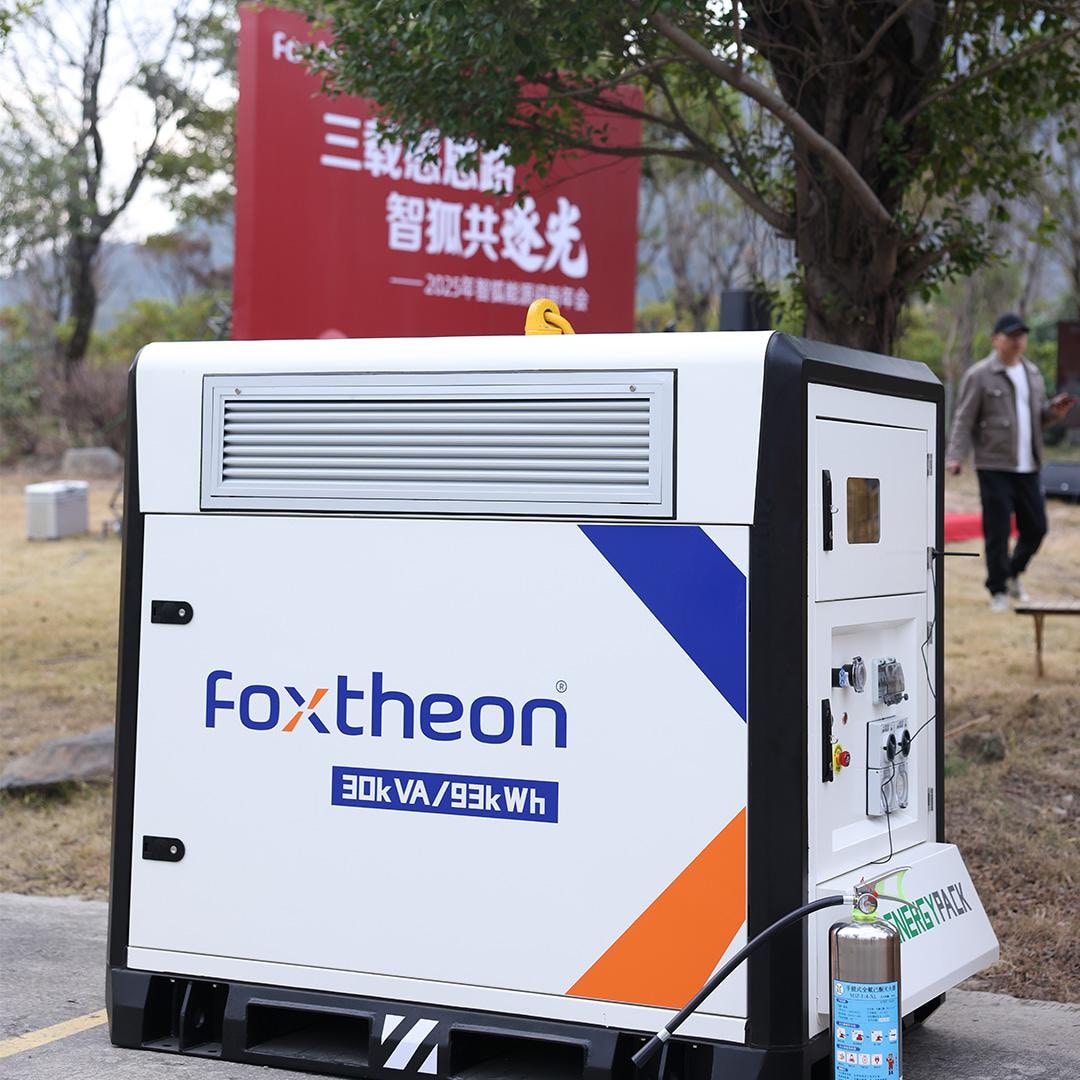
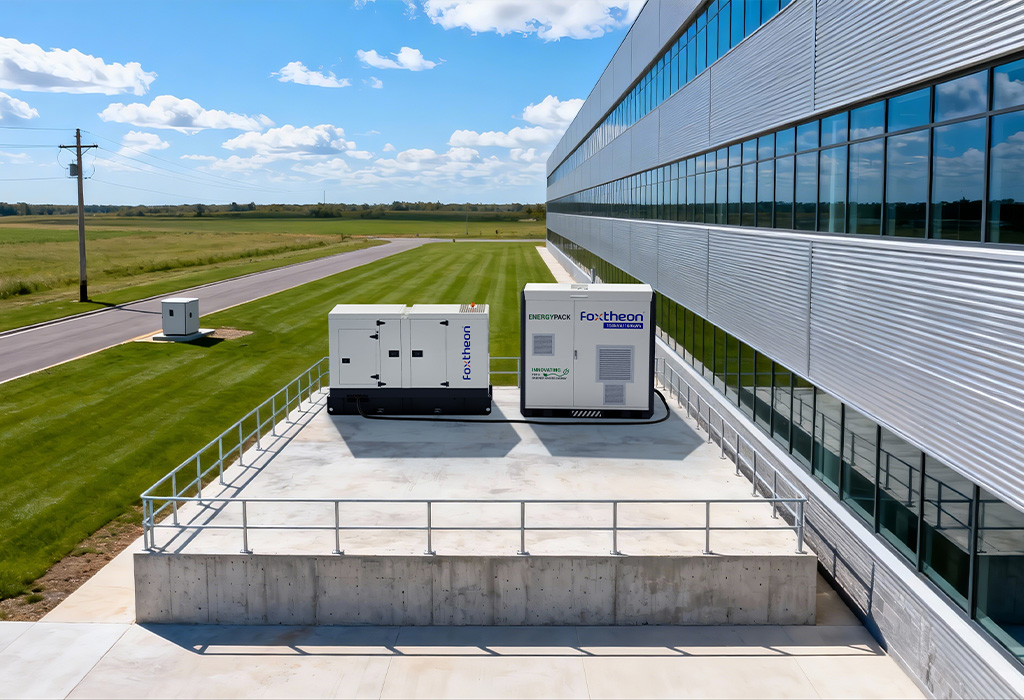
In the international smart energy sector, hybrid power rental solutions refer to a packaged system that integrates a battery energy storage system (BESS) with a diesel generator (and sometimes solar inputs).
The concept is straightforward. The battery handles low loads. The generator only turns on when the battery is depleted or when the power demand spikes above what the inverter can handle.
The Role of Intelligent Energy Management
The hardware is only half the story. The brain of the operation is the energy management system (EMS).
High-quality systems, such as those engineered by brands like Foxtheon, use smart logic to decide when to run the engine. The system monitors the load in real-time. If the demand is low, the generator stays off, and the site runs silently on battery power.
When the battery needs charging, the generator starts and runs at its optimal load point to recharge the battery quickly. This maximizes fuel efficiency and minimizes carbon buildup in the engine.
Comparing Costs: Hybrid vs. Conventional
Many procurement managers hesitate because the daily rental rate for a hybrid unit is often higher than a standard generator. However, looking at the daily rate in isolation is a mistake. You must calculate the Total Cost of Ownership (TCO) for the rental period.
Fuel Savings Analysis
Fuel often accounts for the largest portion of the power budget. A standard generator running 24/7 might consume 400 liters of fuel a week.
With a hybrid setup, the generator might only run for 4 to 6 hours a day to charge the batteries. This can reduce fuel consumption by 60% to 80%. On a long-term project, these savings eclipse the higher rental fee within the first few weeks.
Maintenance and Servicing
Generators require service based on hours run (typically every 250 or 500 hours). If your generator runs 24 hours a day, you are servicing it once every few weeks.
By switching to hybrid power rental solutions, you reduce engine runtime significantly. A generator running only 4 hours a day will last months before needing an oil change. This reduces labor costs, parts costs, and site downtime.
Key Applications and Selection Guide
Not every site needs a hybrid system, but many will benefit from one. Knowing where to apply this technology is key to getting a good ROI.
Urban Construction and Night Work
Noise pollution is a major issue in city centers. Local councils often enforce strict decibel limits after dark.
Hybrid units are perfect here. The generator can charge the batteries during the noisy daytime hours. At night, the system switches to silent battery power to run security cameras, lighting, and office loads. This ensures compliance without sacrificing power availability.
Telecom and Remote Mining
In remote locations, the cost of fuel delivery often exceeds the cost of the fuel itself. Reducing the frequency of fuel deliveries improves logistics and safety.
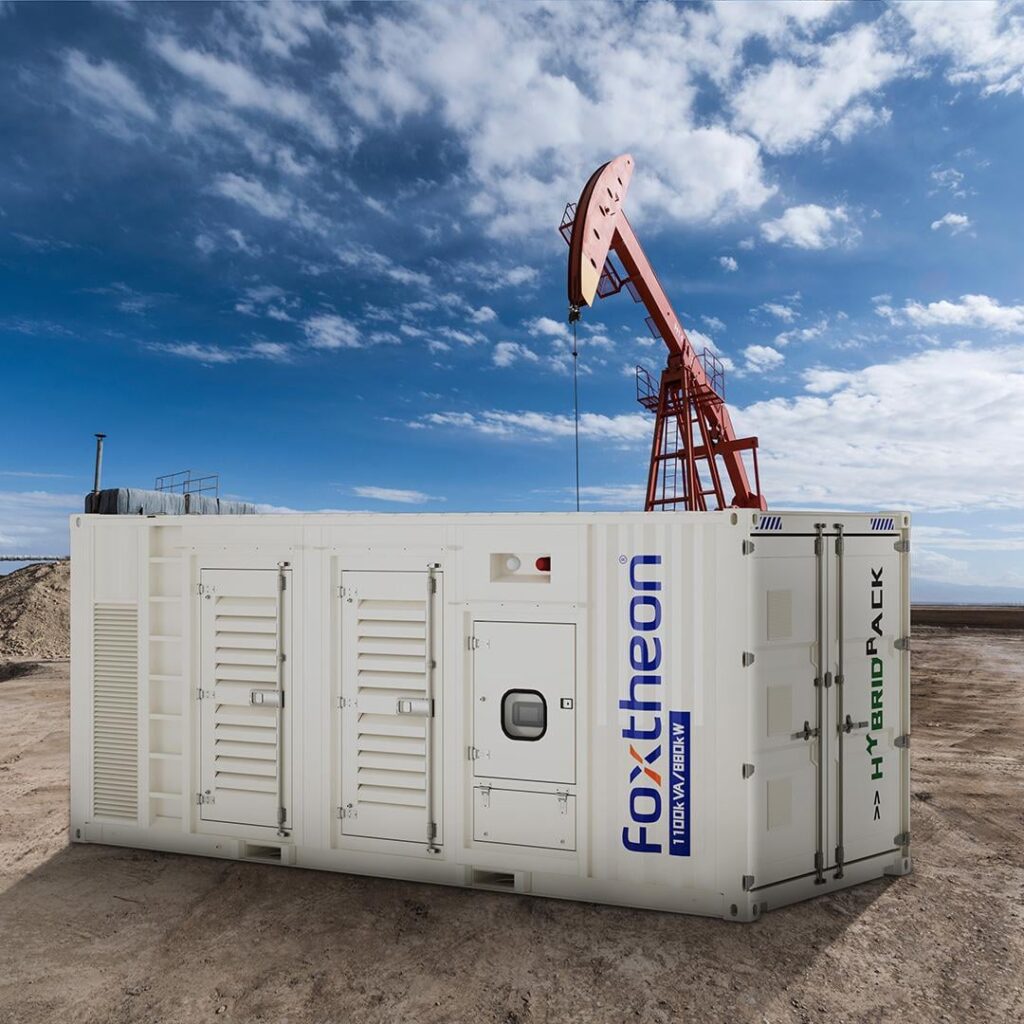
For telecom towers or remote monitoring stations, a hybrid unit can run autonomously for long periods. Manufacturers like Foxtheon design their units to withstand these harsh environments, ensuring that the smart switching technology holds up against dust, heat, and vibration.
Events and Festivals
Events have highly variable load profiles. During setup, power usage is low. During the main show, usage peaks. Overnight, it drops to near zero.
Running a massive generator 24/7 for a weekend festival is wasteful. Hybrids smooth out these peaks and troughs, ensuring quiet operation near camping areas or VIP sections.
Technical Deep Dive: Sizing and Specifications
When requesting a quote for hybrid power rental solutions, you need to provide specific data to the rental company. Guessing can lead to an undersized battery or an oversized generator.
Analyzing the Load Profile
Do not just ask for a “100kVA hybrid.” You need to understand your base load (constant low power) and your peak load (sudden high power).
If your base load is 5kW and your peak is 20kW, a battery with a 30kW inverter is ideal. The generator will rarely need to start for load support.
If your base load is 50kW and peak is 200kW, you need a much larger storage capacity. If the battery is too small, the generator will cycle on and off too frequently, negating the benefits.
Battery Chemistry Matters
Most modern rental fleets use Lithium Iron Phosphate (LFP) batteries. They are safer and have a longer cycle life than older lead-acid or Lithium Cobalt options.
When vetting suppliers, ask about the Depth of Discharge (DoD). A quality system allows you to use 90% of the battery’s capacity without degradation.
Inverter Capabilities
The inverter converts the DC battery power to AC site power. It is the bottleneck of the system.
Ensure the inverter can handle your “in-rush current.” Motors on pumps and saws draw a massive spike of power when they first start up—often 3 to 5 times their running wattage. The hybrid unit’s inverter must be robust enough to absorb this spike without tripping.
Integrating Renewable Energy Sources
One of the distinct advantages of hybrid power rental solutions is the ability to plug in solar panels.
Most modern hybrid units come with solar MPPT controllers pre-installed. If you have space on site for portable solar arrays, you can feed energy directly into the battery.
In summer months, it is possible to run a site entirely on solar and battery power, with the diesel generator acting purely as a backup standby. This is the “Holy Grail” of site power: zero emissions and zero fuel cost.
Commercial Considerations: Finding the Right Vendor
The rental market is flooded with companies claiming to offer green energy. However, the quality of the equipment varies.
Telemetry and Reporting
You cannot manage what you cannot measure. A top-tier rental provider should offer a remote monitoring portal.
You should be able to see:
Real-time fuel levels.
Battery state of charge.
CO2 emissions saved (vital for ESG reporting).
Leading tech providers like Foxtheon integrate these telemetry features directly into the hardware, allowing rental companies to provide you with detailed environmental reports at the end of the month.
Support and Service Level Agreements (SLA)
Hybrid systems are more complex than simple diesel engines. They involve software, inverters, and battery management systems (BMS).
Ensure your rental provider has technicians trained in high-voltage DC systems. If the inverter faults, a standard diesel mechanic might not know how to fix it. Check that the SLA covers rapid replacement of the electronic components.
Common Pitfalls to Avoid
Over-Sizing the System
Old habits die hard. Engineers often add a 50% “safety margin” to their power requirements. With hybrids, oversizing the generator is less critical because the battery handles the spikes. Oversizing the equipment just increases your rental rate unnecessarily.
Ignoring Low-Load Phases
Some site managers turn the hybrid system off at night to “save it.” This is incorrect. The system is designed to run 24/7. Turning it off disconnects the battery monitoring and can lead to issues upon restart. Trust the EMS to manage the power flow.
The Future of Rental Power
The pressure to decarbonize industrial sectors is not going away. Governments are introducing carbon taxes and stricter emission zones.
Hybrid power rental solutions are currently the most practical bridge between the diesel past and the fully renewable future. They offer the reliability of an engine with the cleanliness of a battery.
As battery costs continue to fall and density improves, we will see generator engines shrinking in size, serving only as range extenders. Companies like Foxtheon continue to innovate in this space, pushing the boundaries of what portable energy storage can achieve.
For project managers, the math is simple. If your site has variable loads and you are paying for diesel, a hybrid rental is likely the smarter, cheaper, and cleaner choice.
Frequently Asked Questions
Q1: How much fuel can I realistically save by switching to hybrid power rental solutions?
A1: Fuel savings typically range between 50% and 80%, depending on your specific load profile. Sites with highly variable loads or long periods of low power demand (like nights and weekends) see the highest percentage of savings compared to running a standard diesel generator 24/7.
Q2: Are hybrid rental units difficult to operate compared to standard generators?
A2: No, they are generally designed for “plug and play” operation. The internal energy management system handles the switching between battery and generator automatically. However, initial setup regarding voltage and frequency settings should be handled by the rental provider to ensure compatibility with your site equipment.
Q3: Can I connect solar panels to a rental hybrid unit?
A3: Yes, most modern hybrid power units are equipped with solar inputs and MPPT controllers. This allows you to charge the batteries using solar energy, further reducing generator runtime and fuel consumption. You should confirm the solar input specifications with your vendor before renting.
Q4: What happens if the battery runs out of power?
A4: The system is automated. When the battery reaches a pre-set low discharge level, the diesel generator automatically starts up to take over the load and recharge the battery simultaneously. Once the battery is charged, the generator shuts down.
Q5: Is a hybrid solution suitable for heavy industrial loads like large cranes or pumps?
A5: Yes, but correct sizing is critical. The inverter must be able to handle the high in-rush current (starting amps) of heavy machinery. For very large loads, the hybrid unit often acts to smooth out the demand, while the generator may run during peak operating hours to assist the battery.