
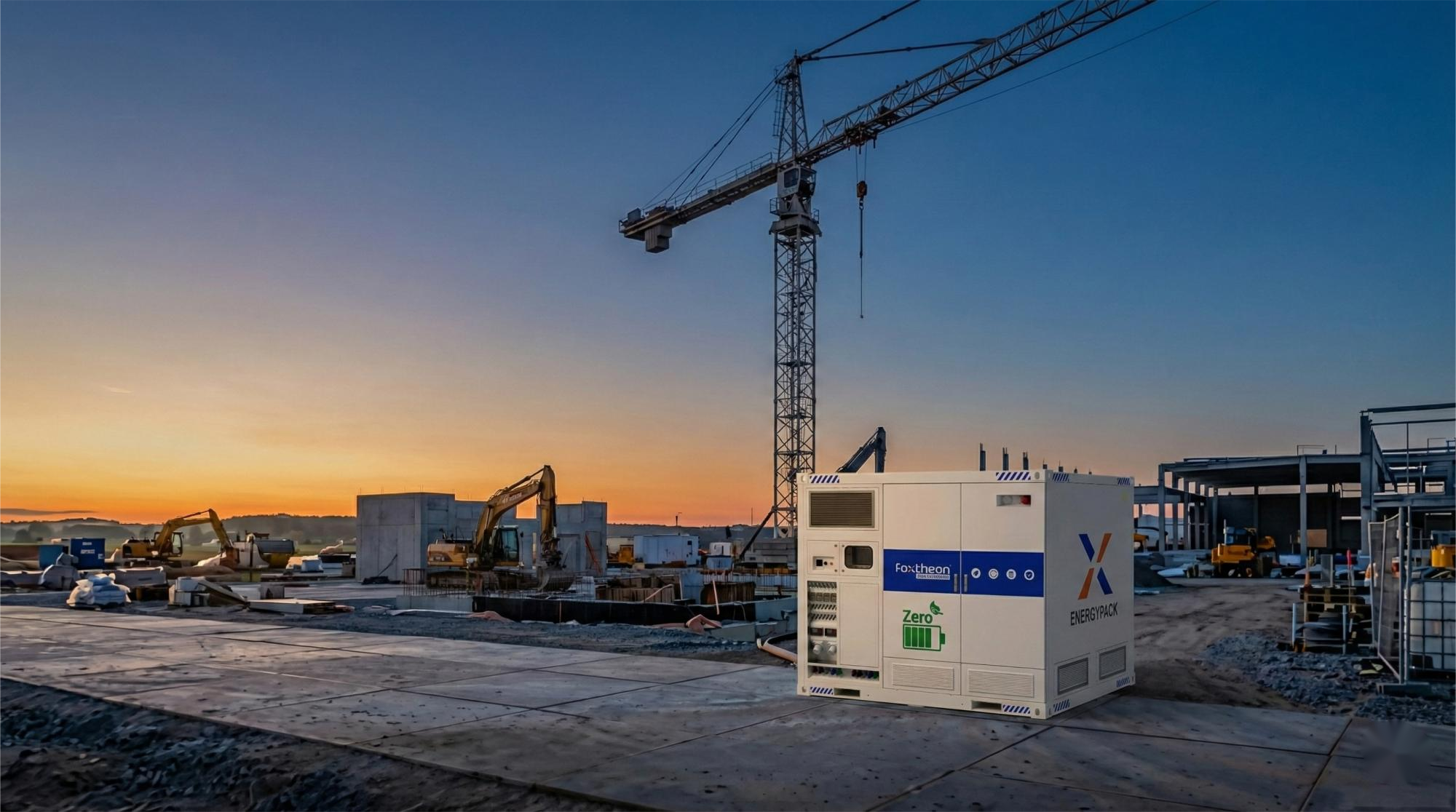
Deciding to invest in a hybrid power system—combining solar, battery storage, and a backup generator—is a big step. But before you sign any contracts, you need a clear hybrid power ROI analysis. This calculation tells you how long it will take for fuel savings and lower maintenance to pay back your upfront investment. Foxtheon works with businesses worldwide to model these numbers, ensuring that the transition to hybrid energy makes financial sense. In this article, we break down the five critical factors you must consider when running your own numbers.
1. Why a Hybrid Power ROI Analysis Matters More Than Ever
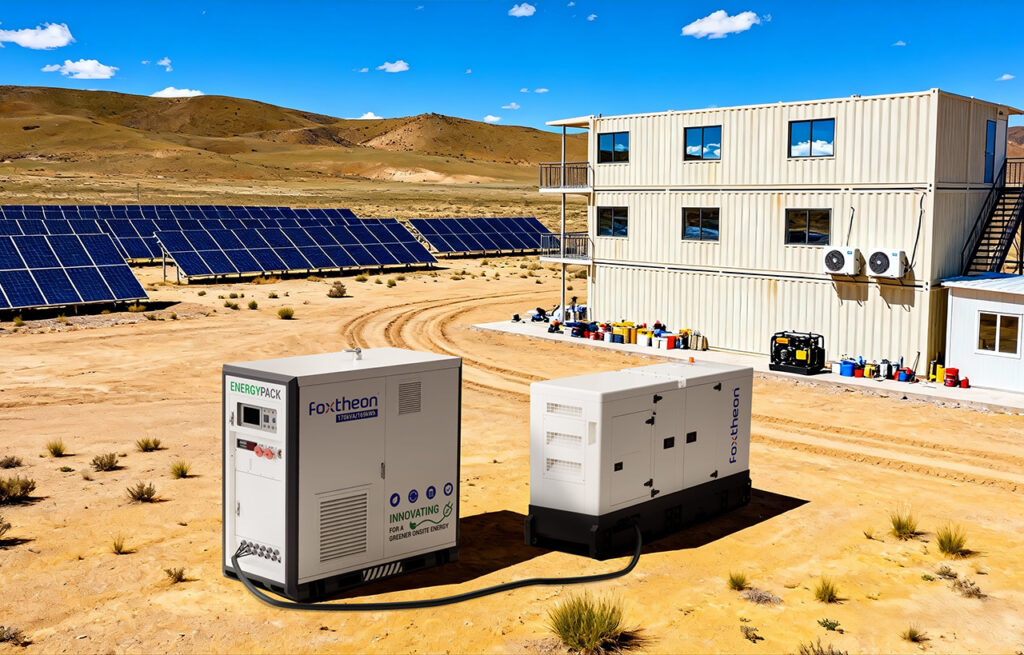
Energy prices fluctuate. Diesel costs can spike overnight. A hybrid power ROI analysis gives you a fact‑based answer to whether a solar‑battery‑generator setup will save you money over the next five, ten, or fifteen years. Without this analysis, you risk oversizing equipment or missing out on incentives. Foxtheon’s clients often find that the payback period is shorter than they expected—sometimes just three to four years—once all variables are included.
- Rising fuel costs make hybrid systems more attractive every year.
- Carbon taxes and green incentives directly improve ROI.
- A good analysis accounts for diesel price volatility, not just today’s prices.
2. The Core Variables in Any Hybrid Power ROI Analysis
Every hybrid power ROI analysis starts with the same building blocks. You need to know your current energy consumption pattern, the cost of diesel per kWh, and the solar resource at your site. But there are less obvious factors that can make or break the return. Below we dive into the three most important ones.
2.1 Capital Expenditure (CapEx) vs. Operational Expenditure (OpEx)
Hybrid systems require an upfront payment for solar panels, batteries, and controllers. A proper hybrid power ROI analysis compares this CapEx against the ongoing OpEx of a pure diesel solution. Remember: diesel gensets also need periodic overhauls. Include those costs. Foxtheon’s calculators factor in everything from fuel filter replacements to major engine repairs, giving you a true like‑for‑like comparison.
2.2 Fuel Savings and Diesel Price Escalation
Diesel might be $0.80 per litre today, but what about next year? Historical data shows fuel prices tend to rise over time. Your hybrid power ROI analysis should assume a modest annual increase—say 3% to 5%. Hybrid systems act as a hedge: every litre you don’t burn is a litre you don’t pay for at tomorrow’s higher price. This compounding effect significantly shortens the payback period.
2.3 Maintenance and Downtime Reduction
Generators running 24/7 need oil changes, filter changes, and eventual rebuilds. Hybrid systems let the generator cycle on and off, or even run only at high efficiency. Less runtime means fewer service hours. A solid hybrid power ROI analysis quantifies these savings. Some Foxtheon customers report cutting maintenance costs by more than 50% after installing a hybrid controller.
3. Hidden Benefits That Improve Hybrid Power ROI Analysis Results
Many analyses focus only on direct energy savings, but there are secondary gains. For example, in remote sites, diesel theft can be a huge problem. With a hybrid system, you store less fuel on site, reducing theft risk. Also, reliable power prevents costly production stoppages. These “soft” savings can be included in a comprehensive hybrid power ROI analysis.
- Reduced fuel storage lowers security costs and environmental liability.
- Better power quality extends the life of sensitive equipment.
- Noise reduction from fewer generator hours improves worker conditions.
Foxtheon’s approach is to help clients identify these value drivers so the ROI model reflects the full picture.
4. How to Perform a Hybrid Power ROI Analysis: A Step‑by‑Step Approach
Doing it yourself? Here is a practical method. First, collect one year of electricity bills or generator fuel logs. Second, measure your peak load and daily energy use. Third, decide on the hybrid system size—Foxtheon offers free preliminary sizing tools. Fourth, run the numbers with different fuel price scenarios. Finally, compare the net present value (NPV) of the hybrid investment versus sticking with diesel.
Many businesses skip step two and oversize the battery, which hurts ROI. A careful hybrid power ROI analysis right‑sizes the system to your actual load profile, avoiding wasted capacity.
5. Real‑World Example: Foxtheon Client Cuts Energy Costs by 40%
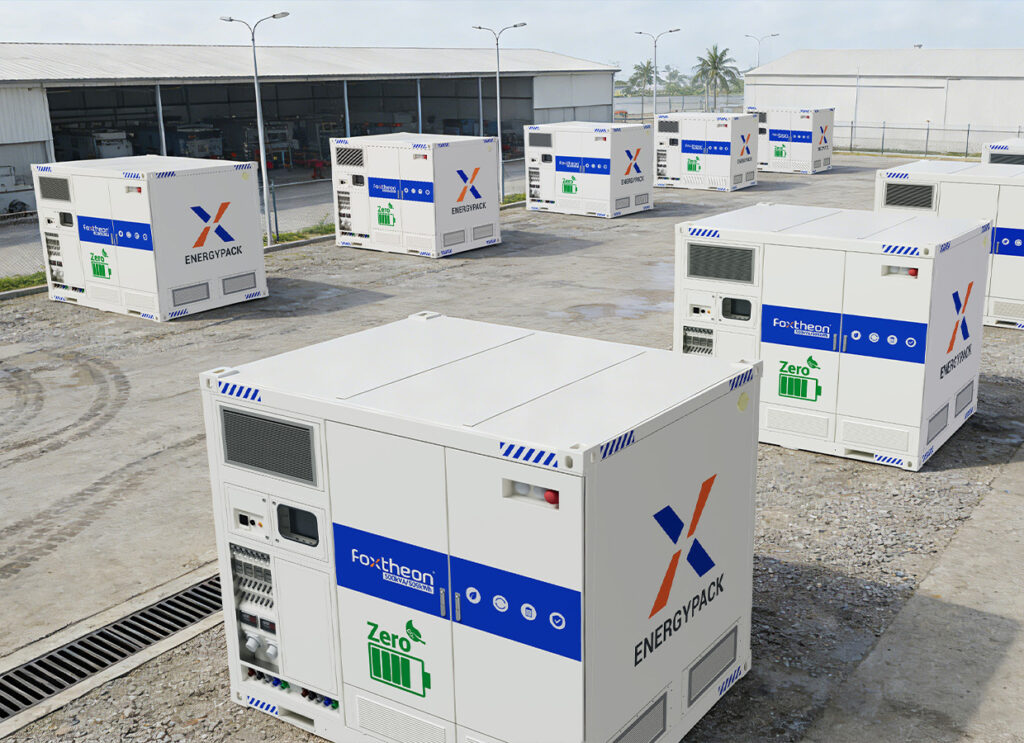
A mining camp in Western Australia used diesel generators around the clock. Their initial hybrid power ROI analysis showed a payback of 4.2 years with a 30% solar + battery system. Foxtheon provided the hybrid skid, including lithium batteries and a microgrid controller. After two years of operation, actual savings exceeded projections because diesel prices rose faster than expected. The revised payback is now under 3.5 years. The camp also reduced generator runtime to 6 hours per day, slashing maintenance calls.
6. Common Pitfalls in Hybrid Power ROI Analysis and How to Avoid Them
One mistake is ignoring battery degradation. Batteries lose capacity over time, which affects savings in year 10. A robust hybrid power ROI analysis includes a degradation curve. Another error: assuming solar production at nameplate value without shading or dust losses. Foxtheon’s engineers adjust for real‑world conditions, so the ROI you see is the ROI you get.
- Don’t forget inverter efficiency losses (usually 2–5%).
- Account for periodic battery replacement if the project life exceeds battery warranty.
- Include any available grants or tax credits—they directly improve ROI.
Frequently Asked Questions About Hybrid Power ROI Analysis
Q1: What is a typical payback period for a hybrid power system?
A1: It depends on your location and energy costs. In many diesel‑dependent sites, a hybrid power ROI analysis shows payback between 3 and 6 years. Foxtheon has seen cases where high diesel prices pushed payback under 3 years.
Q2: Do I need to include battery replacement in my ROI calculation?
A2: Yes, if you are looking at a 10‑year horizon, most lithium batteries will need replacement once. Include that cost in your hybrid power ROI analysis. However, some batteries now offer 10‑year warranties, so check the specs.
Q3: Can a hybrid power ROI analysis account for carbon taxes?
A3: Absolutely. Many regions have carbon pricing or are introducing it. Your analysis should include current and projected carbon costs. This often improves the ROI of hybrid systems because they produce fewer emissions.
Q4: How accurate are online ROI calculators compared to a professional analysis?
A4: Online tools give a rough estimate. For a final investment decision, you need a detailed hybrid power ROI analysis that considers your specific load profile, weather data, and local fuel prices. Foxtheon offers this as part of their feasibility study.
Q5: What if my load changes over time—can the ROI analysis handle that?
A5: Yes, you can model different load growth scenarios. For example, if you plan to expand a facility, your hybrid power ROI analysis can show how a larger hybrid system today might accommodate future needs without major upgrades.
Q6: Does hybrid power ROI include the value of improved reliability?
A6: It can. Some businesses assign a dollar value to avoided downtime. If a blackout costs you $10,000 per hour, then a hybrid system that prevents outages adds that to the ROI. Include this in your hybrid power ROI analysis to capture the full benefit.
Start Your Hybrid Power ROI Analysis Today
Investing in hybrid power is a strategic decision, and numbers should lead the way. A thorough hybrid power ROI analysis cuts through the marketing hype and shows you the real financial outcome. Whether you run a remote mine, a telecom tower, or an agricultural operation, the principles remain the same: lower fuel use, lower maintenance, and more predictable energy costs. Foxtheon provides the tools and expertise to help you build an accurate model. With the right data, you can confidently move forward—or identify when it’s better to wait. Either way, you’ll have clarity. And that’s the true value of a good analysis.