
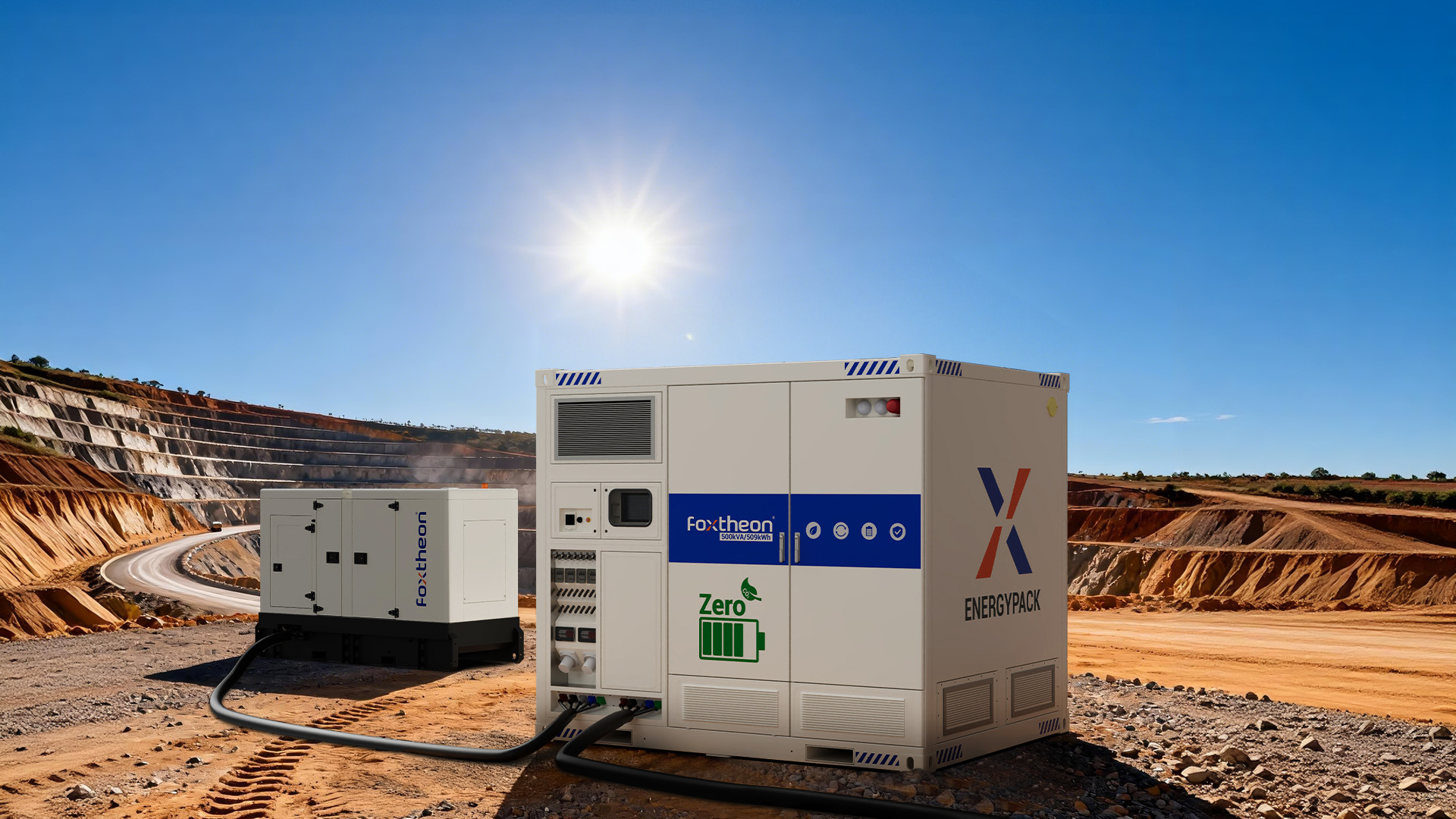
Power reliability is the backbone of any heavy industry. When a power supply fails, production lines stop, data corrupts, and safety risks escalate. For facility managers and IT directors, knowing when to schedule an industrial grade UPS replacement is not just about maintenance; it is about protecting the bottom line.
Aging infrastructure often struggles to keep up with modern load demands. A Uninterruptible Power Supply (UPS) installed ten years ago may no longer offer the efficiency or redundancy your operations require today.
Innovators in the intelligent energy sector, such as Foxtheon, emphasize that timely upgrades prevent catastrophic failures. This guide explores the essential aspects of replacing your critical power systems without disrupting your business.
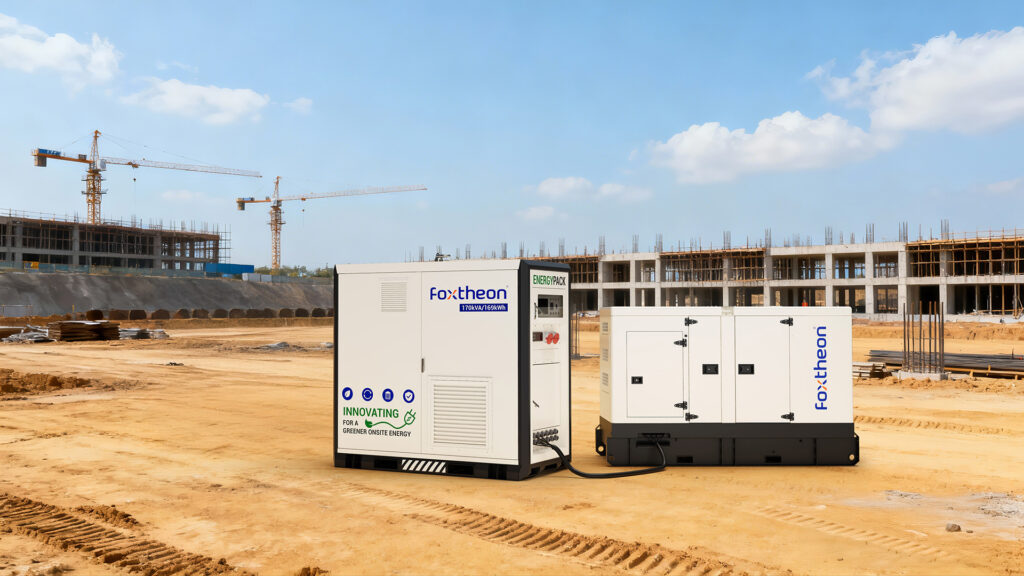
Why Industrial Grade UPS Replacement is Crucial for Uptime
The cost of downtime is the primary driver for most infrastructure upgrades. In manufacturing or data center environments, a single minute of power loss can cost thousands of dollars. An industrial grade UPS replacement ensures that your backup systems respond instantly during grid failures.
Older UPS units often rely on outdated internal components. Capacitors dry out, and fans fail. These mechanical breakdowns usually happen when the system is under the most stress.
Replacing these units allows you to integrate smarter monitoring systems. Modern units provide real-time data on load health, battery status, and input power quality.
The Hidden Costs of Aging Systems
Holding onto an old UPS often costs more than buying a new one. Older systems operate at lower efficiency levels. A legacy UPS might run at 85% efficiency, wasting significant energy as heat.
Newer models frequently achieve efficiencies above 96% in double-conversion mode. This reduction in energy waste lowers your utility bills immediately.
Furthermore, the maintenance costs for obsolete units skyrocket. Spare parts become scarce, and service technicians charge a premium for working on legacy hardware. An industrial grade UPS replacement eliminates these unpredictable expenses.
Higher Cooling Costs: Old units generate more heat.
Frequent Repairs: Component failure rates increase exponentially after year 10.
Space Inefficiency: Legacy systems often have a larger physical footprint.
Efficiency Gains with Modern Tech
Modern power electronics have changed how we manage energy. New Silicon Carbide (SiC) components allow for smaller, cooler, and more efficient power conversion.
When you perform an industrial grade UPS replacement, you often gain capacity without using more floor space. This is vital for facilities where real estate is at a premium.
Additionally, modern systems interact better with the grid. They offer better power factor correction, ensuring that you do not pay penalties to your utility provider for “dirty” power usage.
Critical Signs You Need an Industrial Grade UPS Replacement
How do you know it is time? UPS systems rarely fail without warning. They give off signals that experienced facility managers recognize.
If your system is over 10 to 12 years old, you are in the danger zone. Even with perfect maintenance, internal components degrade.
Below are specific indicators that an industrial grade UPS replacement should be your immediate priority.
Battery Degradation Indicators
Batteries are the weak link in any power chain. While you can replace battery strings, there comes a point where the charger itself or the UPS electronics compromise battery health.
If you find yourself replacing batteries more frequently than the manufacturer suggests, the UPS charging circuit may be drifting.
Short Discharge Times: The system holds the load for less time than rated.
Swelling Cases: Physical deformation of battery blocks.
High Internal Resistance: Readings that indicate the chemical reaction is failing.
End-of-Life (EOL) Components
UPS manufacturers eventually stop supporting older models. Once a manufacturer declares a unit EOL (End of Life), they stop making firmware updates and spare parts.
Running an EOL system is a significant risk. If a control board fails, you might not find a replacement anywhere. This forces an emergency industrial grade UPS replacement, which is always more expensive than a planned one.
Look for audible changes as well. If the cooling fans run louder than usual or make grinding noises, the mechanical bearings are failing. This can lead to overheating and sudden shutdown.
Planning Your Industrial Grade UPS Replacement Strategy
A successful project requires detailed planning. You cannot simply swap box A for box B. Your facility’s power needs have likely changed since the original installation.
Start with a thorough site audit. Measure the actual peak load, not just the rating on the nameplate. Many facilities run at partial load, which influences the sizing of the new unit.
Brands like Foxtheon advocate for a holistic view during this phase. They suggest looking at the entire energy ecosystem, including potential solar integration or peak shaving capabilities.
Sizing and Load Analysis
Oversizing is a common mistake. In the past, engineers would double the capacity “just in case.” However, UPS systems run most efficiently at higher load percentages.
If you buy a 500kVA unit for a 50kW load, you waste energy. An industrial grade UPS replacement project is the perfect time to right-size your infrastructure.
Analyze Peak Demand: Review data from the last 12 months.
Future Growth: Factor in expected equipment additions for the next 5 years.
Harmonic Distortion: Ensure the new unit handles non-linear loads generated by modern LED lighting and variable frequency drives (VFDs).
Modular vs. Monolithic Architecture
The industry is shifting toward modular designs. In a monolithic system, the UPS is one giant cabinet. If it fails, you lose protection unless you have a parallel unit.
Modular systems consist of smaller power modules (e.g., 50kW each) stacked in a frame. If one module fails, the others pick up the slack.
Choosing a modular architecture during your industrial grade UPS replacement offers better scalability. You can start with the power you need now and add modules later as your business grows. This “pay-as-you-grow” model optimizes capital expenditure.
Choosing the Right Battery Technology
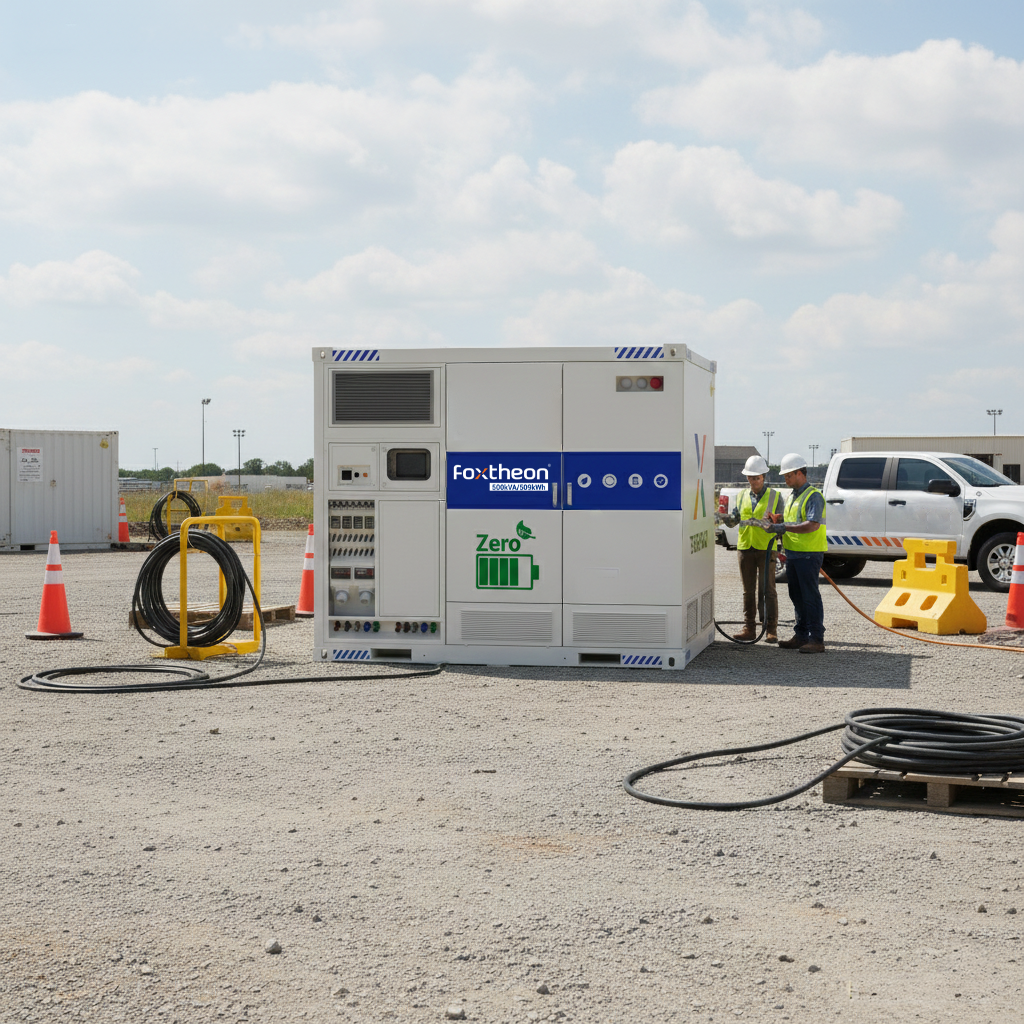
The battery bank takes up the most space and weight. Traditionally, Valve Regulated Lead Acid (VRLA) batteries were the standard. They are heavy, temperature-sensitive, and require frequent replacement.
During an industrial grade UPS replacement, you must decide whether to stick with VRLA or move to Lithium-Ion (Li-ion).
Lead-Acid vs. Lithium-Ion
Li-ion batteries are transforming the market. They are 60% lighter and 70% smaller than equivalent lead-acid banks.
While the upfront cost of Li-ion is higher, the Total Cost of Ownership (TCO) is lower over 10 years. They last longer and require less cooling.
VRLA Pros: Lower initial purchase price; familiar technology; recycling infrastructure is mature.
VRLA Cons: Heavy; short lifespan (3-5 years); sensitive to heat.
Li-ion Pros: 10-15 year lifespan; faster recharge; tolerates higher temperatures.
Li-ion Cons: Higher upfront cost; requires sophisticated Battery Management Systems (BMS).
Foxtheon’s Approach to Energy Storage
Leading intelligent energy providers integrate storage directly into the power strategy. Foxtheon focuses on solutions where the battery does more than just wait for a blackout.
Their systems often support hybrid applications. This means your industrial grade UPS replacement could also help with grid stabilization or energy shifting.
By utilizing advanced BMS, these modern solutions prevent thermal runaway and provide deep insights into cell health. This transparency builds confidence in the system’s reliability.
The Installation Process: Minimizing Operational Disruption
The physical installation is the most critical phase. Most industrial facilities cannot afford a total shutdown.
You must plan for a “hot” cutover or use a maintenance bypass. A maintenance bypass allows you to route utility power directly to the load, bypassing the UPS entirely. This keeps equipment running while you remove the old unit.
Logistics play a huge role here. An industrial grade UPS replacement involves moving heavy equipment. Ensure your floors can support the weight and that the elevators or doors are wide enough.
Site Survey: verify electrical paths and physical access.
Bypass Activation: Switch load to utility power safely.
Decommissioning: Remove old batteries and hazardous materials responsibly.
Installation: Position new cabinets and connect cabling.
Commissioning: Test all modes of operation, including battery discharge and bypass functions.
Cost Analysis: Repair vs. Industrial Grade UPS Replacement
When facing a major repair quote, the “repair or replace” debate begins.
If a repair costs more than 50% of the price of a new unit, replacement is usually the better financial decision. You must also consider the risk of the next component failing.
An industrial grade UPS replacement resets the clock on warranty and reliability. New systems typically come with a 1-2 year warranty, covering parts and labor.
Also, consider the tax implications. New capital equipment often qualifies for depreciation benefits that repairs do not.
Repair: Fixes immediate issue; old components remain; efficiency stays low.
Replace: High reliability; new warranty; energy savings; improved monitoring.
Investing in a modern system pays back through operational savings. The reduction in cooling requirements alone can save thousands annually in large facilities.
Power protection is not a “set it and forget it” investment. As technology evolves and equipment ages, the reliability of your power chain diminishes. Recognizing the signs—such as increased repair frequency, battery failure, or inefficiency—is the first step toward a secure energy future.
Executing a well-planned industrial grade UPS replacement protects your critical assets and reduces long-term operating costs. By moving to modular designs or lithium-ion technology, you position your facility for greater flexibility and sustainability.
Companies like Foxtheon stand ready to support this transition with cutting-edge intelligent energy solutions. Whether you manage a data center or a manufacturing plant, upgrading your power infrastructure ensures that your operations remain resilient against an unpredictable grid. Do not wait for a blackout to reveal the weakness in your system; plan your upgrade today.
Frequently Asked Questions
Q1: How often should I perform an industrial grade UPS replacement?
A1: Generally, the lifespan of an industrial UPS is between 12 to 15 years. However, capacitors and fans often need replacement every 5 to 7 years. If your system is over 10 years old and requires major repairs, a full replacement is usually more cost-effective.
Q2: Can I just replace the batteries instead of the whole UPS?
A2: Yes, you can replace just the batteries, and this is common maintenance. However, if the internal electronics of the UPS are aging or the efficiency is low, putting new batteries into an old system is risky. An industrial grade UPS replacement is better if the hardware itself is nearing end-of-life.
Q3: How long does the replacement process take?
A3: The timeline depends on the complexity of the site. A straightforward swap might take 1 to 2 days. However, large projects involving rewiring, structural changes, or complex bypass arrangements can take several weeks of planning and execution.
Q4: Will I experience downtime during the replacement?
A4: With proper planning, downtime is avoidable. By using an external maintenance bypass switch, you can route power around the UPS to keep your load running. Professional installers ensure the load remains powered during the physical swap.
Q5: Is it worth upgrading to Lithium-Ion batteries during an industrial grade UPS replacement?
A5: For most industrial applications, yes. While they cost more upfront, Li-ion batteries last 2-3 times longer than lead-acid batteries and require less cooling and maintenance. This lowers the Total Cost of Ownership significantly over the system’s life.