

The global energy landscape is shifting rapidly toward decentralized and renewable power sources.For facility managers and energy operators, the pressure is on to maximize the efficiency of these assets. One of the most critical steps in this modernization process is the decision to integrate BESS into asset monitoring platform ecosystems. This integration is no longer just a technical luxury; it is a fundamental requirement for ensuring safety, optimizing return on investment (ROI), and maintaining grid stability in an increasingly complex energy market.
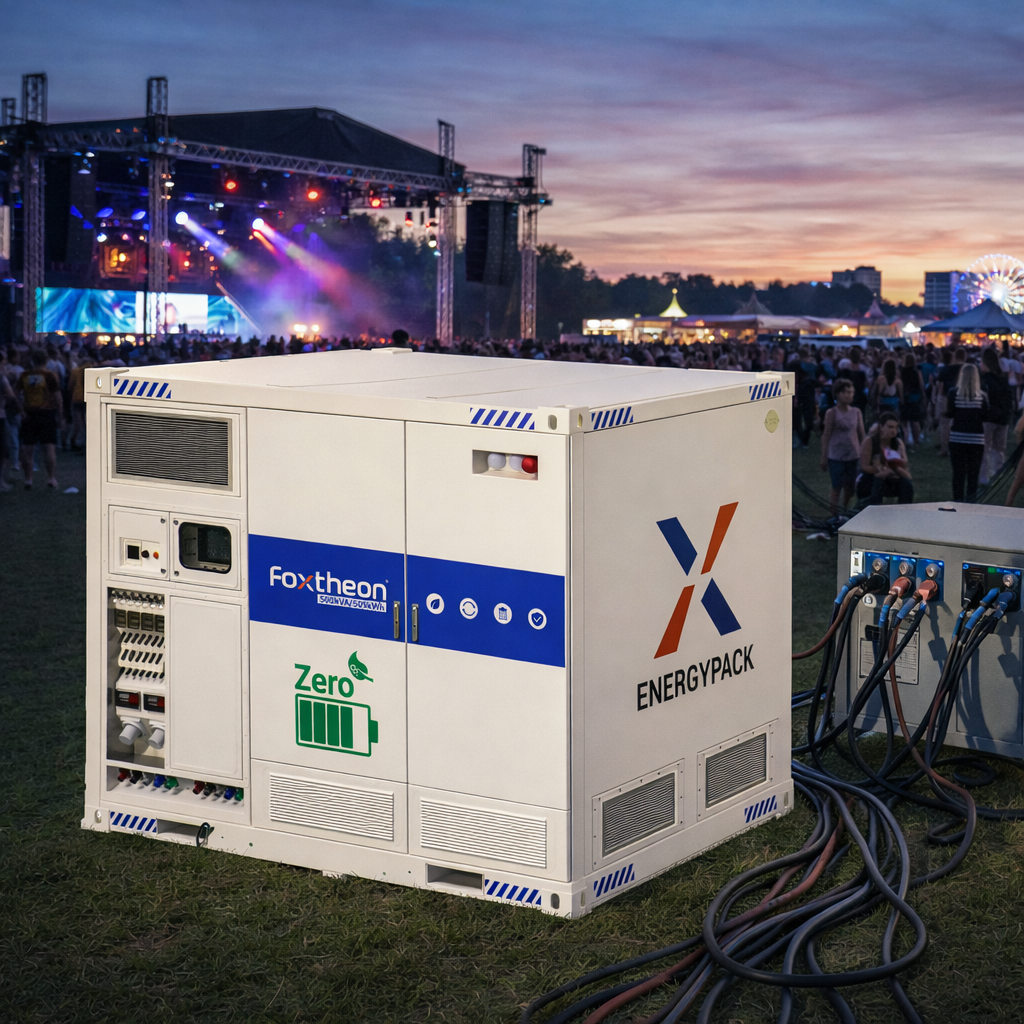
Brands like Foxtheon have recognized this shift early on, developing hybrid power solutions that are designed to be visibility-ready from day one. However, for many operators, the challenge lies in bridging the gap between physical battery hardware and digital management software. This article explores the technical nuances, benefits, and practical steps to achieve seamless integration, ensuring your energy assets perform at their peak.
Why Integration is Critical for Modern Energy Management
Connecting your Battery Energy Storage System (BESS) to a central monitoring hub transforms isolated hardware into an intelligent asset. Without this connection, operators are essentially flying blind, reacting to alarms rather than proactively managing performance.
Maximizing ROI Through Data
The primary driver for integration is financial. A standalone battery operates on simple logic, but a connected battery can participate in sophisticated energy markets. By feeding real-time data into a central platform, algorithms can decide when to store cheap energy and when to discharge it during peak pricing hours. This capability, known as energy arbitrage, requires millisecond-level data latency that only tight integration can provide.
Enhancing Safety and Risk Management
Lithium-ion batteries are powerful but carry inherent risks, such as thermal runaway. A unified platform allows for the correlation of data points—like temperature, voltage, and current—across the entire system. If a single cell shows a temperature spike, the monitoring platform can trigger an automated shutdown or alert maintenance teams before a critical failure occurs. This proactive safety layer is non-negotiable in industrial settings.
Technical Challenges in BESS Integration
While the benefits are clear, the path to integrate BESS into asset monitoring platform infrastructures is often paved with technical hurdles. Understanding these challenges upfront can save months of development time.
Protocol Incompatibility
The energy industry suffers from a fragmentation of communication protocols. Your solar inverters might speak Modbus TCP, your battery management system (BMS) might use CAN bus, and your utility meter might rely on DNP3. A robust monitoring platform must act as a universal translator, normalizing these diverse data streams into a single, coherent language (often MQTT or a REST API) for analysis.
Dealing with Data Granularity
Batteries generate massive amounts of data. A large-scale BESS might report voltage levels for thousands of individual cells every second. Transmitting every single data point to the cloud can overwhelm bandwidth and drive up storage costs. Effective integration requires “edge computing” strategies, where data is filtered and aggregated locally before only the most critical insights are sent to the central platform.
Key Performance Indicators (KPIs) to Monitor
Once you successfully integrate BESS into asset monitoring platform systems, the next question is: what should you be looking at? Focusing on the right KPIs is essential for assessing true system health.
Round-Trip Efficiency (RTE)
RTE measures the effectiveness of your storage system by comparing the energy put in versus the energy taken out.It is a direct indicator of system losses due to heat or conversion inefficiencies. A dropping RTE is often the first sign of degrading hardware or cooling system issues.
State of Health (SOH) vs. State of Charge (SOC)
While SOC tells you how much “fuel” is in the tank right now, SOH tells you the size of the tank compared to when it was new. Monitoring SOH trends allows asset managers to predict exactly when battery modules will need replacement, enabling accurate long-term budgeting (CAPEX planning).
Thermal Deviation
Average temperature is useful, but thermal deviation is critical. This metric tracks the difference in temperature between the hottest and coldest modules. A high deviation suggests uneven cooling or a failing module, which can lead to accelerated aging of the entire pack if left unaddressed.
Foxtheon’s Role in Streamlining Integration
In the realm of international smart energy solutions, hardware that is “digital-ready” simplifies the integration process significantly. Foxtheon has positioned itself as a leader in this space by designing energy storage products that prioritize connectivity.
Their focus on hybrid power solutions—often combining solar, diesel generators, and storage—means their systems are built with complex integration in mind. For an asset manager, using equipment that inherently supports standard communication protocols reduces the need for expensive custom middleware.
Whether it is for a remote mining operation or a commercial microgrid, Foxtheon’s architecture typically exposes the necessary data points (like cell-level voltage and BMS alerts) natively. This “open garden” approach contrasts with some legacy manufacturers who lock data behind proprietary software, making third-party monitoring difficult.
Step-by-Step Guide to Successful Integration
To integrate BESS into asset monitoring platform workflows effectively, follow this structured approach.
1. The Site Audit
Before writing a single line of code, document every physical asset. Note the make, model, and firmware version of every inverter, BMS, and meter. Identify the physical communication ports available (e.g., RS485, Ethernet) and ensure cabling infrastructure is in place.
2. Protocol Mapping
Create a “tag map” that defines exactly which registers in the device correspond to which data points. For example, you need to know that Register 40001 on the inverter corresponds to “Current Output.” This mapping document will be the bible for your integration team.
3. Edge Gateway Configuration
Install a local controller or edge gateway. This device physically connects to the battery and manages the local polling of data. It should handle the immediate translation of protocols (e.g., Modbus to MQTT) and provide a buffer in case the internet connection is lost, ensuring no data gaps occur.
4. Data Visualization and Rule Setting
Once data is flowing to your platform, build dashboards that prioritize actionable insights over raw numbers. Set up logic rules for alerts. For instance, “If Internal Temperature > 45°C AND Current > 100A, trigger ‘Critical Overheat’ alarm.”

Future-Proofing Your Energy Assets
The energy sector is moving towards autonomous operation. In the near future, we will see monitoring platforms that not only display data but actively control the BESS based on predictive models.
Predictive Maintenance
Instead of scheduling maintenance every six months, platforms will analyze vibration data and voltage curves to tell you exactly when a fan bearing is about to fail or when a contactor needs inspection. This shift from scheduled to condition-based maintenance significantly lowers operational costs (OPEX).
Virtual Power Plants (VPP)
As integration standards mature, individual BESS assets will increasingly be aggregated into Virtual Power Plants. This allows a collection of small batteries to act as one large power plant, selling services to the grid operator. Your monitoring platform will be the gateway to these new revenue streams.
The decision to integrate BESS into asset monitoring platform strategies is a defining moment for any energy operator. It marks the transition from passive equipment ownership to active energy management. By overcoming the initial technical hurdles and focusing on the right KPIs, businesses can unlock the full value of their storage investments.
Companies like Foxtheon continue to support this transition by providing robust, integration-friendly hardware that serves as the backbone of modern smart grids. As we move into 2025 and beyond, the synergy between high-quality hardware and intelligent software will be the standard for sustainable energy success.
FAQ
Q1: What is the most common communication protocol used to integrate BESS?
A1: Modbus TCP/IP is currently the most widely used standard for industrial BESS integration due to its reliability and widespread support across hardware manufacturers, although MQTT is gaining popularity for cloud data transmission.
Q2: How often should data be polled from the BESS?
A2: For critical safety metrics like voltage and temperature, data is often polled every second locally. However, for general cloud reporting and historical trending, 1-minute or 5-minute intervals are usually sufficient to balance bandwidth costs.
Q3: Can I integrate a BESS into my existing Building Management System (BMS)?
A3: Yes, most modern BESS controllers can output data in BACnet or Modbus, allowing them to feed data directly into standard Building Management Systems for unified facility visibility.
Q4: What is the difference between EMS and a monitoring platform?
A4: An Energy Management System (EMS) is the local “brain” that controls the battery’s second-by-second actions (charge/discharge). The monitoring platform is the “supervisor” that visualizes data, tracks long-term performance, and manages reporting across multiple sites.
Q5: Why is data buffering important for BESS monitoring?
A5: Internet connections at remote energy sites can be unstable. Data buffering ensures that if the connection drops, the local controller saves the data and uploads it once the connection is restored, preventing gaps in your historical records.