
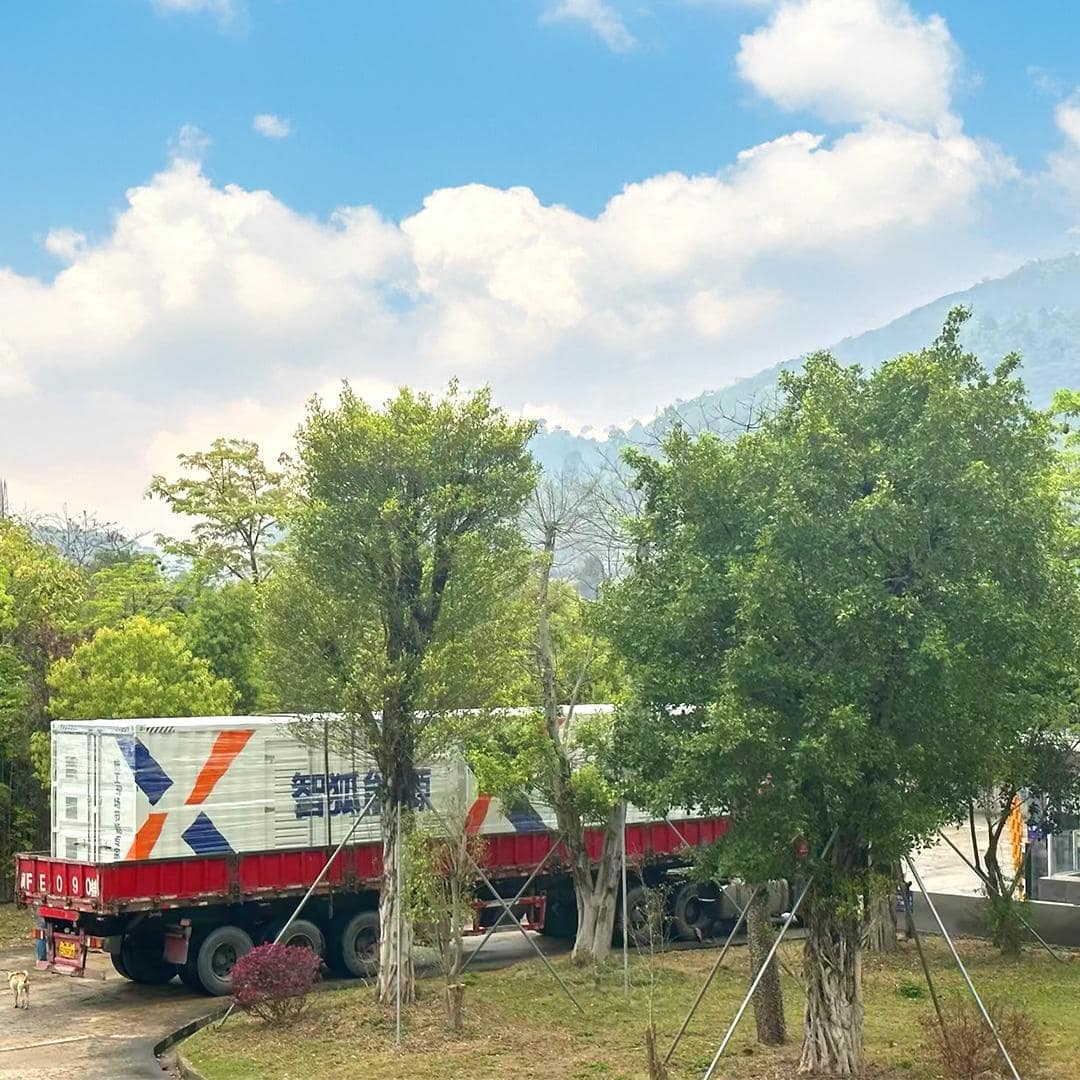
Energy reliability is no longer just about having a backup plan. It is about efficiency, cost reduction, and environmental responsibility. If you rely on off-grid power or unstable grid connections, you have likely noticed that running a diesel generator 24/7 is becoming unsustainable. Fuel prices fluctuate, and maintenance costs pile up when engines run at low loads.
This is where the generator hybrid system comes into play. It represents a significant shift in how we approach independent power generation. Instead of relying solely on an engine to meet every spike and dip in demand, these systems use intelligent storage to balance the load.
Companies in the international smart energy sector, such as Foxtheon, have been observing this shift for years. The market is moving away from brute force power toward intelligent energy management. But how exactly does this technology work, and is it truly worth the investment for your specific application? Let’s break it down.
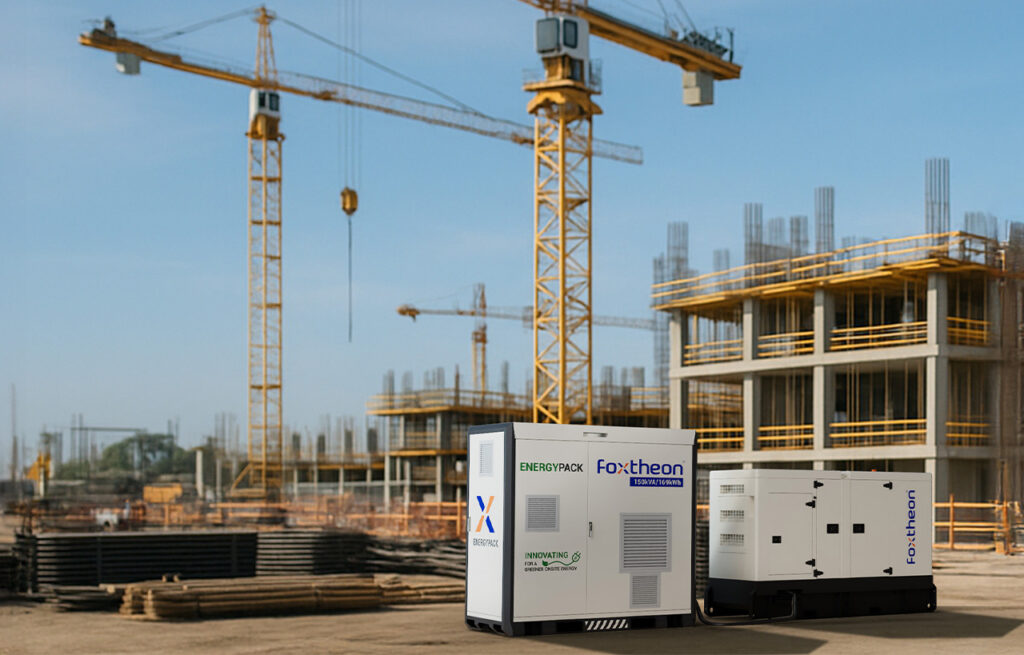
Understanding the Generator Hybrid System Architecture
To understand the benefits, we first need to look at what makes up a generator hybrid system. It is not just a generator with a battery attached; it is a fully integrated ecosystem.
The Role of the Battery Bank
In a traditional setup, the generator must run even if you only need to power a single light bulb or charge a laptop. This causes “wet stacking” and damages the engine. In a hybrid setup, the battery bank handles these low loads. The engine stays off until the load increases or the batteries need recharging.
The Smart Controller
The brain of the operation is the controller. It constantly monitors the load demand. If the demand is low, it draws from the battery. If the demand spikes, it starts the generator. This automation ensures that the generator only runs when it is most efficient to do so.
Why Industries Are Switching to Hybrid Power
The adoption of the generator hybrid system isn’t just a trend; it is a financial calculation. Industries ranging from construction to telecommunications are seeing immediate returns on investment.
Drastic Fuel Savings
The most obvious benefit is fuel reduction. Because the generator runs less frequently, you burn less diesel. However, the savings go deeper than just runtime. When the generator does run in a hybrid system, it runs at its optimal load (usually 80-90% capacity) to charge the batteries quickly. Engines are most efficient at high loads, meaning you get more kilowatt-hours per liter of fuel.
Extended Engine Lifespan
Generators have a finite lifespan measured in hours. If you run a generator 24 hours a day, you will hit maintenance intervals every few weeks. By switching to a hybrid model, the generator might only run for 4 to 6 hours a day. This effectively extends the calendar life of the asset by three or four times, significantly reducing service callouts.
Real-World Applications of a Generator Hybrid System
Where does this technology make the most sense? While it can be used almost anywhere power is needed, certain scenarios benefit more than others.
Telecom Base Stations
Telecom towers are often located in remote areas with difficult access. Refueling these sites is expensive and logistically challenging. A generator hybrid system is perfect here because the electrical load is relatively constant but low. The batteries can carry the load for most of the day, with the generator cycling briefly to recharge them.
Construction and Mining Camps
Work sites have fluctuating power needs. During the day, cranes and heavy machinery create massive power draws. At night, the only requirement might be security lighting and HVAC for sleeping quarters. A standard generator would run all night, wasting fuel. A hybrid system switches to battery power for the night shift, ensuring silence and savings.
Integrating Renewables
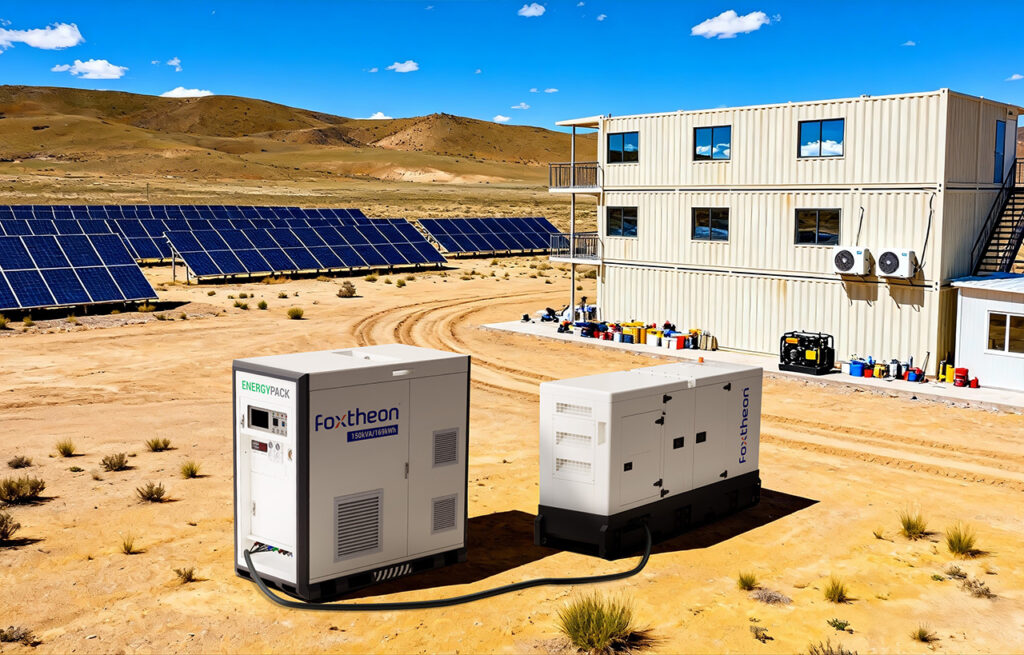
This is where brands like Foxtheon excel in the smart energy conversation. These systems are often “solar-ready.” You can connect solar panels directly to the hybrid unit. During the day, the sun charges the batteries. The generator then becomes a secondary backup, only kicking in during long periods of bad weather. This moves the site closer to zero emissions.
Comparing Traditional Gensets vs. Hybrid Systems
It is helpful to look at the numbers to see the difference between the two approaches.
Efficiency at Low Loads
A standard diesel generator running at 10% load is incredibly inefficient. It might burn 2 liters of fuel to produce a small amount of electricity, most of which is wasted as heat. In contrast, a generator hybrid system offers 100% efficiency during low-load periods because the energy comes directly from the battery storage.
Noise Pollution Levels
Noise is a major concern for events, film sets, and urban construction. A running diesel engine produces significant decibels. A hybrid system offers “silent periods.” You can schedule the generator to run only during the day and switch to silent battery power in the evening or during sensitive filming hours.
Key Considerations Before Installing a Hybrid Unit
Before you rush out to replace your equipment, there are several factors you need to evaluate to ensure a generator hybrid system fits your workflow.
Sizing the Battery Correctly
Undersizing the battery bank will cause the generator to cycle on and off too frequently, defeating the purpose of the system. Oversizing it adds unnecessary upfront costs. You need a load profile analysis to determine exactly how many kWh of storage you need to cover your “silent” periods.
Temperature and Environment
Batteries, particularly Lithium-ion variants, are sensitive to temperature extremes. If you are operating in sub-zero climates or extreme desert heat, the system needs robust thermal management. High-quality hybrid units come with insulated enclosures and HVAC systems for the battery compartment.
Total Cost of Ownership (TCO)
The upfront cost of a hybrid unit is higher than a standard generator. However, you must calculate the TCO. When you factor in a 60% reduction in fuel and a 70% reduction in maintenance costs, the break-even point is often reached within 12 to 24 months.
The Future of Distributed Energy
The landscape of power generation is changing. We are moving away from centralized grids toward distributed energy resources. The generator hybrid system acts as a bridge technology. It allows businesses to utilize familiar diesel fuel reliability while stepping into the world of energy storage and management.
Innovators in the field, including Foxtheon, are continuing to push the boundaries of what these systems can do. We are seeing better software that predicts load patterns using AI, higher density batteries that take up less space, and plug-and-play interfaces that make installation incredibly simple.
For international markets, particularly in developing nations with unstable grids, these systems provide energy security. They stabilize voltage, prevent blackouts from affecting critical operations, and provide a pathway to eventually integrating solar or wind power without overhauling the entire infrastructure.
Choosing the right power solution requires looking beyond the initial price tag. While traditional generators have served us well for decades, they are blunt instruments in a world that requires precision.
A generator hybrid system offers a smarter way to work. It respects your budget by saving fuel, respects your neighbors by reducing noise, and respects the environment by lowering carbon emissions. Whether you are running a remote telecom tower or a bustling construction site, the shift to hybrid power is a logical step forward.
As companies like Foxtheon continue to develop more accessible and advanced hybrid solutions, we can expect this technology to become the standard, rather than the alternative, in off-grid power generation.
Frequently Asked Questions
Q1: How much fuel can a generator hybrid system actually save?
A1: Typically, users see fuel savings between 40% and 60% compared to a standard generator. The exact amount depends on your specific load profile. If your application has long periods of low power demand, your savings will be on the higher end because the engine stays off for longer durations.
Q2: Can I add solar panels to a generator hybrid system later?
A2: Yes, most modern hybrid systems are designed with renewable integration in mind. They usually feature DC inputs that allow you to plug in solar arrays. The system’s controller will prioritize solar energy to charge the batteries, using the generator only as a last resort.
Q3: What represents the typical lifespan of the batteries in these systems?
A3: This depends on the battery chemistry. Lead-acid batteries generally last 3 to 5 years, while Lithium-ion batteries, which are becoming the industry standard, can last 10 years or more (often exceeding 3,000 to 5,000 cycles) before needing replacement.
Q4: Is a hybrid system difficult to maintain compared to a diesel generator?
A4: It is actually easier. While the electrical components require occasional inspection, the most maintenance-heavy part—the diesel engine—runs significantly less. This means fewer oil changes, fewer filter replacements, and less mechanical wear and tear overall.
Q5: Does the system switch between battery and generator automatically?
A5: Yes, the process is fully automated. The intelligent management system monitors voltage and load. When the battery gets low, it automatically starts the generator. Once the battery is full or the load decreases, it shuts the engine down without any human intervention.