
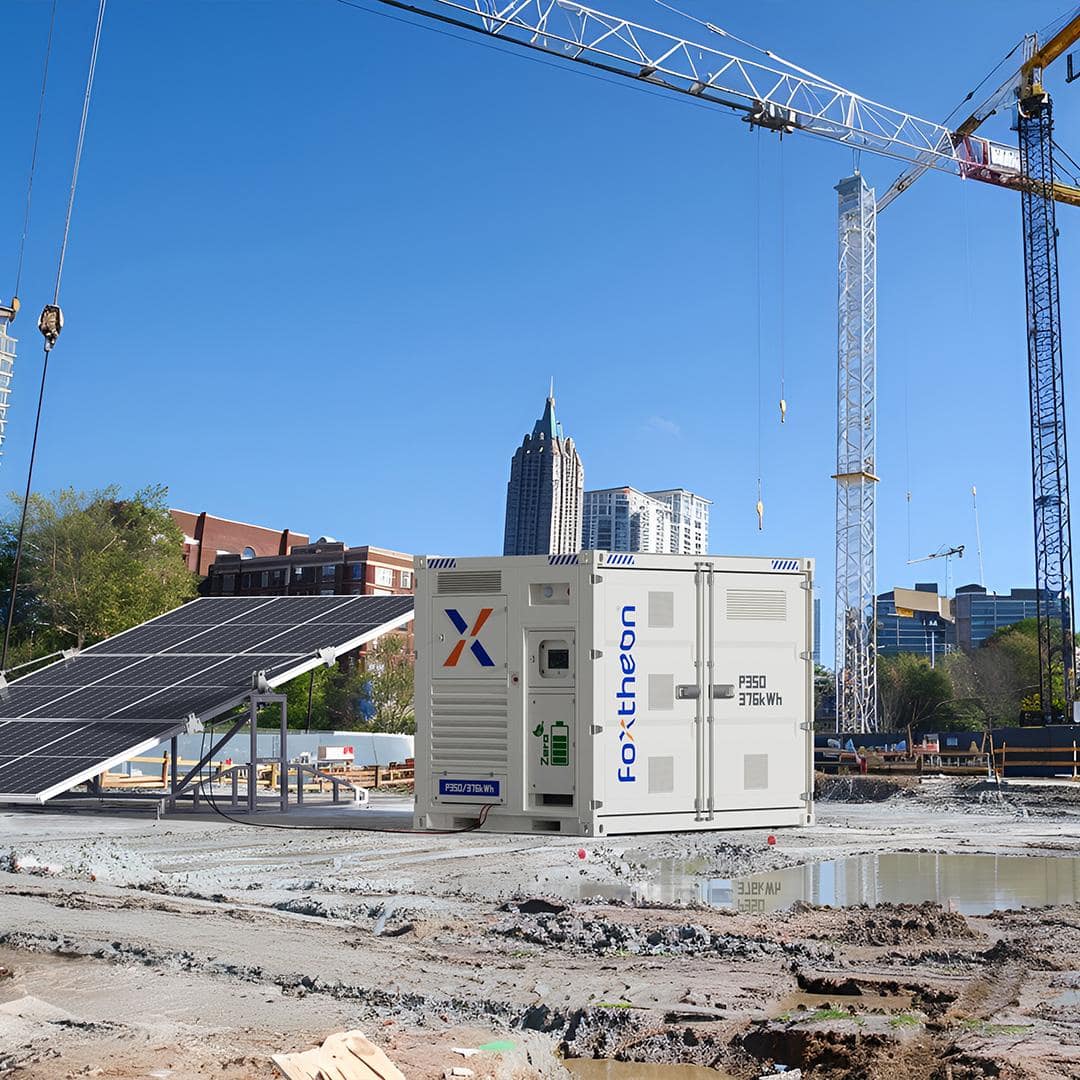
The equipment rental industry is shifting. For decades, the business model was simple: buy a diesel generator, rent it out, and service it when it breaks. But today, fleet managers face tighter margins, stricter emission regulations, and clients demanding higher efficiency. The old “oversize it just in case” approach to power generation is killing profitability.
To stay competitive, rental companies are looking for technology that does more than just store energy. They need systems that actively manage power loads and extend the life of their existing equipment. This is where the push to increase rental asset utilization with smart BESS (Battery Energy Storage Systems) comes into play. By integrating intelligent storage into a rental fleet, companies can turn a standard diesel generator into a high-efficiency hybrid power plant.
Industry leaders like Foxtheon have recognized this transition early on, providing modular solutions that help rental businesses adapt to this new hybrid reality without overhauling their entire inventory overnight.
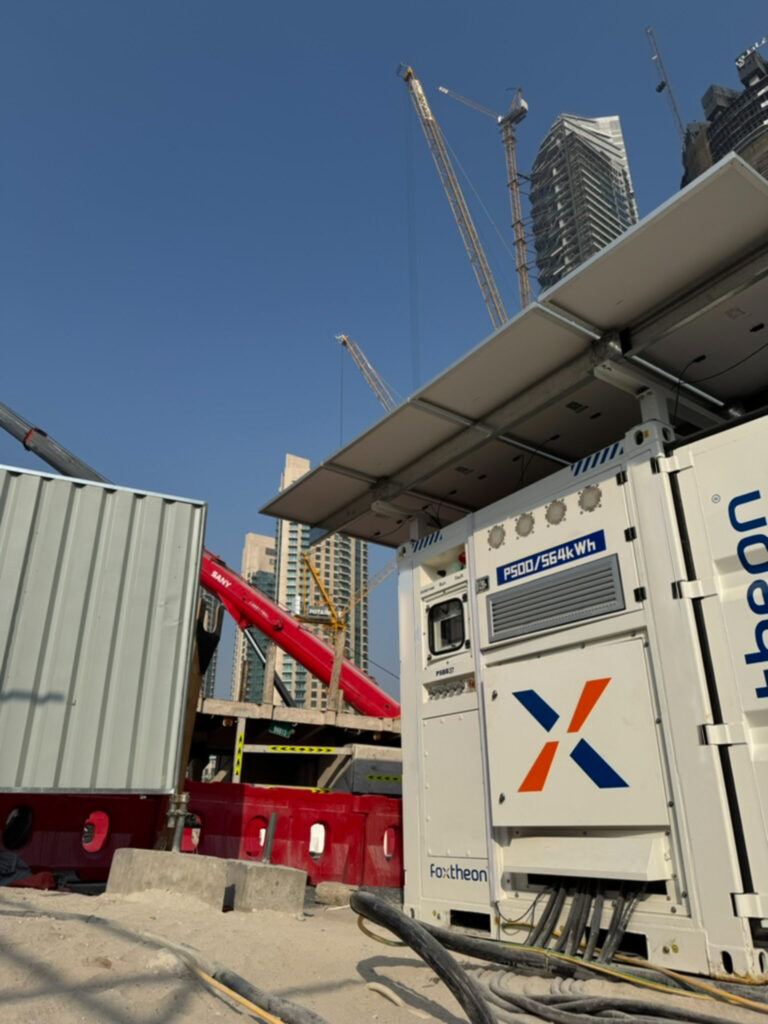
The Problem with Traditional Power Rental
To understand why smart batteries are necessary, we first have to look at the inefficiencies of the current model. Most rental generators are oversized for their actual load. A 100kVA generator might be rented for a construction site, but for 70% of the day, that site might only need 20kVA to run lights and security cameras.
The Hidden Costs of Low-Loading
Running a diesel engine at a low load causes “wet stacking”—a condition where unburned fuel accumulates in the exhaust system. This leads to frequent maintenance, engine damage, and significant fuel waste.
When a generator is down for maintenance, it isn’t earning money. It is an idle asset. This downtime directly hurts your utilization rate.
Missed Opportunities
Furthermore, traditional generators are loud and dirty. This disqualifies them from profitable contracts in noise-sensitive areas like residential zones, film sets, or indoor events. Limiting where your equipment can go limits how often it is rented.
How to Increase Rental Asset Utilization with Smart BESS
The core concept is simple: hybridization. Instead of running a large diesel engine 24/7 to cover small loads, you pair it with a smart BESS. The battery handles the low loads and the peaks, while the generator only runs at its optimal capacity to recharge the battery.
This approach drastically changes the economics of the rental asset.
Transforming Idle Time into Billable Time
When you increase rental asset utilization with smart BESS, you aren’t just renting out a battery; you are upgrading the capability of the generator it is paired with. A hybrid setup can be deployed to a wider variety of projects.
For example, a construction site that requires 24-hour power but has noise restrictions at night can now rent your equipment. The generator runs during the day, and the BESS takes over silently at night. You are now billable for 24 hours while only running the engine for 8.
Peak Shaving for Smaller Generators
Smart BESS allows you to use smaller, cheaper generators to do the work of larger ones. If a site has a brief spike in power demand (like starting a large crane), the battery handles that surge.
This means you can rent out a 45kVA generator paired with a BESS to do a job that previously required a 100kVA generator. This leaves your larger assets free for heavier industrial jobs, effectively doubling your fleet’s capacity to handle work.
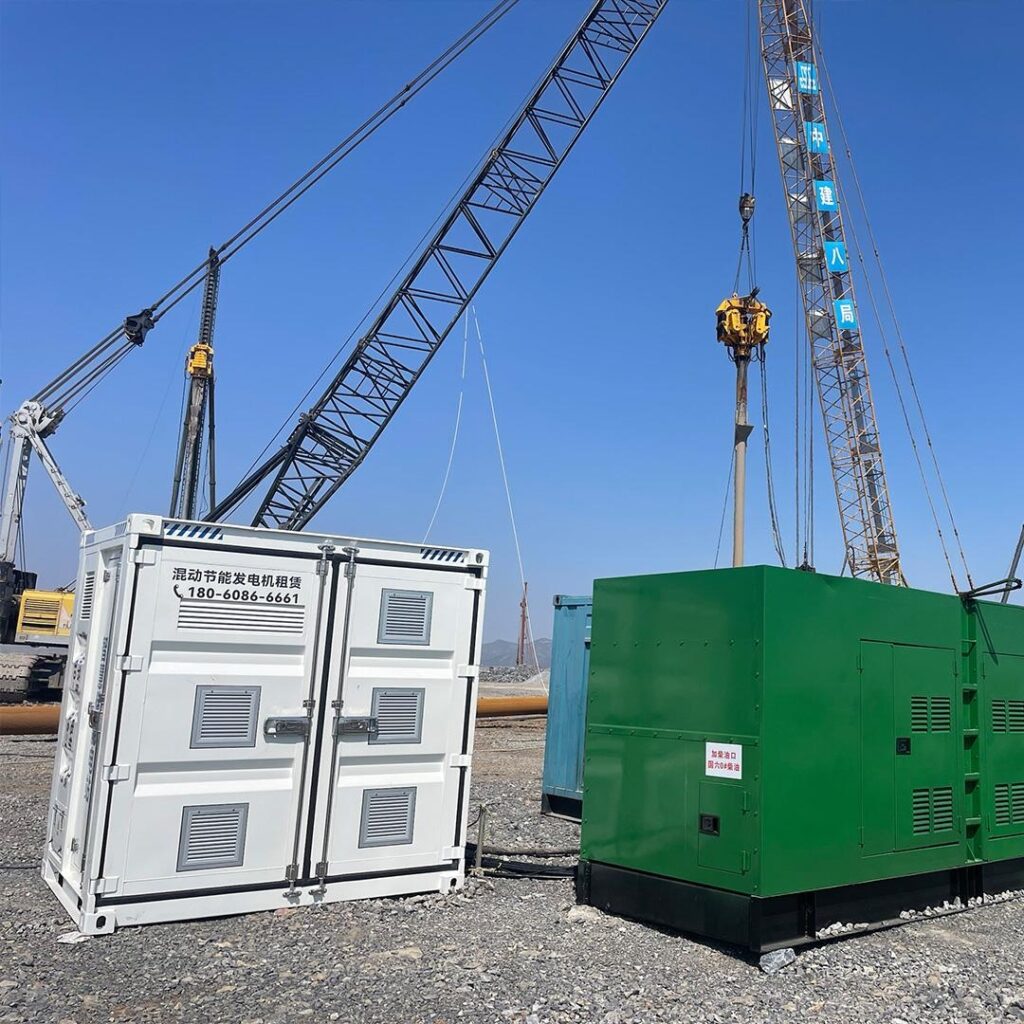
Operational Benefits of Smart Energy Storage
The “smart” in smart BESS is what separates modern units from simple lead-acid battery banks of the past. Modern systems utilize advanced Energy Management Systems (EMS) that make real-time decisions.
Extending Asset Lifespan
Every hour a generator runs adds wear and tear. By using a BESS to handle low loads, you might reduce generator runtime by 60% or more.
A generator that used to require service every month might now only need it once a quarter. This reduction in service calls keeps the asset in the field longer, generating revenue rather than sitting in the workshop.
Reducing Fuel Logistics
One of the biggest headaches for rental clients is refueling. By optimizing the engine load, fuel consumption drops significantly. Less fuel burned means fewer fuel deliveries. This is a massive selling point for your sales team when pitching to clients in remote locations.
Brands like Foxtheon focus heavily on this logistical advantage, designing units that are easy to transport and quick to deploy, ensuring that the savings in fuel aren’t lost in complex setup costs.
Opening New Revenue Streams
To truly increase rental asset utilization with smart BESS, you must look beyond construction sites. The versatility of battery storage opens doors to markets that strictly forbid combustion engines.
Indoor and Underground Applications
Tunneling projects and indoor events often prohibit diesel exhaust due to air quality concerns. Historically, rental companies had to run long cables from outside or decline these jobs.
With a smart BESS, you can place the unit directly inside the venue or tunnel. It can be charged from the grid or a generator placed far away. This unique capability makes your fleet essential for specialized, high-margin projects.
Grid Reinforcement Services
In some regions, the power grid is unstable. Rental companies are finding new utilization opportunities by renting BESS units to businesses that need backup power or “peak shaving” to avoid high utility demand charges. This is a purely electrical application where a standalone diesel generator would be inefficient and costly.
The Role of Telematics and Data
You cannot manage what you cannot measure. Smart BESS units come equipped with remote monitoring capabilities. This data is a goldmine for increasing utilization.
Predictive Maintenance
Instead of waiting for a breakdown, telematics allow you to see cell health and system performance in real-time. You can schedule maintenance during planned downtime between rentals, ensuring the unit is always ready for the next customer.
Rightsizing Fleets
Data from the BESS can show you exactly how clients are using power. If you see that a client is consistently underutilizing a generator, you can proactively swap it for a smaller, more efficient hybrid setup.
This consultative approach builds trust. The client saves money on fuel, and you free up your larger assets for other jobs.
Financial Impact: TCO and ROI
When considering the investment to increase rental asset utilization with smart BESS, the Total Cost of Ownership (TCO) is the most critical metric.
Higher Resale Value
Equipment that has fewer running hours and has been maintained better holds its value longer. A generator that has been hybridized for most of its life will have significantly fewer engine hours than a standard unit of the same age.
Premium Rental Rates
Hybrid power is a premium product. Clients are willing to pay a higher weekly rate for a package (Gen + BESS) because the total project cost (Rental + Fuel) is lower. You get better margins, and the client gets a lower bottom line. It is a win-win scenario.
Choosing the Right BESS for Your Fleet
Not all batteries are created equal. For the rental market, durability is key. The equipment will be lifted by cranes, dragged through mud, and exposed to extreme temperatures.
Modularity and Design
Rental assets need to be “plug and play.” Complicated synchronization processes kill efficiency. Look for systems that offer automatic voltage detection and seamless integration with various generator brands.
Foxtheon has made strides in this area, offering robust, containerized solutions specifically engineered to withstand the rigors of the rental environment while providing the sophisticated software needed to manage complex loads.
Safety First
Lithium Iron Phosphate (LFP) chemistry is currently the standard for rental BESS due to its thermal stability and long cycle life. Ensuring your fleet meets international safety standards is non-negotiable for insurance and liability reasons.
Sustainability as a Business Driver
We cannot ignore the green factor. ESG (Environmental, Social, and Governance) criteria are becoming requirements for major construction bids and government contracts.
Meeting Emission Standards
Many city centers are implementing “Low Emission Zones.” Standard diesel generators are being banned or heavily taxed in these areas.
By having smart BESS in your fleet, you ensure your utilization rates don’t drop as regulations tighten. You become the go-to provider for green energy compliant projects.
The Marketing Advantage
Promoting your fleet as “Hybrid Ready” or “Low Carbon” differentiates you from competitors who are stuck with legacy diesel fleets. It positions your company as a forward-thinking partner rather than just a commodity supplier.
The rental industry is evolving, and sticking to the status quo is a recipe for stagnation. The technology to optimize power generation is here, and it is proven.
By integrating storage solutions, you solve the fundamental problems of the diesel engine: inefficiency at low loads, noise, and emissions. You increase rental asset utilization with smart BESS by making your fleet more versatile, more reliable, and more profitable.
Whether it is through extending the life of your generators, accessing new noise-restricted markets, or simply reducing the logistical nightmare of fuel deliveries, the arguments for hybridization are clear. Manufacturers like Foxtheon continue to refine these tools, making them more accessible for rental companies of all sizes. The future of equipment rental is hybrid, and the companies that adapt now will lead the market tomorrow.
Frequently Asked Questions (FAQ)
Q1: How does a smart BESS actually reduce fuel consumption in a rental setup?
A1: The BESS handles periods of low power demand, allowing the diesel generator to turn off completely. When the battery runs low, the generator turns on and runs at its optimal, most fuel-efficient load to recharge the battery and power the load simultaneously. This eliminates the fuel waste associated with idling or running engines at low capacity.
Q2: Can I pair a smart BESS with any brand of generator?
A2: Generally, yes. Most modern smart BESS units are “inverter-agnostic” or designed to be universally compatible. They connect via standard power cables and use voltage and frequency sensing to manage the connection. However, for advanced features like auto-start/stop remote control, a simple communication cable connection between the BESS and the generator controller is required.
Q3: Is the upfront cost of a BESS worth it for a rental company?
A3: While the initial CAPEX is higher than a generator, the ROI is driven by three factors: higher rental premiums (since you save the client fuel money), extended lifespan of the paired generator (reducing CAPEX over time), and access to contracts that forbid standalone diesel engines. Most rental companies see a positive ROI within 18 to 24 months.
Q4: What maintenance does a BESS require compared to a generator?
A4: BESS units require significantly less maintenance than diesel engines. There are no oil changes, fuel filters, or moving mechanical parts to service. Maintenance usually involves checking cooling systems, cleaning air filters/vents, and ensuring software firmware is up to date.
Q5: How does weather affect the performance of a rental BESS?
A5: Extreme cold or heat can impact battery performance. However, high-quality rental BESS units are equipped with thermal management systems (liquid cooling or HVAC) to keep the battery cells within their optimal operating range. This allows them to function reliably in harsh construction environments, from freezing winters to scorching summers.