
The landscape of temporary energy is shifting. For decades, the industry operated on a simple premise: rent the biggest diesel generator available to ensure the lights never go out. However, rising fuel costs, stricter emission regulations, and the demand for data-driven efficiency have changed the game. Today, project managers and fleet operators are looking for high-value rental assets for power solutions that deliver more than just electricity.
They require reliability, intelligence, and sustainability. The market is moving away from commoditized “dumb iron” toward sophisticated equipment that integrates storage, renewable inputs, and advanced telemetry. Companies like Foxtheon are at the forefront of this transition, manufacturing the specialized equipment that rental companies need to stay competitive. Understanding these assets is key to optimizing operations and protecting profit margins.
The Evolution Beyond Standard Generators
Historically, a power rental fleet consisted of standard diesel gensets. While reliable, they were often oversized for the job, leading to inefficiencies.
The new generation of equipment focuses on precision. It is not just about having power; it is about having the right amount of power at the right time. This shift is what differentiates standard equipment from true high-value assets.
The Problem with Oversizing
In the past, if a site needed 100kW of peak power, they would rent a 150kW generator. However, that site might only use 20kW for 80% of the day.
Running a large diesel engine at a low load causes “wet stacking,” where unburned fuel builds up in the exhaust system. This damages the engine and wastes massive amounts of fuel.
Modern high-value assets address this through intelligent load management. They are designed to adapt to fluctuating demands without suffering from mechanical degradation.
The Rise of Hybridization
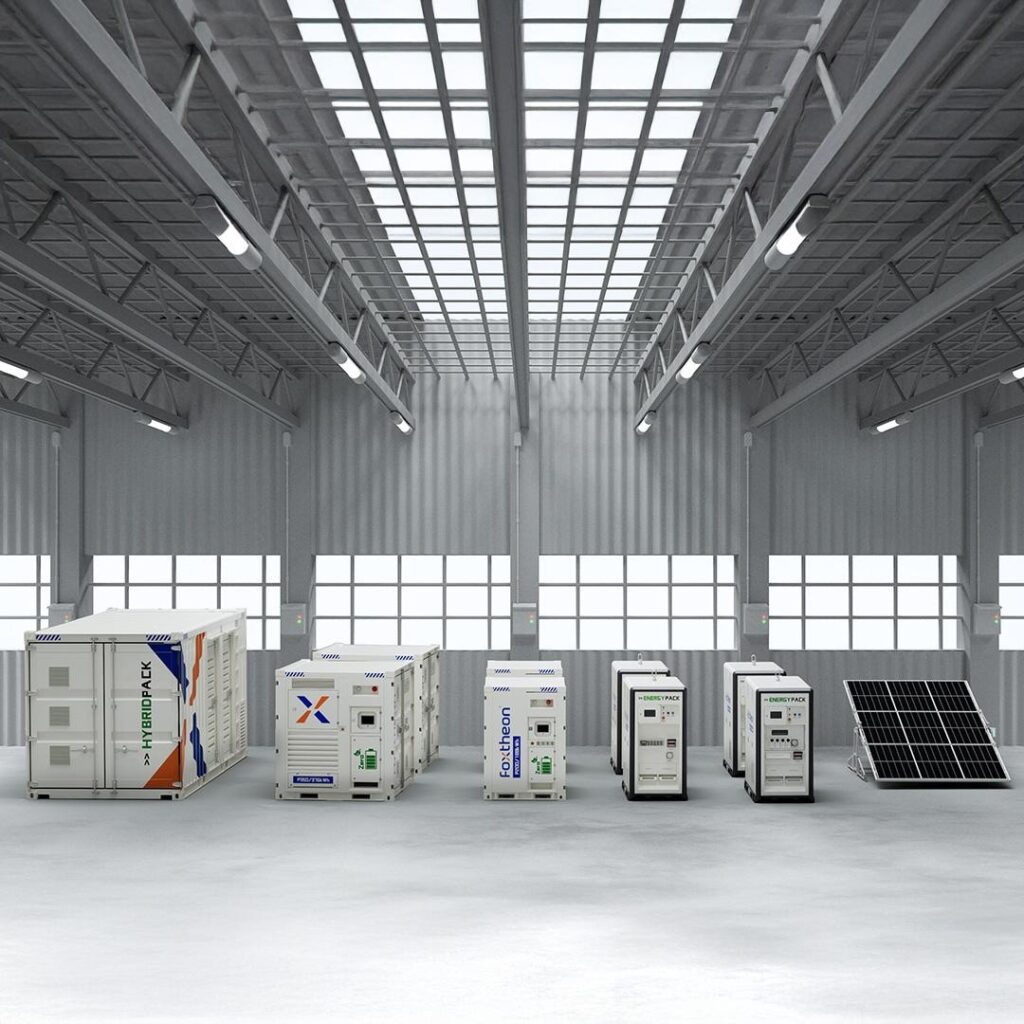
The most significant leap in value comes from hybrid units. These systems combine a diesel engine with a battery bank.
When the load is low, the engine shuts off, and the battery takes over. When the battery gets low or the load spikes, the engine kicks in automatically. This seamless switching drastically reduces fuel consumption and engine runtime.
Defining High-Value Rental Assets for Power Solutions
What exactly qualifies as a “high-value” asset in today’s market? It is equipment that solves complex problems rather than just providing raw amps. By investing in or renting high-value rental assets for power solutions, businesses can achieve goals that standard equipment cannot support.
Battery Energy Storage Systems (BESS)
Standalone battery units are becoming the crown jewel of rental fleets. They are silent, emission-free at the point of use, and instant.
For events requiring silence, like film sets or golf tournaments, BESS units are indispensable. For construction, they handle the overnight security loads (cameras, lighting) without a generator humming all night.
Tier 4 Final and Stage V Generators
Environmental compliance is no longer optional. In many urban centers and strictly regulated industries, you simply cannot use older engines.
Generators that meet Tier 4 Final (US) or Stage V (EU) standards utilize advanced exhaust after-treatment systems. These significantly reduce Nitrogen Oxides (NOx) and Particulate Matter (PM). Possession of these compliant units allows rental companies to bid on government contracts and inner-city projects that exclude older fleets.
Intelligent Load Banks
Testing power systems is as important as generating power. Intelligent load banks that can simulate complex, variable loads are critical high-value assets.
They allow data centers and hospitals to verify their backup systems with precision, ensuring that when a real blackout hits, the systems will hold.
The Economic Case for Advanced Equipment
There is often sticker shock when comparing the daily rental rate of a standard generator versus a hybrid unit or a BESS. However, looking at the daily rate in isolation is a financial mistake.
Calculating Total Cost of Operation
The true value of these assets becomes apparent when you calculate the Total Cost of Operation (TCO). Fuel is almost always the single largest expense in temporary power, often exceeding the rental cost of the machine itself.
A hybrid system might cost 30% more to rent but can reduce fuel consumption by 60%. Over a month-long project, this results in net savings of thousands of dollars.
Reducing Maintenance Cycles
High-value assets are often smarter. Because hybrid units run their engines less frequently, the service intervals are extended.
Instead of needing an oil change every 250 hours (which might be every 10 days on a 24/7 site), a hybrid generator might only need service once every two months. This reduces labor costs and downtime for the end-user.
Technology Integration and Smart Management
The hardware is only part of the equation. The intelligence embedded in the machinery is what truly unlocks value.
Telemetry and Remote Control
Modern power assets are part of the Internet of Things (IoT). They stream data regarding fuel levels, voltage stability, and maintenance alerts to the cloud.
Fleet managers can see exactly how a unit is performing without visiting the site. If a unit is overloaded or running low on fuel, an alert is sent immediately. This prevents catastrophic failures and ensures uptime.
Synchronization Capabilities
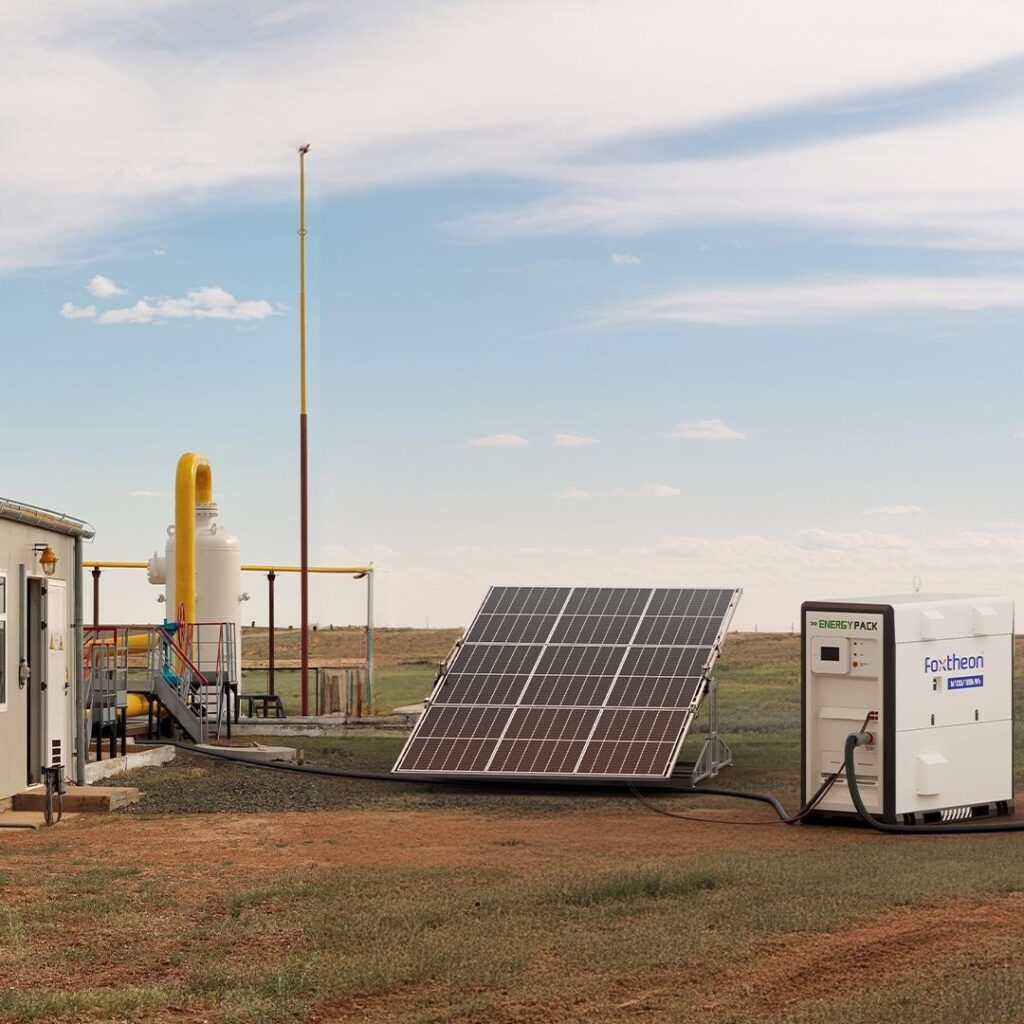
Advanced control panels allow different power sources to talk to each other. You can synchronize two smaller generators to act as one large one (load sharing) or synchronize a diesel generator with a solar array.
Innovators in the manufacturing space, such as Foxtheon, design their systems with this connectivity in mind. Their hybrid power stations are built to integrate seamlessly with other energy sources, making them versatile tools for complex microgrids.
Applications Driving Demand
The demand for high-value rental assets for power solutions is coming from diverse sectors, each with unique requirements.
The Events Industry
Festivals and concerts are under immense pressure to “go green.” Organizers are willing to pay a premium for silent, clean power to meet their sustainability goals and improve the attendee experience.
Disaster Relief and Resilience
When grids fail due to storms or wildfires, rapid deployment is critical. However, fuel supply chains are often disrupted in disaster zones.
High-efficiency hybrid units extend the runtime of a single tank of fuel, which can be a lifesaver when the next fuel delivery is uncertain.
Grid Support and EV Charging
As electric vehicle adoption grows, temporary EV charging stations are popping up at events and remote locations. The grid often cannot support rapid charging.
Mobile BESS units act as a buffer, soaking up energy from the grid slowly and releasing it quickly to charge cars. This is a burgeoning market for power rental companies.
Selecting the Right Equipment Partner
Not all rental companies have made the transition to high-value assets. Finding the right supplier requires due diligence.
Assessing Fleet Age and Diversity
Ask potential suppliers about the average age of their fleet. Newer equipment is generally more efficient and reliable.
Check if they offer hybrid options or energy storage. A supplier that only offers diesel generators may not be able to help you optimize your fuel spend.
Technical Support and Engineering
High-value assets require higher-level knowledge. The provider should offer engineering support to help size the equipment correctly.
They should be able to analyze your load profile and recommend a mix of battery and generation assets that maximizes efficiency.
The Role of Manufacturers
The rental industry relies on manufacturers to push the envelope. Companies that invest in R&D to create denser batteries, more efficient engines, and smarter controllers are the backbone of this ecosystem.
Foxtheon stands out by focusing on the integration of these technologies. By creating robust, “rental-ready” hybrid products, they enable rental companies to offer high-value solutions to their customers without the headache of building custom systems from scratch.
The era of renting power by the kilowatt is fading. We are entering an era of renting outcomes: reliability, sustainability, and efficiency.
For businesses and project managers, shifting focus to high-value rental assets for power solutions is a strategic move. It mitigates risk, lowers operational costs, and ensures compliance with an increasingly green world.
Whether it is through advanced battery storage, smart hybridization, or data-driven fleet management, the tools exist to power projects better. By leveraging equipment from forward-thinking manufacturers like Foxtheon and partnering with modern rental providers, industries can secure their energy needs while boosting their bottom line.
Frequently Asked Questions (FAQ)
Q1: What distinguishes “high-value” rental assets from standard power equipment?
A1: High-value assets are characterized by advanced technology, such as hybrid energy systems, battery storage, and Tier 4/Stage V emission compliance. Unlike standard equipment, they offer operational intelligence, significantly higher fuel efficiency, and remote monitoring capabilities, providing better ROI despite potentially higher rental rates.
Q2: How do high-value rental assets for power solutions reduce overall project costs?
A2: Although the daily rental rate might be higher, these assets reduce the Total Cost of Operation (TCO). They achieve this by drastically lowering fuel consumption (often by 40-60%), extending maintenance intervals, and preventing fines associated with environmental non-compliance.
Q3: Are battery energy storage systems (BESS) reliable enough for critical power applications?
A3: Yes, modern BESS units are highly reliable. They provide instant power response, often faster than a diesel generator can start up. For critical applications, they are usually deployed in a hybrid setup with a generator, where the battery handles the immediate load and the generator acts as a long-term backup.
Q4: Can I combine renewable energy sources with rental power equipment?
A4: Absolutely. High-value rental assets are designed with connectivity in mind. Many modern hybrid units and controllers allow for the easy integration of portable solar panels or wind turbines, creating a temporary microgrid that prioritizes renewable energy to save fuel.
Q5: Why is preventing “wet stacking” important in power generation?
A5: Wet stacking occurs when a diesel engine runs at a low load (under 30%), causing unburned fuel to accumulate in the exhaust system. This leads to engine damage, reduced lifespan, and heavy smoke. High-value hybrid assets prevent this by allowing the generator to run at optimal load to charge a battery and then shut off, ensuring the engine always operates efficiently.